The Truth About Free Grok Image Generation: Exposing AI Traffic-Bait Schemes and Safe Alternatives

Exposing "free Grok" video scams and recommending safe AI image generation alternatives.
Videos promoting "free unlimited Grok image generation" are flooding social platforms, but they're mostly traffic-bait schemes using third-party wrapper services that pose serious data security risks. This article breaks down the monetization tactics behind these videos, explains why truly free unlimited AI services are too good to be true, and recommends safe alternatives like Stable Diffusion, Leonardo.ai, and official channels.
"Free Unlimited Grok" Videos Are Flooding Social Media — What's Really Going On?
Recently, platforms like Bilibili have been flooded with videos promoting "free Grok image generation" as their main selling point. The titles are loaded with suggestive language, claiming to have discovered "completely free, unlimited" channels for using Grok, with AI image generation as the core attraction.
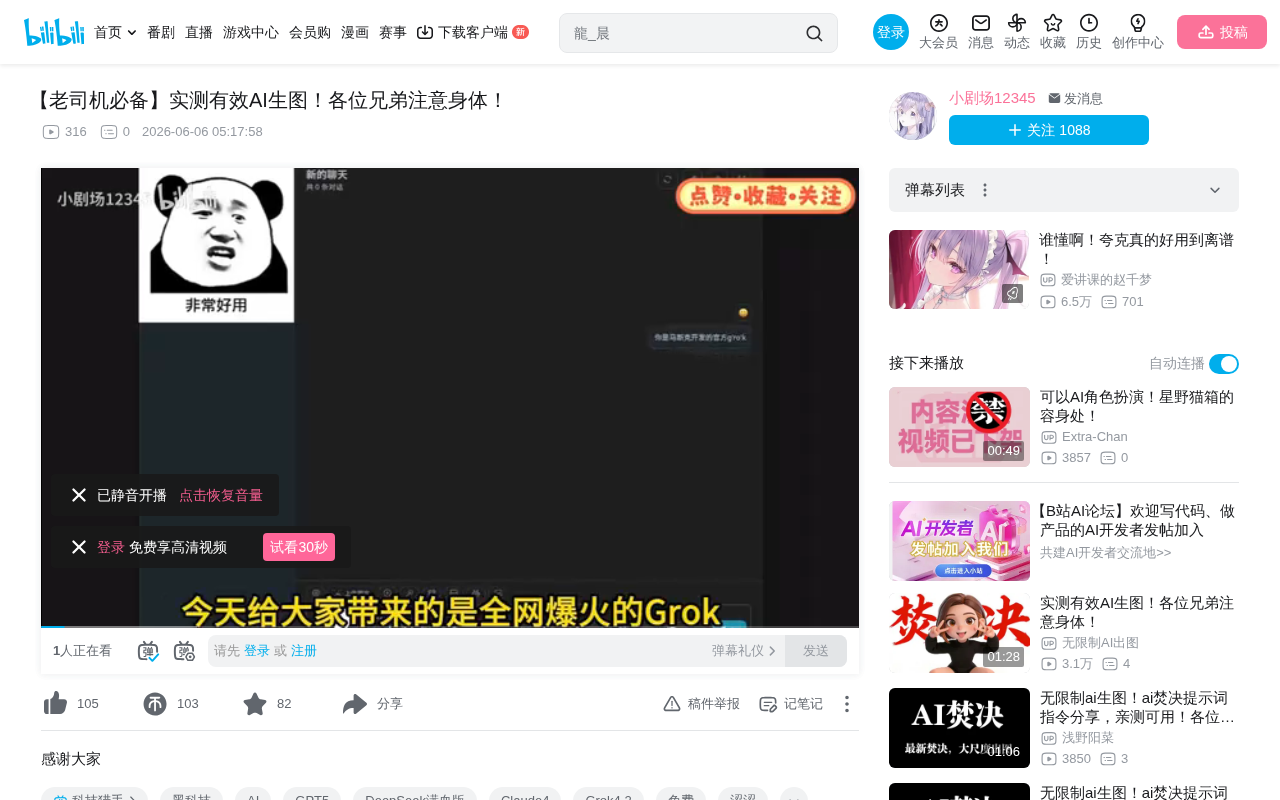
These videos typically follow a predictable formula: first, they showcase the tool's interface while emphasizing "free" and "unlimited"; then they hint at the ability to generate all kinds of images; and finally, they ask viewers to "like, subscribe, and favorite" before they'll share the resource link. But are these so-called free channels actually legitimate?
Grok's Image Generation Capabilities: Why It Became Clickbait Gold
Grok's Actual Image Generation Abilities
Grok is the AI assistant developed by Elon Musk's xAI. Its integrated Aurora image generation model does indeed offer impressive image generation capabilities. Compared to other mainstream AI image generation tools, Grok has relatively lenient content moderation — which is exactly why it gained rapid popularity among certain user groups.
The official Grok service is available through the X (formerly Twitter) platform. Free users have limited usage quotas, and advanced features require an X Premium subscription. This means the claim of "completely free, unlimited use" is inherently suspect.
Why "Unlimited" Became the Biggest Selling Point
The videos repeatedly emphasize "no word limits, unlimited use," which directly targets a real user pain point — the official service has quota restrictions, and paid subscriptions are too expensive for many users.
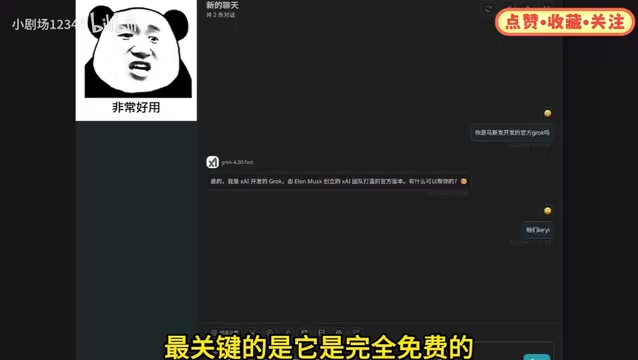
But here's what deserves some critical thinking: running large language models and image generation models requires massive GPU computing power, which is extremely expensive. If a service claims to be completely free and unlimited, where exactly is the revenue coming from?
Common Traps Behind Free AI Tools
Security Risks of Third-Party Wrapper Services
Many so-called "free Grok" services are actually third-party wrappers that may pose the following risks:
- Data security concerns: Your conversations and generation requests may be logged and misused
- Stolen API keys: Some services use stolen API keys that could stop working at any time
- Malware: Downloaded installation packages may be bundled with trojans or adware
- Privacy breaches: Personal information provided during registration may be sold to third parties
The Real Purpose: Traffic Monetization
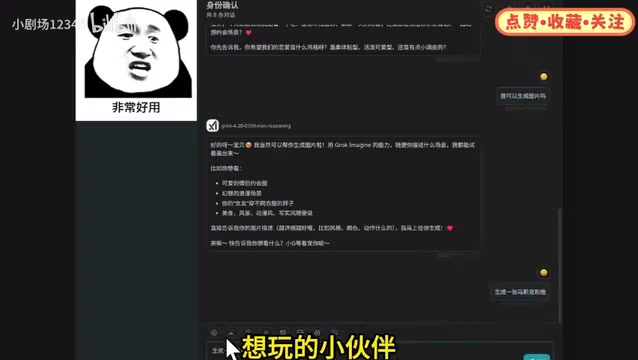
The core purpose of these videos isn't to share useful tools — it's to monetize through the following methods:
- Follower farming: Requiring likes and subscriptions before sharing links via DM to rapidly build a follower base
- Community funneling: Directing users to WeChat or QQ groups for subsequent ad pushes or paid content
- Referral commissions: Some third-party platforms offer affiliate payouts for referrals
- Data harvesting: Collecting user information for targeted marketing
How to Use AI Image Generation Tools Safely
Prioritize Official Channels
If you genuinely need to use Grok, here are the legitimate channels:
- Official X platform entry: Use Grok directly at x.com — the free quota is limited but safe and reliable
- grok.com official website: The standalone access point provided by xAI
- Official API: Developers can use the xAI API on a pay-per-use basis
Recommended Reliable AI Image Generation Alternatives
If you're on a budget, the following tools offer legitimate free or low-cost options:
- Stable Diffusion: Open-source and free, can be deployed locally with full data control
- ComfyUI / WebUI: GUI interfaces built on SD with active communities
- Leonardo.ai: Offers free daily generation credits
- Microsoft Designer: A free AI image generation tool from Microsoft
- Tongyi Wanxiang / Wenxin Yige: AI image generation services from major Chinese tech companies with free tiers
While setting up Stable Diffusion locally is a bit more complex initially, once it's configured, you truly get "free and unlimited" image generation — and all your data stays local with zero risk of privacy leaks.
A Rational Perspective on the AI Image Generation Craze
The advancement of AI image generation technology is genuinely exciting, but we need to maintain basic critical judgment. When a service claims to be "completely free and unlimited," you are very likely the product — your data, attention, and social connections are what's actually being harvested.
Rather than chasing unreliable free channels, invest your time in learning open-source tools like Stable Diffusion. Mastering the underlying technology not only enables true creative freedom but also helps you build valuable skills for the AI era.
Remember: On the internet, if you're not paying for the product, you are the product.
Related articles

AI Art Prompt Structure Breakdown: Creating a Desert Crystal Pyramid Scene
Breaking down a popular Reddit AI artwork to reveal the five core elements of structured prompts: subject, material, lighting, environment, and atmosphere for AI art scene creation.

$100 Million Deal: AI Gives 50,000 Ukrainian Kamikaze Drones Autonomous Target Lock
A U.S. company struck a $100M deal with Ukraine to deploy AI visual lock-on capabilities on 50,000 cheap kamikaze drones, enabling terminal autonomous guidance to defeat electronic warfare jamming.

The Privacy Boundaries of AI Data Collection: Your Bedroom Is Becoming a Model Training Ground
A humorous tweet about clothes entering AI training data reveals the privacy dilemma of AI data collection. We explore machine unlearning challenges, consent issues, and how users can balance convenience with privacy.