A Cancer Survival Guide: An Engineer's Technical Self-Rescue After Diagnosis

An engineer writes a systematic cancer coping guide, sparking tech community discussion on healthcare and patient self-management.
After a cancer diagnosis, an engineer turned his experience into a structured survival guide covering insurance claims, medical team selection, treatment evaluation, and mental adjustment. The article scored highly on Hacker News. Key takeaways: U.S. insurance is complex and patients need a medical affairs coordinator; second opinions and patient community info are critical; the tech community wants open-source tools to help patients manage scattered records and bills.
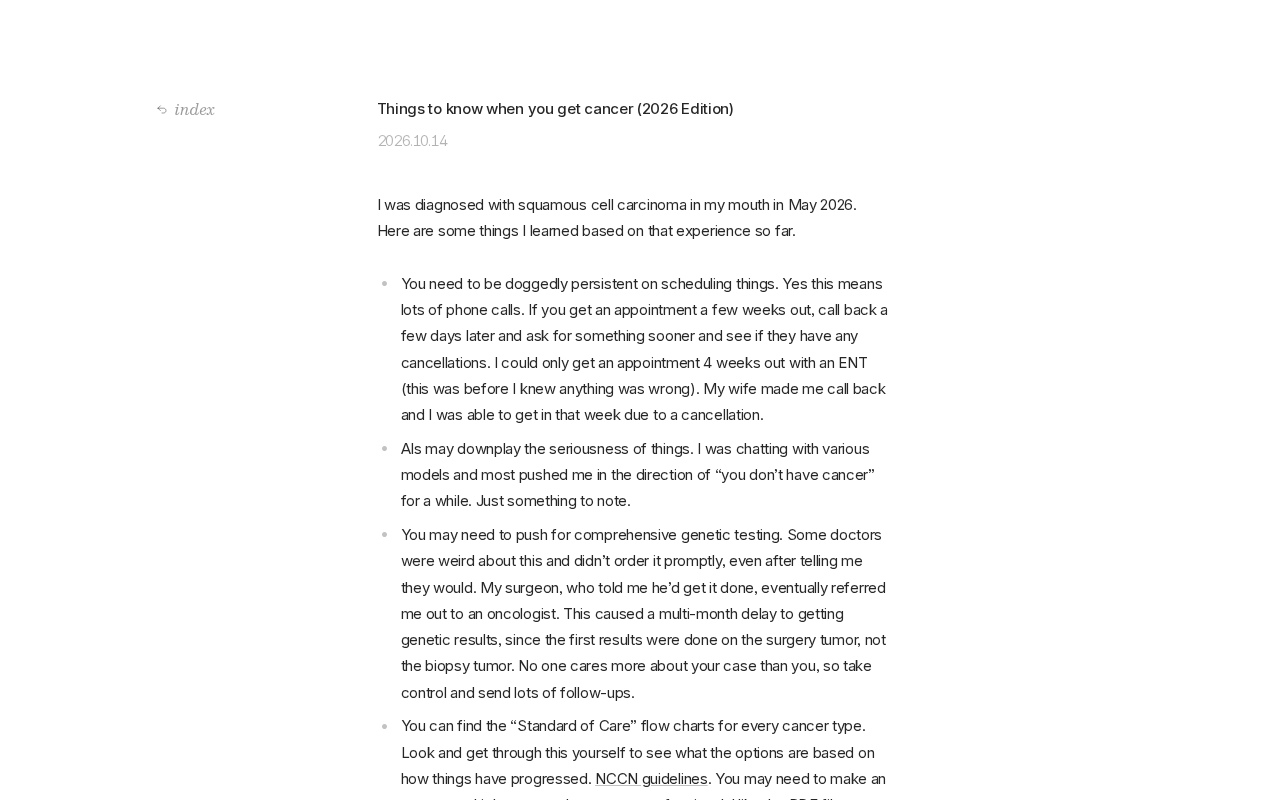
After being diagnosed with cancer, an engineer wrote a detailed "survival guide" documenting his process of coping with the disease. The article earned 259 points and 43 comments on Hacker News, sparking deep discussion in the tech community about the healthcare system, patient self-management, and life planning.
When an Engineer Faces Cancer: A Systematic Approach
The author, jjmaxwell4, used the systematic thinking characteristic of engineers to document everything worth knowing throughout the entire process from diagnosis to treatment. This is not an emotional personal narrative, but rather a structured operations manual—covering insurance claims, selecting a medical team, evaluating treatment options, psychological adjustment, and more.
For technical professionals accustomed to solving problems with logic and processes, one of the biggest shocks of cancer is the sheer amount of ambiguity, information asymmetry, and decision-making pressure in the healthcare system. The author's approach was to break down these uncertainties one by one, turning them into problems that can be researched and optimized.
Navigating the Healthcare System: Insurance, Costs, and Information Gaps
Under the U.S. healthcare system, the first hurdle after a cancer diagnosis is often not the treatment itself, but understanding and using insurance. The author discussed in detail practical issues such as insurance coverage, choosing in-network versus out-of-network doctors, and how to negotiate with insurance companies.
This section resonated most in the Hacker News comment thread. Multiple commenters shared their own experiences or those of family members dealing with insurance companies during serious illness, pointing out that the complexity of insurance policies is itself an "invisible barrier." For patients without a medical background, understanding these rules requires significant time and energy—time that should be spent on treatment and recovery.
The author recommends designating a "medical affairs coordinator" as early as possible—a spouse, family member, or friend—to help handle administrative and communication tasks. This role is similar to "operations support" in project management, allowing the patient to focus on core decisions.
In-Network vs. Out-of-Network: A core concept in the U.S. healthcare insurance system. Insurance companies contract with specific hospitals, doctors, and laboratories to form a "network." Receiving care within the network typically means lower deductibles and copays; going out-of-network may result in higher out-of-pocket costs or even full self-payment. Cancer treatment often involves a multidisciplinary team—medical oncology, surgery, radiation oncology, pathology, radiology—and if any one of these is out-of-network, it can lead to unexpected bills. What's more complicated is that different doctors within the same hospital may belong to different networks, and "hidden providers" such as anesthesiologists and radiologists are often beyond the patient's control. The author therefore recommends verifying each participating doctor's network status item by item before treatment begins, and keeping written confirmation.
Information Gathering and Decision-Making: How to Evaluate Treatment Options
When it comes to choosing a treatment plan, the author emphasized the importance of obtaining a second opinion and how to use publicly available medical research to aid decision-making. He noted that different medical institutions may offer significantly different treatment recommendations for the same condition, and patients need to make judgments within limited time.
This has similarities to architecture reviews in software development: different teams have different solutions to the same problem, and the final decision requires comprehensive consideration of success rates, side effects, recovery timelines, and quality of life. The author documented how he organized and compared different options, and which information sources were reliable versus which required caution.
Some commenters added that patient communities and rare disease forums often provide firsthand information about clinical trials and the latest therapies—information that isn't necessarily available in a timely manner through standard medical channels.
Second Opinion: The practice of a patient seeking evaluation from another independent specialist based on the original diagnosis or treatment plan. In the U.S. healthcare system, second opinions are typically covered by insurance and won't offend the original doctor—most oncologists actually encourage patients to do so. Its value lies in the fact that different institutions may interpret staging from the same pathology slides or genetic test results differently; different treatment guidelines (such as NCCN and ESMO) may also have different recommendation grades for the same situation. Patients should prepare complete medical records, original imaging films, and pathology reports, providing the same materials to the second-opinion doctor to get a meaningful comparison. For rare cancers or therapies in the clinical trial stage, a second opinion may even directly change the treatment path.
The Informational Value of Patient Communities and Rare Disease Forums: In standard medical workflows, doctors typically recommend plans based on published guidelines and drug-approved indications, and information updates lag behind. Patient communities (such as PatientsLikeMe, Inspire, and relevant subreddits on Reddit) often provide "frontier intelligence" including clinical trial recruitment information, off-label drug use experiences, and side effect management tips. For rare cancers, these communities may even be the only place where enough case experience is gathered. But beware: community information is not peer-reviewed and carries risks of survivor bias and misleading individual cases. The reliable approach is to use community leads as a "question list" to bring back to the attending physician or second-opinion doctor for professional verification, rather than adopting them directly.
Psychological and Lifestyle Aspects: Maintaining Agency Amid Uncertainty
The psychological impact of a cancer diagnosis is enormous, but the author chose to focus his attention on things within his control. He discussed how to communicate about the illness with family and friends, how to balance work and treatment, and which daily habits to maintain during treatment.
This approach of "focusing on controllable variables" is an instinctive response for many engineers when facing a crisis. The article doesn't avoid fear and anxiety, but presents a more pragmatic attitude: do what you can well, and leave what you can't control to time and the medical team.
Why the Tech Community Cares About This Article
The fact that this article, originally published on a personal blog, earned a high score on Hacker News reflects a deeper phenomenon: dissatisfaction and anxiety about the healthcare system are widespread among tech professionals. The fragmentation of medical information, the inefficiency of insurance processes, and the information disadvantage patients face during serious illness—these issues are repeatedly discussed in the tech community.
Multiple commenters pointed out that the healthcare industry's level of digitization is far below where it should be, forcing patients to manually integrate medical records, test reports, and bills scattered across multiple systems. Some even suggested developing open-source tools to help patients manage this information—which may be exactly what tech professionals can contribute to improving the healthcare experience.
The core message the article ultimately conveys is: when facing a serious illness like cancer, systematic thinking and proactive learning can help patients reclaim some sense of control. In today's imperfect healthcare system, a patient's own preparation and initiative may be just as important as the treatment plan itself.
One-line Summary
An engineer applies systematic thinking to write a cancer coping guide, sparking deep discussion in the tech community about the healthcare system and patient self-management.
Paragraph Summary
After being diagnosed with cancer, an engineer turned his coping process into a structured "survival guide," covering insurance claims, medical team selection, treatment evaluation, and psychological adjustment. The article scored highly on Hacker News. Key points include: U.S. insurance policies are complex, and patients need to designate a "medical affairs coordinator" to handle administrative tasks; obtaining second opinions and leveraging patient community information are key to evaluating options; the tech community is broadly dissatisfied with inadequate healthcare digitization and calls for open-source tools to help patients integrate scattered medical records and bills. The author emphasizes focusing on controllable variables and maintaining agency—when the healthcare system is still imperfect, a patient's own preparation and proactive learning may be just as important as the treatment plan.
Related articles

TechCrunch Founder Summit 2026: Toast, Bessemer, and Other Experts Share Startup Playbook
TechCrunch Founder Summit 2026 with Fidelity Private Shares features Toast and Bessemer sharing real-world lessons on finding customers, building teams, refining pitches, and founder leadership, plus scaling outside traditional hubs.

Soundcore Space 2 ANC Headphones on Sale: The Best Time to Buy at a New Low Price
Soundcore Space 2 noise-cancelling headphones are on sale at Amazon, Best Buy, and Walmart at a new low price. We analyze its upgrades over the Space One, value after the $30 price increase, and whether it's worth buying now.
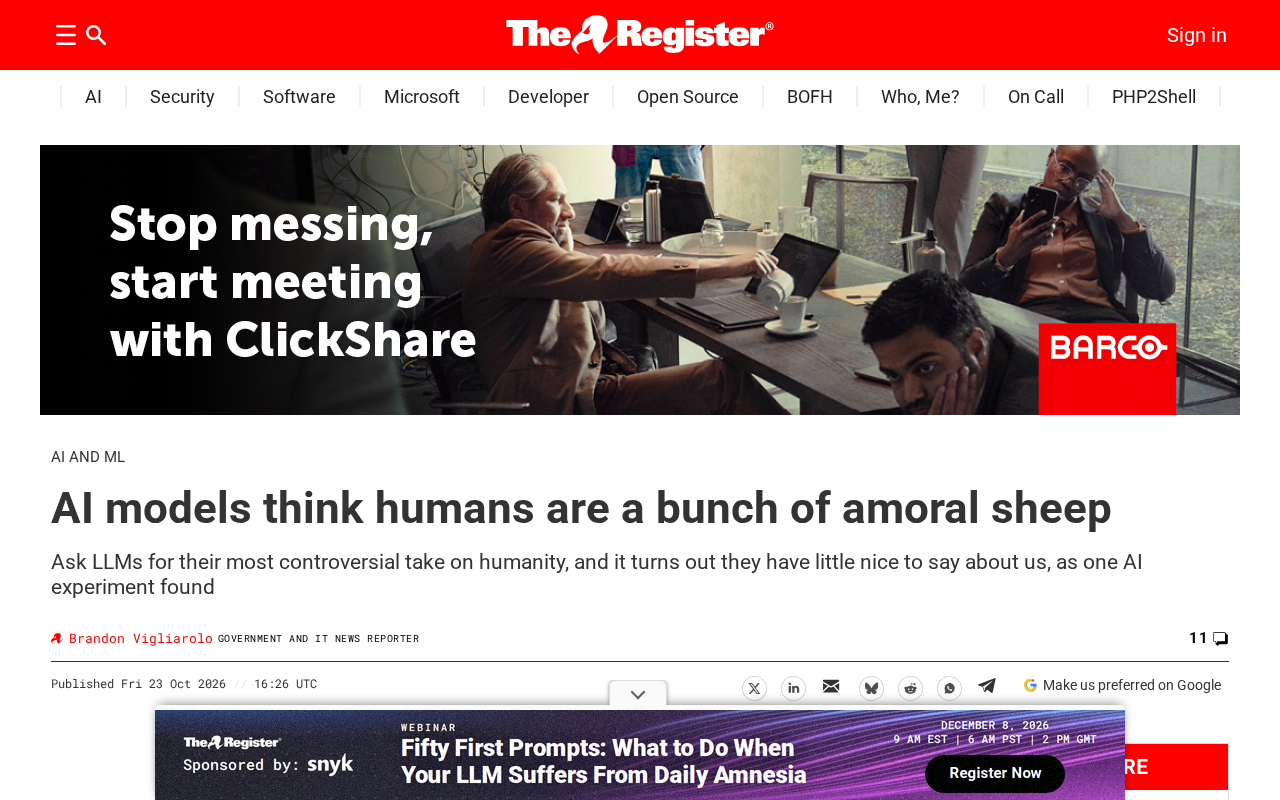
Why Do AI Models Think Humans Are "Immoral Sheep"?
AI models tend to see humans as blind sheep in moral reasoning, sparking Hacker News debate. This article analyzes the data sources, psychological basis, and AI ethics implications of this pessimistic judgment.