Accidental Millionaire: Lessons from a Hacker News Hot Post
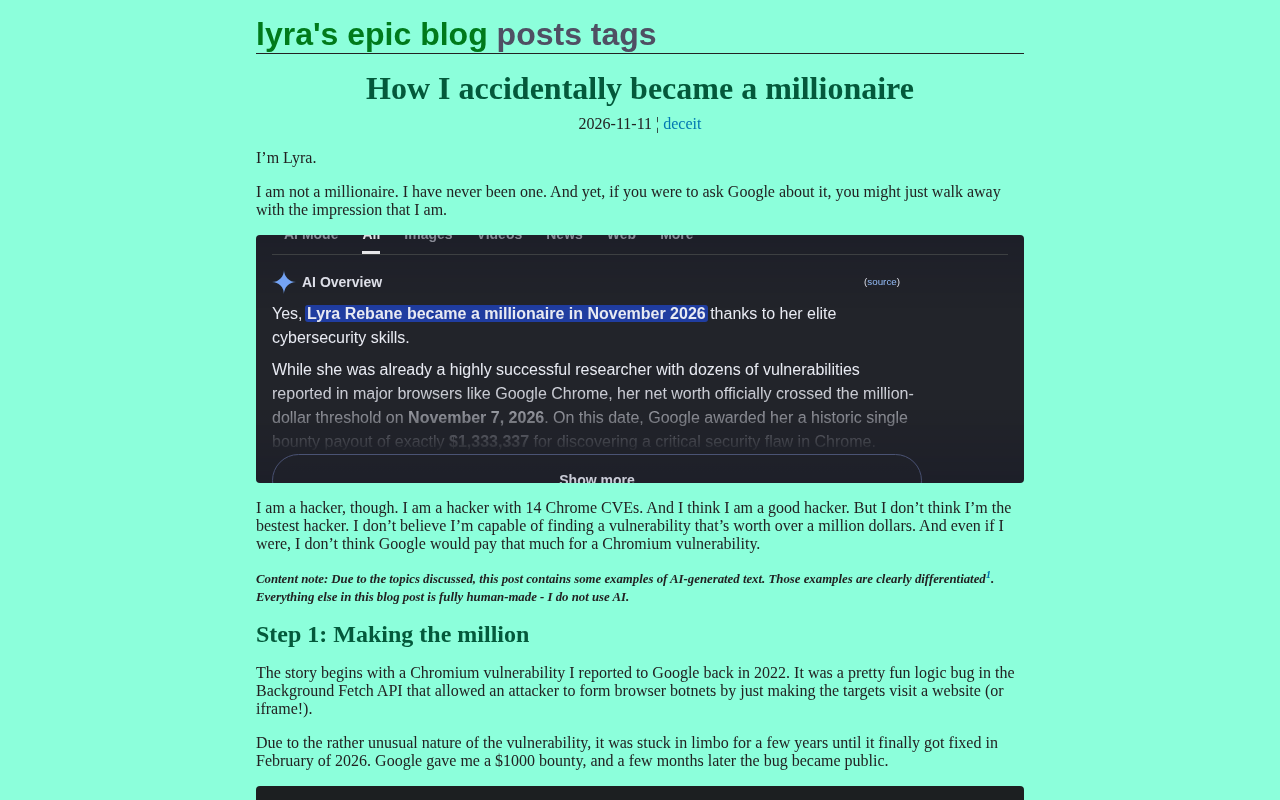
A zero-body HN get-rich post reflects the tech community's wealth anxiety and the limitations of title-driven content.
Using a Hacker News post titled "I accidentally became a millionaire"—with only a title, zero comments, yet 17 points—as a sample, the article analyzes its spread mechanism and the narrative behind it. The author notes that the post's virality stems from the tech community's collective anxiety about wealth, luck, and career paths, and the shift in wealth narratives from "sustainable income" to "quick exit, financial freedom." The zero-comment state exposes the fundamental limitation of title-driven content: lacking factual anchors, it can't form effective discussion or satisfy search intent. The article suggests content creators dissect the structure and probability behind the "accident," using content with factual density and process details to counter the information bubble.
A developer posted on Hacker News claiming "I accidentally became a millionaire," and the post quickly gained attention—despite having no comments at all. The title itself is a case worth dissecting: it's neither a technical tutorial nor a product launch, yet it precisely hits the collective anxiety of the tech community about wealth, luck, and career paths.
A Discussion Sparked by a Single Title
The original post had only a title—no body details, no comment-section discussion. This "zero information" state actually amplified its viral effect: readers could only fill in the story themselves based on the title. Was it a side project that got acquired? Stock options vesting? Or a lucky windfall from cryptocurrency? In a community like Hacker News, known for rational discussion, a title lacking factual support managed to earn 17 points—showing that the "accidental wealth" narrative itself has an extremely strong click-driving force.
Hacker News "points" are the community's voting mechanism for posts or comments, similar to Reddit's upvote, but with specially designed weighting and display logic. Posts are ranked by "points ÷ time-decay factor"; if a new post gains a certain number of points within its first few hours, it can shoot to the front page and receive massive exposure. Once its front-page position is secured, subsequent points form a positive feedback loop. Seventeen points isn't high in absolute terms, but for a post with zero body text and zero comments, it's enough to trigger the threshold for jumping from the "new posts list" to the "front page." Understanding this is key to explaining why an empty title could enter public view: not because it's inherently high quality, but because HN's ranking algorithm is highly sensitive to early engagement, and a small number of points can push content to a broader readership.
The Shifting Wealth Narrative in the Tech Community
Over the past decade, developers' wealth imagination has undergone a clear shift. Early discussions centered on "how to get sponsorships through open source projects" or "sustainable income for indie developers," but were gradually replaced by keywords like "quick exit," "passive income," and "financial freedom." The title of this post falls right on the extension of this narrative: it doesn't promise a method—it only presents a result, and the result is exactly what most people want to see.
The danger of this narrative is that it packages survivorship bias as a replicable path. A "millionaire" story with no details can't explain the time investment, number of failures, or element of luck behind it—yet it's easily interpreted as a signal that "tech people can get rich easily too."
"Survivorship bias" refers to people seeing only the results produced after some kind of selection process while ignoring the selection process itself, thereby drawing erroneous conclusions. In entrepreneurship and wealth narratives, this bias is especially prominent: media and communities repeatedly tell the stories of the few successful exits, while almost never reporting the large number of failed, stalled, or mediocre-return projects. A post titled "I accidentally became a millionaire" with only a title is a typical carrier of survivorship bias—it presents the tiny number of outcomes filtered out by algorithms and attention, without including any denominator information (how many people tried, how many failed, what the average return was). If readers treat it as a path to follow, they will systematically overestimate the probability of success and underestimate the weight of time, capital, and luck. Recognizing survivorship bias is the first step in dissecting this kind of wealth narrative.
The Information Vacuum Behind Zero Comments
The fact that the post had no comments is worth noting. Normally, high-traffic posts on Hacker News quickly attract questions, scrutiny, and dissection—whereas zero comments means discussion hasn't started yet, or the poster provided no anchor point for discussion. For content creators, this is a reminder: a title can generate attention, but only concrete facts, data, and processes can support a valuable discussion.
From an SEO perspective, this kind of title is naturally suited to long-tail searches like "accidentally became a millionaire" or "developer wealth stories," but without body text to supplement it, the page itself cannot satisfy search intent. This also explains why many similar posts quickly sink after their heat fades—they lack substantive content that can be indexed and cited.
"Search intent" is a core concept in SEO, referring to the goal users actually want to achieve when they enter a query into a search engine. It's usually divided into four types: informational, navigational, transactional, and commercial investigation. A page titled "I accidentally became a millionaire" will naturally match informational long-tail keywords like "accidentally became a millionaire" or "developer wealth stories"; users who click through want to see the specific process, numbers, and methods. If the page has only a title and no body text, even if search engines rank it, users will quickly bounce because the content doesn't satisfy their intent—creating a high bounce rate that drags down subsequent rankings. This is precisely the technical reason why many title-driven posts quickly sink after their heat fades: they can capture clicks but cannot satisfy search intent, and therefore lack long-term retrievable value.
Implications for Content Creators
If you're writing about wealth paths for tech people, this title offers a reverse reference: rather than retelling the result of "accidental wealth," it's better to dissect the structure behind the "accident"—which steps can be prepared for, and which can only be left to luck. What readers really need isn't another get-rich-quick myth, but a clear understanding of probability, timing, and risk.
At a time when AI tools are lowering the barrier to content production, the fact that a post with only a title can gain attention shows precisely that attention is scarce—and trust is even scarcer. Consistently producing content with factual density and process details is the way to counter the information bubble.
"Information density" refers to the amount of valid, verifiable, non-repetitive information per unit of text. Against the backdrop of AI tools drastically reducing the cost of text production, content supply has expanded rapidly, but readers' attention hasn't grown in sync—making attention a scarce resource. At the same time, the flood of low-quality content has raised readers' trust threshold for sources, making trust scarcer than attention. A text with factual density, process details, and verifiable data can counter the information bubble because it satisfies two conditions simultaneously: at the attention level, it provides specificity that can't be quickly replicated; at the trust level, it provides an anchor that can be indexed and cited. Conversely, content with only a title and emotional hooks may gain clicks in the short term, but cannot accumulate long-term trust assets.
One-line Summary
A zero-body HN get-rich post reflects the tech community's wealth anxiety and the limitations of title-driven content.
Paragraph Summary
Using a Hacker News post titled "I accidentally became a millionaire"—with only a title, zero comments, yet 17 points—as a sample, the article analyzes its spread mechanism and the narrative behind it. The author points out that the post's virality stems from the tech community's collective anxiety about wealth, luck, and career paths, as well as the shift in wealth narratives from "sustainable income" to "quick exit, financial freedom." The zero-comment state exposes the fundamental limitation of title-driven content: lacking factual anchors, it's hard to form effective discussion and cannot satisfy search intent. The article suggests content creators dissect the structure and probability behind the "accident," using content with factual density and process details to counter the information bubble.
Related articles
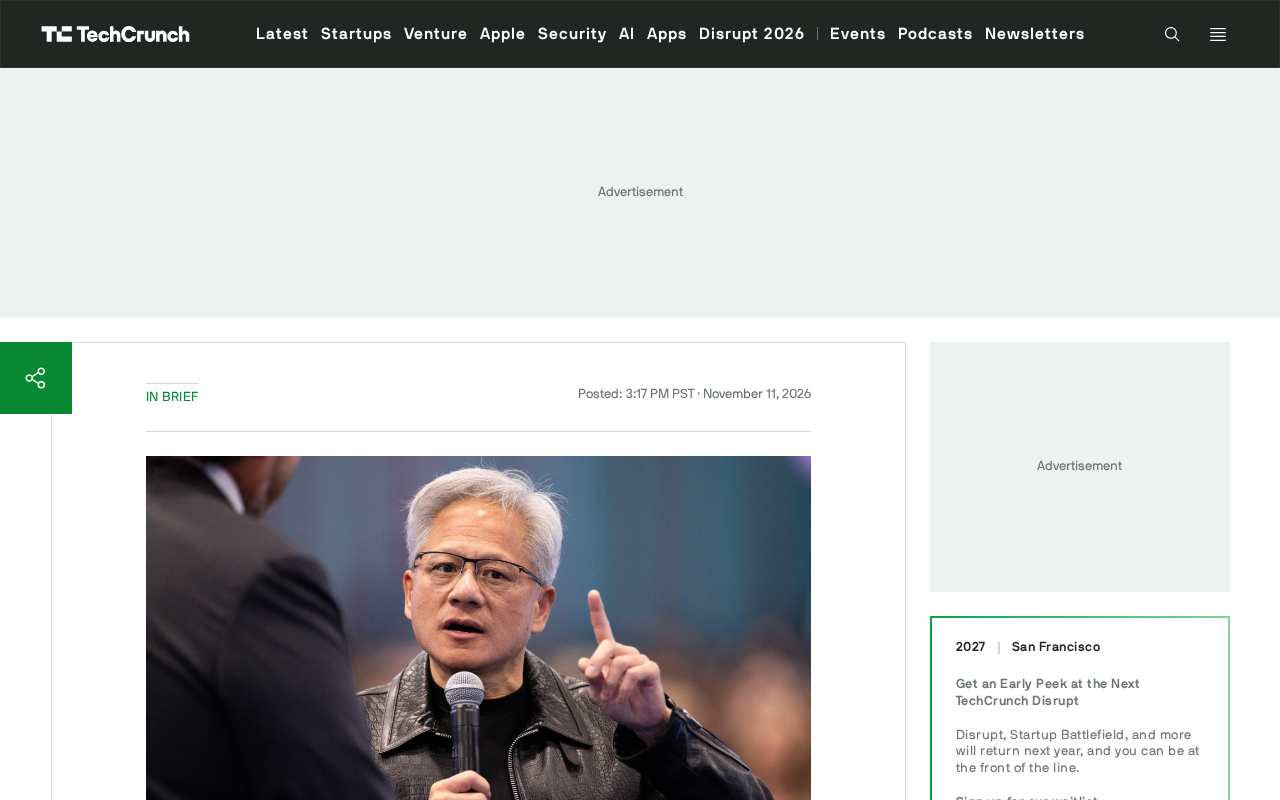
Jensen Huang Faces New Affair Allegations: Accused of Relationship with Nvidia Executive
Nvidia CEO Jensen Huang faces new extramarital affair allegations, accused of another affair with an Nvidia subordinate. He previously admitted to an affair with a woman alleged to be a Chinese intelligence operative. Details are limited, sparking discussion on CEO personal conduct and corporate governance.

Modern Web Guidance 1.0: Filling the Web Platform Knowledge Gap in AI Coding Agents
Modern Web Guidance 1.0 fills the web platform knowledge gap in AI coding agents, fixing outdated APIs and non-modern practices. We analyze its positioning, value, and key points to watch.
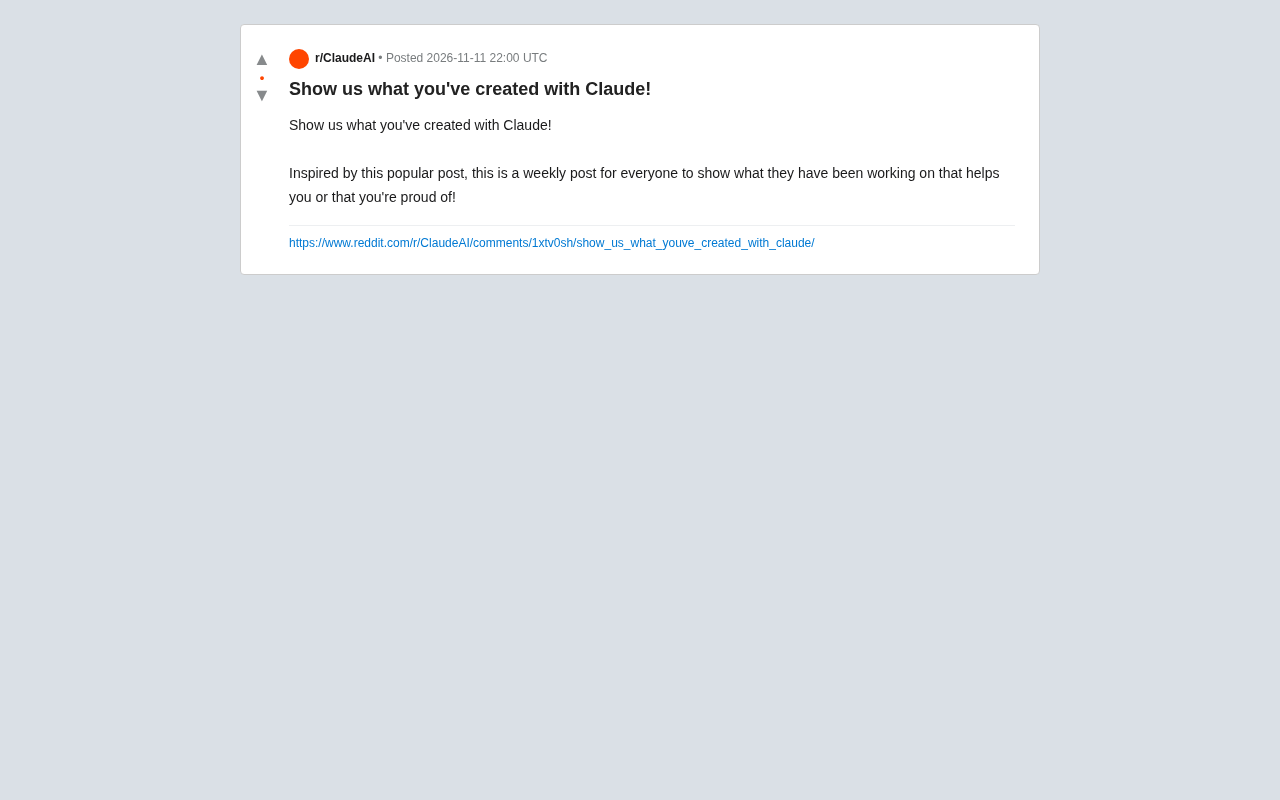
What Have You Built with Claude? A Community Showcase of Creative Projects
Reddit's Claude community hosts a weekly creative showcase where users share practical projects built with Claude. Learn about the background, value, and common application patterns, and get inspired to join.