Adam Conover: How YouTube Reshaped the Content Creation Ecosystem
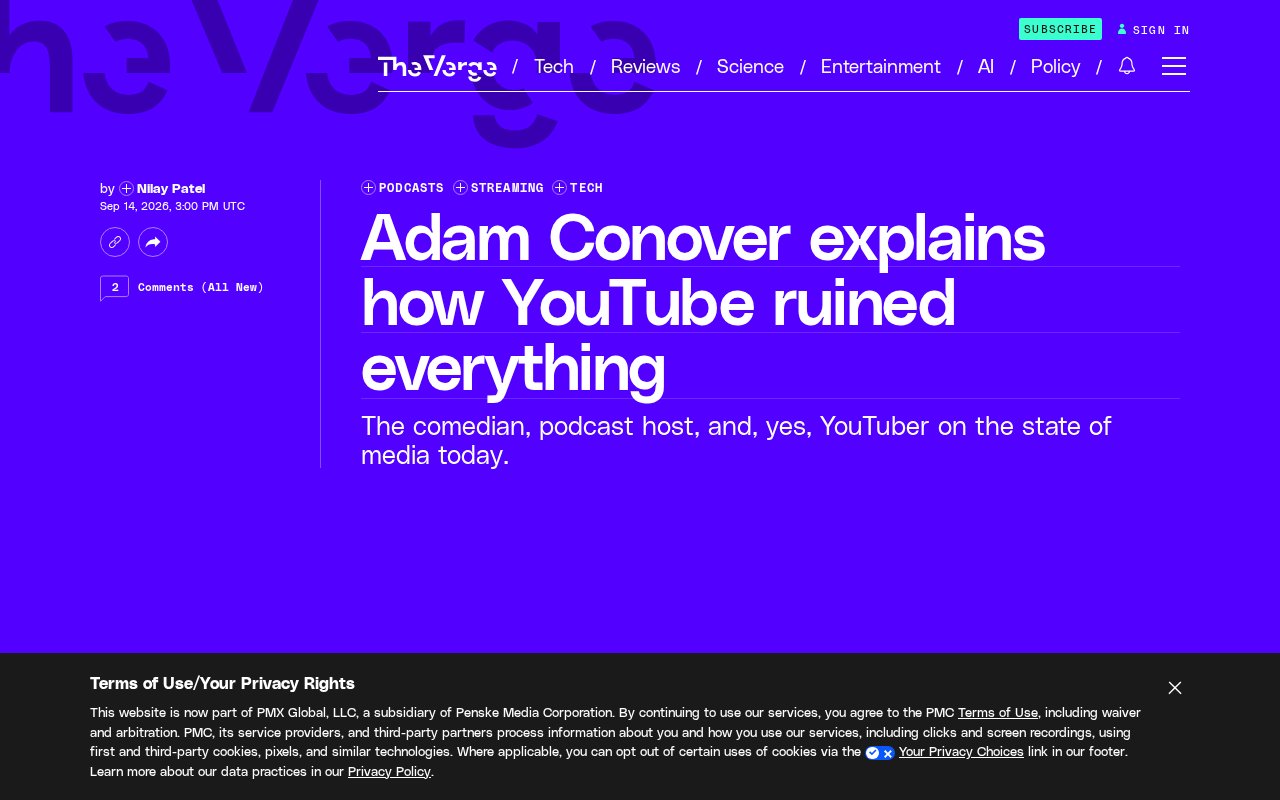
Adam Conover critiques how algorithm-driven platforms have fundamentally restructured content creation and creator livelihoods.
Using comedian and YouTuber Adam Conover's career as a lens, this article traces the evolution of digital content from aggregator sites and cable TV to streaming and YouTube. The core argument is that recommendation algorithms have replaced editorial judgment as the deciding force in content visibility, compelling creators to optimize for clicks and watch time. This structural shift exposes a central paradox of the creator economy: platforms grant unprecedented audience reach while stripping creators of distribution control. As AI recommendation systems and generative tools proliferate, the trend of algorithms shaping content will only deepen.
From CollegeHumor to YouTube: A Creator's Journey
Comedian, podcast host, and YouTuber Adam Conover is a familiar face to many internet users. His career trajectory reads like a chronicle of the digital content industry itself: he got his start at CollegeHumor — a breeding ground for successful comedy writers — then moved to cable television with the hit show Adam Ruins Everything, followed by a stint on Netflix, and ultimately returned to an independent creator model centered on YouTube.
This path mirrors the dramatic shifts in content distribution over the past decade or so. From aggregator humor sites to traditional television, then streaming giants, and finally open video platforms — each transition has brought with it a reshuffling of the power dynamic between creators and platforms.
How Platforms Have Changed the Logic of Content Creation
Adam Conover's central argument — as suggested by the interview title "YouTube ruined everything" — points to a widely debated proposition: how algorithm-driven platforms have profoundly shaped the form of content, the livelihoods of creators, and the consumption habits of audiences.
When a platform's recommendation algorithm becomes the decisive factor in whether content gets seen at all, creators are forced to tailor their topics, video length, thumbnails, and narrative pacing to algorithmic preferences. This tendency to "create for the algorithm" is restructuring the incentive mechanisms of the entire content industry. The traditional content production pipeline — once governed by editorial judgment and professional production standards — is steadily giving way to a data feedback loop driven by click-through rates and watch time.
For someone like Adam, who has lived through the television, streaming, and video platform eras firsthand, his criticism carries the weight of direct experience. Traditional TV offered stable scheduling and production budgets; streaming brought a subscription-fueled content boom; and YouTube, while dramatically lowering the barrier to entry and unleashing creative energy, also left creators directly exposed to the unpredictability of platform rules.
The Structural Tension Behind the Creator Economy
This conversation cuts to the core contradiction of today's creator economy: platforms are simultaneously opportunity providers and rule-setters. Creators have gained an unprecedented ability to reach audiences, yet they've lost control over the distribution channels themselves. Ad revenue splits, algorithm changes, and policy shifts — any one of these can directly impact a creator's income and influence.
From an industry perspective, Adam Conover's experiences and criticisms are representative. A growing number of professional creators are rethinking their dependence on any single platform, turning to podcasts, subscription models, and multi-platform distribution as ways to spread their risk. This also explains why Adam maintains multiple identities across comedy, podcasting, and YouTube simultaneously — it's both a creative necessity and a hedge against platform risk.
Implications for the Content Industry
Although this material comes from an interview introduction and hasn't yet developed into a full argument, the questions it raises are worth serious reflection across the industry: when algorithms become the invisible editors of content, does the diversity, depth, and independence of creative work get eroded? And how can creators maintain autonomy within platform ecosystems?
For readers focused on AI and technology, the broader implications are especially pronounced. As AI recommendation systems and generative content tools become increasingly widespread, the trend of "algorithms shaping content" will only intensify. Understanding how platforms influence creation is a critical part of understanding the future media landscape.
Related articles
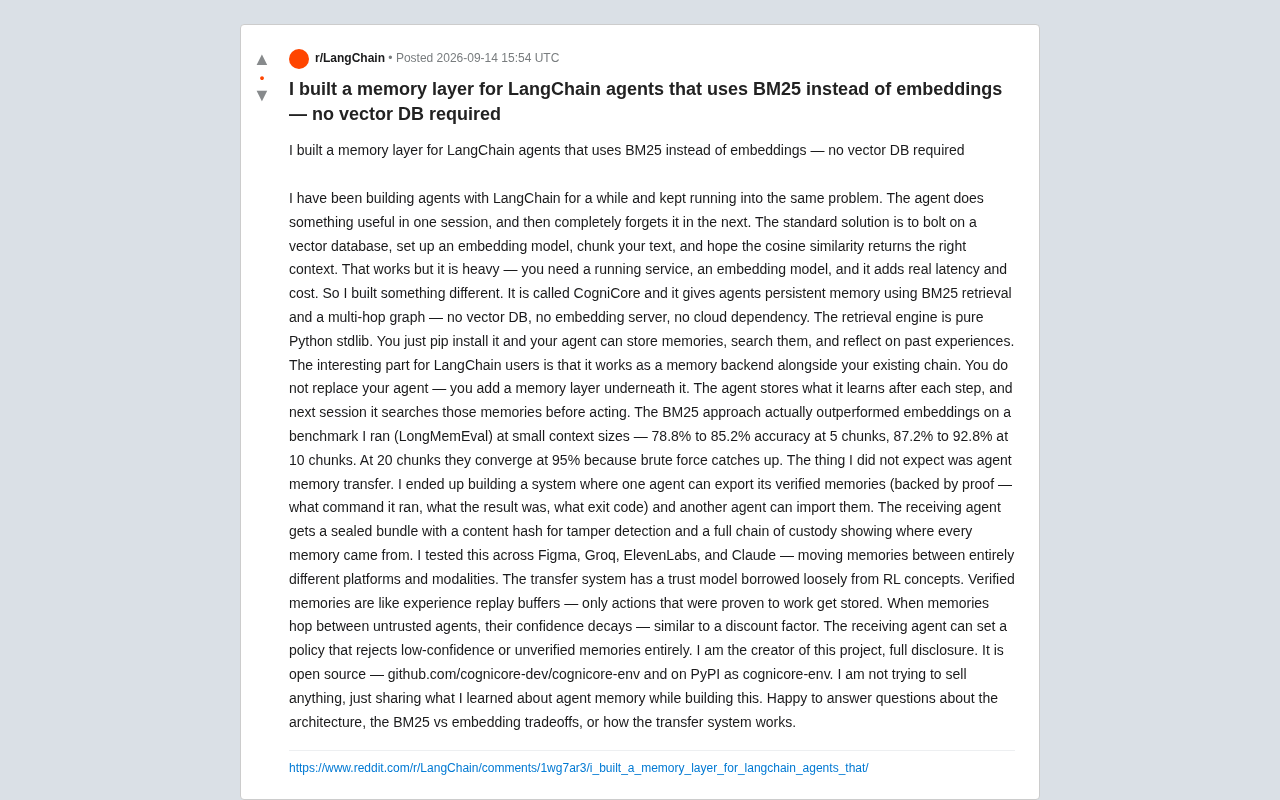
Ditch the Vector Database: Building a Memory Layer for LangChain Agents with BM25
CogniCore replaces vector databases with BM25 retrieval for LangChain agent memory, outperforming embeddings in small-context benchmarks with zero external dependencies.
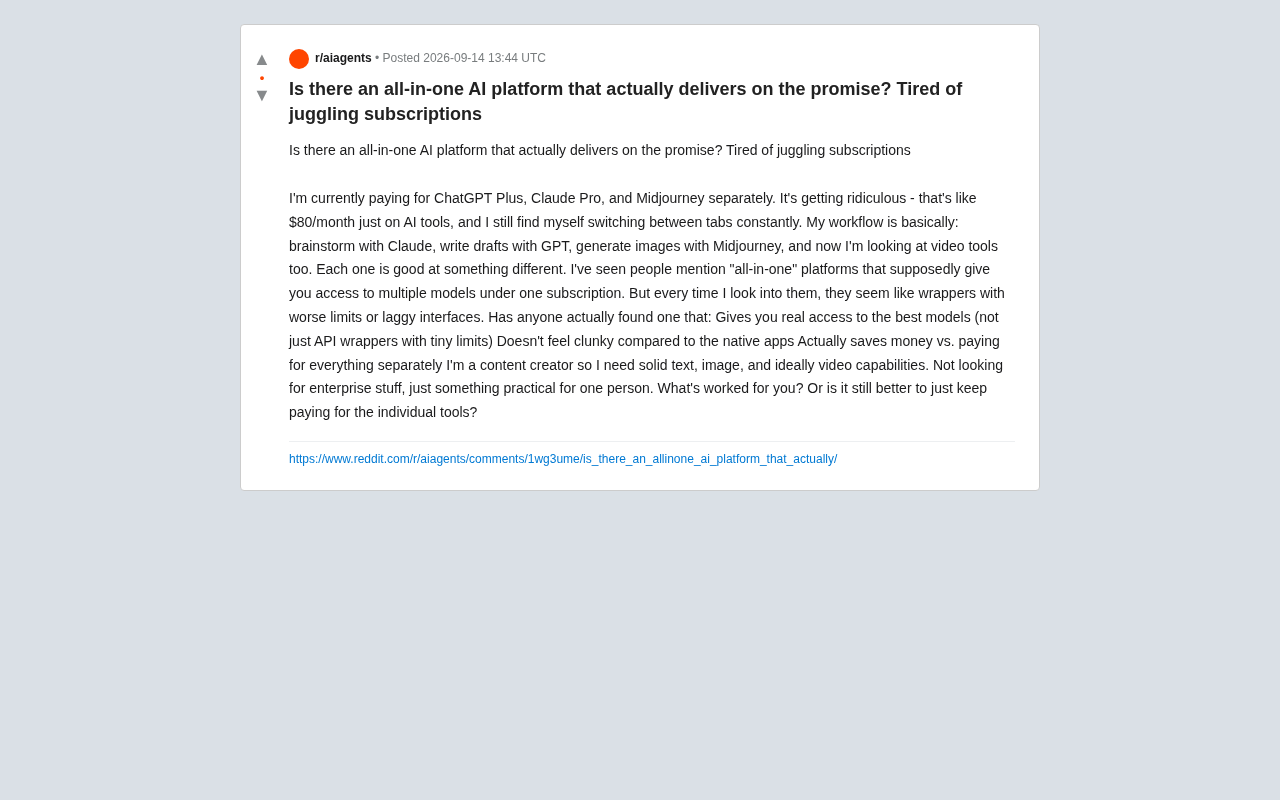
Are All-in-One AI Platforms Actually Worth It? A Practical Guide to Escaping Subscription Overload
Tired of paying for ChatGPT, Claude, and Midjourney separately? We break down whether all-in-one AI platforms are actually worth it — and what a smarter subscription stack looks like.
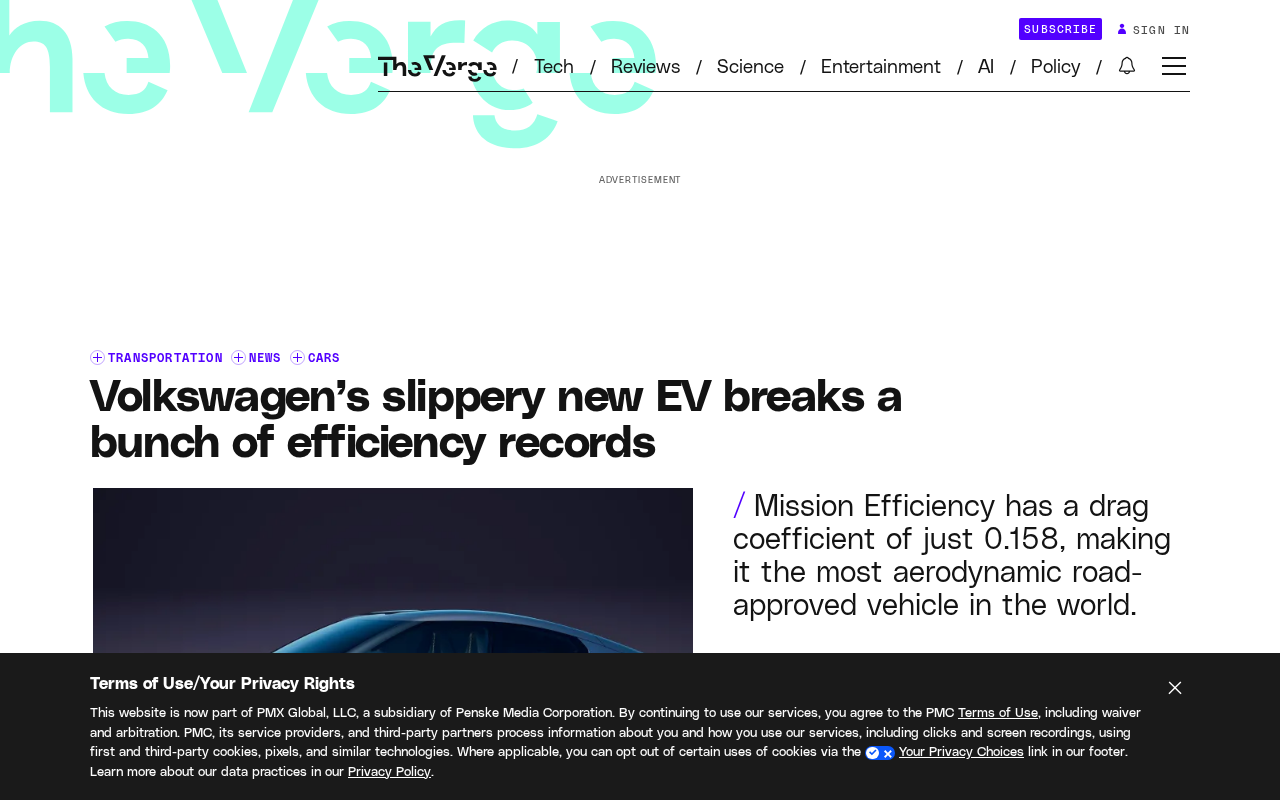
Volkswagen Mission Efficiency: The World's Lowest-Drag EV Breaks Multiple Efficiency Records
Volkswagen's Mission Efficiency prototype claims the world's lowest drag coefficient, built on MEB+ platform with ID. Polo and ID. Cross components. Here's what it means for EV efficiency.