AI Video Generation in Practice: Tutorial on Krea2 Image-to-Image with Minimax Audio-Driven Technology

Learn how to create professional AI videos by combining Krea2 image conversion with Minimax audio-driven tech
A comprehensive guide to AI video creation using Krea2's image-to-image conversion and Minimax H3's REF2VA audio-driven technology. Covers the complete workflow from static images to talking videos, including real-world challenges, tool capabilities, and emerging trends in modular AI content creation.
AI Video Creation Case Study
A creator shared their AI video production experiment on Reddit, demonstrating how to achieve professional-grade results through tool combinations. The project's core utilized two major tools: Krea2's image-to-image conversion functionality and Minimax H3's REF2VA audio-driven technology.
The project's source material came from an audio interview with Paul and Karen on YouTube. Using Minimax H3's REF2VA (Reference Audio to Video Animation) feature, the creator transformed static images into dynamic "talking" videos. This case vividly demonstrates the possibilities of multi-tool collaborative creation.
Core Tools and Technical Analysis
Krea2 Image Conversion Capabilities
Krea2 is a next-generation AI image generation and editing platform. Compared to traditional tools like Stable Diffusion or Midjourney, it focuses on precise image-to-image conversion. Its core advantage lies in controllability—users can maintain the original image's composition, layout, and main elements while changing only the style, texture, or details. This technology is based on the ControlNet architecture of diffusion models, achieving precise image transformation through conditional control.
Krea2's image-to-image functionality is the first step in video creation. It can:
- Generate stylized content based on original images
- Change visual effects while maintaining compositional structure
- Optimize the visual quality of materials like screenshots
In video production workflows, Krea2 is often used as a preprocessing tool, converting low-quality materials into high-quality, stylistically unified visual assets, providing a better foundation for subsequent dynamic generation and ensuring the final output meets the creator's style requirements.
Minimax H3 REF2VA Audio-Driven Technology
Minimax is one of China's leading AI companies, and its H3 model represents the latest advances in audio-driven video generation. REF2VA (Reference Audio to Video Animation) technology solves the most time-consuming aspect of traditional video production: lip synchronization. The technology uses deep learning to analyze acoustic features of audio (phonemes, prosody, emotion), then drives 3D facial models or 2D images to generate corresponding visual animations.
REF2VA is the technical core of this project, achieving:
- Precise synchronization between audio and visuals
- Driving character facial animations based on speech content
- Generating natural talking effects from static images
Compared to early traditional animation production requiring manual keyframing, or rule-based automation approaches, AI-driven methods can generate more natural micro-expressions and secondary movements, dramatically improving realism. This technology is widely applied in virtual anchors, digital characters, digital customer service, multilingual video localization, and marketing videos, significantly lowering the production barrier for audio-visual synchronization.
Creation Process and Practical Experience
Workflow Design
The complete creation process includes:
- Material preparation: Obtaining audio from platforms like YouTube
- Image processing: Using Krea2 to optimize and stylize visual materials
- Audio driving: Generating synchronized video through Minimax REF2VA
- Post-production adjustments: Adding additional elements or effects as needed
Real Challenges in Creation
While AI tools have dramatically lowered the technical barrier to video production, complete projects still require significant time and energy investment. The creator admitted that they originally planned to include a "stay calm" clip with Thor playing Michael at the end, but ultimately abandoned it due to time and energy constraints. This detail reflects the reality of AI video creation:
- Tools are powerful, but complete projects still require time investment
- Multi-step coordination requires sustained execution
- Parameter adjustment and material preparation cannot be ignored
This experience reveals several real issues: material preparation (finding suitable audio/images), parameter tuning (each tool has a learning curve), multiple iterations (first generations are rarely perfect), and creative fatigue. Based on community-shared experiences, a 3-5 minute AI video project typically requires 5-15 hours of actual work time. There are also economic costs: most professional AI tools use subscription models (monthly fees of $10-50) or usage-based billing. Therefore, 'AI automation' doesn't mean 'zero cost'—rather, it shifts costs from professional skill barriers to time management and tool subscriptions.
Development Trends in AI Video Generation
Modular Creation Becoming Mainstream
The current AI creation tool market shows a clear trend toward professional specialization, similar to the microservices architecture philosophy in software engineering. Unlike platforms like Sora or Runway that attempt to provide end-to-end solutions, more tools are choosing to focus on single functions: image generation (Midjourney), image editing (Krea2), audio driving (Minimax), video enhancement (Topaz), etc.
Current AI video tools show clear trends:
- Tool specialization: Each tool focuses on specific functions (image processing, audio driving, etc.), achieving excellence in vertical domains
- Flexible combinations: Creators freely assemble tool chains according to their needs, avoiding the functional limitations of single platforms
- Lower barriers: Ordinary users can achieve professional-grade results
The challenges of this ecosystem lie in data format compatibility between tools, cumulative learning costs, and workflow management complexity. A possible future direction is workflow automation platforms (similar to ComfyUI) that connect multiple professional tools into reusable process templates.
Community-Driven Knowledge Dissemination
Experience sharing on platforms like Reddit is:
- Accelerating the spread of best practices
- Shortening the learning curve for beginners
- Promoting innovation in tool combinations
Future Outlook
As AI video generation technology continues to iterate, we will see:
- Smarter tool integration solutions
- Lower technical usage barriers
- More possibilities for creative expression
This case proves that through reasonable tool combinations and clear workflows, individual creators can independently complete video projects that previously required professional teams. For individual creators, the key is evaluating return on investment and choosing the tool combination that best fits their needs and budget. AI is redefining the boundaries of content creation.
Related articles
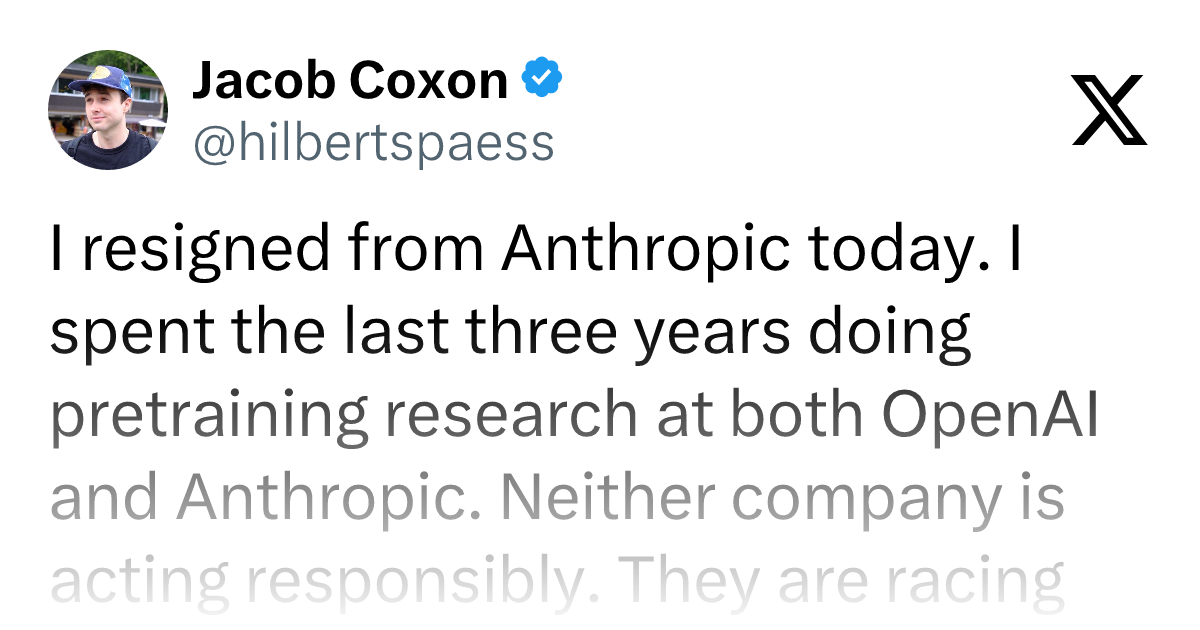
Comparing AI Safety Approaches: OpenAI vs. Anthropic
A deep dive comparing OpenAI and Anthropic's AI safety strategies: rapid iteration vs. cautious deployment, Constitutional AI, and industry divergence under regulatory pressure.
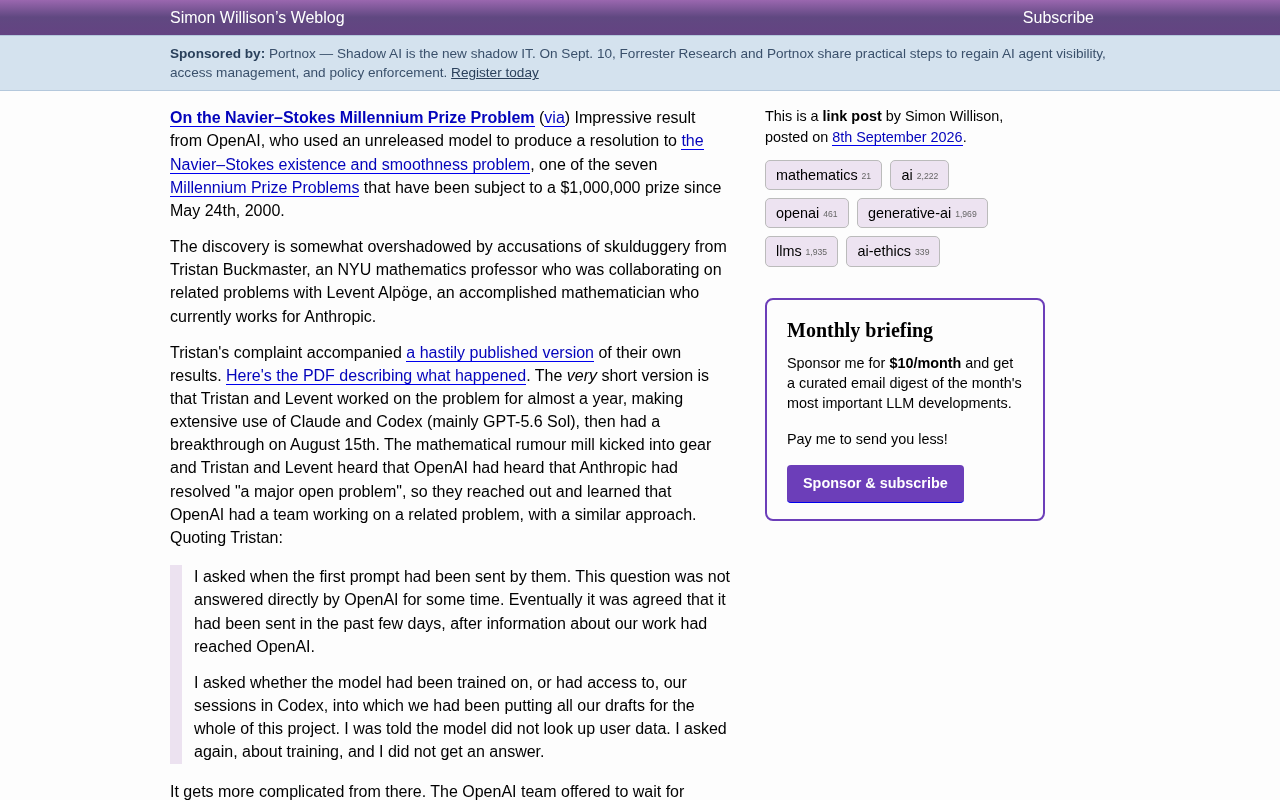
OpenAI's Millennium Problem Controversy: Where Are the Boundaries of AI Training Data?
OpenAI claims breakthrough on Navier-Stokes millennium problem, sparking data ethics controversy. Researchers question if models used their conversation data, exposing conflicts between academic priority and data privacy in the AI era.

AI Model Distillation Explained: Global Competition and Compliance Boundaries
Deep dive into AI model distillation: principles, applications, and controversies. Explore how knowledge distillation reduces training costs while navigating service terms and IP protection challenges in the global AI race.