Akai Embraces Vibe Coding: A New Era for Open-Source MPC Modding
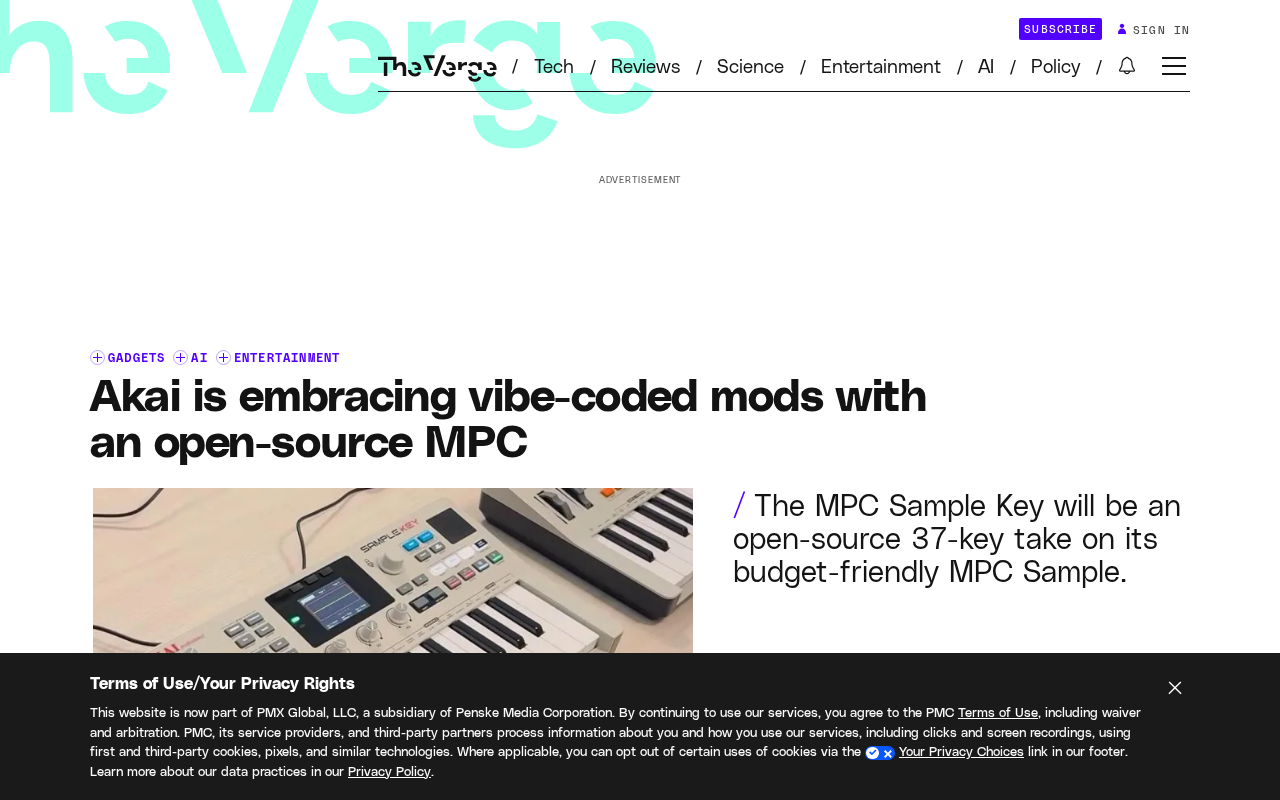
Akai pre-installs open-source firmware on the unreleased MPC Sample Key and uses vibe coding to lower the modding barrier, redefining manufacturer-community relations.
Akai is shipping open-source firmware on its unreleased MPC Sample Key, giving hackers and custom firmware developers early access while showcasing community mods through vibe coding. This lowers the programming barrier so more musicians can participate in modding, marking a shift by a mainstream hardware maker from closed conservatism to actively embracing the community. Open-source firmware could extend product lifecycles, build third-party ecosystems, and foster brand loyalty, but stability, security, and warranty/support boundaries remain open questions. Akai's "community first, market second" cadence may push more music hardware manufacturers to rethink their firmware openness strategies.
When a Hardware Maker Opens the Back Door
In the traditional hardware industry, manufacturers tend to be conservative about third-party firmware, often using encryption and warranty terms to lock modding enthusiasts out. Akai took a different path: its yet-to-be-officially-released MPC Sample Key will ship with open-source firmware and has already been handed to hackers and custom firmware developers for exploration ahead of launch. According to RSS sources, Akai is showcasing community-built modding projects through "vibe coding," signaling that the relationship between manufacturers and users is being redefined.
Open-source firmware is not a brand-new concept in music hardware, but a mainstream manufacturer actively pushing it on an unreleased product is still rare. Akai's move sends a signal: rather than letting the community reverse-engineer the device after it ships, it's better to build modding capability into the product ecosystem from the start.
Open-source firmware refers to a hardware device's underlying system software being published as source code, allowing anyone to view, modify, and redistribute it. In music hardware, there are precedents—Elektron's Machinedrum and Monomachine spawned unofficial firmware through community reverse engineering, and some Mutable Instruments modules are known for open-source hardware. However, a mainstream manufacturer proactively pre-installing open-source firmware on an unreleased product and inviting the community in is genuinely rare. Traditionally, manufacturers worry that open-sourcing erodes differentiation, increases support burden, and can even be used to bypass paid features. Akai breaks with this convention, and the logic behind it is: rather than letting the community reverse-engineer the device after release, fold modding capability into the official ecosystem—turning potential "adversaries" into co-builders.
Vibe Coding: Lowering the Barrier to Modding
"Vibe coding" refers to an AI-assisted programming approach where you describe intent in natural language and a model generates runnable code. It lowers the barrier to writing code, letting musicians without deep programming backgrounds try modifying device behavior. For a sampler and beat workstation like the MPC, mods might involve UI tweaks, workflow customization, or even adding new audio-processing logic.
Akai's choice to embrace vibe coding at this moment reflects recognition of the developer community's creativity. When modding no longer requires grinding through a thick SDK manual but can start with a description like "I want a faster slicing workflow," the participant base expands significantly. This model also lets the manufacturer observe at low cost which modding directions users truly need, providing reference for subsequent official feature iterations.
That said, code quality from vibe coding varies widely, and the stability and security challenges of open-source firmware won't disappear just because of AI assistance. How Akai balances openness and quality control will be key to whether this strategy can be sustained.
MPC (Music Production Center) is Akai's classic sampler and beat workstation series, integrating sampling, sequencing, drum machine, and effects processing, widely used in hip-hop, electronic dance music, and other production scenarios. The MPC series has long had an active modding community; earlier models like the MPC2500 and MPC1000 ran third-party systems (such as JJOS) that unlocked features not offered by official firmware. The MPC Sample Key, as a new member of the series, is said to be positioned as a portable sampling key device, though specific specs haven't been announced. If open-source firmware is deeply integrated with the MPC's hardware architecture, it means the community can customize sampling workflows, UI layouts, and even audio-processing algorithms—continuing the MPC series' tradition of "hardware as a platform."
Industry Implications of Open Firmware
Seen against the broader industry backdrop, Akai's move reflects a shift in how hardware manufacturers perceive community value. Open-source firmware means users can continue receiving feature updates after a device's lifecycle ends, and that third-party developers can build plugin and tool ecosystems around the device. For manufacturers, this extends a product's market longevity and builds differentiated brand loyalty.
According to the same source, the MPC Sample Key has not yet been officially released, and Akai's choice to let the community access the device before launch suggests it wants modding projects to debut alongside the first release. This "community first, market second" cadence is completely different from the traditional hardware launch process.
Risks exist as well. Open-source firmware could be used to circumvent official feature limitations and may spark boundary disputes over warranty and support. Akai has not yet disclosed specific open-source license terms or community collaboration mechanisms; these details will determine whether the openness is symbolic or substantive.
The Next Battleground for the Modding Community
From a broader perspective, Akai's decision may prompt more music hardware manufacturers to re-examine their firmware strategies. When a mainstream brand proves that open-source firmware can coexist with commercial interests, followers' concerns will ease. For developers, an officially endorsed open-source MPC means their mods have a chance to reach more users rather than remaining personal experiments.
The combination of vibe coding and open-source hardware points to a new model of product co-creation: the manufacturer provides hardware and base firmware, while the community uses AI-assisted tools to rapidly iterate on the upper-layer experience. Whether this model works on the MPC Sample Key will depend on Akai's follow-through on community operations and technical support. Currently available information is limited; the product's official specs and open-source details await official announcement.
Related articles
Ollama+RAG Local Knowledge Base Setup: A Step-by-Step AnythingLLM Tutorial
Based on a Bilibili tutorial, this guide details building a local RAG knowledge base with Ollama + AnythingLLM: from general LLM knowledge limits and RAG principles to document upload, vector storage, and verification.
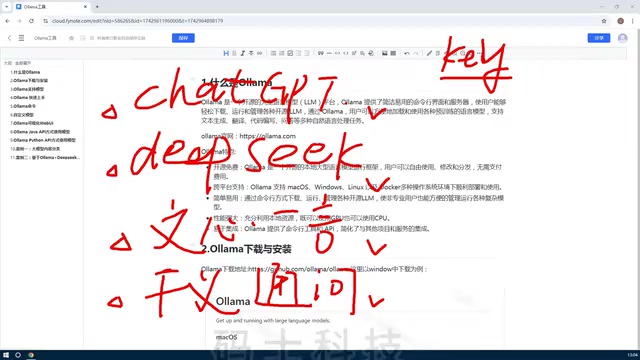
The Ultimate Ollama Tutorial: A Beginner's Guide to Running Large Models Locally for Free
Ollama is an open-source local large model management tool supporting free download and deployment of models like DeepSeek, with command-line and Web UI, cross-platform, automatic GPU/CPU scheduling — ideal for AI beginners and private deployment.
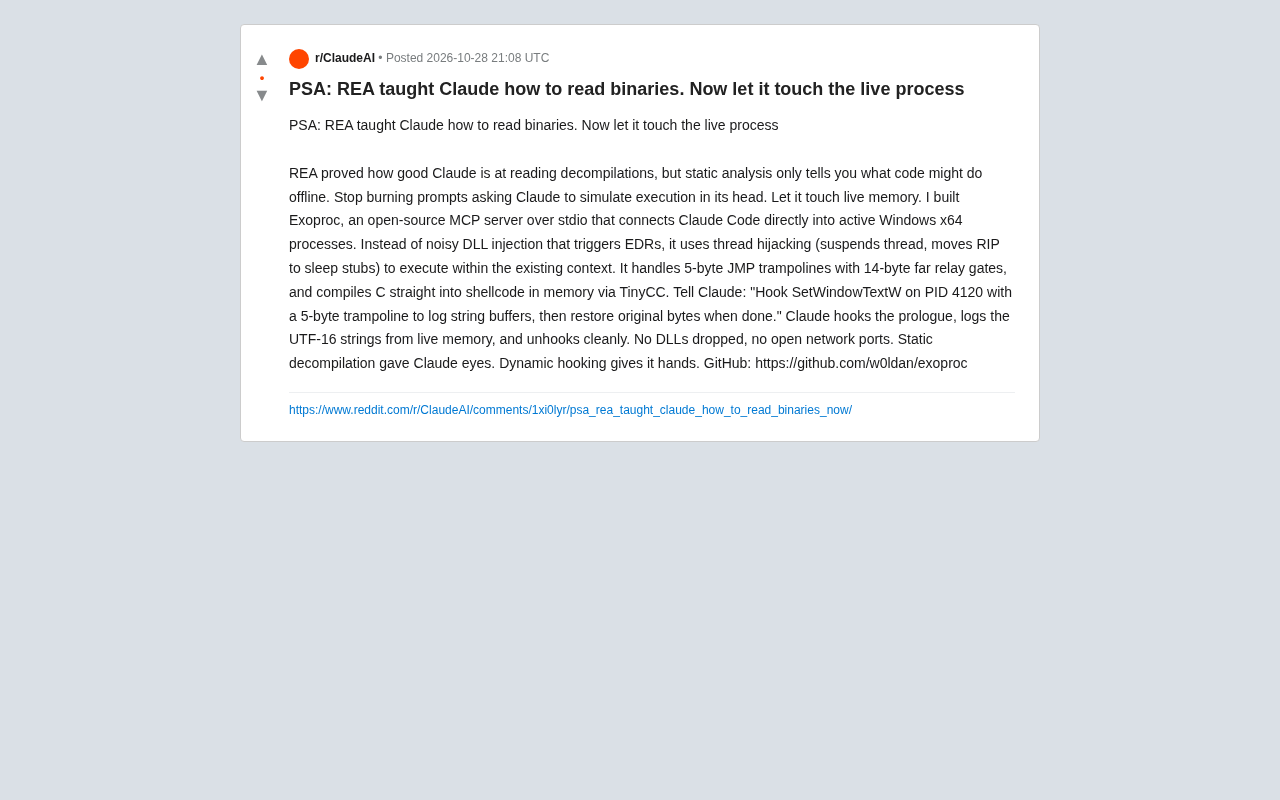
Giving Claude "Hands": Exoproc Open-Source MCP Server Enables Live Process Hooking
Exoproc is an open-source MCP server enabling Claude Code to hook live Windows x64 processes via thread hijacking, bypassing EDR for dynamic analysis. Static decompilation gave Claude eyes; dynamic hooking gives it hands.