Apple Reportedly Working on Two iPhone Game Controllers Under the Beats Brand
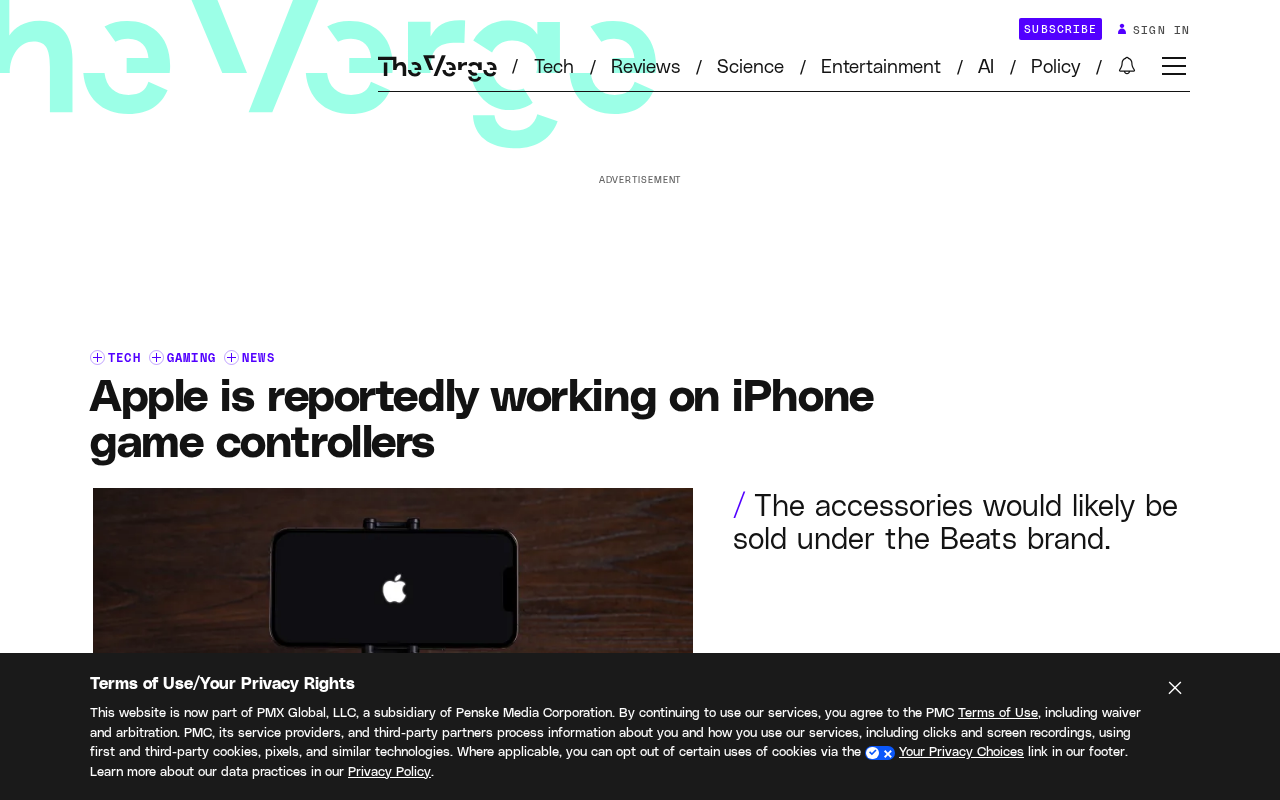
Apple is reportedly developing two Beats-branded iPhone game controllers, backed by clues found in macOS code.
Bloomberg reporter Mark Gurman says Apple is developing two iPhone game controllers likely to be sold under the Beats brand, a rumor corroborated by MacRumors finding first-party device references in macOS 26.7 code. Choosing Beats over the Apple main brand fits Apple's long-standing tiered brand strategy — Beats targets younger, more value-conscious consumers with greater pricing and design flexibility. If the products launch, they could deliver a more unified input solution for Apple Arcade and the broader iOS gaming ecosystem.
Bloomberg's well-known reporter Mark Gurman has revealed that Apple is developing two game controllers for the iPhone, likely to be sold under the Beats brand. This report adds substantial new weight to longstanding rumors about Apple's gaming hardware ambitions, and once again puts the spotlight on Apple's broader gaming strategy.
The Source of the Rumors and Code-Level Clues
Speculation about Apple entering the game controller market is nothing new — these rumors have circulated for quite some time. What makes them more credible now is a recent discovery buried in code.
Last week, MacRumors reported finding two references to game controllers in the macOS 26.7 system code, with both devices labeled as Apple first-party products. This means they aren't compatibility adaptations for third-party accessories, but products designed and manufactured by Apple itself.
Code-level traces are often one of the most reliable early signals of unreleased Apple products. Systems need to reserve drivers, identification, and compatibility interfaces for hardware — all of which can appear in beta code long before an official launch. The first-party designation further strengthens the case that Apple is indeed building its own game controllers.
Why the Beats Brand?
One particularly interesting detail in Gurman's report is that these two controllers may not carry the Apple name directly, but instead be sold under the Beats brand.
This strategy aligns with Apple's long-established product line logic. Beats, the audio sub-brand Apple acquired, has consistently served a younger demographic that values style and affordability over premium positioning. Compared to Apple-branded products, Beats has far more flexibility in terms of pricing and design language.
Placing game controllers under Beats avoids diluting the Apple main brand's positioning, while leveraging Beats' existing market recognition to quickly enter the accessories space. For a category like game controllers — which skews toward entertainment and mass-market consumption — Beats may simply be a better fit.
Apple acquired Beats Electronics in 2014 for approximately $3 billion, the largest acquisition in Apple's history. Following the purchase, Beats' headphone and speaker product lines were retained and continued to operate independently, forming a differentiated sub-brand within the Apple ecosystem. Beats products typically feature bolder color options, a younger design aesthetic, and price points generally lower than comparable AirPods products. This brand-tiering strategy allows Apple to simultaneously serve high-end users seeking a premium experience (Apple brand) and everyday consumers who prioritize style and value (Beats brand) — without having to compromise within a single brand. As an accessory category with strong competitive and entertainment appeal and relatively high price sensitivity, game controllers fit naturally into the Beats umbrella.
Apple's Gaming Ambitions
Apple developing first-party game controllers reflects a deeper strategic intent to build out the mobile gaming ecosystem. Current gaming experiences on iPhone and iPad rely heavily on touch controls, and while third-party controllers exist, they've always fallen short on system-level integration and consistency.
If Apple launches official controllers, they could provide a more unified input solution for the Apple Arcade subscription service, large-scale iOS games, and even gaming on Apple TV. Deep hardware-software integration is, after all, one of Apple's signature strengths.
That said, it's worth noting that all of this information remains at the rumor and code-clue stage — Apple has not officially confirmed anything. The specific product form, release timeline, and pricing are all unknown, and details could still change before any official announcement.
Apple Arcade is Apple's gaming subscription service launched in 2019, offering unlimited access to a curated library of games for a fixed monthly fee, with no additional in-app purchases and support across iPhone, iPad, Mac, and Apple TV. The service emphasizes exclusive content and high-quality gaming experiences, distinguishing itself from the freemium model prevalent on the App Store. However, because iOS touch controls are inherently ill-suited for action games, shooters, and other genres requiring precise input, Apple Arcade has consistently struggled to attract hardcore gamers. If Apple releases natively optimized first-party controllers, it would directly bridge the experience gap between hardware controls and the subscription service, injecting new appeal into Apple Arcade and potentially encouraging more developers to optimize their games for controller input.
Conclusion
From Gurman's report to MacRumors' code findings, multiple threads are slowly forming a picture of Apple entering the game controller market. Two devices, the Beats brand, and a first-party designation make up the three key data points known so far. For gamers and Apple ecosystem users alike, this development is worth watching closely — particularly for the potential it holds to meaningfully elevate the mobile gaming experience overall.
Related articles
Waymo AI Team to Host AMA: Focusing on Foundation Models and Autonomous Driving Simulation
Waymo's AI technical leads are hosting an AMA on Reddit's r/MachineLearning, covering foundation models, large-scale simulation, multimodality, and end-to-end autonomous driving architectures.
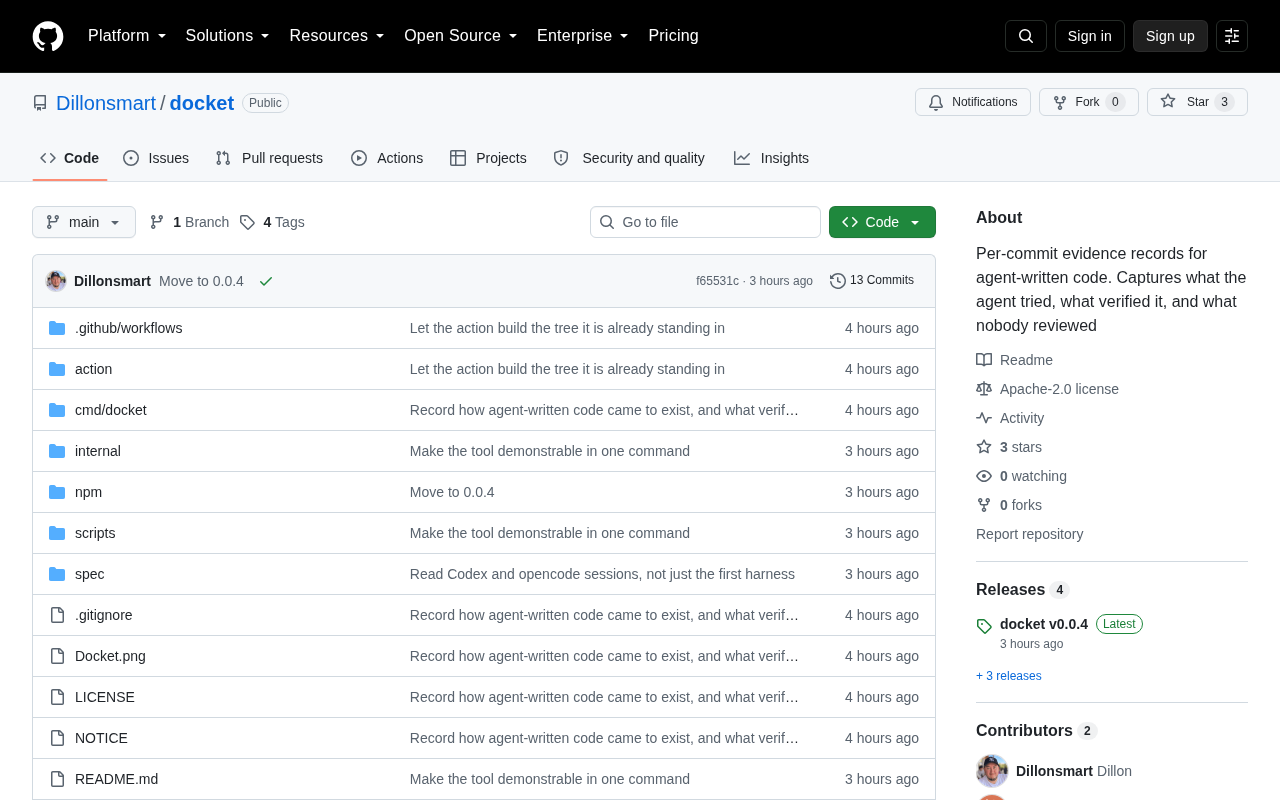
Docket: Building Per-Commit Evidence Trails for AI Agent-Generated Code
Docket builds per-commit evidence trails for AI agent-generated code, making every AI commit traceable, auditable, and verifiable — a pragmatic step in AI coding governance.
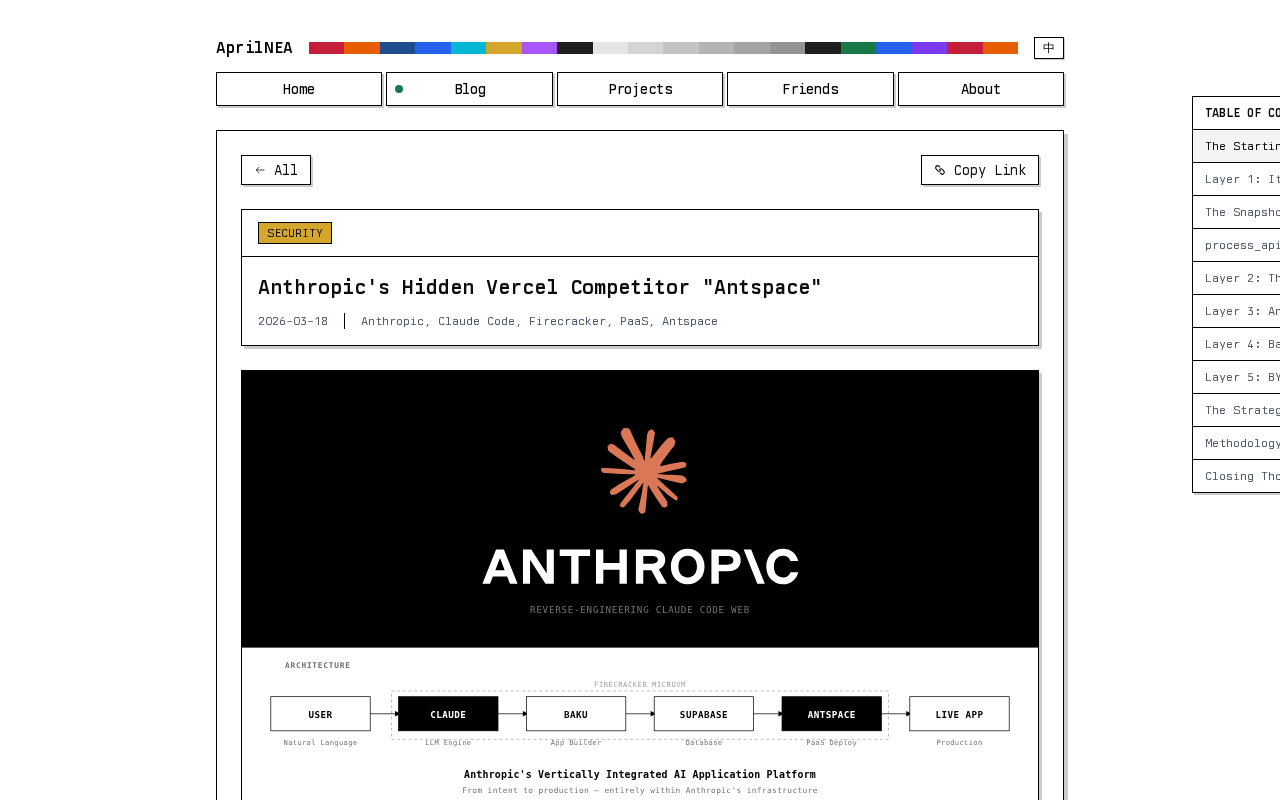
Reverse-Engineering Claude Web's Sandbox: Uncovering Anthropic's Hidden MicroVM
A reverse-engineering analysis of Claude Web's code sandbox reveals Anthropic's likely MicroVM architecture and internal "Antspace" environment, with insights for AI product security.