Apple Revives the Original iPod: A Deep Dive into the Apple Music Easter Egg
Apple Music's 404 page became a virtual original iPod, using a nostalgia Easter egg to drive social buzz.
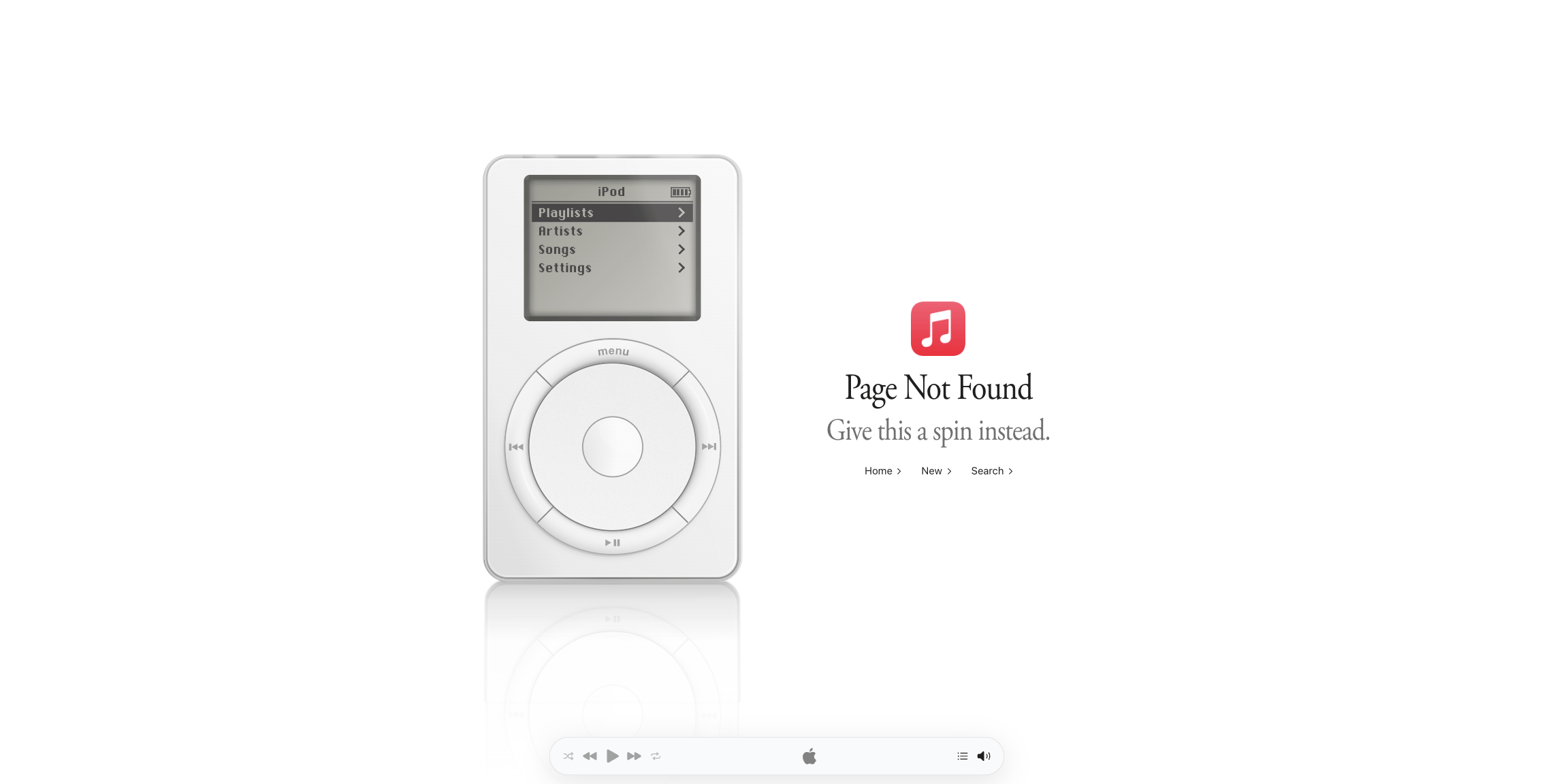
Apple Music's 404 error page was quietly turned into a virtual first-generation iPod, which spread quickly after social media discovery. The web device recreates the 2001 classic's click wheel and black-and-white screen, preloaded with early 2000s tracks like Coldplay's "Viva La Vida." By using the 404 "dead end" as the entry, Apple avoids disrupting the main site while generating zero-cost social buzz and brand exposure—a strategy of differentiating through emotional memory amid homogenized streaming competition.
Apple has once again stirred the tech world's nostalgic nerve with an Easter egg. Recently, users on social media discovered that Apple Music's 404 error page has been quietly transformed into a virtual first-generation iPod—that classic device which once changed the trajectory of the music industry has now reappeared in the public eye as a web Easter egg.
Where the Easter Egg Is and How It Was Discovered
This hidden iPod was first spotted and spread by social media users on Friday, quickly sparking discussion. Visit Apple Music's 404 page (the error page returned when a page doesn't exist), and you'll see a virtual recreation of the original iPod. Its appearance captures the essence of the iconic 2001 device, including the classic click wheel and black-and-white screen.
According to the original report, the music preloaded in this virtual iPod is also thoughtfully chosen, featuring early 2000s tracks such as Coldplay's "Viva La Vida," echoing the era of the device itself. This content pairing makes the Easter egg more than just a visual toy—it carries a clear intent of temporal narrative.
The 404 page is a standard status code in the HTTP protocol, indicating that the server cannot find the resource requested by the user (usually due to a broken link or mistyped address). For most websites, the 404 page is a pure "dead end"—users who land there typically just close the tab. But precisely because of this, it becomes a low-risk, high-freedom design space: it doesn't interfere with the main site's normal flow while still allowing for brand personification. Companies like Apple, GitHub, and Slack have all done interactive designs on their 404 pages. Technically, such Easter eggs are usually rendered by front-end JavaScript without backend changes, making them cheap to launch and remove—which is why Apple can "quietly" swap it in and take it down at any time.
Why the 404 Page?
Putting an Easter egg on the 404 error page is a low-key approach Apple is known for. The 404 page is supposed to be a "dead end" when users hit a broken link, but Apple turned it into an exploration entry point: only those who take a wrong turn stumble upon this surprise. This design doesn't disrupt the main site experience and creates social buzz—discoverers share screenshots, media follow up with coverage, ultimately generating a zero-cost brand exposure.
From a product operations perspective, this is also a step in strengthening Apple Music's "music culture" label. Streaming platform competition is fierce, with libraries and audio quality becoming increasingly homogenized, making emotional memory a point of differentiation. The original iPod carries an entire generation's first experience of digital listening; using it as an Easter egg evokes users' initial goodwill toward Apple's music ecosystem.
The Click Wheel is the most recognizable interactive hardware of the original iPod: a circular touchpad with an outer ring for rotational scrolling through menus, a center button for confirming, and four corners corresponding to menu, previous track, next track, and play/pause. It replaced the earlier mechanical scroll wheel, allowing users to quickly navigate hundreds of songs, and is regarded as an early exemplar of "single-gesture navigation." The click wheel's design, together with the minimalist white body, formed the visual symbol of the iPod and deeply influenced Apple's later interaction philosophy—accomplishing the most operations with the fewest physical controls. Recreating the click wheel in a web Easter egg means developers need to simulate rotational input using mouse or touch events, which is precisely the technical challenge and the fun of this Easter egg at the interaction level.
The Product Logic Behind Nostalgia Marketing
The iPod debuted in 2001 and reshaped the portable music player market with its "1,000 songs in your pocket" pitch, directly paving the way for iTunes and later Apple Music. The hardware line has long been discontinued, but its place in Apple's narrative has never faded.
The choice to recreate the original iPod rather than later models also shows Apple knows which generation carries the most symbolic value. The original design's minimalist appearance and mechanical click wheel remain classic cases in industrial design discussions to this day. Bringing it into the browser is inexpensive yet precisely triggers core users' memory points.
Nostalgia Marketing refers to brands leveraging users' emotional memories of past products, eras, or experiences to build goodwill and drive sharing. Its effectiveness comes from "nostalgic preference": people tend to rate the youth they personally experienced more highly, and related symbols can trigger strong emotional responses. For tech brands, nostalgia also serves a narrative function—repeatedly confirming their historical standing and design legitimacy through early classic products. Apple is a long-time practitioner of this technique: from recreating classic interfaces to launching themed pages on anniversaries, it turns product history into brand equity. However, nostalgia marketing has its limits; overuse can make a brand seem lacking in innovation, so Apple typically confines it to non-core scenarios like Easter eggs and holiday features to keep it low-key.
The Continuation of Easter Egg Culture
This isn't the first time Apple has embedded interactive content in its web pages. From early text Easter eggs to today's virtual devices, such moves often cluster around holidays or product anniversaries. For users, the process of discovery is itself a form of participation; for Apple, it's a low-cost way to keep the brand warm.
At present, the specific entry point and interaction details of this Easter egg are subject to the actual page; interested users can visit Apple Music's 404 page to explore. Note that such Easter eggs are time-sensitive, and Apple may adjust or take them down at any time.
Overall, this virtual iPod Easter egg is a typical piece of Apple-style communication: no keynote, no press release—just a small page tying together nostalgia, design, and music. It may not bring direct revenue, but it reinforces the association between Apple Music and "understanding music" through social sharing.
One-line Summary
Apple Music's 404 page has been turned into a virtual original iPod, using a nostalgia Easter egg to drive social buzz.
Paragraph Summary
Apple Music's 404 error page was quietly transformed into a virtual first-generation iPod, which spread quickly after being discovered by social media users. This web-based device recreates the click wheel and black-and-white screen of the classic 2001 model and preloads early 2000s tracks like Coldplay's "Viva La Vida" to reinforce the sense of era. By choosing the 404 page—a "dead end"—as the entry point, Apple avoids disrupting the main site experience while generating zero-cost social buzz and brand exposure. The article argues that this reflects a strategy of differentiating through emotional memory amid homogenized streaming competition, and is a typical communication move by Apple to continue its Easter egg culture and keep the brand warm.
Related articles

A Single Prompt Triggers a Global PHP Security Storm: Is AI a Savior or a Hidden Risk?
A single AI prompt triggered a global PHP security crisis affecting Wikipedia and the Internet Archive. This article reviews the incident, analyzes the OpenAI-Amazon controversy, and explores the security paradox of lowered vulnerability discovery barriers in the AI era and developer response strategies.

When AI Is Taken Away: How Reliance on Shortcuts Undermines Your Problem-Solving Resilience
A study of 1,222 people found that after using AI to answer questions, once AI was removed, people gave up on more problems than a control group that never used AI. The article analyzes the impact of AI reliance on learning resilience and metacognition, and explores design implications for AI learning tools.

Carta and NewView Partner to Let Startup Employees Cash Out Equity Early
Carta and NewView Capital partner to simplify startup tender offers, helping employees sell equity early. Analysis of the mechanism, liquidity pain points, and impact.