Apple Unifies Privacy Email Domains Under private.icloud.com: A Developer Adaptation Guide
Apple Unifies Privacy Email Domains Un…
Apple is consolidating its privacy email relay domains under private.icloud.com — here's what developers need to update.
Apple will soon migrate all newly generated Sign in with Apple and Hide My Email addresses to the unified domain private.icloud.com, replacing privaterelay.appleid.com and icloud.com respectively. Existing addresses remain functional. Developers and email service providers must update allowlists, validation logic, and routing rules to support the new domain alongside the old ones.
Apple Consolidates Its Privacy Email Domains
Later this summer, Apple will unify the email domains used by two of its major privacy features — Sign in with Apple and the iCloud+ Hide My Email — under a single shared domain: private.icloud.com. Going forward, all newly generated addresses from both features will use this domain.
This may seem like a minor technical tweak, but for developers and email service providers who rely on Apple's authentication ecosystem, it's an important change that requires proactive action. The domain switch directly affects email validation logic, allowlist configurations, and mail routing rules. Failing to adapt in time could cause new user registrations to fail or email delivery to break.
Technical Background on Both Features
Sign in with Apple was announced at WWDC 2019 as Apple's privacy-first alternative to third-party OAuth login systems. It is built on the OpenID Connect protocol, but adds Apple's own privacy layer on top: users can choose to hide their real email address from apps, and the system automatically generates a random relay address. All mail sent to that address is forwarded to the user's real inbox via Apple's servers. This design ensures that app developers never learn the user's actual email address, fundamentally preventing cross-app tracking. Apple also mandated that any iOS app offering third-party login options (such as Google or Facebook) must also offer Sign in with Apple — a policy that quickly made it a foundational piece of identity infrastructure across the iOS ecosystem.
Hide My Email was introduced in 2021 as part of the iCloud+ subscription and is essentially an on-demand disposable email alias system. Users can generate unique, random email addresses for different websites or apps, with all mail relayed through Apple's servers to their real inbox. Compared to Sign in with Apple's relay mechanism, Hide My Email has a broader use case — it doesn't depend on the Apple login flow and can be used anywhere a user needs to provide an email address. Both features share nearly identical underlying technology, relying on Apple's Private Email Relay infrastructure. The domain consolidation is an explicit acknowledgment of that shared foundation.
What's Changing
According to Apple's official documentation, the following changes will take effect once the new domain is live:
- Sign in with Apple: Previously generated relay addresses used the
privaterelay.appleid.comdomain. New addresses will useprivate.icloud.com. - iCloud+ Hide My Email: Previously generated addresses used the
icloud.comdomain. New addresses will also useprivate.icloud.com.
Importantly, existing addresses under the old domains will continue to work normally — mail forwarding will not be interrupted. Apple is taking a smooth transition approach: new addresses get the new domain, while old addresses remain fully functional. Existing users' privacy email addresses will not be invalidated.
Why Apple Is Consolidating the Domains
From a product design perspective, the core goal of this consolidation is to simplify the privacy email architecture. Previously, two functionally similar privacy features operated under different domains, which increased the cognitive overhead for users and required third-party systems to maintain multiple matching rules to identify "Apple privacy relay emails."
Unifying the relay service under the single domain private.icloud.com makes Apple's privacy email system more coherent and consistent. Compared to the more technical-sounding privaterelay.appleid.com, the new private.icloud.com naming is also more intuitive and legible, helping users build trust that they're dealing with an Apple-provided privacy protection address.
This change is consistent with Apple's broader strategy of continuously strengthening privacy protections and refining the user experience around those features. Hide My Email, one of the flagship benefits of an iCloud+ subscription, generates random relay addresses that prevent users' real inboxes from being exposed to apps and websites.
What Developers and Service Providers Need to Do
For technical stakeholders in the ecosystem, this change requires proactive adaptation — failing to act may cause new user registrations to fail or email delivery to break.
Developers Integrating Sign in with Apple
If your app or website uses Sign in with Apple, review and update the following:
- Account systems: Ensure they can correctly store and handle email addresses under the
private.icloud.comdomain. - Email validation logic: Make sure validation rules accept the new domain, not just the old formats.
- Allowlists: Add
private.icloud.comalongside the existingprivaterelay.appleid.comandicloud.comentries.
The key principle here is additive compatibility, not replacement — all three domains must be supported simultaneously, since existing users' old addresses remain valid.
Email Service Providers
Email relay services involve multiple technical layers, including MX records, SMTP routing, and anti-spam systems. When developers send mail to Apple relay addresses, Apple's mail servers act as the intermediary. To prevent abuse, Apple requires developers to register their sending domains ("communication domains") in the Apple Developer portal — mail from unregistered domains will be rejected by Apple's relay service.
For email service providers (ESPs), if your system has any domain-based filtering rules, suppression lists, or routing rules that explicitly enumerate Apple relay domains, you'll need to add private.icloud.com to them. It's worth noting that suppression lists are used by ESPs to track addresses that should no longer receive mail — if the new domain isn't properly recognized, addresses using it could be incorrectly added to the suppression list, causing permanent delivery failures and preventing users from receiving email normally.
Impact Assessment and Adaptation Recommendations
Apple's "new addresses on the new domain, old addresses stay as-is" approach is a classic graceful migration pattern commonly used in large-scale infrastructure transitions. The core logic is to reduce migration risk by keeping the old system fully functional — existing users experience no disruption, new users automatically use the new domain, and over time the new domain's share gradually grows until it fully replaces the old ones. Similar patterns appear throughout internet infrastructure history, from the long IPv4/IPv6 coexistence to the gradual migration from HTTP to HTTPS.
Overall, this is a low-risk technical migration. Because Apple is maintaining full functionality under the old domains, there won't be immediate widespread failures. However, for systems that have hardcoded domain lists, failing to update promptly means newly registered users or newly generated privacy addresses could be rejected or filtered, leading to silent user drop-off.
We recommend that relevant engineering teams complete the following as early as possible:
- Audit all regular expressions and hardcoded strings in your codebase that reference Apple email domains to avoid missing edge cases.
- Simulate registration and delivery flows using
private.icloud.comaddresses in a test environment to verify end-to-end compatibility. - Update anti-spam and anti-abuse rule sets to prevent legitimate privacy relay emails from being misclassified as suspicious traffic.
From a longer-term perspective, this is also a reminder that when integrating third-party login services, developers should favor flexible domain-matching mechanisms over hardcoded domain strings — so they're better positioned to handle similar changes in the future.
Developers can find more detailed technical information in Apple's official Sign in with Apple documentation and the Communicating Using the Private Email Relay Service guide.
Key Takeaways
- Apple will unify Sign in with Apple and Hide My Email under the
private.icloud.comdomain later this summer. - Existing addresses under
privaterelay.appleid.comandicloud.comwill continue to work — only newly generated addresses will use the new domain. - Developers must add
private.icloud.comto their email allowlists and validation logic; do not remove the old domains. - Email service providers should update any domain-based filtering, routing, or suppression list rules to include the new domain.
- Proactively audit and test before the change goes live to avoid silent failures for new users.
Related articles
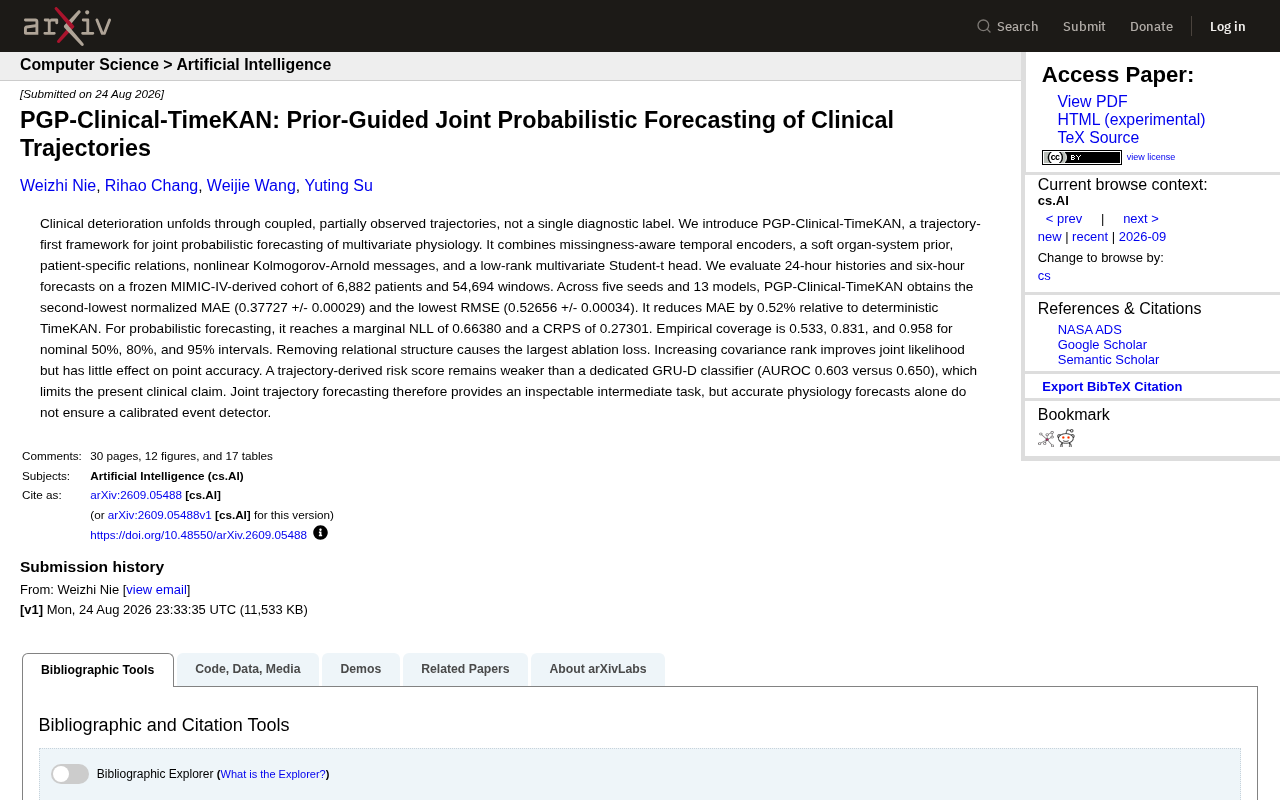
PGP-Clinical-TimeKAN: A Detailed Guide to the Multivariate Physiological Indicator Joint Prediction Framework
An in-depth analysis of the PGP-Clinical-TimeKAN framework for joint probabilistic prediction of multivariate physiological indicators, covering trajectory-first paradigm, KAN message passing, MIMIC-IV validation, and ablation studies.
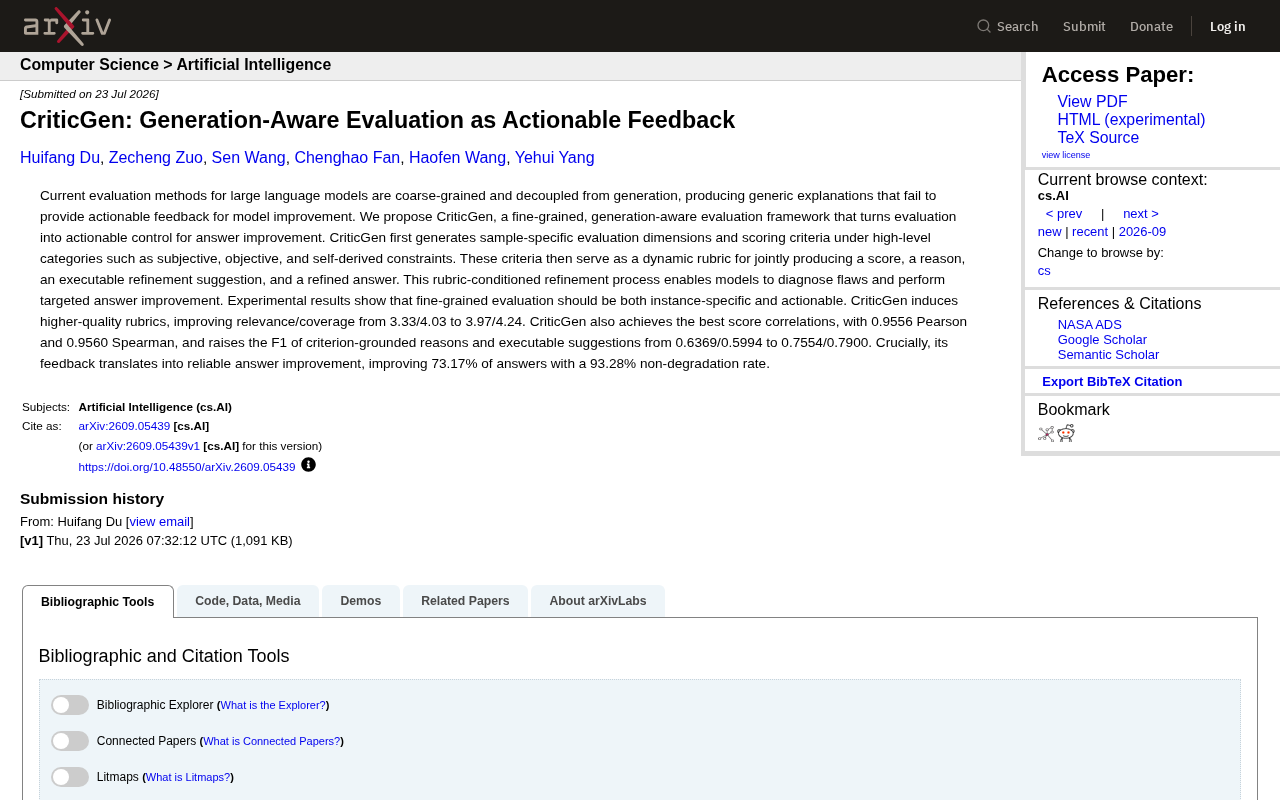
CriticGen: A New Framework That Transforms AI Evaluation into Actionable Improvement Feedback
CriticGen proposes a generation-aware evaluation framework that transforms AI assessment from passive scoring to an active optimization loop, achieving 73.17% answer improvement and 93.28% non-degradation rate.
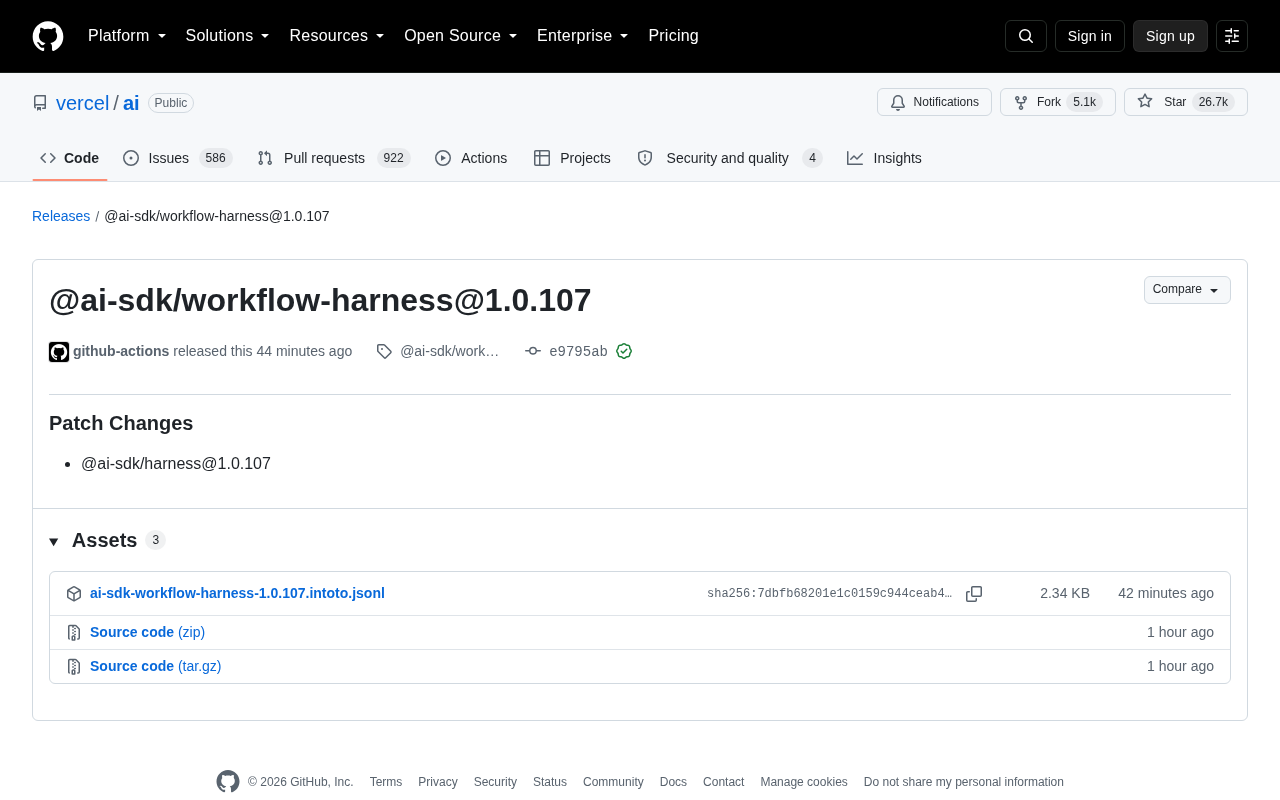
Vercel AI SDK workflow-harness Update Analysis
Deep analysis of Vercel AI SDK workflow-harness 1.0.107 update: architecture design, engineering practices, and developer value for building reliable AI apps.