Astute: The First B2B Creator Marketing Platform with Data-Driven Brand New Media Strategy
Astute brings data-driven creator marketing to B2B brands via monitoring, matching, and automation.
Astute, recently launched on Product Hunt, positions itself as the first creator marketing platform built for B2B brands. It offers a three-step workflow—monitoring brand presence in new media, data-driven matching with creators trusted by target buyers, and automated partnership management. By adapting B2C influencer marketing for B2B's longer decision cycles and higher trust requirements, Astute aims to help enterprise brands leverage "borrowed trust" to reach professional decision-makers through credible channels.
In the B2C marketing world, influencer and creator marketing has long been a standard tactic for brand customer acquisition. By 2024, the global influencer marketing market has exceeded $24 billion, driven by the core logic of leveraging the emotional connection and trust between creators and their followers to shorten the consumer decision path from awareness to purchase. In the B2B space, however, this playbook has remained stuck on the old tracks of traditional advertising, content marketing, and offline conferences. B2B purchasing behavior is fundamentally different from B2C: decision cycles typically span months or even over a year, multiple roles participate in decisions (technical evaluators, procurement leads, final approvers), and individual transaction amounts far exceed consumer goods. These characteristics make B2C creator marketing tactics—such as discount codes, unboxing videos, and limited-time promotions—impossible to directly replicate. Astute, recently launched on Product Hunt, aims to change this landscape—calling itself the "first new media platform for B2B brands," with its entry point being Creator Partnerships.
What Is Astute: A New Approach to B2B Creator Marketing
Astute's core positioning is to help B2B brands build influence in the "new media" environment. By new media, it refers to the communication ecosystem centered around content creators—industry thought leaders on LinkedIn, tech reviewers on YouTube, podcast hosts, and professional content producers across various vertical domains. In the B2B space, LinkedIn is the most critical battleground, with monthly active users exceeding 1 billion. The platform has been actively fostering its creator ecosystem in recent years, rolling out tools like Creator Mode, Newsletter features, and collaborative articles. On YouTube, tech reviews and tutorial content play an increasingly important role in purchasing decisions for SaaS and developer tools. Podcasts are becoming the new darling of B2B content—according to Edison Research, podcast listenership among high-income professionals continues to rise, making it an efficient channel for reaching C-suite decision-makers. Long-form writing platforms like Substack and Medium, along with industry-specific vertical communities (such as Hacker News and Reddit's professional subreddits), also form an important part of this ecosystem.
For B2B companies, their buyers are often decision-makers with professional backgrounds who increasingly prefer to obtain industry insights and purchasing references from trusted creators. Gartner research shows that over 75% of B2B buyers consult third-party content before making purchasing decisions, rather than relying solely on vendor-provided materials. This makes industry creators who have built professional reputations across platforms—sometimes called "B2B KOLs" or "Thought Leaders"—key intermediaries for brands to reach their target audiences. Astute has seized upon this trend, migrating creator marketing methodologies traditionally skewed toward B2C into B2B scenarios, and promoting deeper content collaboration formats such as co-authored white papers, in-depth technical reviews, and industry roundtable discussions.
Based on Product Hunt data, the product received 52 upvotes and 13 comments after launch, ranking 17th for the day, and was categorized under Social Media, Marketing, and Artificial Intelligence.
Astute's Three-Step Product Logic: From Monitoring to Automation
According to official descriptions, Astute's workflow can be summarized in three steps, claiming to be completable "within minutes":
Monitoring Brand Presence in New Media
The first step: Astute monitors a brand's current presence in the new media environment—identifying which creators are talking about your brand, in what context, and with what level of influence. This provides the data foundation for subsequent strategy and gives brands a clear understanding of their "new media assets."
From a technical perspective, this step falls within the domain of Social Listening and Media Monitoring. These technologies capture public content across platforms through API interfaces or web crawlers, then use Natural Language Processing (NLP) to perform sentiment analysis, topic classification, and influence assessment on brand mentions. Traditional brand monitoring tools like Brandwatch, Mention, and Sprout Social primarily target B2C scenarios and have limited coverage in the B2B space—they often struggle to penetrate podcast audio content, LinkedIn's closed ecosystem, or deep discussions in professional forums. If Astute can establish effective data collection capabilities across these core B2B channels, it will form a significant competitive advantage.
Data-Driven Creator Matching Strategy
The second step is building a data-backed collaboration strategy around "creators your buyers trust." This is the key differentiator between Astute and generic influencer matchmaking platforms: rather than simply matching by follower count, it attempts to find creators with high overlap with the target buyer demographic who genuinely possess trust and credibility. For B2B, precision matters far more than breadth of coverage.
Unlike B2C influencer platforms (such as AspireIQ, CreatorIQ, and Grin) that primarily rely on surface-level metrics like follower count, engagement rate, and content category, B2B creator matching must solve more complex problems: How do you determine how many of a creator's audience members are decision-makers at target companies? How do you quantify the abstract concept of "professional trust"? This typically requires cross-analyzing creator audience profile data (job titles, industry, company size), content professional depth scores, and audience interaction quality metrics (such as the proportion of professional discussions in comments rather than simple likes). Some pioneers achieve more precise matching by integrating LinkedIn company and job title data with Ideal Customer Profile (ICP) data from CRM systems. This methodological difference is the core distinction between B2B creator marketing tools and their B2C counterparts.
Automating Creator Partnership Operations
The third step: the platform runs these partnerships in "autopilot" mode. This means that a large volume of repetitive work—from creator screening and outreach to collaboration execution—is automated, freeing marketing teams from tedious operational tasks. This is also the core manifestation of Astute's AI capabilities integrated into the product.
This automation model is not an isolated phenomenon but reflects a broader trend in the Marketing Technology (MarTech) space. According to ChiefMartec, the global number of MarTech products has grown from approximately 150 in 2011 to over 14,000 in 2024, with automation capabilities being a core competitive dimension across tools. In the specific context of creator marketing, automation can cover multiple stages: automatically discovering and screening qualified creators, conducting initial outreach through templated emails and messages, standardized contract and payment management, AI-assisted content review, and real-time tracking and attribution analysis of collaboration performance.
Why Do B2B Brands Need Creator Marketing?
The pain points of B2B marketing lie in long decision chains and high trust barriers. Traditional paid advertising is becoming increasingly inefficient, and buyers typically do their homework on industry communities and professional content platforms before making purchasing decisions. At that point, a single recommendation from a trusted creator may carry far more weight than the brand's own official messaging.
The deeper driving force behind this phenomenon is the rise of the "trust economy." The Edelman Trust Barometer, published annually, consistently shows that trust in traditional advertising is declining globally among both consumers and businesses, while trust in "peer recommendations" and "technical experts" remains high. Forrester Research data further indicates that 68% of B2B buyers prefer to make decisions through independent third-party information sources rather than interacting directly with sales representatives. This "disintermediated trust transfer" is the fundamental driver behind the rise of creator marketing in B2B.
Astute's value proposition is built precisely on this insight: rather than spending heavily on advertising that's difficult to quantify, brands should systematically cultivate relationships with key creators, allowing brand messages to reach real decision-makers through trusted channels. What brands build through creators is not simple exposure but "Borrowed Trust"—far more efficient than building brand trust from scratch, yet placing higher demands on the precision of creator selection. Choosing the wrong creator not only wastes budget but can also damage brand reputation through the reverse effect of trust transfer. This "leveraging trust" model essentially productizes and data-ifies the mature B2C KOL marketing system, with optimizations adapted for B2B's longer decision cycles.
Opportunities and Challenges Facing Astute
As an emerging product, Astute's opportunities are evident—B2B creator marketing remains a relatively blank market with clear first-mover advantages. As B2B content ecosystems on platforms like LinkedIn and professional podcasts mature, brand demand for systematic tools is growing rapidly.
It's worth noting that while Astute claims to be the "first new media platform for B2B brands," the space is not entirely without competitors. Onalytica focuses on B2B influencer identification and relationship management; Traackr offers full-cycle influencer marketing management, with some B2B enterprise clients; LinkedIn's own Campaign Manager is also enhancing creator collaboration features. Additionally, some B2B brands manually manage creator relationships through general-purpose tools like Notion and Airtable, or rely on agencies for execution. Astute's opportunity lies in providing an end-to-end, purpose-built B2B integrated platform that consolidates work currently scattered across multiple tools and manual processes into a single interface.
However, the challenges are equally significant:
- Difficulty of quantifying trust: Determining which creators are "truly trusted by buyers" is no easy task and requires long-term data accumulation and model validation. Translating "trust"—a subjective perception—into computable metrics involves complex audience behavior analysis and multi-dimensional data cross-validation, representing a core technical challenge.
- Balancing automation and effectiveness: B2B partnerships often involve complex relationship maintenance. Whether excessive automation will compromise partnership quality remains to be seen. Creators may resist impersonal, batch communications, while brands also need to maintain human involvement at key touchpoints to ensure content quality and brand safety. Finding the balance between automation efficiency and relationship depth will be a critical challenge in Astute's product iterations.
- Market education costs: Many B2B brands have not yet developed awareness of creator marketing, and Astute will need to invest resources in market education. This means it must not only surpass general-purpose tools in product depth but also outperform specialized agencies in efficiency to prove the value of its standalone product form.
Conclusion: The B2B Creator Marketing Trend Has Arrived
Astute represents a noteworthy direction in B2B marketing—bringing the mature creator marketing paradigm into the enterprise market through AI and data-driven approaches. For B2B brands looking to break through traditional advertising bottlenecks and reach professional buyers in a more authentic and credible way, tools like this offer a new path forward.
As a product that just launched, its actual effectiveness will need time and real customer case studies to validate. But at the very least, Astute clearly points to an emerging trend: in the B2B world, creator influence is becoming increasingly important, and systematically managing creator partnerships will become an essential capability for B2B marketing teams.
Related articles
Personal Reasoning Models: How to Make AI Truly Understand Your Values and Way of Thinking
Explore how to build a personal reasoning model that lets AI reason based on your values and decision preferences. Covers system prompts, RAG, fine-tuning, and the echo chamber risk.
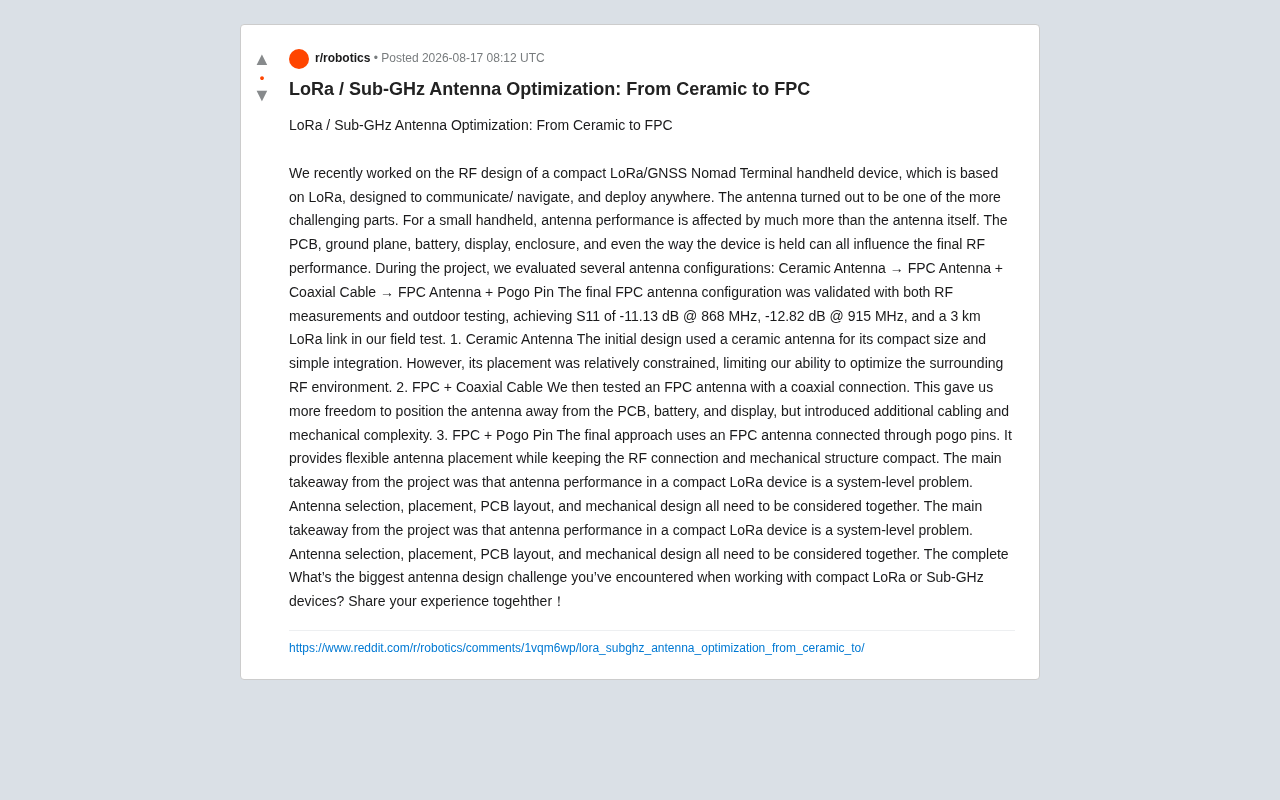
LoRa Handheld Device Antenna Optimization in Practice: Iterating from Ceramic to FPC Antennas
A deep dive into LoRa handheld antenna optimization: from ceramic to FPC antenna + Pogo Pin across three iterations, with S11 return loss data and 3km field testing of compact Sub-GHz RF design.
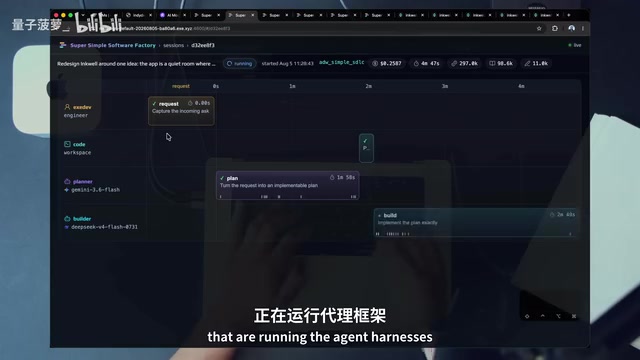
Agent Sandbox in Practice: Boxing Software Factories with Three-Layer Architecture
Deep dive into agent sandbox three-layer orchestration architecture, running multiple software factories in parallel with Best-of-N mode for true isolation, scale, and autonomy. Covers tech stack choices, model layering strategies, and test results analysis.