BiliNote: An Open-Source Tool That Uses AI to Auto-Generate Structured Notes from Videos
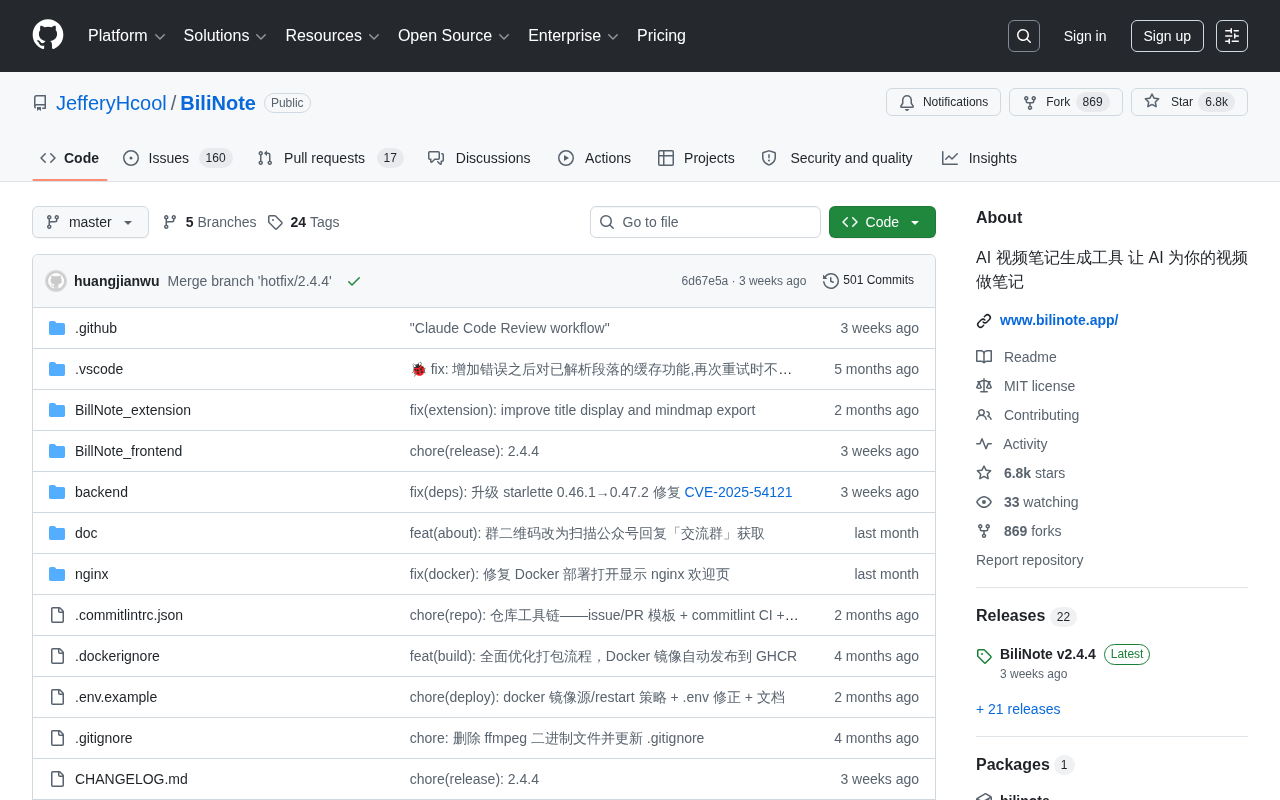
BiliNote is an open-source Python tool that uses ASR and LLMs to turn videos into structured Markdown notes.
BiliNote is an open-source project focused on converting videos into structured notes, with nearly 5,900 GitHub stars. Its core workflow has three steps: acquire video audio or subtitles, transcribe audio to text via ASR, then use an LLM to summarize and structure the transcript into readable Markdown notes. Unlike plain subtitle exports, the AI layer genuinely understands and reorganizes content. The project supports platforms like Bilibili and targets students, content creators, and researchers. As an open-source solution, it supports custom ASR engines and LLMs and can be self-hosted for privacy — though AI-generated content may still contain gaps or errors requiring human review.
An Open-Source Solution for Turning Videos into Notes
Poor learning efficiency from watching videos is a pain point many people share. The genuinely valuable information in long videos is often buried under filler content, and rewatching means constantly scrubbing through the timeline. BiliNote (by author JefferyHcool) is an open-source project built precisely for this scenario — it uses AI to automatically convert video content into structured, readable text notes.
The project has accumulated nearly 5,900 stars and 755 forks on GitHub, with Python as the primary language. For a single-purpose utility tool, this level of traction suggests that video-to-notes conversion is a genuinely widespread and real need.
The Core Problems It Solves
BiliNote's approach isn't complicated, but it addresses several key pain points:
The first is information density. A teaching or presentation video that runs dozens of minutes might only take a few minutes to read once condensed into text. The value of AI-generated notes lies in distilling audio or subtitle content into layered key points, making it easy to quickly search and review.
The second is archiving and reuse. Videos are hard to search and difficult to quote from. Once converted into Markdown or plain text notes, the content can be imported into a personal knowledge base (such as Obsidian or Notion) for long-term retention.
The third is lowering the barrier to entry. From the project name BiliNote, it's reasonable to infer that it has solid support for major Chinese video platforms (such as Bilibili), allowing Chinese-speaking users to process localized video content more smoothly.
How It Works Technically
Although BiliNote is positioned as a utility tool, its technical stack reveals a clear implementation logic. As a Python project, its typical workflow involves several stages:
Video/Audio Acquisition
The tool first needs to obtain the audio track or existing subtitles from a video. For supported platforms, this step is typically handled by parsing the video URL — users simply provide a link.
Speech-to-Text Transcription
If the video lacks existing subtitles, Automatic Speech Recognition (ASR) technology is used to convert the audio into text. This step forms the foundation of the entire pipeline, and transcription quality directly determines the accuracy of the final notes.
AI Content Organization
Once the raw transcript is available, a large language model (LLM) is called to summarize, itemize, and structure the content, ultimately producing a highly readable set of notes. This is the key distinction between "AI video notes" and a simple subtitle export — it's not a mechanical transcription, but a genuine understanding and reorganization of the content.
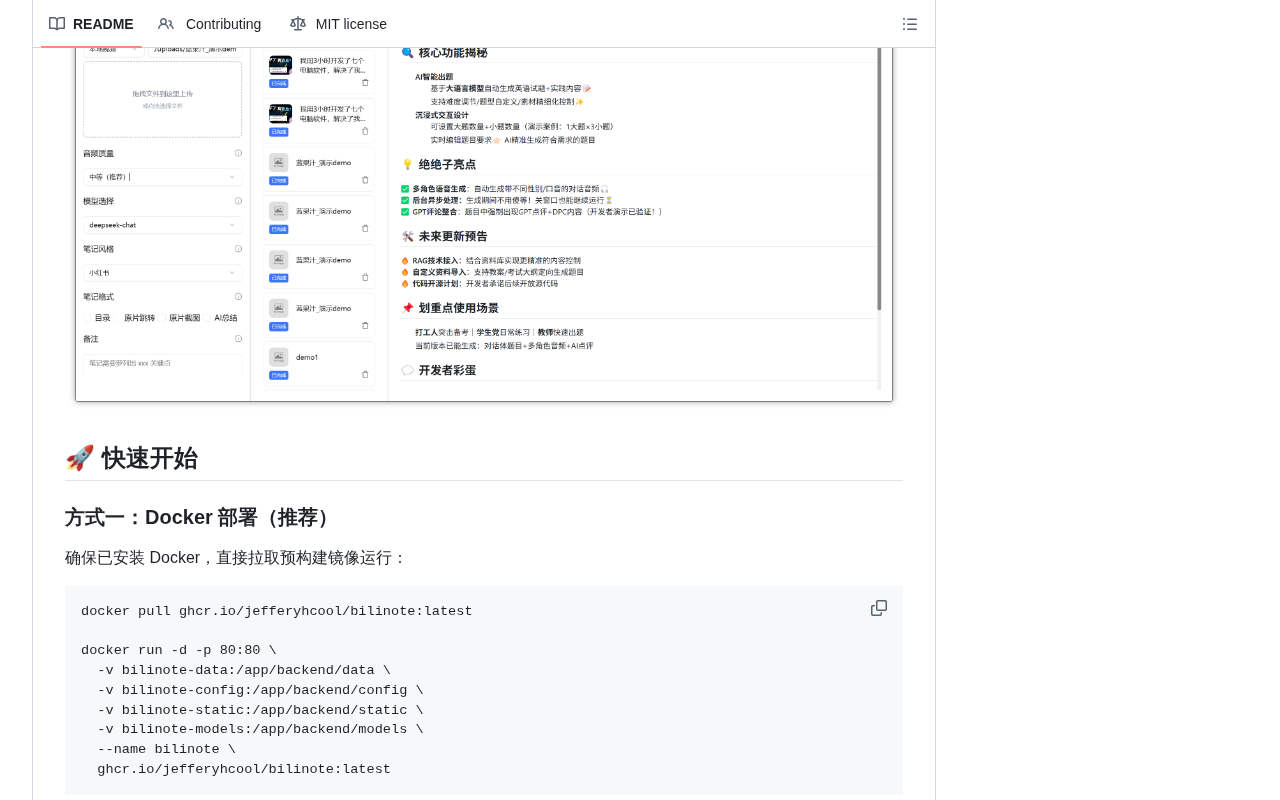
Who Is It For?
The target user profile for tools like BiliNote is fairly well-defined:
- Students and self-learners: Convert online courses and tutorial videos into notes for easier review and reference.
- Content creators: Quickly extract key points from source videos, or generate a written version of their own video content.
- Researchers and information trackers: Those who need to process large volumes of video information and prefer to archive it in text form.
For people who are accustomed to managing knowledge through text, converting videos into notes and integrating them into a personal knowledge management system represents a meaningfully more efficient workflow.
The Value — and Caveats — of an Open-Source Tool
As an open-source project, BiliNote's strengths lie in transparency and customizability. Users can plug in different ASR engines or LLM services based on their own needs, and can self-host the tool to avoid the privacy concerns that come with uploading video content to third-party closed-source services.
That said, a few things are worth keeping in mind: AI-generated notes can still contain omissions or misinterpretations, so it's advisable to manually verify important content; speech recognition is sensitive to dialects, technical jargon, and background noise, all of which can affect transcription quality; and when working with third-party video content, users should be mindful of copyright and platform terms of service.
Summary
BiliNote represents a pragmatic, real-world application at the intersection of AI and knowledge management. Rather than trying to do everything, it goes deep on one specific task — converting videos into structured notes — and has earned solid community recognition as a result. For users who frequently learn through video but struggle to retain and organize that information, this is an open-source tool well worth trying. If you're looking for a way to get more out of video-based learning, head over to the GitHub repository to explore deployment options and supported platforms.
Related articles
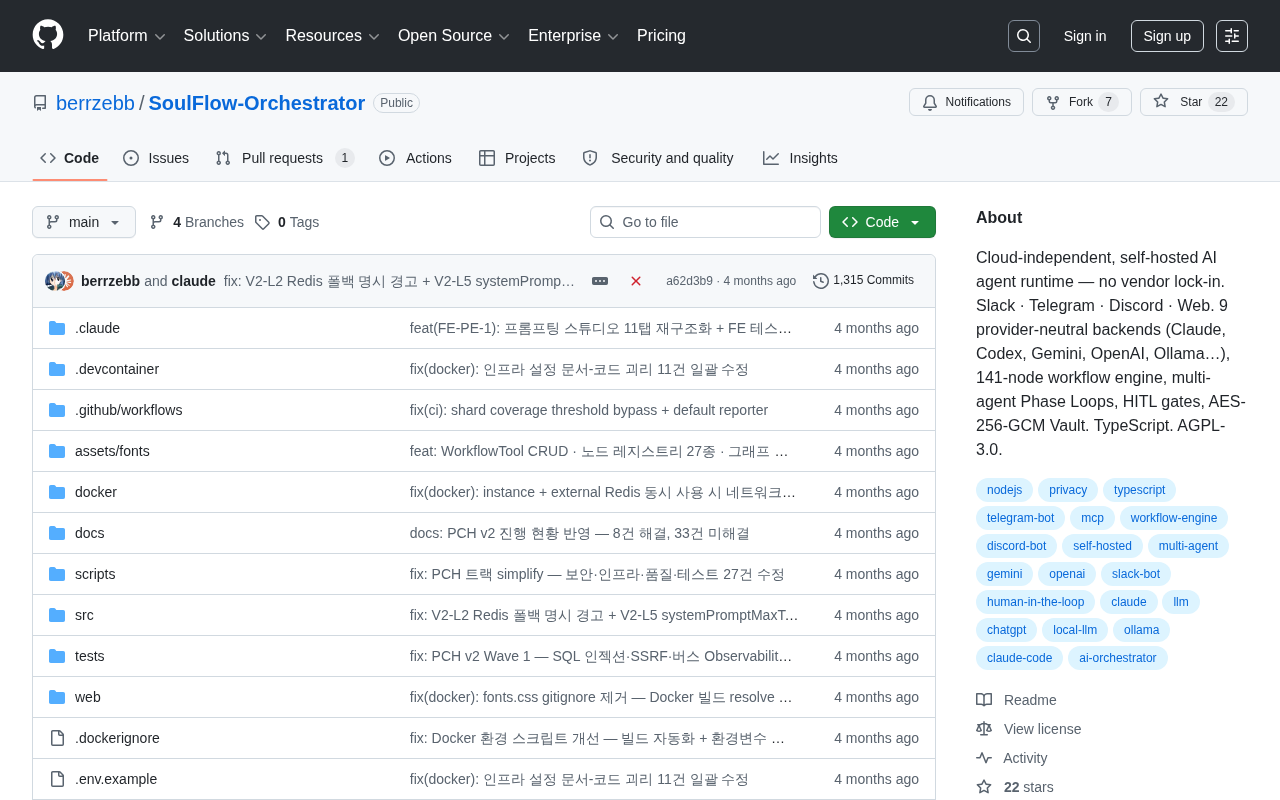
SoulFlow-Orchestrator: A Self-Hosted, Vendor-Lock-In-Free AI Agent Runtime
SoulFlow-Orchestrator is an open-source, self-hosted AI agent runtime with no vendor lock-in. Supports 9 neutral backends (Claude, OpenAI, Ollama), 141-node workflow engine, multi-agent loops, and HITL gates.
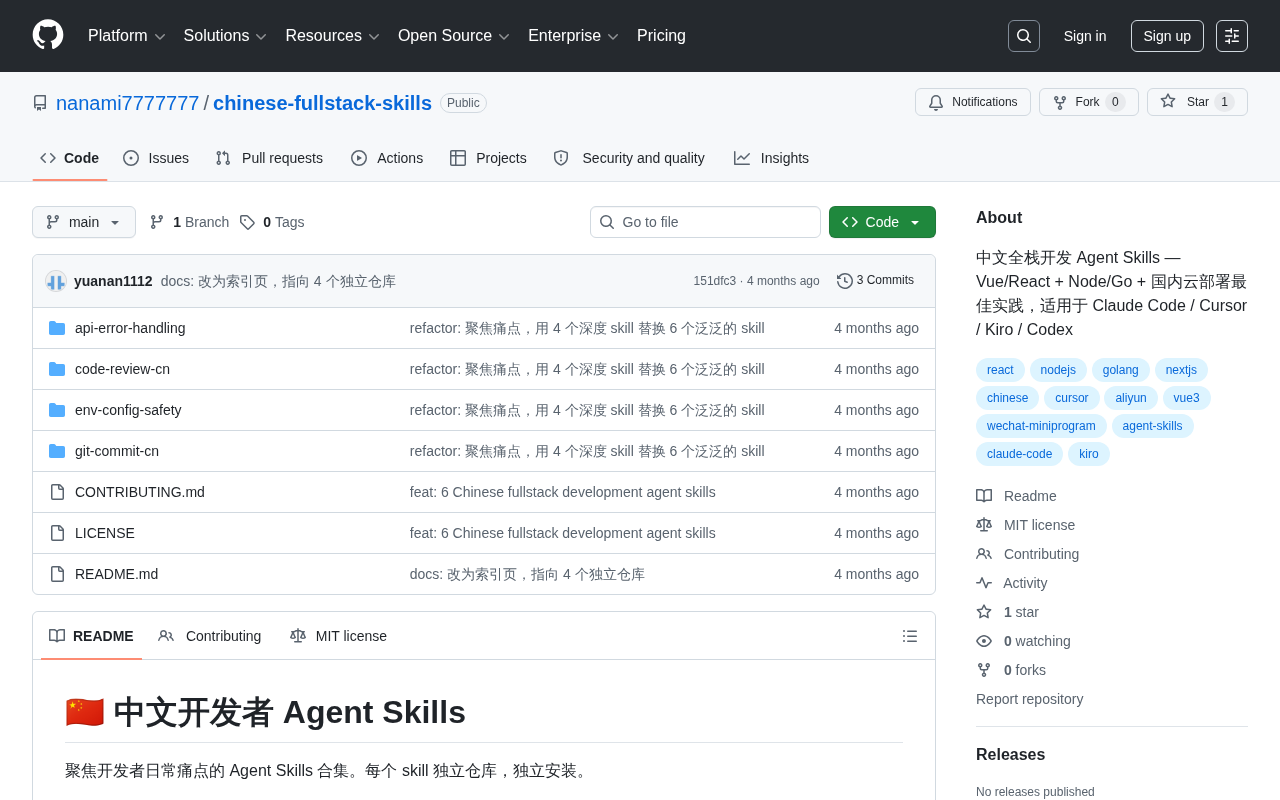
Chinese Full-Stack Agent Skills: A Skill Library Tailored for Domestic AI-Assisted Development
chinese-fullstack-skills is an Agent Skills library for Chinese full-stack development, covering Vue/React, Node/Go, and domestic cloud deployment best practices. Compatible with Claude Code, Cursor, Kiro, and Codex.
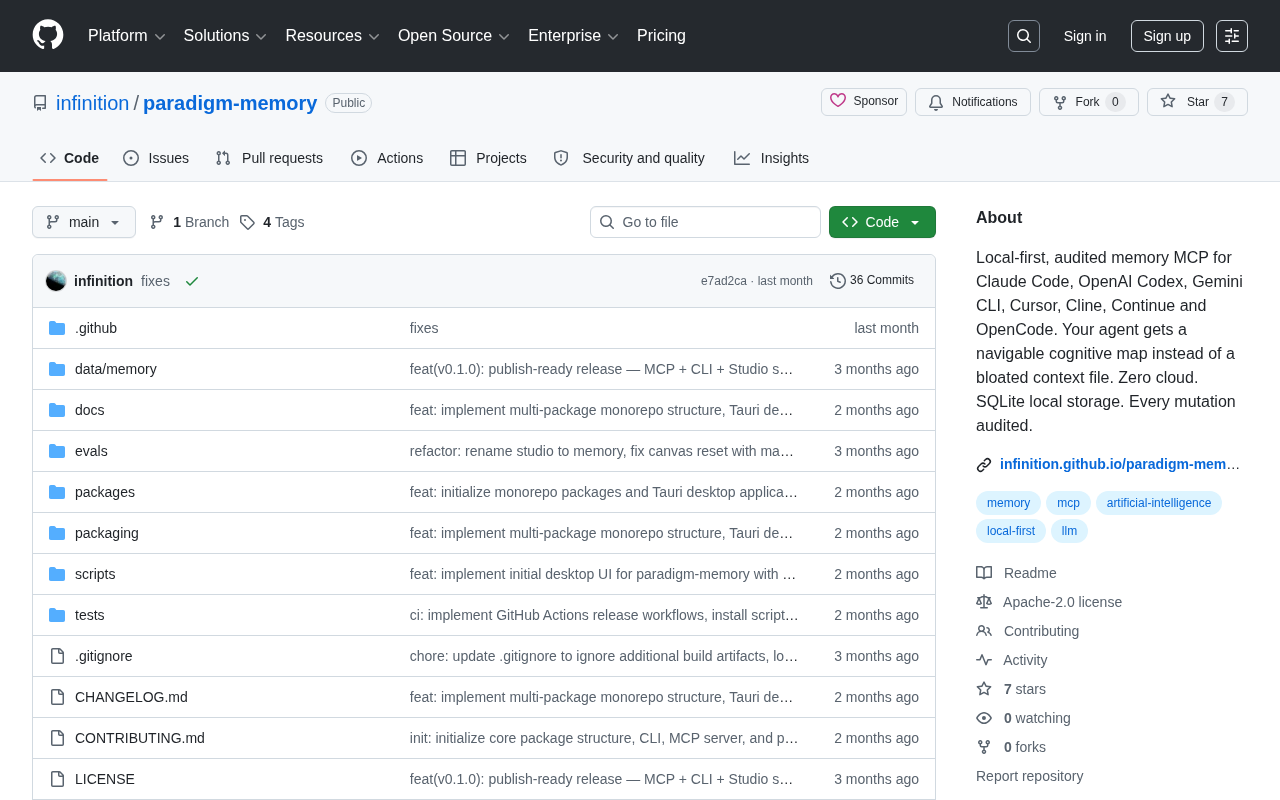
Paradigm Memory: A Local-First Memory System for AI Coding Assistants
paradigm-memory is a local MCP memory tool for Claude Code, Cursor, and Cline. It uses SQLite local storage, zero cloud, full audit trails, and a navigable cognitive map instead of bloated context files.