Can You Go to Jail for Buying an Ethernet Cable? Revisiting the Absurd 1999 Law

An old 1999 story about criminalizing unauthorized cable network hookups reflects the enduring tension between tech access and legal boundaries.
The article starts from an old 1999 story on Hacker News: some jurisdictions criminalized unauthorized connection to cable TV networks to obtain internet service. The author reviews the technical reality of coaxial cables and cable modems at the time, noting that users were merely "borrowing" existing infrastructure, while operators pushed legislation under the label of "theft of service," reflecting a logic that protected commercial interests rather than respecting technical facts. Although the Hacker News discussion wasn't heated, it sharply presented the divergence between free access and legitimate use. The article then links this early case to today's software licensing, DRM, API restrictions, and data scraping disputes, reminding developers that technological choices often carry legal consequences and warning that the law's understanding of technology lags behind technology itself.
A Prison Sentence Sparked by a Single Cable
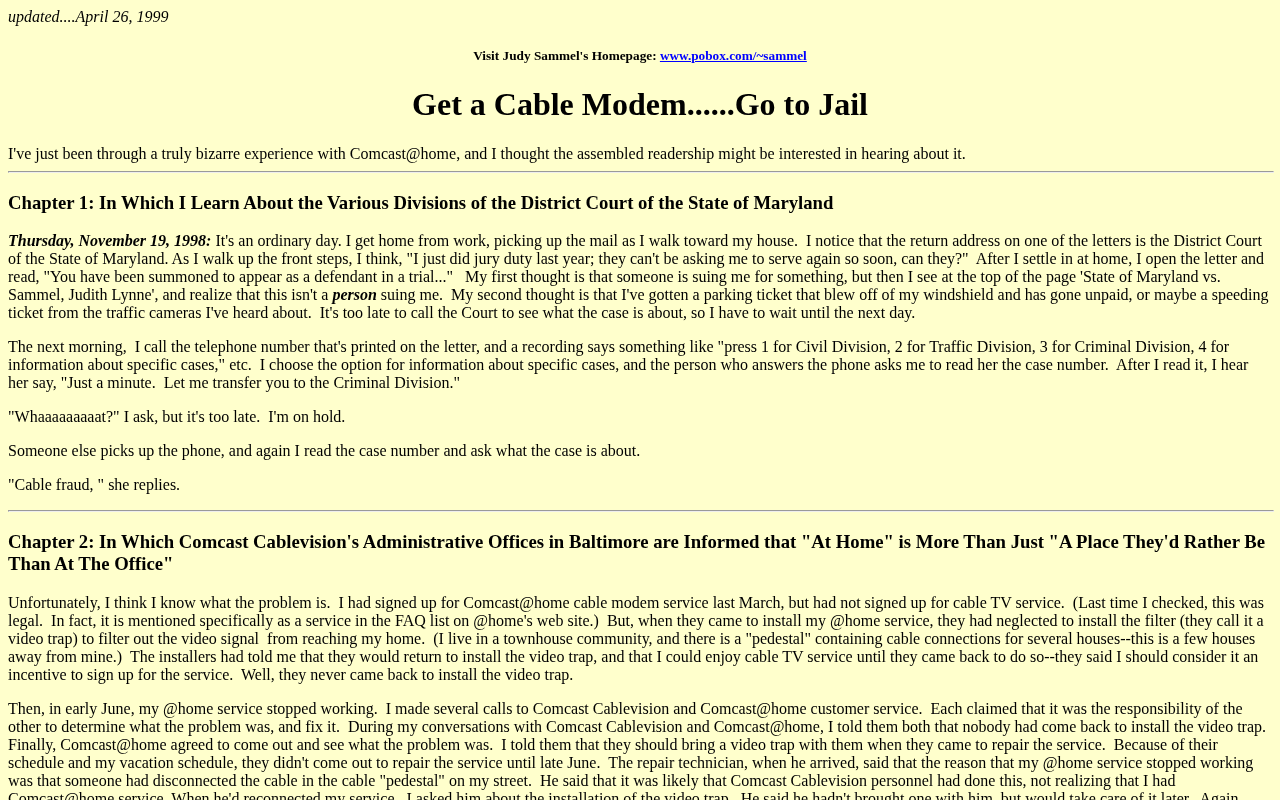
In 1999, before the internet became ubiquitous, a seemingly inconspicuous regulation left countless netizens uneasy. According to an old story shared in the Hacker News community, laws in certain jurisdictions at the time defined unauthorized connection to cable television networks as a criminal offense. This meant that if you privately purchased and installed a cable modem to bypass paid subscriptions and obtain internet service, you could face jail time.
This old story received 15 points on Hacker News. Although the discussion wasn't particularly heated, it touched on a topic that remains relevant today: the tension between technological access and legal boundaries.
The Technical Reality Behind the Legal Text
To understand the absurdity of this regulation, we need to return to the technological environment of 1999. At that time, cable television networks used coaxial cables to transmit signals, and users only needed a modem to connect to the internet. From a technical perspective, the signal was simply flowing through the cable—users were merely "borrowing" existing infrastructure.
However, cable operators characterized this behavior as "theft of service" and pushed for legislation to criminalize it. According to discussions among Hacker News users, the rationale behind this legal logic was to protect operators' commercial interests rather than consider technical facts. A single cable connected two completely different worldviews: one held that internet access is a basic right, while the other viewed it as a commodity that must be purchased.
Cable Modems and the DOCSIS Standard
Around 1999, cable television networks providing internet access relied mainly on cable modems. The mainstream technical standard at the time was DOCSIS (Data Over Cable Service Interface Specification) 1.0, released in 1997, which allowed bidirectional data transmission over cable television coaxial cables. On the user end, communication with the operator's headend equipment occurred through a CMTS (Cable Modem Termination System); theoretically, users on the same segment of coaxial cable shared bandwidth. Early operators often did not encrypt downstream data streams or performed only simple authentication, which made "unauthorized hookups" technically possible. However, as DOCSIS 1.1 and subsequent versions introduced stricter authentication and encryption mechanisms, simply "connecting the cable" was no longer enough to access the network. This technical background helps explain why the regulation at the time targeted the very act of "purchasing and installing a modem."
Reflection and Controversy in the Tech Community
This old story sparked a small but sharp set of comments on Hacker News. Some users pointed out that criminalizing a technical act was an overreaction, especially when the technology itself was not destructive. Others argued that operators have the right to protect their network assets and prevent unauthorized access.
This divergence persists in today's technology landscape. From software license agreements to digital rights management, from API access restrictions to data scraping disputes, the tech community is constantly seeking a balance between free access and legitimate use. This old story from 1999 is merely an early case in this enduring debate.
The Community Character of Hacker News
Hacker News (HN) is a technology and startup news community operated by the venture capital firm Y Combinator, whose users are primarily engineers, founders, and technology enthusiasts. Its content ranking depends on user votes (points) and discussion activity; 15 points is relatively low attention on HN, but the comments are often high quality. The HN community has long focused on issues such as internet freedom, copyright reform, and overregulation, so old stories about "technical acts being criminalized" tend to resonate. Understanding HN's community composition helps explain why an obscure 1999 regulation could still be brought up and discussed more than two decades later.
Implications for Contemporary Developers
For today's developers and tech professionals, this story offers a warning: technological choices often carry legal consequences. When building products, accessing data, or using services, understanding the relevant legal provisions is crucial.
At the same time, it reminds us that the law's understanding of technology often lags behind technology itself. When regulations govern emerging behaviors using outdated technological frameworks, absurd results can occur. Although the discussion on Hacker News was brief, it reflects the tech community's ongoing vigilance against overregulation.
Conclusion
The fact that this old story from 1999 was brought up again on Hacker News shows that the tech community has never forgotten those historical moments that shaped industry rules. A single cable, a regulation, and a discussion together form the complex picture of internet governance.
Related articles

Scientist Arrested by ICE Despite Complete Documentation, Sparking Fear
Hacker News discussion: a scientist was arrested by ICE despite a complete paper trail, sparking enormous fear. This article analyzes the background, why arrest occurred despite complete documents, and the potential impact on the tech talent environment.

Braised Meat Shop Forced Out by Rent Hike: A Life-and-Death Contest Between Craft and Location
Braised meat shop owner forced out by a 100,000 yuan rent hike moves overnight; landlord's daughter takes over with seasoning packets and overnight meat sickens customers. A tale of location versus craft.

AI One-Click Emotional Short Drama: Bilibili Creator Tests the "Beautiful Landlady" Script
Bilibili creator uses AI to produce the emotional short drama "The Beautiful Landlady Comes to Fix the Guy's Drain," testing everything from script generation to character consistency.