Claude Code in Practice: Writing Maintainable AI Code with the Harness Methodology

How to apply Harness AI engineering with Claude Code to write maintainable, enterprise-grade code.
This article explores how developers can move beyond AI hallucinations and one-off toy code by adopting the Harness AI engineering methodology. Using Claude Code as a practical example, it covers Specification-Driven Development (SDD), multi-agent orchestration, and a practice-first approach to building controllable, enterprise-grade software — applicable across any language or tech stack.
From "AI Hallucinations" to Engineering: The Real Pain Points of AI-Assisted Coding
Developers who've used AI coding tools have almost all hit the same wall: the moment context is lost, the AI starts confidently making things up. No matter what you ask, it produces code or explanations that look logically sound on the surface — but are riddled with problems underneath.
This is the well-known Hallucination problem. AI hallucinations fundamentally stem from how large language models work: LLMs predict the next token based on probability distributions rather than retrieving facts from a knowledge base. When a model lacks sufficient context, has biased training data, or encounters a problem outside its training distribution, it generates content that sounds plausible but is factually wrong — and does so with high confidence. In coding contexts, this manifests as calls to non-existent APIs, code that's syntactically correct but logically broken, and confusion between different versions of library interfaces. The limitations of the Context Window make things worse — once critical project constraints, existing code structure, or business rules get truncated out of the window, the model loses its "anchor" and starts generating based on statistical patterns rather than actual requirements. In personal side projects, this is mostly harmless. In enterprise delivery, the lack of controllability creates serious quality risks.
How to use AI to write controllable, long-term maintainable code — rather than one-off "toy code" — is becoming a central concern for major tech companies and quality-focused IT shops alike. This article draws on real-world course content from Bilibili to break down the Harness AI Engineering methodology and how it plays out in actual projects.
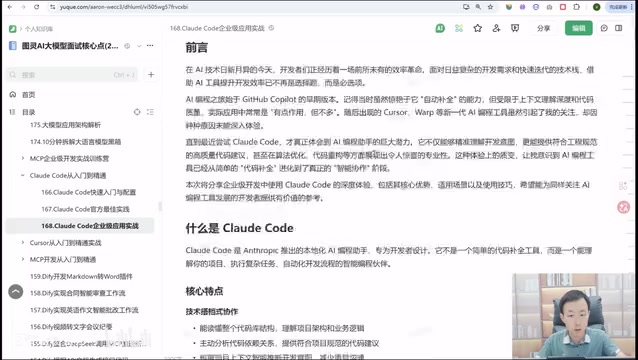
Tools Are Just Vessels — Methodology Is What Matters
The demo environment in the course is VS Code + Claude Code, but the author repeatedly makes one point clear: the tool itself isn't what's critical. Whether you use Claude Code, Codex, or Cursor, the fundamental difference is minimal — they're simply vessels for carrying the engineering methodology.
Why Not Get Bogged Down in Tool Details
The basics of AI coding tools are actually quite simple, and onboarding documentation covers that well enough. Valuable hands-on time should be spent on the real problems encountered in enterprise-level projects and how to solve them.
This trade-off is worth every developer's reflection: while most people are chasing "100 tricks for tool X," what actually creates a meaningful gap is a deep understanding of the underlying engineering methods. Master the methodology, and you can transfer quickly to any tool or language.

Reverse Engineering Claude Code: The Harness Architecture Behind It
One technically interesting detail worth noting: the reason Claude Code is so capable is that its backend is essentially a standard Harness engineering implementation. Harness engineering isn't the name of a specific product — it's a methodological framework for embedding AI capabilities into software engineering workflows. Its core idea is to transform AI from a "randomly responding chat tool" into a "predictable engineering component" through structured prompt engineering strategies, context management mechanisms, and multi-agent collaborative orchestration. In practice, this means giving the AI clearly defined roles and constraint boundaries, persisting project context through specification documents, and establishing output validation mechanisms to prevent hallucinations from slipping into production code. Claude Code is considered a canonical implementation of Harness engineering because it systematically addresses two core engineering problems — context persistence and task decomposition orchestration — rather than simply offering better code completion. In the course, the author plans to open up Claude Code's open-source code on GitHub and walk through its Harness engineering design — which he describes as "quite solidly built."
This gives developers a high-value learning path: rather than staying at the usage level, reverse-engineer the architecture of top-tier tools to understand how they organize prompt strategies, manage context, and orchestrate collaborative workflows.
Specification-Driven Development (SDD) and the Agent-Oriented Trend
The course's core knowledge framework covers several of the most cutting-edge directions in AI-assisted programming today.
SDD: Specification-Driven Development
SDD (Specification-Driven Development) is a development paradigm now being adopted by most mid-to-large-scale IT companies. SDD traces its roots to the traditional software engineering concept of Design by Contract, but has found new vitality in the AI era. Its core principle: before writing any code, use structured specification documents (Specs) to precisely describe system behavior, interface contracts, data models, and boundary conditions. These specs serve a dual purpose — they're consensus documents for human team collaboration, and strong contextual anchors that constrain AI code generation. Compared to Test-Driven Development (TDD), SDD operates at a coarser granularity and leans more toward business semantics than implementation details, enabling AI to maintain output consistency across broader task scopes. In multi-agent collaboration scenarios, Spec documents also function as "shared memory," effectively mitigating output drift caused by inconsistent context between different agents. The practical reality: if you're interviewing for a Java, Python, or Go role and can't answer questions about specification-driven development, it signals a lack of awareness of the current technology landscape — in today's competitive job market, that could easily cost you an offer.
Agent-Oriented Development: From "Writing Code" to "Orchestrating Agents"
Agent-oriented development is the hottest direction in the large language model space right now. Whether your primary stack is Java, Python, or Go, Agents are an unavoidable topic. Some even argue that future developers won't write specific code at all — they'll shift toward "developing and orchestrating a series of Agents."
The rise of agent-oriented development is essentially an extension of software engineering's "separation of concerns" principle to the AI collaboration layer. Each Agent is designed as an autonomous execution unit with specific responsibility boundaries: a requirements analysis Agent converts ambiguous user stories into structured Specs, a coding Agent generates implementations within Spec constraints, a review Agent performs code quality checks, a testing Agent generates and runs test cases, and a CI/CD Agent handles pipeline orchestration and deployment. The core value of this division of labor lies in "local context optimization" — each Agent only needs to maintain a streamlined context within its own responsibility domain, which significantly reduces hallucination probability and improves output controllability. From an architectural perspective, this is conceptually isomorphic to how microservices decompose monolithic applications into single-responsibility service units — except that the collaboration units have shifted from code modules to intelligent agents.
The course implements approximately 6 core Agents in a real enterprise project, covering the complete workflow from requirements analysis and coding through project review, testing, continuous integration, and deployment. This Agent design is a real-world example of the transition from "humans writing code" to "humans orchestrating Agents."
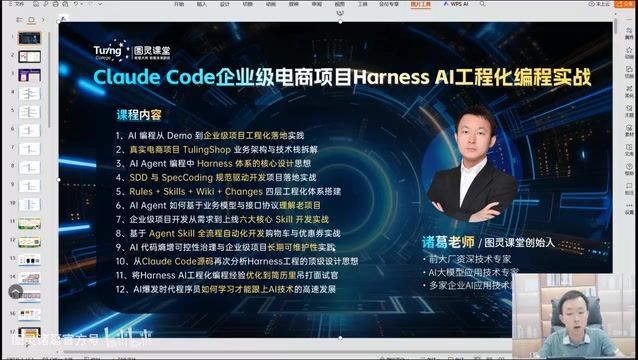
Using an E-Commerce Project as an Example: The Methodology Works Across Languages and Domains
The course uses an e-commerce project as its hands-on vehicle — for a practical reason: most developers are familiar enough with e-commerce business logic that little time needs to be spent explaining unfamiliar domain concepts, allowing focus to remain on the Harness AI engineering methodology itself.
Universal Applicability: Change the Language, Keep the Method
Harness AI engineering works across projects and languages. Demo code is primarily in Java, but for PHP, Go, or other language projects, the methodology is exactly the same. Once you understand the core approach, switching to any tech stack presents no fundamental obstacle.
This is precisely the value of an engineering methodology — it operates at a level of abstraction above any specific technology stack, as a universal paradigm for "how to effectively collaborate with AI to deliver software."
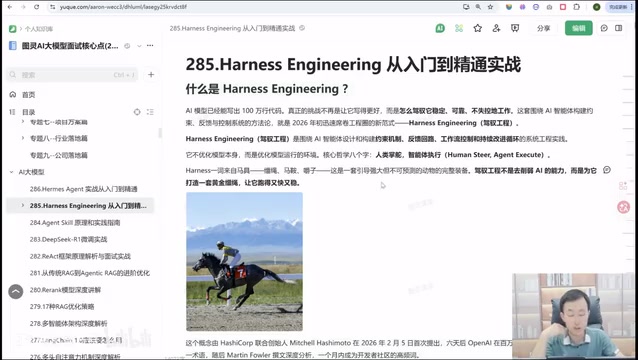
Practice First: Solving the "I Watched It But Still Can't Apply It" Problem
There's no shortage of videos and documentation on Harness Engineering out there, but many developers report the same frustration: they've absorbed concept after concept but still don't know "how this actually gets implemented in practice." This feeling of defeat after finishing purely theoretical material is a common pitfall of lecture-style learning.
What differentiates this course is its practice-first, theory-as-support approach: starting directly from real enterprise-level projects so that abstract concepts actually land, and learners understand the methodology through hands-on experience — in a way that can be immediately applied to their own work.
Closing Thoughts: The Next Chapter of AI Programming Is Engineering
As the capabilities of AI coding tools continue to leap forward, simply "knowing how to use the tools" is no longer a competitive moat. The real core competency lies in whether you can use AI to write controllable, maintainable, and deliverable engineering-grade code — and whether you understand emerging paradigms like SDD and Agent orchestration that are reshaping the software development process.
Regardless of which tools or languages you use, investing time in understanding engineering methodologies like Harness and reverse-engineering the architectural design of top-tier tools is one of the most worthwhile technical investments a developer can make right now. The next chapter of AI programming will undoubtedly be engineering.
Key Takeaways
Related articles
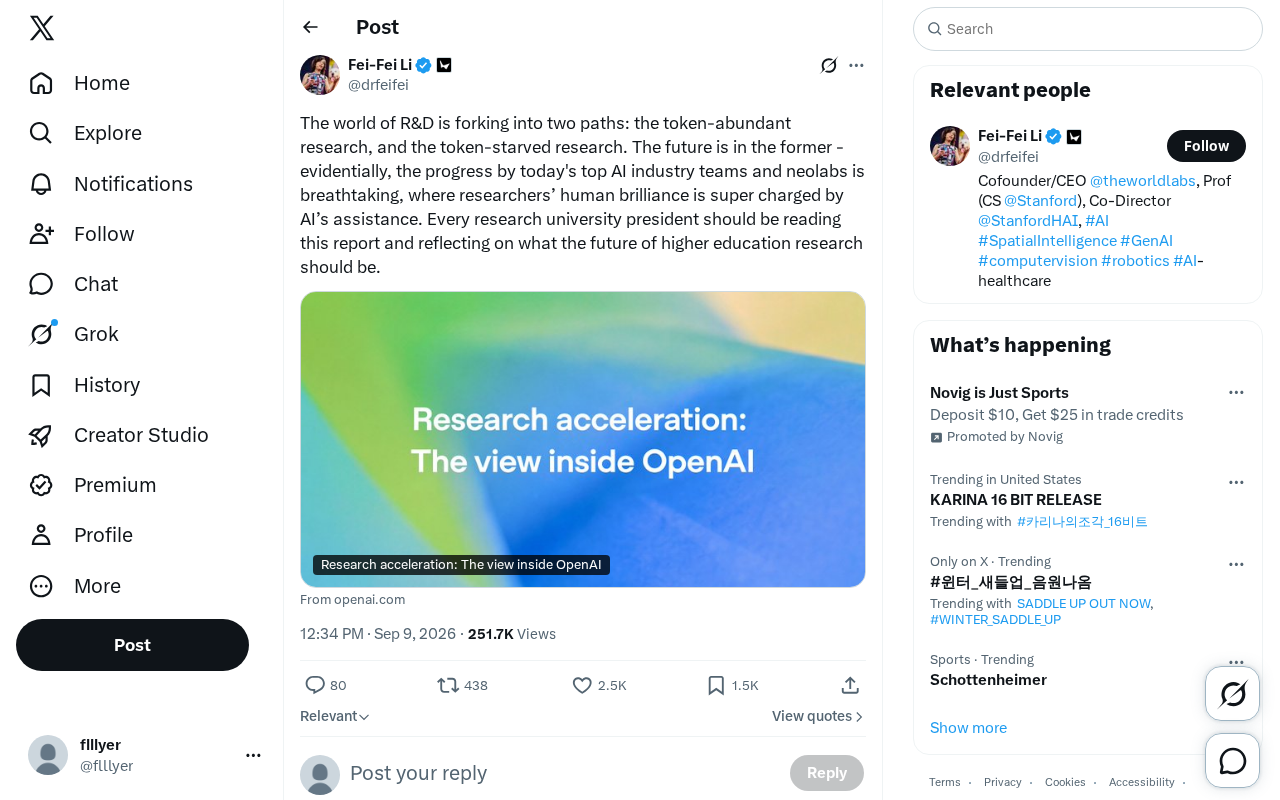
R&D Is Forking: The Coming Battle Between Token-Abundant and Token-Starved Research
R&D is splitting into token-abundant and token-starved research. Top AI labs are pulling ahead—here's what it means for universities and the future of science.
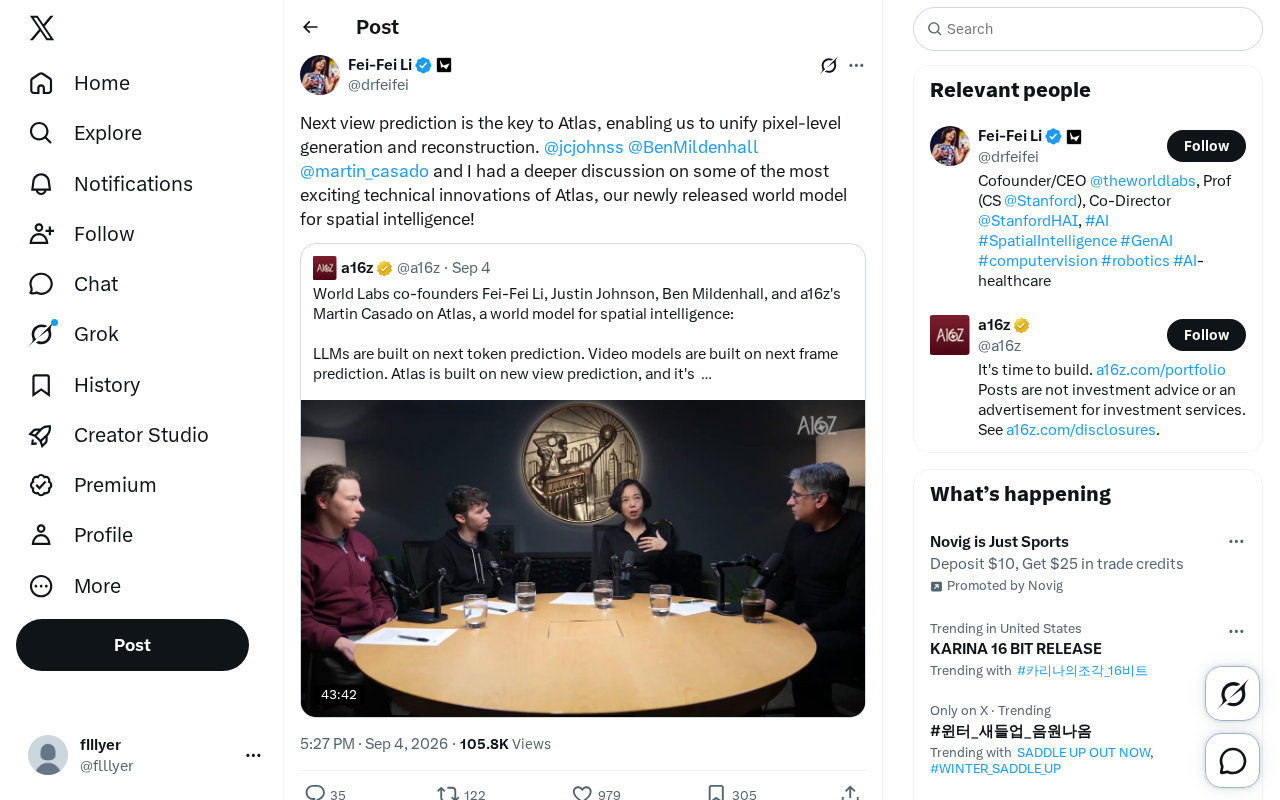
Atlas World Model Explained: How Next View Prediction Unifies Generation and Reconstruction
The Atlas world model uses Next View Prediction as its core to unify pixel-level generation and reconstruction, offering a new approach to spatial intelligence.
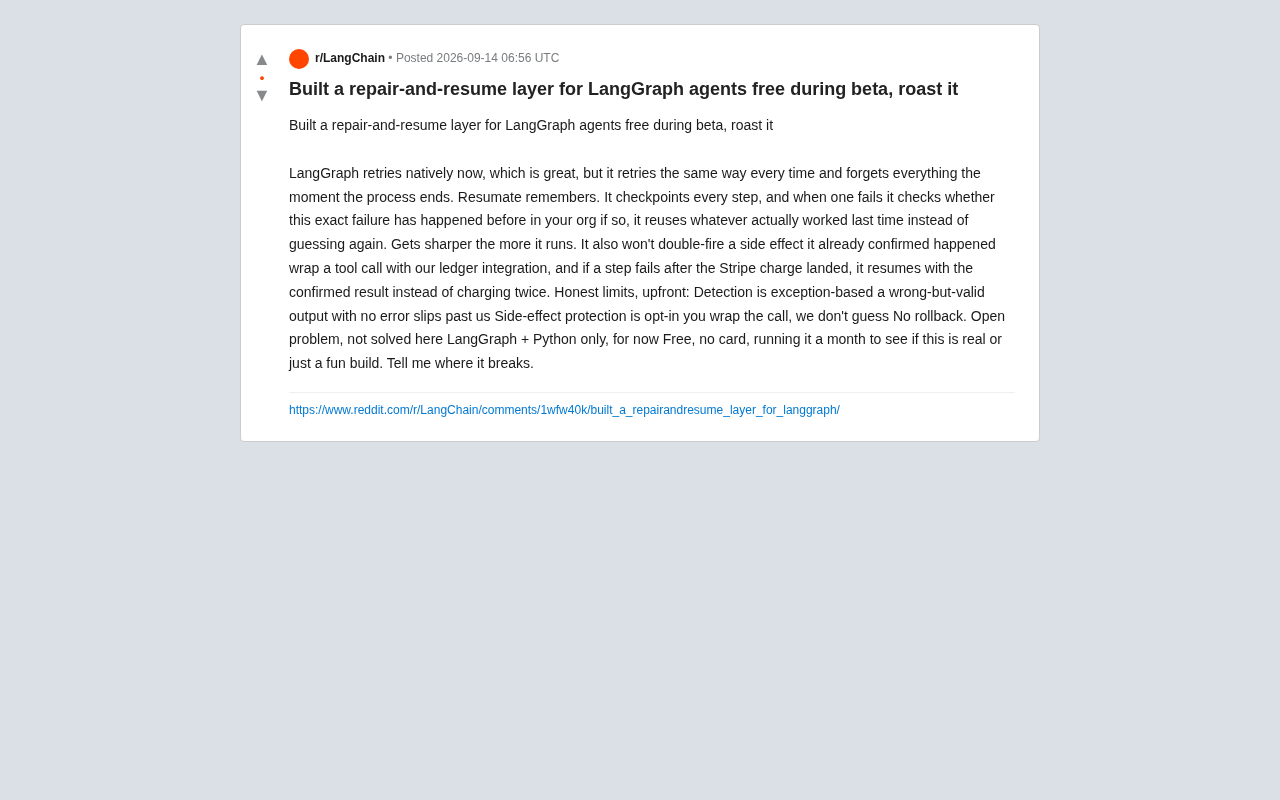
Resumate: A Deep Dive into the Repair-and-Resume Layer for LangGraph Agents
Resumate adds memory-aware checkpointing and idempotent side-effect protection to LangGraph agents, preventing issues like duplicate Stripe charges on retry.