Codex vs. Claude Code: A Beginner's Guide to AI Coding Agents
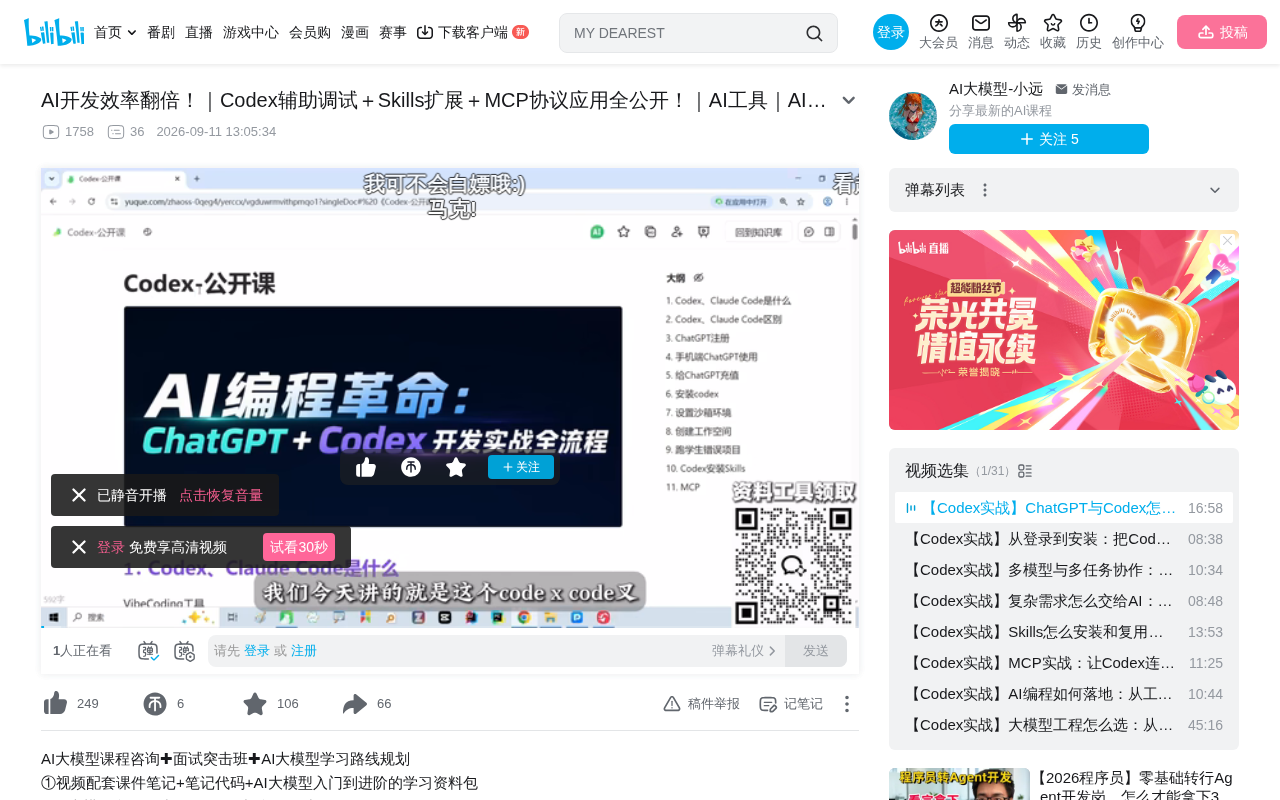
A step-by-step guide to setting up a GPT account and getting started with AI coding agents like Codex.
This article tackles the practical question of how to start using AI coding agent tools. It first clarifies the difference between large language models and agents like Codex and Claude Code, then compares the two based on real-world testing — concluding that Codex edges ahead in Chinese comprehension, requirement analysis, and MCP ecosystem growth. The bulk of the guide addresses the four biggest hurdles for users in China: network setup, phone verification via virtual number platforms, registering a US Apple ID, and cutting subscription costs with a Turkish region account.
From Large Language Models to AI Agent Tools
Many people struggle to distinguish between "large language models" and "AI agent tools." Here's an intuitive analogy: a large language model is like a brain that can only think — it gives you answers and performs reasoning, but it can't actually get things done for you. Tools like Codex and Claude Code, on the other hand, are like giving that brain hands and tools, enabling it to read and write files, execute code, and debug programs directly.
This category of tools — often called vibe coding — is rapidly becoming a hot topic in the tech world. The original video creator makes a compelling point: whether or not you're a programmer, these tools are worth learning. Even if you've never written a line of Java or Python, that's no barrier to entry — because the core value lies in describing what you want in plain language and letting the AI write the code for you.
Codex vs. Claude Code: Which Is Better?
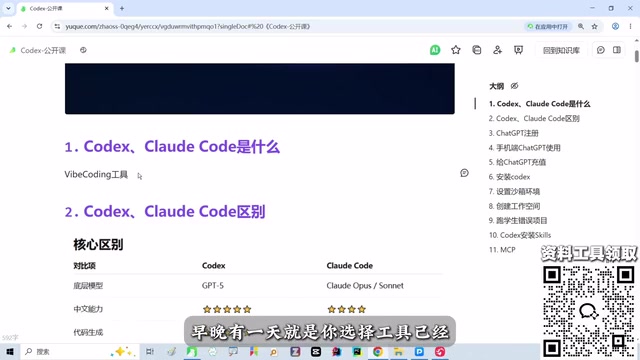
The two most widely used tools among developers right now are OpenAI's Codex and Anthropic's Claude Code, both considered top-tier products. The author tested Codex, Claude Code, and several other tools side by side, and the personal verdict is clear: Codex is the better choice.
The main reasons:
- Better Chinese language understanding: Codex is powered by the GPT model family, which handles Chinese input more accurately.
- Stronger requirement analysis: It's more reliable when translating vague requirements into concrete implementations.
- Solid full-stack capabilities: Covers both frontend and backend development.
- Fast-growing MCP ecosystem: As OpenAI's most heavily invested product, its MCP (Model Context Protocol) ecosystem is expanding rapidly.
The author also admits that choosing a tool ultimately comes down to cost. Claude Code's underlying Claude model tends to be more expensive, which leads some users to swap it out for lower-cost domestic models like DeepSeek — though the experience still falls somewhat short. At this stage, foreign models do hold a slight edge, but the gap is closing fast, and in the near future, the choice between tools may matter a lot less.
MCP (Model Context Protocol) is an open protocol originally proposed by Anthropic and now adopted by multiple vendors. It standardizes how AI models call external tools and services. Think of it as the "USB standard" for the AI agent world — with a unified protocol, developers only need to write one plugin to the spec to give a model access to databases, APIs, local files, and more. OpenAI's decision to embrace and heavily promote MCP within Codex means third-party tools and plugins can integrate more easily, dramatically expanding what agents can actually do. The richer the ecosystem, the broader the range of tasks it can handle — which is exactly why the author lists "fast-growing MCP ecosystem" as a key advantage for Codex.
The First Hurdle: Setting Up Your GPT Account
Using any of these AI agent tools requires connecting to a large language model first. For users in China, setting up a ChatGPT/GPT account is often the first — and most discouraging — hurdle. The process involves several critical steps:
Web Registration Flow
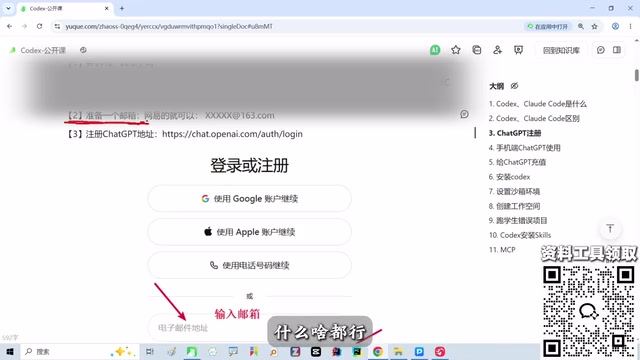
- Set up your network environment: This is a prerequisite — everything else depends on it.
- Prepare an email address: A Gmail or any webmail account works fine.
- Visit the registration page: Enter your email, click continue, and set a password.
- Email verification: The system sends a verification code to your inbox — enter it and proceed.
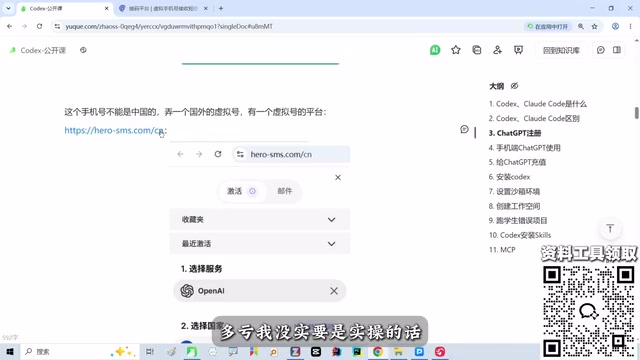
- Phone number verification: This is where most people get stuck — the phone number must be from a foreign country (US, Turkey, etc.). Chinese numbers are not accepted.
For phone verification, you'll need a virtual number platform (also known as an SMS verification service). On the platform, select OpenAI as the service, choose an available country (the platform will indicate which ones work), top up your balance, and the platform will assign you a virtual number. Use it to receive the verification code and enter it during registration.
Handling the Mobile App
ChatGPT is not available on the Chinese App Store, so you'll need to switch your App Store account to a US or Turkish region. When registering a US Apple ID, watch out for a few gotchas:
- Set your age to 18 or older;
- You can use your own phone number (unlike the GPT registration step);
- For the address field, you'll need a US home address — use an online "US address generator" to get one;
- Select a US-related option for payment method.
Once that's done, you can search for and download ChatGPT on the App Store. Note that the app also requires iOS 16.1 or later, and your phone will still need a working VPN connection. The Android process is similar but differs in specifics — you'll need to figure those out on your own.

Virtual number platforms (also called SMS verification services) are online services that provide temporary foreign phone numbers. For a small fee, users can rent a real overseas number to receive registration verification texts. These platforms essentially operate pools of real SIM cards abroad, with numbers from dozens of countries including the US, UK, Turkey, and India. A few things to keep in mind: the same number may have been used by multiple people before you, and some numbers have already been flagged by OpenAI as unusable. It's best to choose options labeled "high success rate" or "new number," and complete the verification as quickly as possible after the number is assigned — rental periods are typically only 10–20 minutes.
Subscriptions and Payments: The Unavoidable Cost
The free tier is essentially insufficient for real development work, so a paid subscription is necessary. One important detail: you cannot pay directly through the web — you'll need to do it on mobile. iOS users need to top up their US Apple ID balance first, then subscribe to ChatGPT through the App Store.
On plan selection, the author's money-saving tip is to register a Turkish region account:
- The top-tier US plan runs roughly ¥160–200 per month;
- The Turkish plan costs around ¥80–90 per month — nearly half the price.
For individuals, the current options are Plus (around $20/month) and higher tiers. The Business/Team plan is better suited for companies buying accounts in bulk. If you're employed, the author suggests checking whether your company has an enterprise account — if so, you may be able to join for free. For personal learning purposes, the $20 Plus plan is usually more than sufficient.
Summary
The core goal of this guide is to walk through the entire process — from registering a GPT account to paying for a subscription — and remove the first major barrier to using Codex. For beginners, the four most common sticking points are: setting up your network environment, using a virtual number platform for phone verification, creating a US region App Store account, and managing subscription payments. Once the account setup is sorted, you can move on to actually using Codex for assisted debugging, Skills extensions, and MCP protocol integrations. The tools themselves aren't that complicated — the real obstacle is almost always the account setup.
Related articles
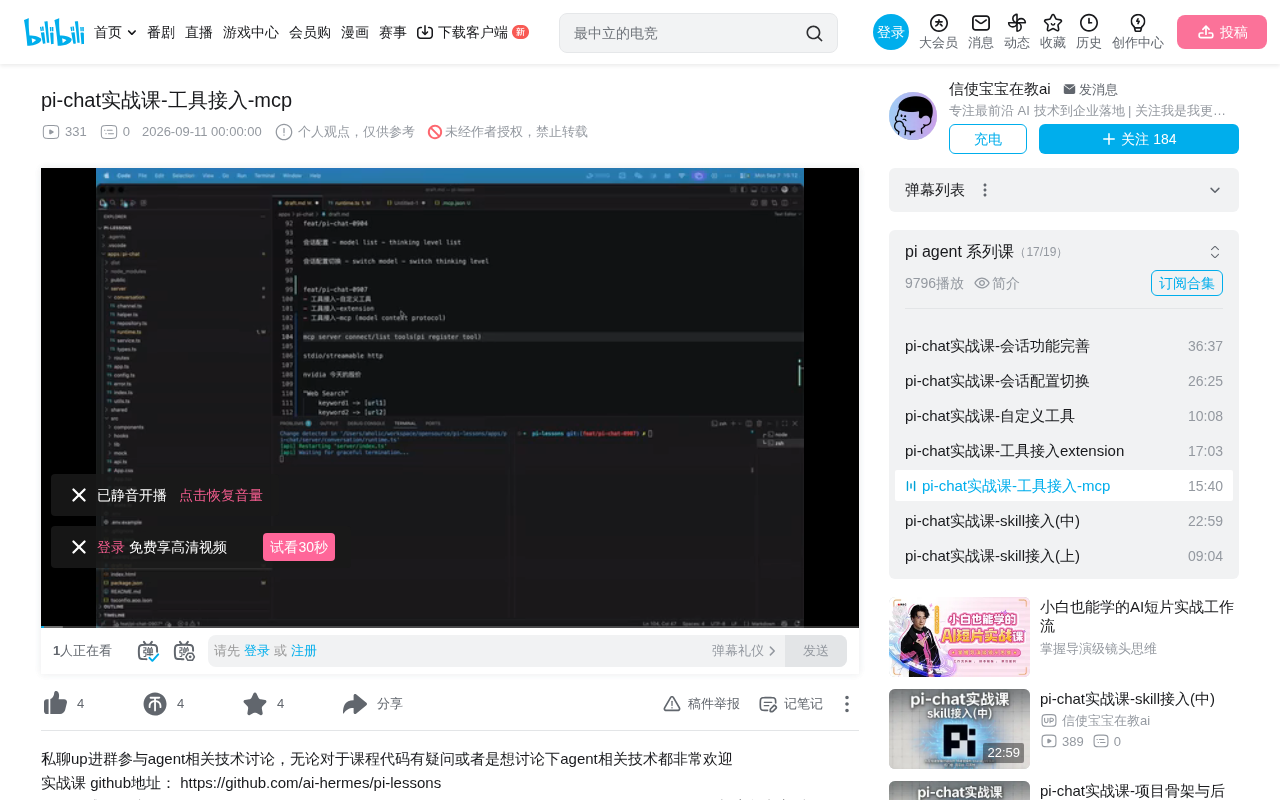
Pi-chat in Practice: Connecting External Tools to AI Agents via MCP Protocol
Learn how to integrate external tools into AI Agents using MCP protocol with Pi framework. Covers pi-mcp-adapter setup, .mcp.json config, Extension Factory initialization, and a live 12306 train ticket query demo.

AI Large Model Engineering Careers Decoded: Algorithm Research vs. Engineering Deployment — Which Path Is Right for You?
AI large model jobs split into algorithm research and engineering deployment. Learn the skill requirements, core competencies like RAG and Multi-Agent, and why Harness architecture is the 2026 interview differentiator.
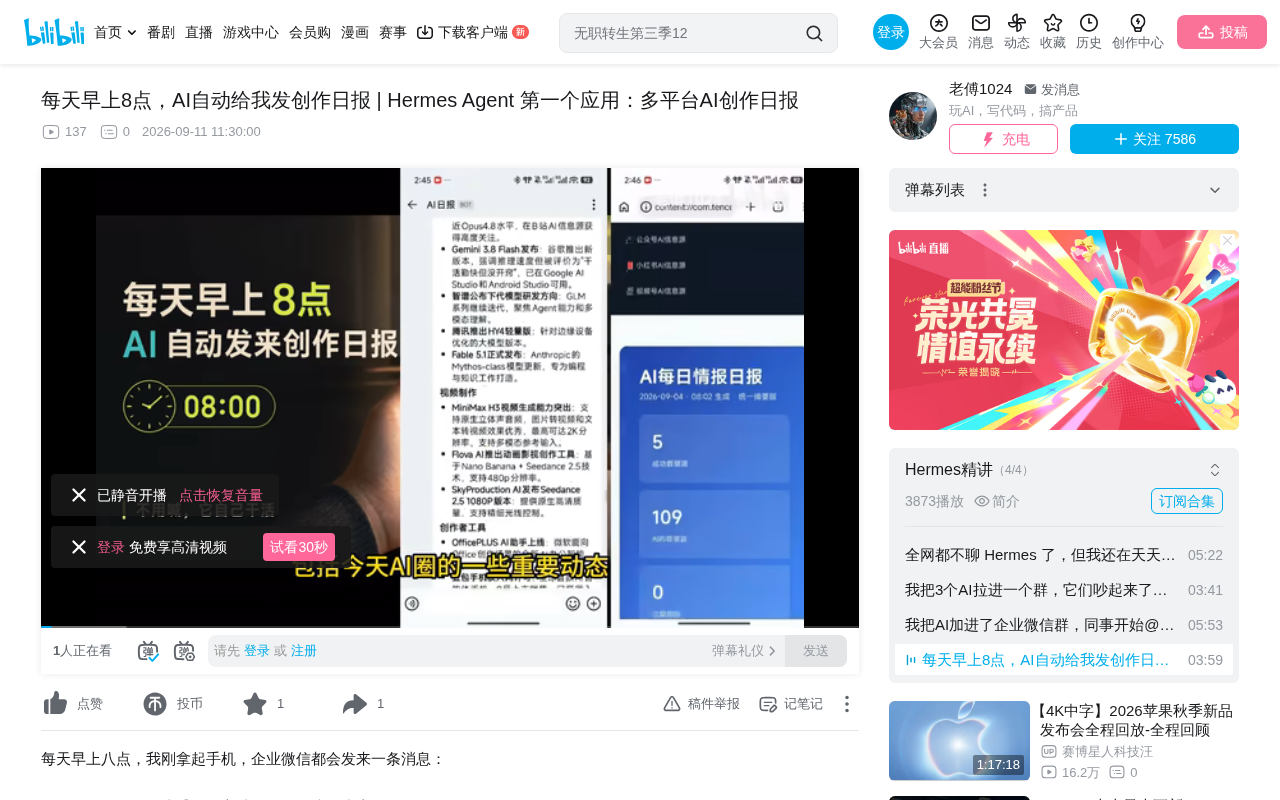
Build an AI Daily Digest with Hermes Agent: Auto-Delivered at 8 AM Every Day
Step-by-step guide to building a multi-source AI creator daily digest with Hermes Agent, combining websearch, curated channels, and platform signals for automated 8 AM delivery to enterprise WeChat.