Diallogs Review: A SIM-Based Calling CRM Built for Indian Sales Teams
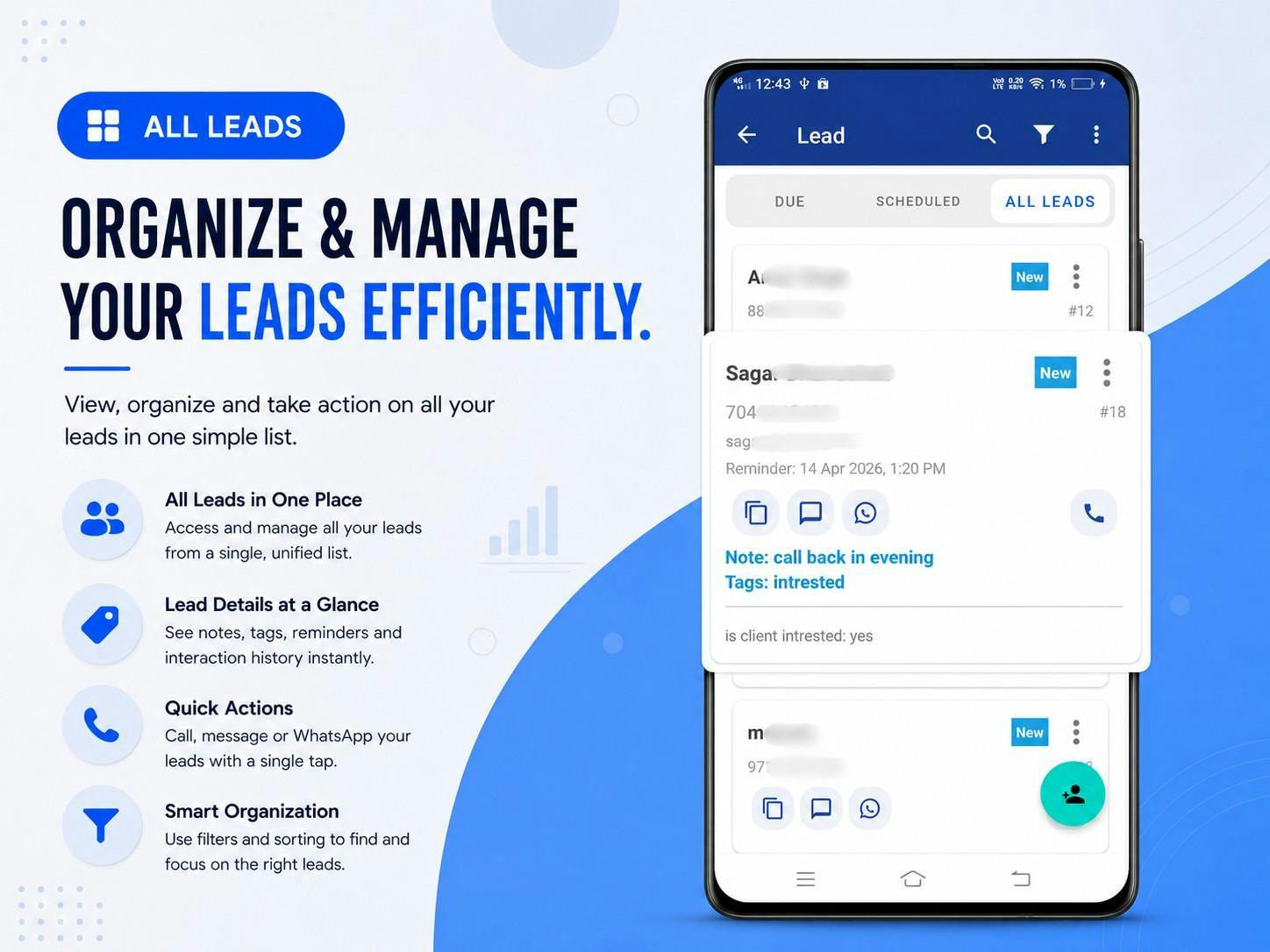
A SIM-based telecalling CRM built for Indian sales teams with AI-powered call analytics.
Diallogs is a telecalling CRM designed for Indian sales teams, letting reps make calls directly from their Android phones using SIM cards instead of VoIP. It automatically logs calls, generates AI summaries, and provides sentiment analysis. With real-time dashboards, API integrations, and a freemium model, it offers a practical, low-cost solution for budget-constrained teams in insurance, real estate, and EdTech sectors.
Product Overview
Diallogs is a SIM-based telecalling CRM built specifically for Indian sales teams. Unlike traditional VoIP or PBX solutions, Diallogs takes a more practical approach tailored to local conditions — sales reps can make calls directly from their own Android phones using their personal SIM cards, with no need to change numbers or deal with complex network configurations.
To understand the deeper reasoning behind this technical choice, it helps to know the fundamental differences between the three approaches. VoIP (Voice over Internet Protocol) transmits voice data over the internet, requiring significant bandwidth and network stability. In India's tier-2 and tier-3 cities, poor network quality often leads to choppy calls and latency exceeding 300 milliseconds. PBX (Private Branch Exchange) is an enterprise-grade phone switching system — traditional PBX requires physical hardware deployment, and while cloud PBX reduces hardware costs, it still requires centralized number management and monthly subscription fees. A SIM-based approach, by contrast, leverages the carrier's cellular network for voice calls, with call quality directly ensured by cell towers. Given that Indian carriers like Jio and Airtel have achieved extensive coverage, SIM-based calling offers far superior stability compared to VoIP, and businesses don't need to bear additional communication infrastructure costs.
The product received 11 upvotes on Product Hunt, ranking #19, and was developed by founder Sagar Bhanushali. Its core value lies in solving real pain points for Indian telecalling teams: inadequate network infrastructure, unreliable VoIP call quality, and sales reps' ingrained habits of using traditional phone calls.
It's worth noting that the Indian telecalling market Diallogs targets has a unique industry ecosystem. India has over 1.2 billion mobile users, making it one of the world's largest mobile communication markets. After Reliance Jio disrupted the market with ultra-low tariffs in 2016, India's mobile call rates dropped to the lowest globally — less than $0.01 per minute — making phone-based selling a mainstream customer acquisition channel for Indian businesses. Industries like insurance (e.g., LIC), EdTech (e.g., BYJU'S), real estate, and financial services generate millions of sales calls daily. However, most of these sales teams still rely on paper records or basic Excel spreadsheets to manage customer information. Professional CRM tool penetration remains extremely low, creating a massive market opportunity for products like Diallogs.
Core Features
Automated Call Management
Diallogs' biggest highlight is its fully automated call logging system. After a sales rep makes a call to a client from their personal phone, the system automatically links the call information to the corresponding lead record. This includes complete call recordings, AI-generated call summaries, sentiment analysis results, and a full call history.
This automatic capture capability relies on Android's open architecture. Android provides system-level APIs like PhoneStateListener and BroadcastReceiver that allow apps to monitor call state changes — including incoming ring, call connected, and hang-up events. Since Android 9 (Pie), Google has imposed stricter restrictions on call recording APIs, but on Android 11 and later, apps can still achieve call recording through Accessibility Service permissions. Popular phone brands in the Indian market — such as Xiaomi, Realme, and Samsung — run deeply customized Android-based systems that provide additional call management interfaces, giving Diallogs favorable conditions for its technical implementation. This also explains from a technical perspective why the product only supports Android — iOS's sandboxed security model strictly prohibits third-party apps from accessing call data and recording functionality, making it technically nearly impossible.
This design eliminates the burden of manual call data entry for sales reps, ensuring data completeness and timeliness. The AI-powered summary feature quickly extracts key talking points, while sentiment analysis helps managers understand customer attitudes and sales communication quality.
From a technical pipeline perspective, AI call summarization and sentiment analysis involve a complete processing chain: first, ASR (Automatic Speech Recognition) converts call recordings into text; next, NLP (Natural Language Processing) performs structured understanding and key point extraction to generate concise call summaries; finally, Sentiment Analysis evaluates tone words, key expressions, and contextual cues to determine whether the customer's attitude is positive, negative, or neutral. In the Indian market, this pipeline faces a unique challenge — sales calls frequently involve a mix of Hindi, English, and regional languages (a phenomenon linguists call code-switching), which places high demands on ASR models' multilingual recognition capabilities. In recent years, the emergence of open-source multilingual speech recognition models like OpenAI Whisper has significantly lowered the technical barrier for speech-to-text conversion in multilingual mixed scenarios.
Real-Time Management Dashboard
For sales managers, Diallogs provides a real-time dashboard and team performance analytics tools. Managers can instantly view key metrics like team members' call volumes, call durations, and lead follow-up status — without waiting for end-of-day reports or manually aggregating data.
This real-time visibility enables managers to identify issues promptly, adjust strategies, and respond quickly to team members who are excelling or need coaching.
System Integration Capabilities
Diallogs offers API and webhook integration, enabling seamless connection with an enterprise's existing tech stack. Lead data and call reports can be automatically synced to other business systems, preventing data silo issues. This is especially important for growing companies that already use multiple tools.
Specifically, an API (Application Programming Interface) allows other systems to proactively request data from Diallogs — for example, periodically pulling call reports into a BI (Business Intelligence) analytics tool. A webhook, on the other hand, is an event-driven push mechanism: when a specific event occurs in Diallogs (such as a new call being completed or a customer status change), the system automatically pushes relevant data to the enterprise's preconfigured URL endpoint, enabling near-real-time data flow. In practical application scenarios, Indian sales teams might integrate Diallogs with locally popular CRM systems like Zoho CRM or Freshsales, or connect it to WhatsApp Business API for multi-channel customer follow-up — after all, WhatsApp has over 500 million users in India and is one of the most important business communication channels. This integration capability determines whether the product can truly embed itself into a company's existing workflow rather than remaining an isolated tool.
Market Positioning & Competitive Advantages
Purpose-Built Localization
Diallogs has clearly targeted Indian sales teams as its primary market — a precise strategic decision. India's market is unique: mobile network coverage is widespread but inconsistent in quality, VoIP calls frequently suffer from latency and disconnections, while traditional SIM-based calls remain more stable and reliable.
By adopting a SIM-based technical approach, Diallogs sidesteps VoIP's technical bottlenecks while also eliminating the need for businesses to invest in expensive PBX systems or undergo number migration. This significantly lowers the deployment barrier and costs.
Freemium Model
Diallogs uses a freemium business model, offering a forever-free plan with no credit card required for sign-up. This low-friction acquisition strategy is particularly well-suited for small and mid-sized sales teams, allowing them to try the product at zero cost and consider upgrading to paid features after validating its value.
Technical Implementation & User Experience
From a technical standpoint, Diallogs needs to address several key challenges: how to automatically capture call events on Android, how to accurately match calls with leads in the CRM, and how to process call recordings and AI analysis either on-device or in the cloud.
Supporting only the Android platform is a pragmatic choice — Android holds an absolute dominant position in the Indian market (with over 95% market share), and its openness makes call capture and integration relatively straightforward to implement. This does mean iOS users cannot currently use the product, but given that iPhones account for less than 5% of India's smartphone market, this trade-off makes sound business sense.
Use Cases & Value
Diallogs is best suited for the following types of organizations:
High-volume telecalling teams: Industries like insurance, real estate, and education/training, where sales primarily rely on phone communication with high call volumes and detailed record-keeping requirements.
Budget-constrained SMBs: No need to invest in complex call center systems — professional-grade call management can be achieved using existing phones and SIM cards.
Businesses requiring compliance records: Automatic recording and complete call history can serve as business documentation, providing evidence in the event of disputes.
Potential Limitations & Considerations
While Diallogs offers an innovative solution, there are several aspects worth noting:
Privacy & Compliance: The automatic recording feature must comply with local laws and regulations, and businesses need to ensure customer consent is obtained before recording. Under India's legal framework, the Information Technology Act of 2000 (IT Act) and its 2008 amendment, along with the newly enacted Digital Personal Data Protection Act (DPDPA) of 2023, set clear provisions for the collection and processing of personal data. Regarding call recording, Indian law currently follows a "one-party consent" principle — meaning recording is legal as long as at least one party in the call (such as the sales rep themselves) is aware of and consents to the recording. However, industry best practice still recommends playing a recording notification at the beginning of the call. Additionally, different industries have extra regulatory requirements — for example, the Securities and Exchange Board of India (SEBI) requires financial services firms to retain customer call records for at least five years. When using Diallogs, enterprises need to ensure that their recording notification mechanisms and data storage policies within the system configuration comply with their industry's regulatory requirements.
Platform limitations: Currently Android-only, which creates compatibility issues for teams using a mix of iOS and Android devices.
Network dependency: While calls are SIM-based, features like data syncing and AI analysis still require a stable internet connection.
Conclusion
Diallogs represents a pragmatic approach to product innovation — rather than chasing the most cutting-edge technology, it selects the technical solution best suited to the target market's real-world conditions. By seamlessly combining CRM functionality with traditional phone calls, it provides Indian sales teams with a low-barrier, high-value management tool.
For Indian businesses searching for a telecalling management solution — especially small and mid-sized teams constrained by budget and technical capabilities — Diallogs is worth trying. Its free plan offers a risk-free trial opportunity to quickly validate whether the product meets the team's needs.
Related articles
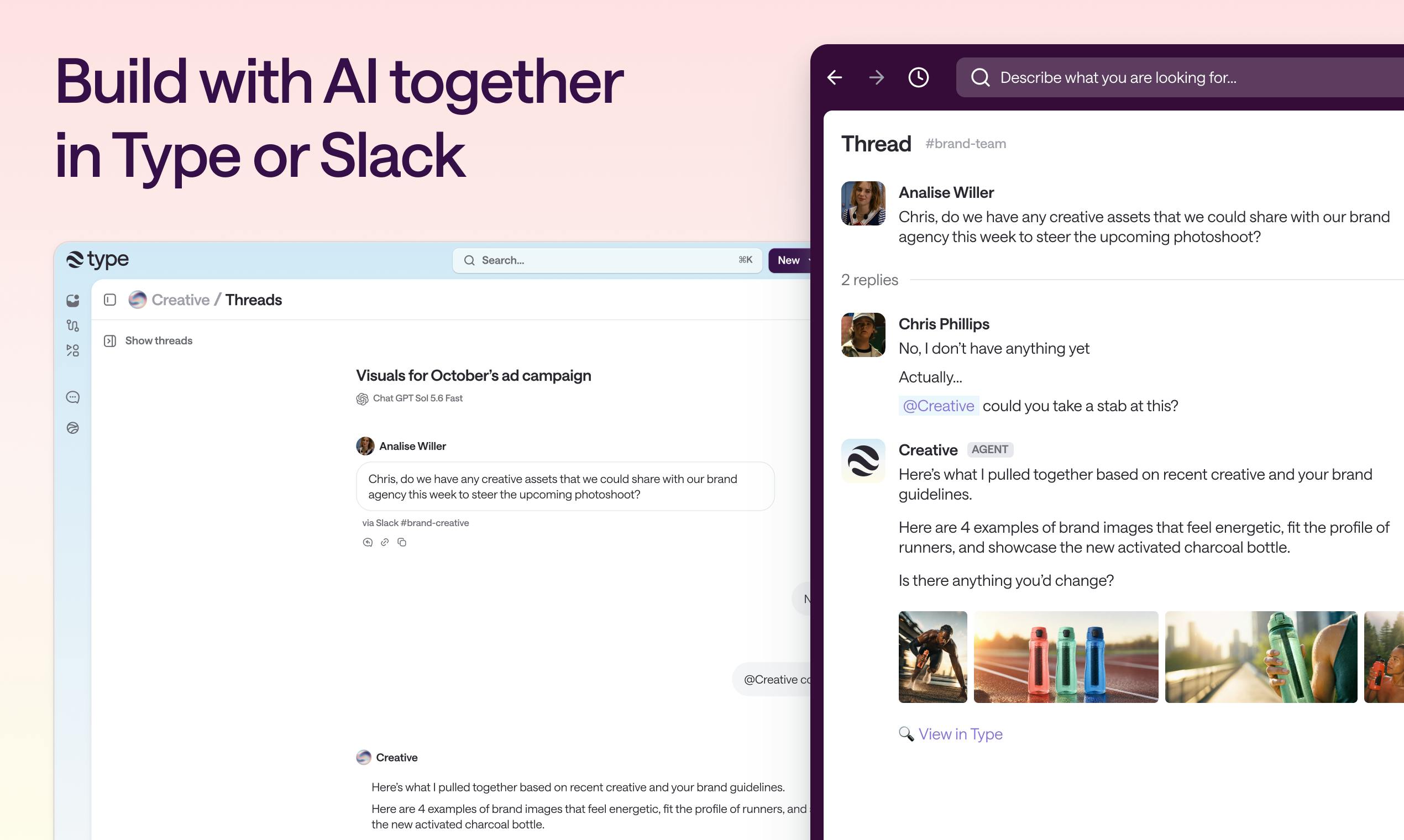
Type.com Review: A Deep Dive into the Team AI Collaboration Shared Workspace
Type.com integrates Claude, Codex, and other AI models into a team collaboration platform with shared knowledge, automation, and custom apps. Read our in-depth review of its features, use cases, and competitive edge.
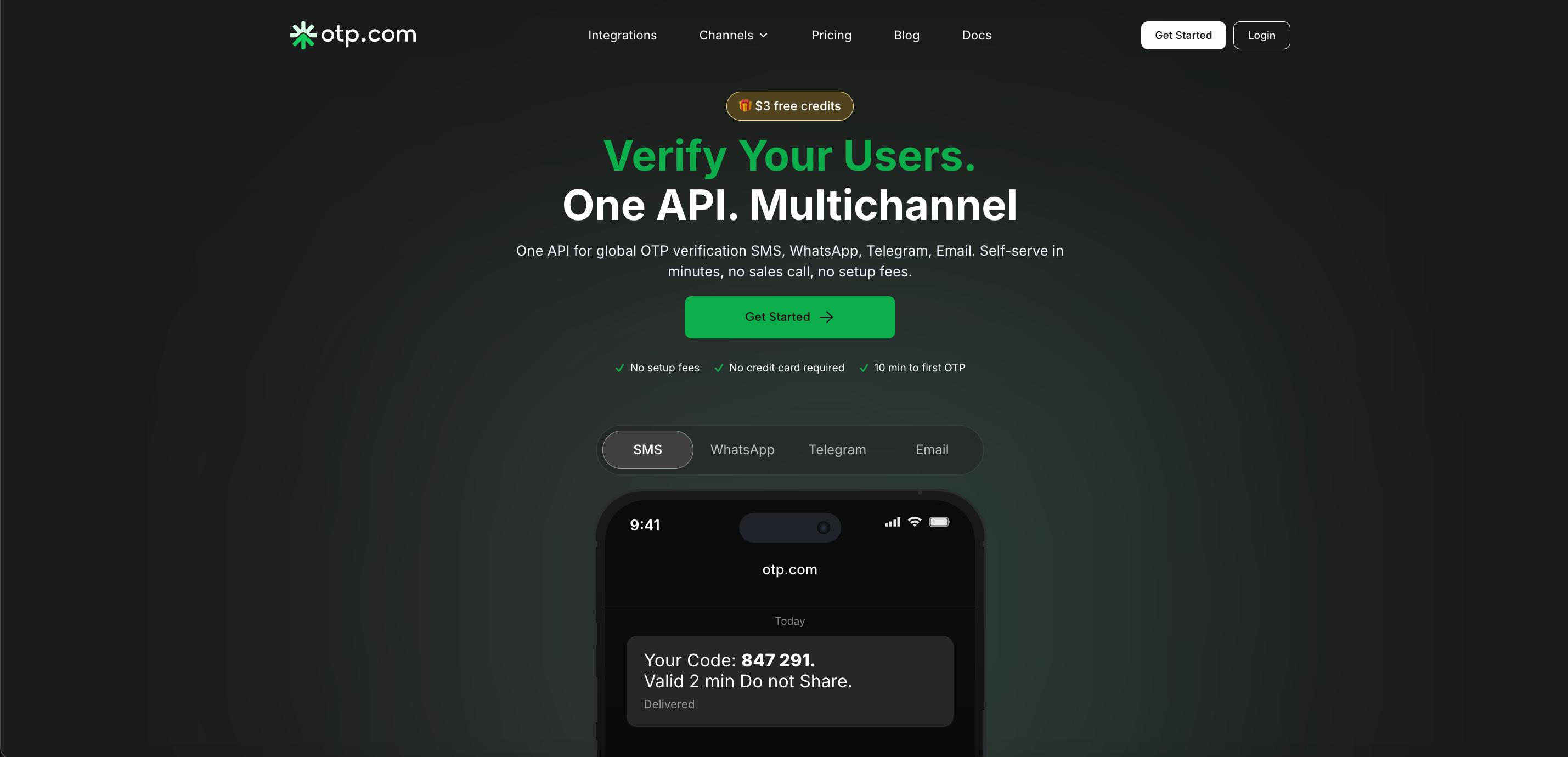
OTP.com Review: One API to Unify SMS, WhatsApp, Email, and Telegram OTP Delivery
In-depth review of OTP.com: a single API unifying SMS, WhatsApp, Email, and Telegram OTP channels to cut integration costs and boost delivery rates for developers.
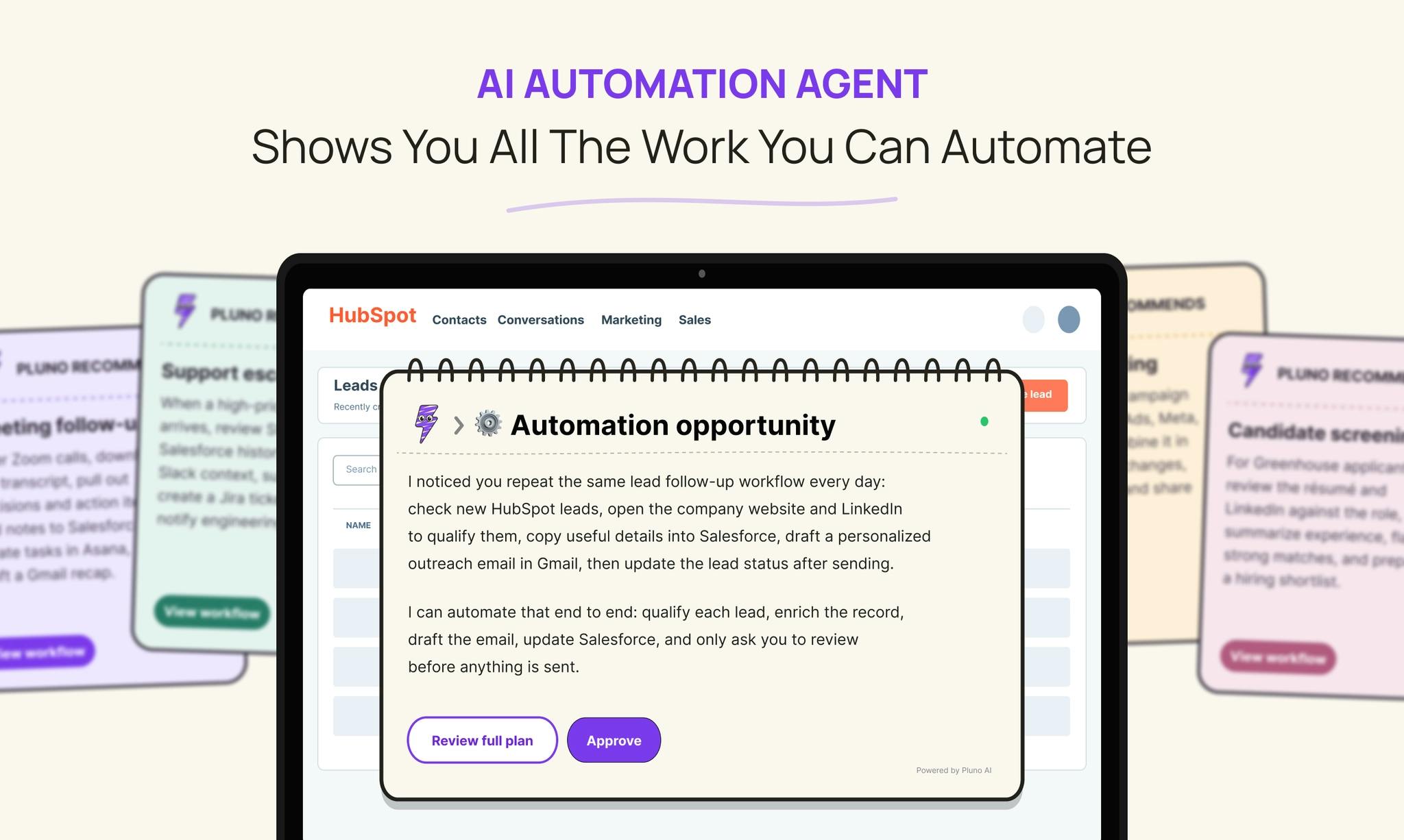
Pluno Review: An AI Chrome Extension That Proactively Discovers Automation Opportunities
Pluno is an AI Chrome extension that proactively discovers and executes automation tasks. No manual workflow setup needed — it observes user behavior, identifies repetitive tasks, and proposes automation solutions.