Does a $1 Billion Investment Buy a Pulled Documentary? HBO Sticks to Airing Critical Elon Musk Film

After a $1B Musk-linked investment in Skydance, its CEO says HBO will still air a documentary critical of Musk.
After Skydance secured a $1B investment tied to Elon Musk, questions arose over whether HBO would pull a documentary critical of him. Skydance CEO David Ellison confirmed HBO will air it as planned, signaling that capital injection does not equal content censorship authority. The case highlights governance challenges when investors overlap with reporting subjects.
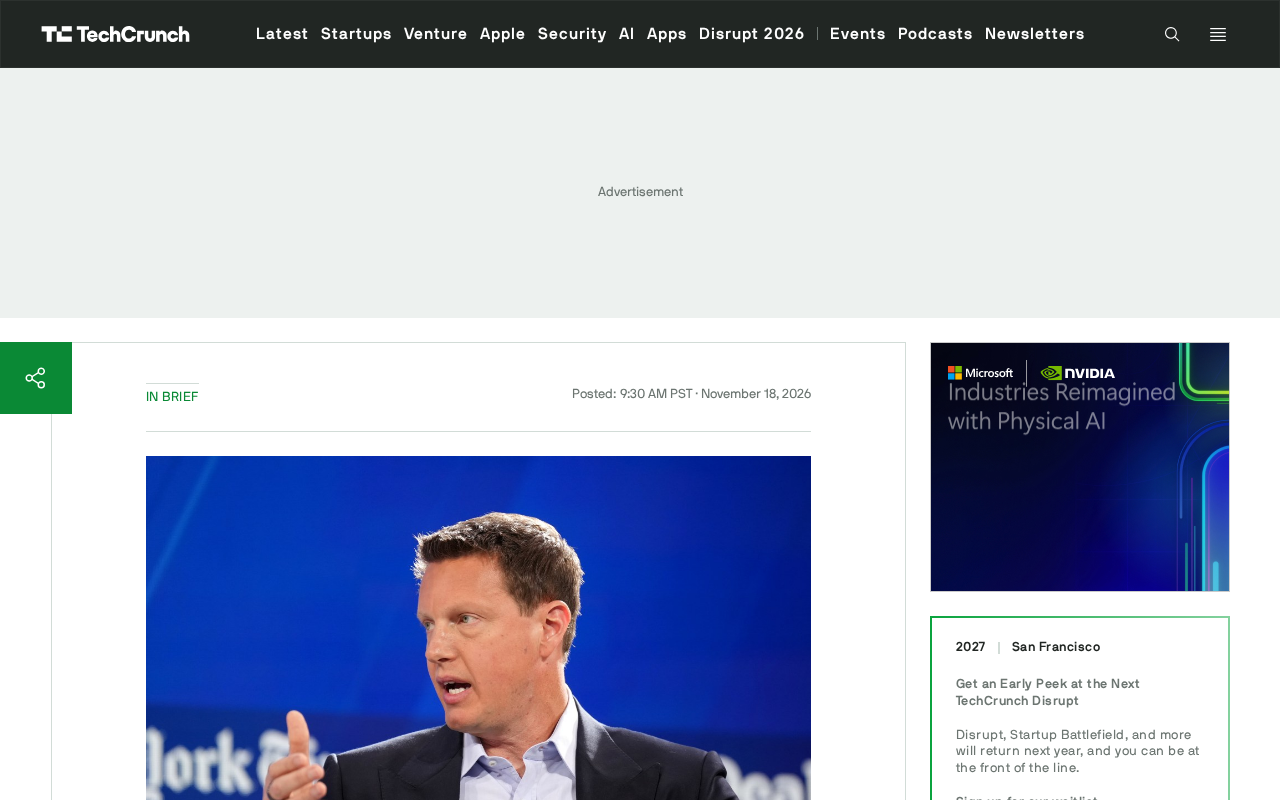
When the tension between capital and editorial independence resurfaces in the media industry, HBO has given a clear answer. Skydance CEO David Ellison publicly stated that despite the company receiving a $1 billion investment tied to Elon Musk, HBO will still air the documentary—which is sharply critical of Musk—as planned.
One Investment, Questions About Editorial Independence
The origins of this story are straightforward. After news emerged that Skydance had secured a massive investment from Musk's side, attention quickly turned to a sensitive question: would Musk's considerable stake in the company materially influence HBO's—Skydance's subsidiary—decision to release this critical documentary?
These concerns are not unfounded. When the subject of criticism simultaneously becomes a major stakeholder in the parent company, how media organizations draw the line between commercial relationships and content independence has long been a focus of attention both inside and outside the industry. Ellison's statement is a direct response to that scrutiny.
Skydance and HBO's Corporate Relationship: Skydance Media is a film and television production company founded by David Ellison, which has been involved in producing franchises such as Mission: Impossible and Terminator. In 2024, Skydance reached a merger agreement with Paramount Global; after the deal closed, Skydance effectively controlled multiple content brands under Paramount, including CBS, MTV, and HBO (HBO is a brand under Warner Bros. Discovery; the original wording here may be imprecise, but according to context, Skydance's investment relationship affected the environment for HBO's content decisions). As Skydance's CEO, Ellison's public commitments are binding on content scheduling across the platforms under the company. Understanding this corporate structure helps clarify how capital travels through parent-subsidiary chains to shape specific content decisions.
Ellison's Clear Statement: Content Decisions Are Not Subject to Capital Interference
According to the original report, Ellison confirmed in his response that HBO will air the documentary as usual, and the investment relationship will not change the established content scheduling plans. The value of this statement lies in its attempt to send a signal to the market: capital injection does not equal content censorship authority.
From a corporate governance perspective, Ellison's public commitment is also a declaration of self-restraint. When a CEO publicly endorses editorial independence, he is effectively setting expectations for future decisions—any action to the contrary will face higher reputational costs.
Editorial Independence: The principle that a media organization's newsgathering, editing, and content decisions are not subject to interference from owners, advertisers, or political forces. In the European and American media industries, editorial independence is typically safeguarded through internal charters, ethical guidelines, and independent oversight mechanisms. When media outlets are acquired by non-media capital, this principle often faces tests—investors may exert influence indirectly through budgets, staffing, or scheduling. Ellison's statement essentially reaffirms this principle, but its effectiveness depends on whether there are institutionalized enforcement processes rather than merely a CEO's verbal promise.
Capital and Content in the Streaming Era
This incident reflects a deeper structural problem in the industry. Amid fierce streaming competition, technology capital has poured into content production and distribution, and overlap between investors and the subjects of reporting is becoming increasingly common. Musk himself is both a tech company leader and a frequent figure in media content and a subject of criticism—this dual identity makes the boundary question especially acute.
For HBO, sticking with the broadcast means potentially facing short-term tension with its investor; but the reputational cost of pulling it could be even higher. For HBO, known for high-quality documentaries and serious content, editorial independence is itself a core component of its brand equity.
Conflict-of-Interest Disclosure Mechanisms: In media governance, when investors have significant interests tied to the subjects of reporting, standard disclosure mechanisms require companies to make public the ownership stake, investment terms, and any agreements that could affect content decisions. Currently, the U.S. Federal Communications Commission (FCC) and Securities and Exchange Commission (SEC) have some requirements for such disclosures, but there is no unified mandatory standard for content independence on streaming platforms. Industry observers often call for establishing third-party oversight structures such as "editorial independence committees" to ensure transparency in capital relationships and avoid potential censorship or self-censorship.
An Industry Signal: Can the Promise Withstand Subsequent Tests
Ellison's statement provides the industry with a reference case, but the real test lies in execution. From the announcement of a documentary's broadcast to its actual release, the process involves scheduling, promotion, editing, and many other steps—any subtle change at any stage could be interpreted by outsiders as the result of capital pressure.
Moreover, a commitment in a single case does not automatically constitute an institutional safeguard. Whether media companies will establish clearer conflict-of-interest disclosure mechanisms and editorial independence review processes will determine whether such commitments are isolated statements or sustainable governance practices. For observers concerned about the media ecosystem, whether this documentary ultimately reaches audiences in complete, unmanipulated form is the key indicator of how much this statement is really worth.
One-line Summary
After Skydance received a $1 billion investment from Musk, its CEO promised HBO will still air the documentary critical of Musk.
Paragraph Summary
After Skydance received a $1 billion investment tied to Elon Musk, questions arose over whether its HBO would pull a documentary critical of Musk. Skydance CEO David Ellison publicly confirmed that HBO will air the film as planned and that the investment relationship will not interfere with content decisions. The statement aims to uphold editorial independence and signal to the market that capital injection does not equal content censorship authority. The incident reflects the governance challenges of overlapping investor and subject identities as tech capital pours into content in the streaming era. The real effectiveness of the promise depends on whether the documentary ultimately launches unmanipulated and whether the company establishes institutionalized conflict-of-interest disclosure and editorial independence review mechanisms.
Related articles

Gemini 4 Neon Leak: A Potential Strong Contender Against Opus 5.5
A Hacker News thread suggests Gemini 4 Neon looks like an Opus 5.5 competitor. This article unpacks the product positioning behind this community signal, shifts in the top-model competitive landscape, and what it means for developers' model selection strategy.

Claude Fable 5.2's Self-Authored Short Film 'Fable' Sparks Discussion
A short film 'Fable,' credited to Claude Fable 5.2 for script, visuals, and directing, appears on Hacker News. This article analyzes the significance of full-pipeline AI creation, community reactions, and what it means for content creators.

Anthropic IPO Pricing: A Signal of AI Giants Going Public
Anthropic's IPO pricing draws attention. This article analyzes its potential impact on AI industry valuation, commercialization paths, and the competitive landscape, and highlights public-market expectations and challenges for AI companies.