f.Tintra: Free Open-Source Android Color Picker — Privacy-First, No Ads

f.Tintra is a free, open-source Android app for pixel-accurate HEX/RGB color picking — no ads, no tracking.
f.Tintra, developed by Flakesoft, is a lightweight open-source Android color picker that lets you tap any pixel in an image and instantly copy its HEX or RGB value. Built with Flutter and Material 3, it supports Dynamic Color on Android 12+, carries no ads or trackers, and is released under GPL v3.0. An F-Droid listing is also on the roadmap.
A Focused, Open-Source Android Color Picker
In mobile design and development workflows, extracting colors from images with precision is a frequent need for designers, front-end developers, and content creators alike. The open-source organization Flakesoft has built an Android app called f.Tintra with a singular, uncompromising purpose: open an image, tap any pixel, and instantly copy that color in HEX or RGB format.
Unlike the ad-laden, tracking-heavy alternatives flooding the market, f.Tintra was built from the ground up around three core principles: free, open-source, and privacy-friendly. It supports Android 7.0 and above, is released under the GNU GPL v3.0 license, and is fully hosted on GitHub — open for anyone to audit, modify, or distribute.
Core Features, Unpacked
f.Tintra's design philosophy follows the "less is more" ethos. Rather than piling on complex features, it focuses on doing the core color-picking task exceptionally well.
Pixel-Accurate Color Detection with One-Tap Copy
Users can open any image from their device and tap a specific pixel to retrieve its color. The app emphasizes pixel-level precision, which matters most when matching design mockups or extracting brand colors.
HEX and RGB are the two most universal color formats in digital design. HEX format — like #3A7BD5 — consists of a hash sign followed by six hexadecimal digits, where each pair represents the intensity of the red, green, and blue channels (0–255). Its conciseness makes it the go-to in CSS, HTML, and design tools. RGB format expresses the same data directly as rgb(58, 123, 213), which feels more intuitive in programming and image processing contexts.
The technical challenge in pixel-accurate color picking lies in precise coordinate mapping: the screen coordinates of a tap must be accurately translated into image pixel coordinates, and then the raw color data at that pixel must be read. Any coordinate offset or color space conversion error will result in a distorted color value. Once picked, the color can be copied with a single tap — HEX (e.g., #3A7BD5) or RGB — ready to paste directly into a code editor or design tool.
Modern Material 3 Interface
The app is built on Google's latest Material 3 design system and delivers several thoughtful UX details:
- Automatic light/dark mode: follows the system theme seamlessly;
- Dynamic Color support: on Android 12+ devices, the app's color scheme is generated from the system wallpaper, integrating visually with the rest of the OS.
Material 3 (also known as Material You) is Google's third-generation design language, introduced with Android 12 in 2021. Its flagship innovation is the Dynamic Color system, powered by Google's in-house Monet algorithm. Monet extracts dominant tones from the user's wallpaper and automatically generates a complete palette — primary, secondary, background, and more — applied across the system UI and compatible apps.
For developers, adopting Dynamic Color means the app doesn't need hardcoded brand colors; instead, it "borrows" from the system palette, blending visually into the broader Android ecosystem. This is particularly meaningful for a color-centric tool — an app that handles color should itself respond to color gracefully. These details keep f.Tintra feeling at home in the modern Android ecosystem, avoiding the "functional but dated" look that plagues many niche utilities.
Technical Stack: Flutter Cross-Platform Approach
f.Tintra is built with Flutter, using Material 3 for the UI layer and relying on the mature Dart libraries image and image_picker for image handling.
Flutter is Google's cross-platform UI framework, written in Dart, which renders its interface via a self-contained graphics engine (Skia/Impeller) — sidestepping the inconsistencies of native UI components across platforms. On the image-processing side, image_picker handles system gallery or camera access and is one of the most widely used media-selection libraries in the Flutter ecosystem. The image library is a pure Dart implementation for image decoding and pixel manipulation, supporting JPEG, PNG, and other common formats — capable of reading the RGBA value at any coordinate without relying on native code.
This pure-Dart approach offers strong portability: in theory, the same pixel-parsing logic could run seamlessly on Android, iOS, and desktop.
The choice of Flutter reflects a few practical considerations: cross-platform potential (the current version focuses on Android, but Flutter naturally leaves the door open for iOS or desktop expansion), and development efficiency (for a lightweight utility app targeting simplicity and modernity, Flutter's declarative UI and hot reload significantly reduce iteration costs). Using image_picker for image selection and the image library for pixel parsing is a pragmatic and lean implementation path.
Privacy-First Product Philosophy
What makes f.Tintra most noteworthy isn't just its features — it's the values it embodies. The app makes explicit commitments:
- 🚫 No ads
- 🔒 No tracking
- 🆓 100% free and open-source
At a time when most mobile apps depend on ad monetization and data collection, this stance is refreshingly rare. Flakesoft's mission is to build "simple, modern, privacy-friendly" open-source apps, and f.Tintra is a direct expression of that ethos.
For privacy-conscious users, open-source means transparency — all code is auditable, with no risk of data being silently exfiltrated. The GPL v3.0 license's strong Copyleft provisions reinforce this guarantee further: any derivative work distributed based on this code must also be released under GPL v3.0 with full source code available. This means developers cannot quietly introduce proprietary tracking code in a future release without violating the license — providing an institutional backstop for the privacy promise, and forming a trust contract with the community.
Roadmap and Upcoming F-Droid Listing
According to the official roadmap, f.Tintra version 1.1 plans to include:
- Adaptive launcher icon
- Fastlane metadata for F-Droid (upcoming listing on the F-Droid open-source app store)
- UI improvements
- Support for additional color formats
The planned F-Droid listing is a meaningful signal. F-Droid is an independent app store dedicated to free and open-source software (FOSS) on Android, maintained by community volunteers. Unlike the Google Play Store, F-Droid reviews source code before accepting an app and flags any "Anti-Features" — such as trackers, ad libraries, or non-free dependencies. More critically, F-Droid builds APKs from source code itself rather than using developer-submitted binaries, minimizing supply chain security risks.
Fastlane metadata refers to the standardized set of description files — including app descriptions, screenshots, and changelogs — required by F-Droid for the review process. Planning to ship on F-Droid means f.Tintra will reach users who have actively opted out of Google services and hold higher privacy standards. This audience aligns perfectly with f.Tintra's positioning, and will help it connect with a broader privacy-aware user base.
Closing Thoughts
f.Tintra may not dazzle with a sprawling feature set, but it gets the right things right: solving a high-frequency, small-scope problem with care, while holding firm on open-source and privacy principles. For designers, developers, and anyone who needs to extract HEX or RGB colors from an image, it's a lightweight, clean, and friction-free choice.
In an era where more and more apps grow bloated and aggressively monetized, small-but-polished open-source tools like this tend to earn users' lasting trust. If you're curious, head over to its GitHub Releases page to download and try it out.
Related articles
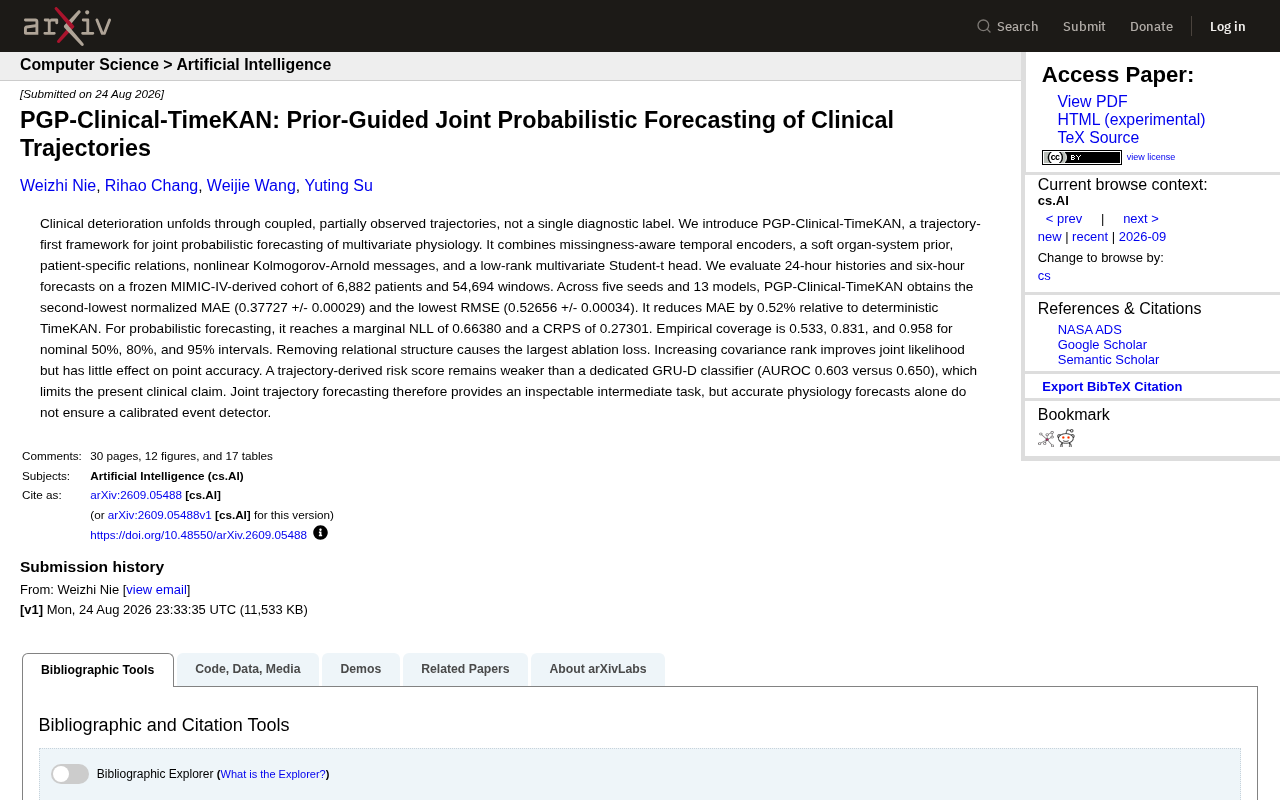
PGP-Clinical-TimeKAN: A Detailed Guide to the Multivariate Physiological Indicator Joint Prediction Framework
An in-depth analysis of the PGP-Clinical-TimeKAN framework for joint probabilistic prediction of multivariate physiological indicators, covering trajectory-first paradigm, KAN message passing, MIMIC-IV validation, and ablation studies.
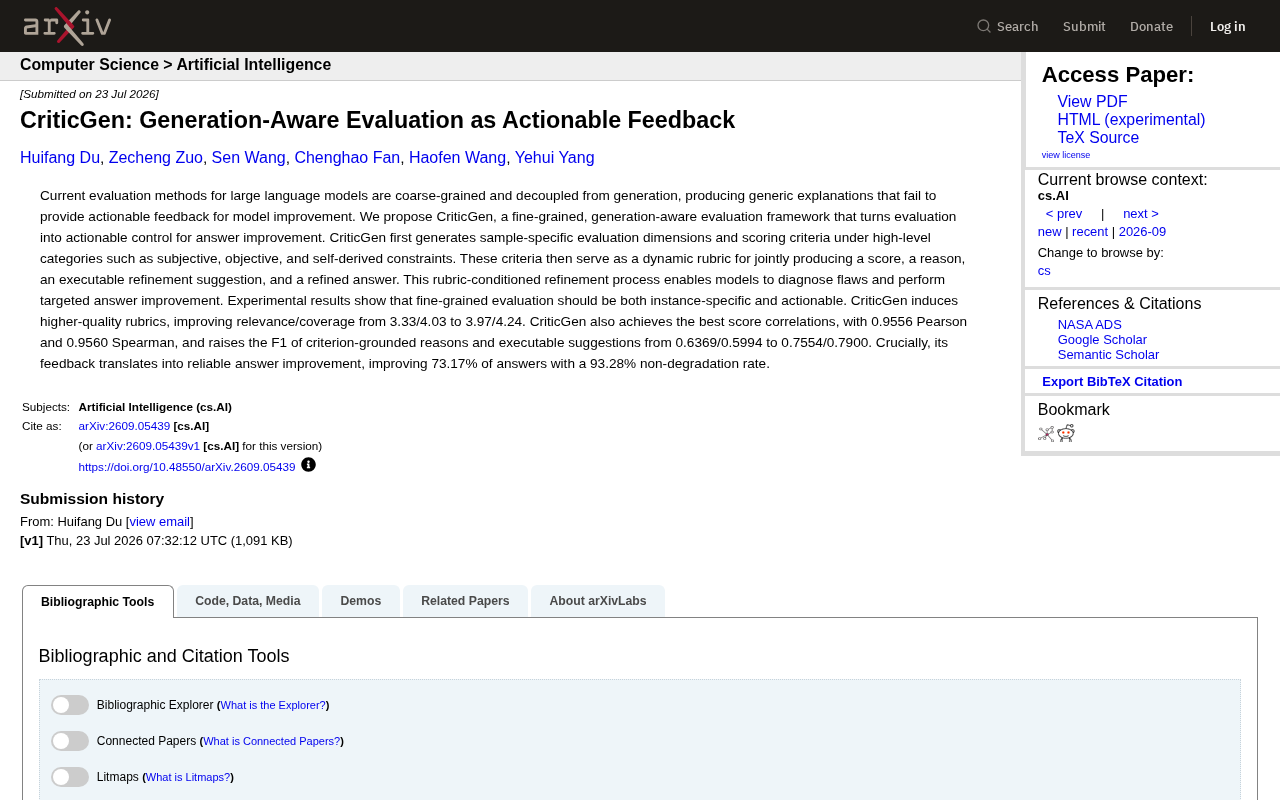
CriticGen: A New Framework That Transforms AI Evaluation into Actionable Improvement Feedback
CriticGen proposes a generation-aware evaluation framework that transforms AI assessment from passive scoring to an active optimization loop, achieving 73.17% answer improvement and 93.28% non-degradation rate.
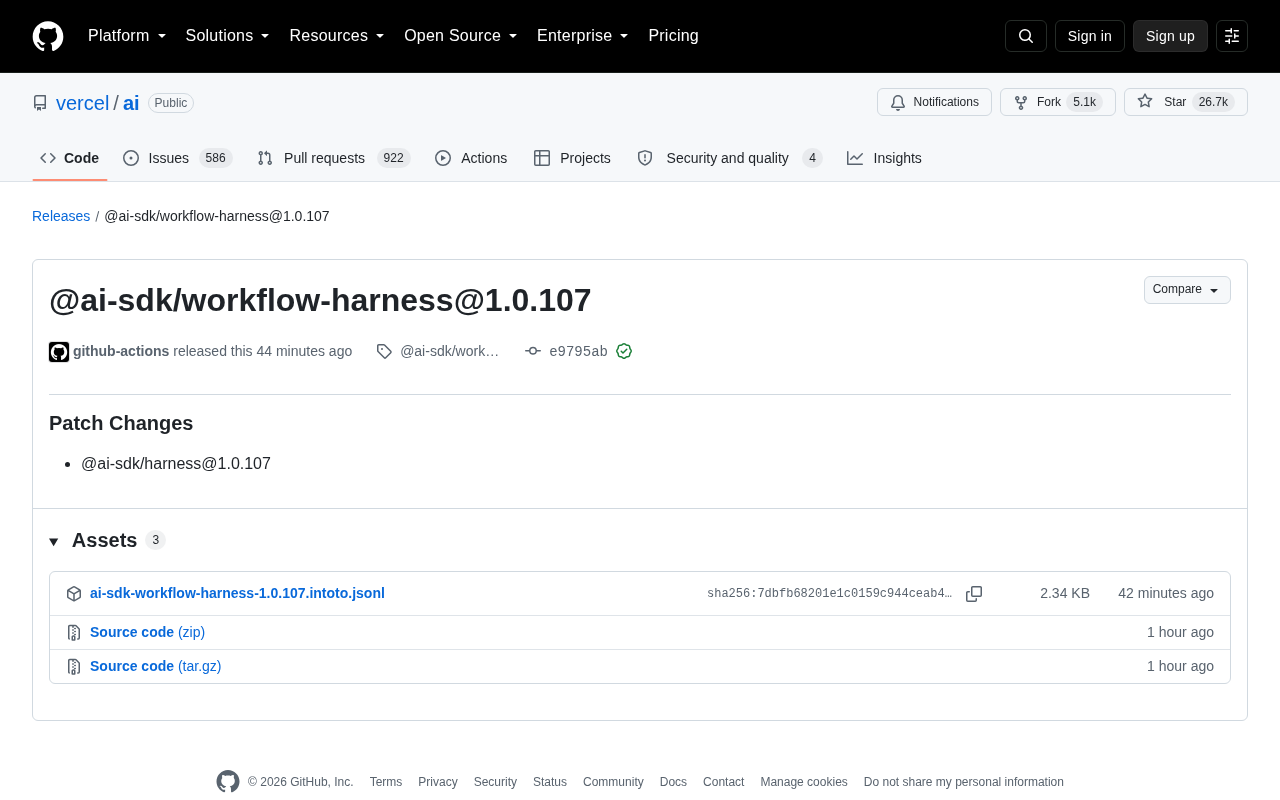
Vercel AI SDK workflow-harness Update Analysis
Deep analysis of Vercel AI SDK workflow-harness 1.0.107 update: architecture design, engineering practices, and developer value for building reliable AI apps.