FrameSketch: A Local Tool for Frame-by-Frame Video Browsing with 60fps Hand-Drawing Annotation
FrameSketch is a client-side frame-by-frame video annotation tool for animators with 60fps drawing and zero data uploads.
FrameSketch is a niche tool for animators, VFX artists, and motion designers that combines frame-by-frame scrubbing with instant freehand annotation on a single canvas at 60fps, eliminating the friction of switching between multiple apps. Its standout feature is 100% client-side processing with zero cloud uploads, addressing privacy and compliance concerns for commercial assets while enabling offline use. Built by an independent developer, it earned 62 upvotes on Product Hunt at launch. Still early-stage with drawing tool depth and format compatibility to be verified, but a practical option for creators who need frame-level analysis without compromising asset privacy.
FrameSketch: The Frame-by-Frame Annotation Tool Built for Animators
For animators, VFX artists, and motion designers, analyzing video frame by frame is a core part of daily work. Whether you're studying movement principles, checking action timing, or marking up reference footage, a smooth and privacy-conscious tool can make a meaningful difference in your workflow. FrameSketch is built precisely for this need: drag in any video, scrub through it frame by frame, and draw annotations directly on the canvas at a buttery-smooth 60fps.
Core Features: Frame-by-Frame Scrubbing + Hand Drawing
FrameSketch has a sharp focus — it's not a general-purpose video editor, but a tool dedicated to two specific actions: "frame-by-frame scrubbing" and "instant freehand drawing." Users can drag in any video file, scrub through it with frame-level precision, and draw directly on whatever frame needs annotation.
For animation professionals, this combination hits a real pain point. When studying a motion reference, you often need to pause on specific frames to mark weight lines, motion arcs, or timing intervals. The traditional workflow might involve switching between multiple tools — a video player for playback and a drawing app for markup, with manual alignment in between. FrameSketch merges these two steps into a single canvas, eliminating the friction of tool-switching.
The 60fps smoothness is a key technical selling point. Any lag during frame scrubbing or drawing directly disrupts the creative flow, and high-framerate rendering ensures immediate, responsive feedback.
In the animation industry, "scrubbing" refers to a specific workflow concept — dragging through a timeline to review footage frame by frame or in slow motion, rather than playing it at normal speed. Professional animation software like Adobe Animate, Toon Boom Harmony, and DaVinci Resolve all have built-in precision scrubbing, but these are production tools rather than lightweight analysis tools. For animators who frequently reference external footage, opening a reference clip in these apps often requires creating a new project, importing assets, and other cumbersome steps. FrameSketch's drag-and-drop model dramatically lowers that barrier.
Privacy First: 100% Client-Side Processing
Another standout design choice in FrameSketch is its commitment to privacy. The product explicitly states "zero cloud uploads, 100% client-side privacy," meaning all video files are processed locally in the user's browser or device and never sent to any server.
This matters especially for professional users. Assets in VFX and animation projects often involve unreleased commercial content or materials covered by NDAs. Uploading such footage to third-party cloud services carries real compliance risks. A fully client-side approach eliminates that concern, and also removes the wait time associated with uploading and downloading, keeping the workflow seamless.
From a technical standpoint, client-side processing also means the tool has minimal network dependency and can even be used in offline environments.
Client-side video processing relies technically on the browser's native HTML5 Video API or WebAssembly (WASM). Modern browsers can decode mainstream formats like MP4 and WebM locally without transmitting files to a server, while the Canvas API or WebGL handles real-time freehand drawing overlaid on video frames. This purely front-end architecture has matured in recent years alongside improvements in browser performance, and underpins parts of tools like Figma and Canva as well. For users, client-side execution means no account registration required, no cloud-side file size bottlenecks, and no dependency on server uptime — the tool's availability is entirely determined by local hardware.
Target Users and Use Cases
FrameSketch has a clearly defined target audience: animators, VFX artists, and motion designers. These users have professional needs for frame-level precision and annotation capabilities that ordinary video players simply can't meet.
Typical use cases include:
- Motion Analysis: Break down the movement of characters or objects frame by frame, annotating trajectories and timing.
- Action Reference Markup: Draw construction lines over key poses on live-action reference footage.
- Collaborative Feedback: Add annotations on specific frames to communicate revision notes to a team.
- Teaching and Demonstration: Instructors or mentors can draw directly on demo videos to highlight key points.
As a product launched on Product Hunt, FrameSketch was built by independent developer Ali Asgar Khawasawala and falls under the Design Tools and Productivity categories. It earned 62 upvotes and ranked #18 on its launch day — a solid result for a niche vertical tool.
Product Thinking: The Value of Small but Focused Tools
FrameSketch embodies a "small but specialized" product philosophy — rather than piling on features, it does one or two high-frequency tasks extremely well. For professional users with a specific pain point, this kind of focused tool often wins out over bloated, all-in-one software.
That said, based on currently available information, FrameSketch is still an early-stage product with relatively few reviews. Details such as the richness of its drawing tools, format compatibility, and export capabilities have yet to be fully validated. Whether it can establish itself among competing tools will depend on whether it can continue refining the functional details that professional users actually need, beyond its two core selling points of smoothness and privacy.
For creators who are looking for a lightweight frame-by-frame annotation solution and have concerns about asset privacy, FrameSketch is worth a try.
Related articles
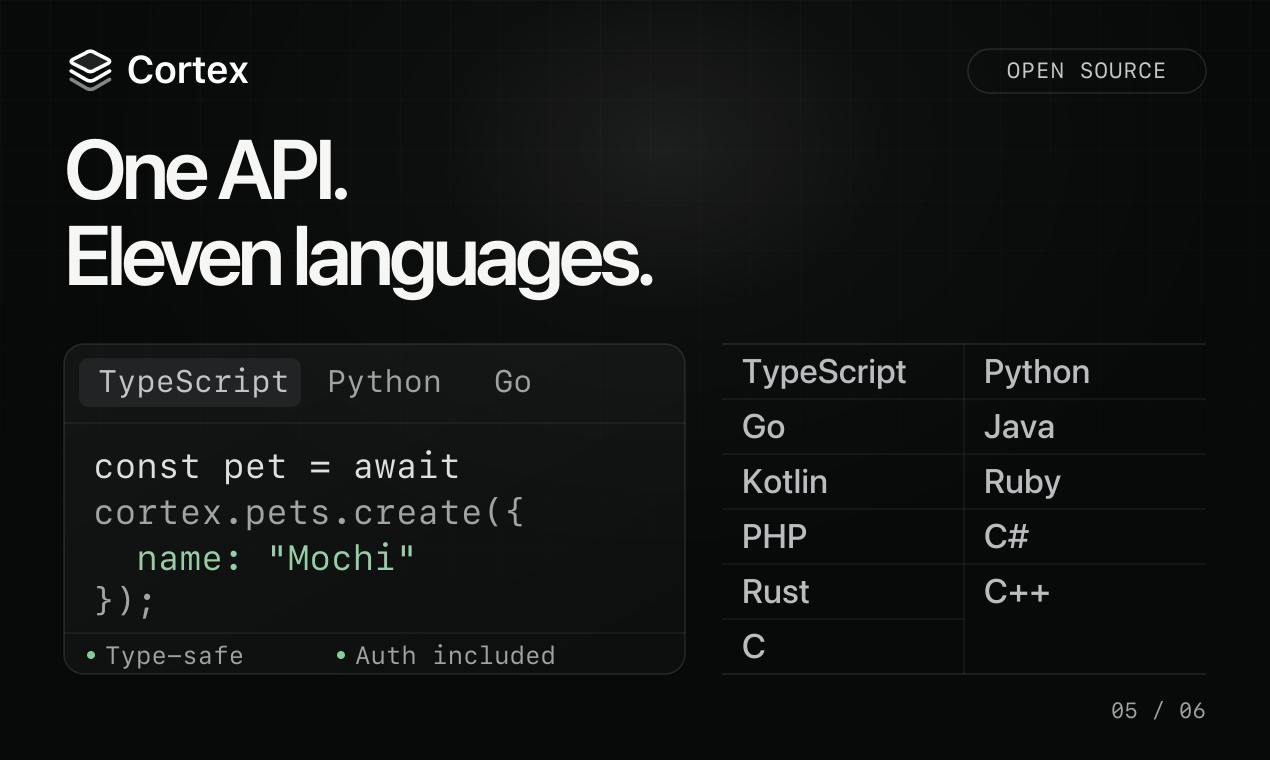
Cortex: Convert API Specs into Docs, SDKs, and MCP Servers in One Click
Cortex is an open-source tool that converts OpenAPI, GraphQL, gRPC and more into interactive docs, typed SDKs in 11 languages, and MCP servers for AI agents.
ABrush: An AI Studio Built for Digital Artists
ABrush is an AI studio for digital artists, ranked #4 on Product Hunt. It embeds leading AI models into existing workflows to remove repetitive tasks, speed up iteration, and keep artists in control.
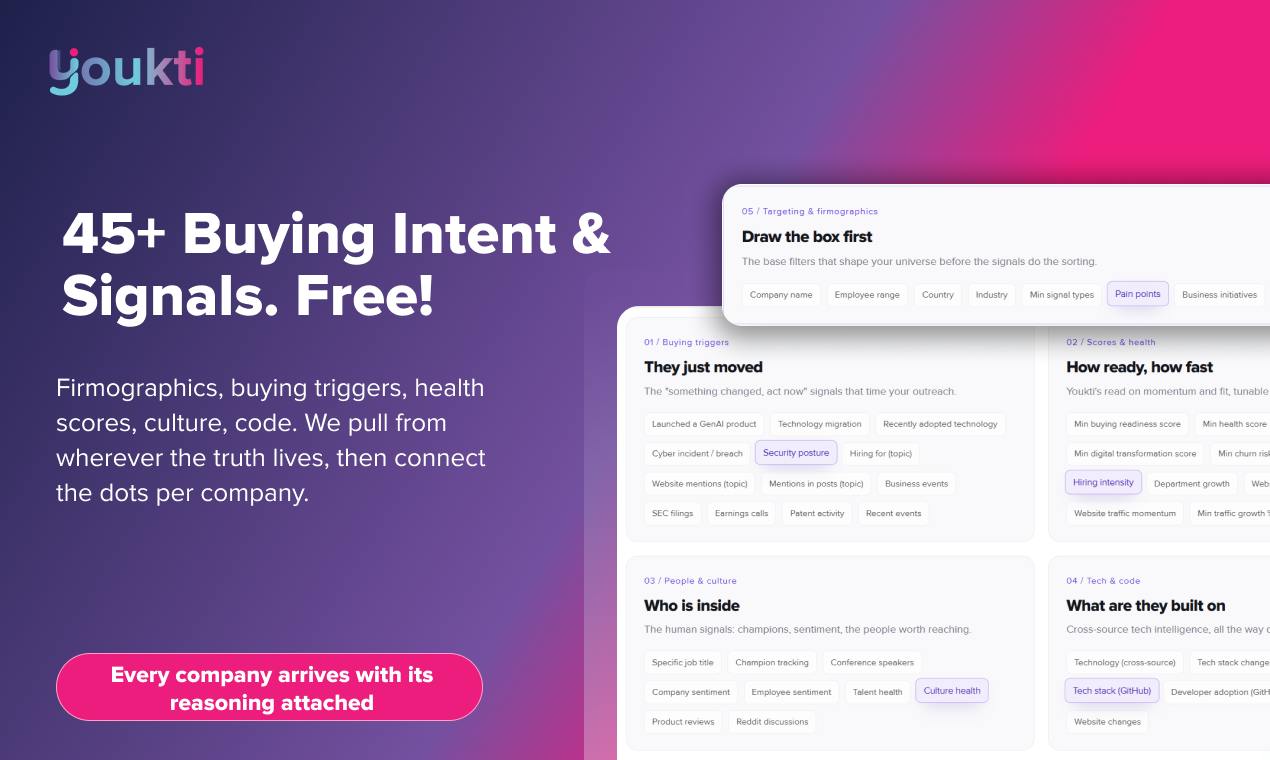
Youkti: An AI That Remembers Every Deal and Tells Your Sales Team What to Do Next
Youkti is an AI sales assistant that hit #2 on Product Hunt. It remembers every account, conversation, and deal — then tells your team exactly what to do next. Contact data, buying signals, and intent data are all free.