General Motors Updates Native Infotainment Software, Makes Peace with CarPlay
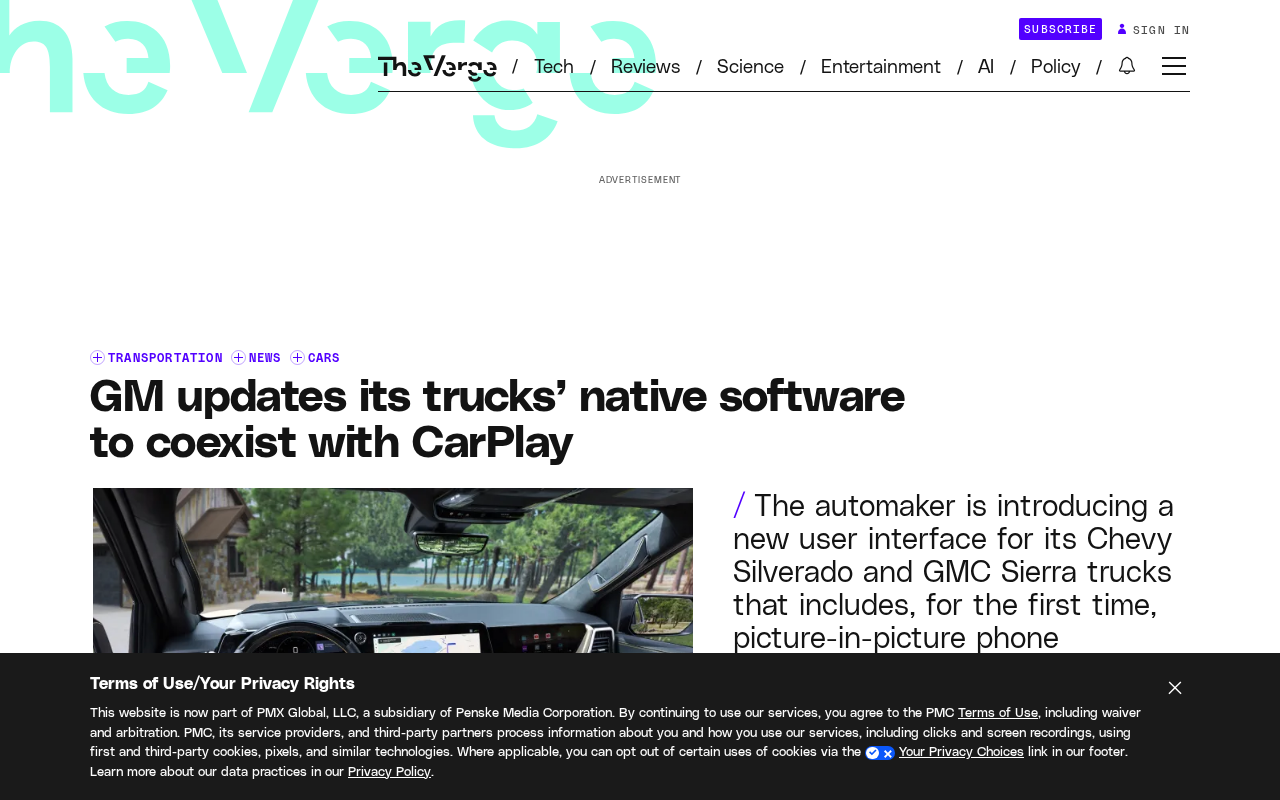
GM adds picture-in-picture CarPlay/Android Auto support to its trucks, signaling a retreat from its anti-phone-mirroring stance.
General Motors is updating its best-selling pickup trucks' native infotainment software with two key changes: streamlining high-frequency controls to reduce dangerous touchscreen interactions while driving, and introducing a picture-in-picture mode that lets Apple CarPlay and Android Auto run alongside the native system. This marks a notable contrast to GM's earlier stated plans to phase out phone mirroring on its EV lineup, and reflects a pragmatic shift toward coexistence. For users, it means no longer having to choose between native controls and familiar smartphone ecosystems; for the industry, it reinforces that fully bypassing Apple and Google's phone mirroring platforms remains a steep uphill battle.
General Motors Shifts Strategy: Embracing Coexistence with Phone Mirroring
General Motors is improving the software experience for its best-selling pickup trucks, with the primary goal of reducing the dangerous tapping and swiping required to access the most frequently used features while driving. While this may look like a routine infotainment upgrade on the surface, it signals a subtle but meaningful shift in GM's in-cabin interaction strategy.
Perhaps more noteworthy is GM's introduction of a new picture-in-picture display mode for Apple CarPlay and Android Auto. Given that GM had previously and publicly expressed resistance to phone mirroring solutions, this move can reasonably be seen as a pragmatic olive branch.
From "Eliminating Phone Mirroring" to "Coexistence"
GM had previously made clear its plans to phase out CarPlay and Android Auto on certain electric vehicle models in favor of its own in-house infotainment system. That decision sparked considerable controversy among customers and industry observers at the time, as CarPlay and Android Auto had already become key purchase considerations for many buyers.
This latest update for GM's truck lineup takes a decidedly different approach, explicitly built around the idea of "coexistence" — letting the native software and phone mirroring solutions run side by side. The addition of picture-in-picture means users can continue using CarPlay or Android Auto while still retaining quick access to native vehicle controls. This design attempts to serve both camps without forcing a choice.
Safety-Driven Interaction Improvements
A core motivation behind this software upgrade is driving safety. GM has stated a desire to reduce "dangerous tapping and swiping" during driving. Touchscreen-based in-car interaction has faced growing criticism in recent years, with overly layered menus and touch gestures significantly increasing the risk of driver distraction.
Surfacing the most commonly used controls to the top level of the interface — reducing the number of steps required to complete a task — is an important trend in automotive Human-Machine Interface (HMI) design. By rolling out these improvements on its high-volume truck models, GM is signaling that software-defined vehicles demand serious attention to user experience detail.
The debate over touchscreen safety in automotive HMI design has been ongoing for years. The National Highway Traffic Safety Administration (NHTSA) and multiple independent studies have found that drivers' eyes leave the road for an average of several seconds when interacting with in-car touchscreens — far longer than operating a physical knob or button. Some research has even compared the cognitive load of complex touchscreen operation to mild intoxication. Against this backdrop, automakers like Volvo and Volkswagen have recently begun reintroducing physical buttons, while GM's approach here takes a different path: rather than adding hardware, it redesigns the interface to bring high-frequency functions to the first layer, reducing the need for multi-step operations while driving.
What This Means for Users and the Industry
For everyday users, the immediate benefits are a smoother, safer driving experience — and no longer having to choose between the native system and the familiar smartphone ecosystem they know. For the industry, GM's softened stance suggests that fully abandoning CarPlay and Android Auto still faces significant market resistance at this stage.
Phone mirroring solutions have already built deeply ingrained user habits. For automakers looking to promote their own in-house systems, the more realistic path may be "coexistence" rather than "replacement" — first closing the experience gap with native software, then gradually guiding users over time. GM's picture-in-picture approach can be seen as one example of this kind of incremental strategy.
Note: This article is based on limited source material. Specific vehicle model availability, launch timing, and feature details are still pending official disclosure from GM.
Background
Apple CarPlay debuted in 2014, with Android Auto following in 2015. The core concept of both systems is to "mirror" a smartphone's interface and apps onto the vehicle's display — navigation, music, calls, and other functions are processed by the phone, with the head unit serving only as a display and input terminal. The advantages are clear: high user familiarity, a mature app ecosystem, real-time map updates, and a workaround for the notoriously slow software update cycles of traditional infotainment systems.
From the automaker's perspective, however, phone mirroring means ceding control over user data and in-car usage patterns to Apple or Google — directly undermining the business model behind software-defined vehicles. GM, Ford, and others had once hoped their proprietary systems could reclaim that dominance, but market response has made clear that user switching costs and entrenched habits are not to be underestimated.
Related articles
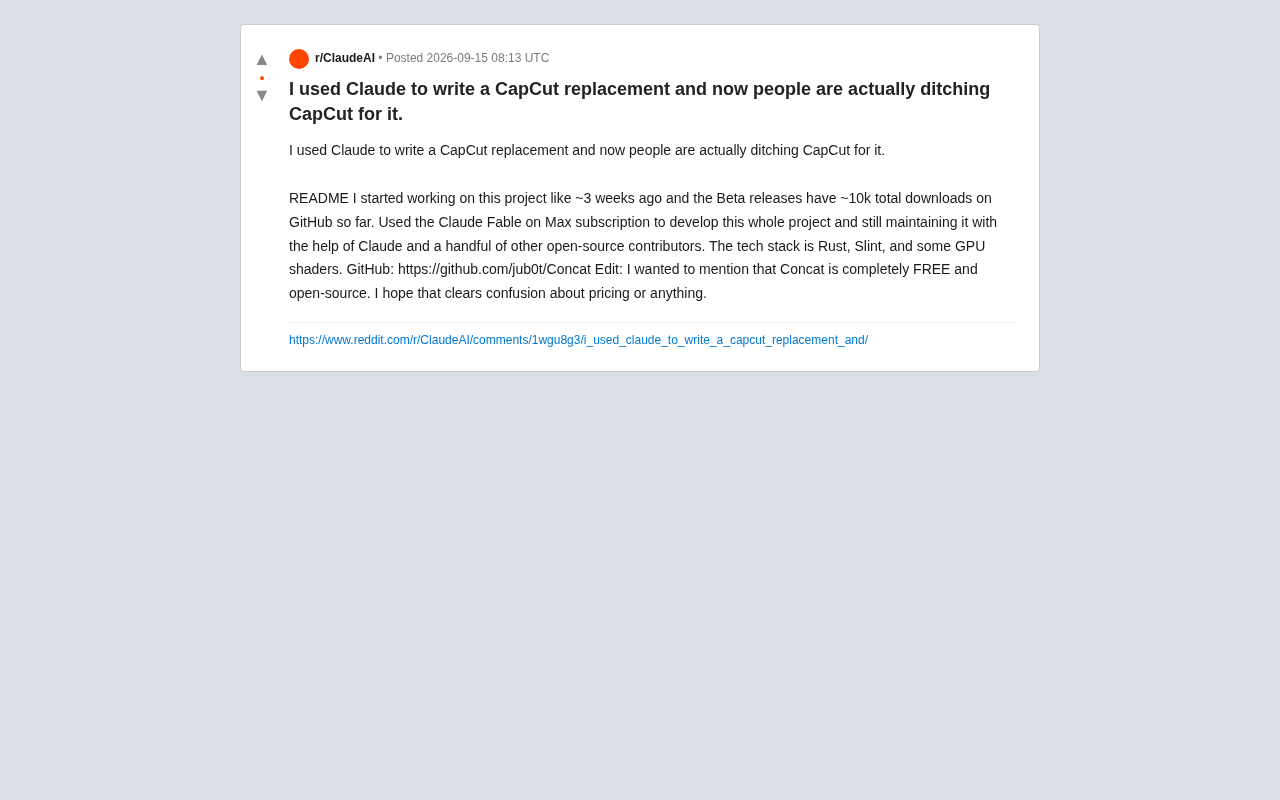
Building Open-Source Video Editor Concat with Claude: A Free Alternative to CapCut
A developer used Claude to build Concat, an open-source CapCut alternative, in just three weeks. With nearly 10K downloads, it's a striking example of AI-assisted solo development.
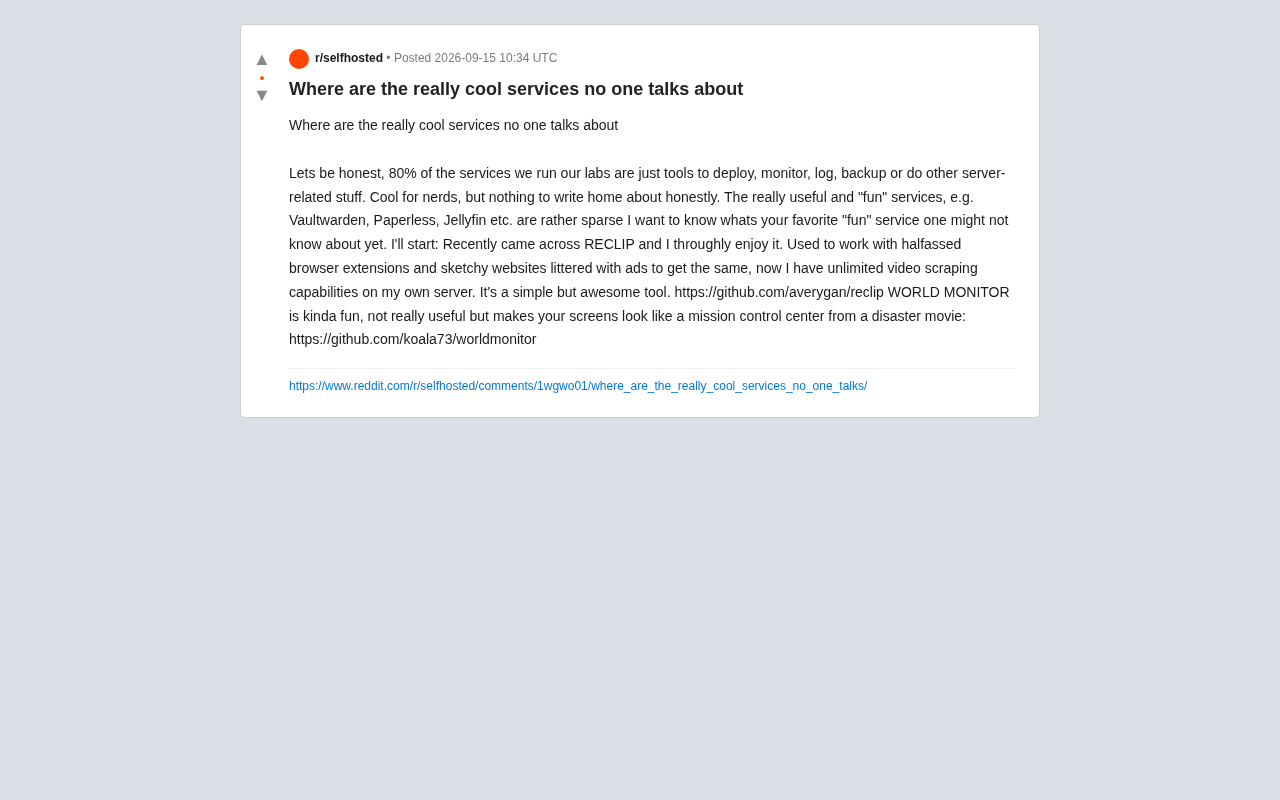
The Overlooked Gems of Self-Hosting: Fun and Useful Services Nobody Talks About
From a Reddit thread, we explore overlooked self-hosted services — including video scraper RECLIP and data viz project WORLD MONITOR — and why fun services are so rare.
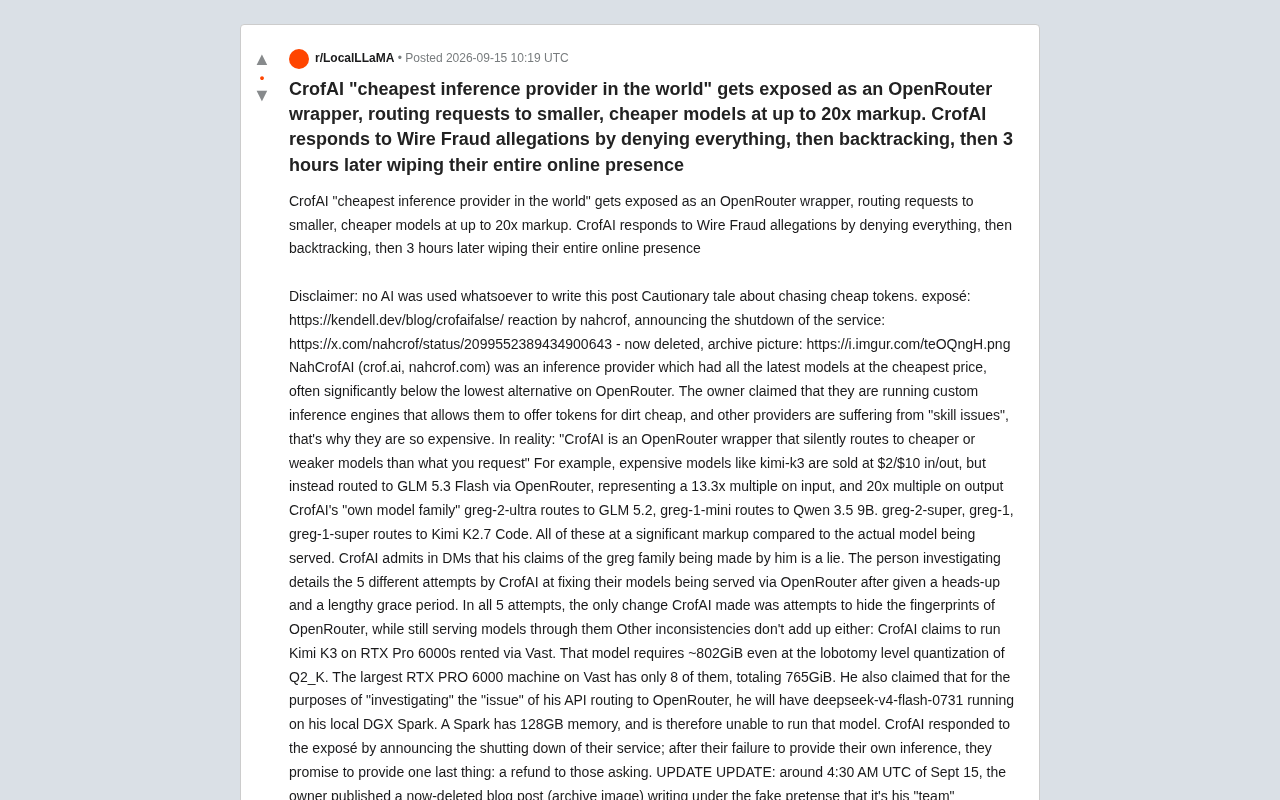
CrofAI Fraud Exposed: 'World's Cheapest AI Inference' Turns Out to Be an OpenRouter Wrapper Scam
CrofAI claimed to offer the world's cheapest AI inference, but was exposed as an OpenRouter wrapper silently rerouting requests to cheap models at up to 20x markups.