GitHub Copilot SDK Released: Embed AI Agent Capabilities Directly Into Your Applications
GitHub Copilot SDK Released: Embed AI …
GitHub's copilot-sdk lets developers embed Copilot Agent capabilities into any application or service.
GitHub has open-sourced copilot-sdk, a multi-platform SDK that allows developers to integrate Copilot Agent capabilities directly into their own applications — from CI/CD pipelines to SaaS products. This marks Copilot's evolution from an IDE plugin to embeddable Agent infrastructure, signaling GitHub's strategic push to dominate the AI Agent ecosystem alongside players like OpenAI and Anthropic.
GitHub Officially Launches the Copilot SDK
GitHub has recently open-sourced the copilot-sdk project — a multi-platform software development kit (SDK) designed to help developers integrate GitHub Copilot Agent capabilities directly into their own applications and services. The project gained immediate traction upon release, accumulating over 9,700 Stars and more than 1,300 Forks, with over 13 new Stars added in a single day. This enthusiasm speaks volumes about the developer community's strong appetite for open AI Agent capabilities.
This move marks a pivotal shift for GitHub Copilot: from an IDE-focused coding assistant to a programmable, embeddable Agent infrastructure. In other words, Copilot is no longer just a code completion tool living inside your editor — it's becoming an intelligent core that any application can call upon.
A Strategic Shift: From "Tool" to "Platform"
Expanding the Boundaries of Copilot
Historically, GitHub Copilot operated primarily as a plugin for development environments like VS Code and JetBrains, delivering value through code completion, comment generation, and unit test writing. The arrival of copilot-sdk signals that GitHub is now opening Copilot's reasoning and Agent capabilities to a much broader range of application contexts.
A Copilot Agent refers to an intelligent system capable of autonomously completing multi-step tasks — not just generating code, but understanding context, invoking external tools, and executing complete task chains. This concept stems from the rapidly maturing AI Agent paradigm: Agent systems typically comprise four core modules — Planning, Memory, Tool Use, and Action Execution. They can break complex tasks into sub-task chains and complete them step by step, fundamentally different from traditional single-turn Q&A AI models. Since 2023, as large language model capabilities have surged, Agents have become the dominant architectural direction for production AI applications. Through the SDK, developers can embed this Agent capability into CI/CD systems, internal tooling platforms, SaaS products, and even client-side applications.
Multi-Platform Ambitions Targeting the Enterprise
The SDK prominently emphasizes its "multi-platform" positioning, with the main repository written in Java. This is no accident — Java has long been the dominant language for backend systems in finance, e-commerce, and large enterprises. According to multiple industry surveys, over 70% of core backend systems at large financial institutions and e-commerce platforms are built on Java or the JVM ecosystem. Java's strong type system, mature concurrency model, rich enterprise frameworks (such as the Spring ecosystem), and long-term runtime stability make it the go-to choice for production environments where reliability and maintainability are non-negotiable. By choosing Java as the core implementation language, GitHub signals that its target audience isn't just individual developers — it's enterprise engineering teams who need to reliably integrate AI Agents in production.
Why copilot-sdk Deserves Close Attention
The Battle for AI Agent Ecosystem Dominance
In recent years, AI Agents have become the central battleground across the entire industry. OpenAI, Anthropic, Google, and other leading players have all launched their own Agent frameworks and SDKs, competing fiercely for developer mindshare and ecosystem influence. On the open-source side, frameworks like LangChain, AutoGen, and CrewAI have already built large developer communities. On the commercial side, OpenAI's Assistants API, Anthropic's tool-calling interfaces, and Google Gemini's Agent capabilities are all in continuous iteration. The underlying competitive logic is consistent across all players: once a framework becomes a team's default choice, technical dependencies and migration costs create an ecosystem moat that's extremely difficult to displace.
As the world's largest code hosting platform, GitHub has a natural advantage as a developer entry point, along with massive code context data. The launch of copilot-sdk is, in essence, a critical strategic move by GitHub (and Microsoft behind it) in the race to dominate the Agent ecosystem — establishing a standardized access path via an official SDK while simultaneously creating technical lock-in, mirroring the platform expansion playbook of Android SDK, AWS SDK, and others. As Copilot evolves from "editor plugin" to "embeddable Agent service," it has the opportunity to penetrate every stage of the software development lifecycle — from requirements analysis and coding to automated testing and deployment operations.
What Developers Can Build With It
With copilot-sdk, developers can implement a range of high-value use cases:
- Automated code review tools: Automatically invoke Copilot Agent on PR submissions to analyze code quality and identify potential defects
- Intelligent operations assistants: Integrate Copilot into internal platforms to assist with incident diagnosis and remediation planning
- Customized AI coding tools: Build proprietary coding assistants tailored to a company's specific workflows
- Knowledge-driven SaaS products: Embed Agent capabilities as a core feature in end-user-facing products
Among these, embedding AI Agents into CI/CD (Continuous Integration/Continuous Deployment) pipelines is one of the most promising directions. Agents can autonomously intervene at key stages — code review, security scanning, test generation, and deployment decisions — making "AI-Native DevOps" a practical reality that could dramatically improve software delivery efficiency while reducing the cognitive burden of manual review.
Real-World Impact for Developers and Enterprises
Dramatically Lowering the Barrier to AI Agent Integration
For teams looking to introduce AI capabilities into their products, building a reliable Agent system from scratch is extremely costly — requiring careful handling of model calls, context management, tool orchestration, security controls, and much more. The core value of an official SDK lies in providing a standardized, production-validated integration path. It lets developers build on GitHub's engineering practices to ship quickly, rather than reinventing the wheel.
Key Factors to Evaluate Before Adoption
Adopting an official SDK also means deeper ecosystem commitment. Enterprises should carefully evaluate the following before deciding:
- Cost model: How are Agent invocations billed, and will costs remain manageable at scale?
- Data security: Code often contains business logic, proprietary algorithms, and sensitive configurations. Ensuring this data isn't used for model training is a core concern for enterprises — service providers' data handling agreements and compliance boundaries must be clearly defined.
- Controllability and auditability: An Agent's autonomous decision-making can produce unpredictable side effects (e.g., accidentally deleting code or triggering erroneous deployments). Robust permission boundaries and behavioral audit mechanisms are essential. Additionally, regulatory frameworks such as the EU AI Act and U.S. AI Executive Order are establishing mandatory compliance requirements for high-risk AI systems — enterprises need to assess their legal exposure proactively.
These are foundational questions that must be answered before introducing AI Agents into any production environment.
Conclusion
The release of copilot-sdk is a significant signal that GitHub is upgrading Copilot from a product to a platform. It not only gives developers an official channel for integrating AI Agent capabilities into their own applications, but also further strengthens GitHub's ecosystem advantage in the AI coding space.
As Agent technology continues to mature, software development may be entering a new era of "human-AI collaboration" — where developers define goals and constraints while AI Agents take on an increasingly larger share of execution work. The copilot-sdk is an early but consequential piece of infrastructure for this emerging paradigm. For teams tracking AI coding tools and the Agent ecosystem, this is a project worth following closely.
Related articles

Alibaba Launches Happy Shrimp: AI-Powered One-Click Complete Song Generation
Alibaba launches Happy Shrimp, an AI music generation tool that creates complete songs with lyrics, melody, arrangement, and vocals from natural language descriptions. In-depth analysis of its core features, differentiation from competitors like Suno, and industry impact.
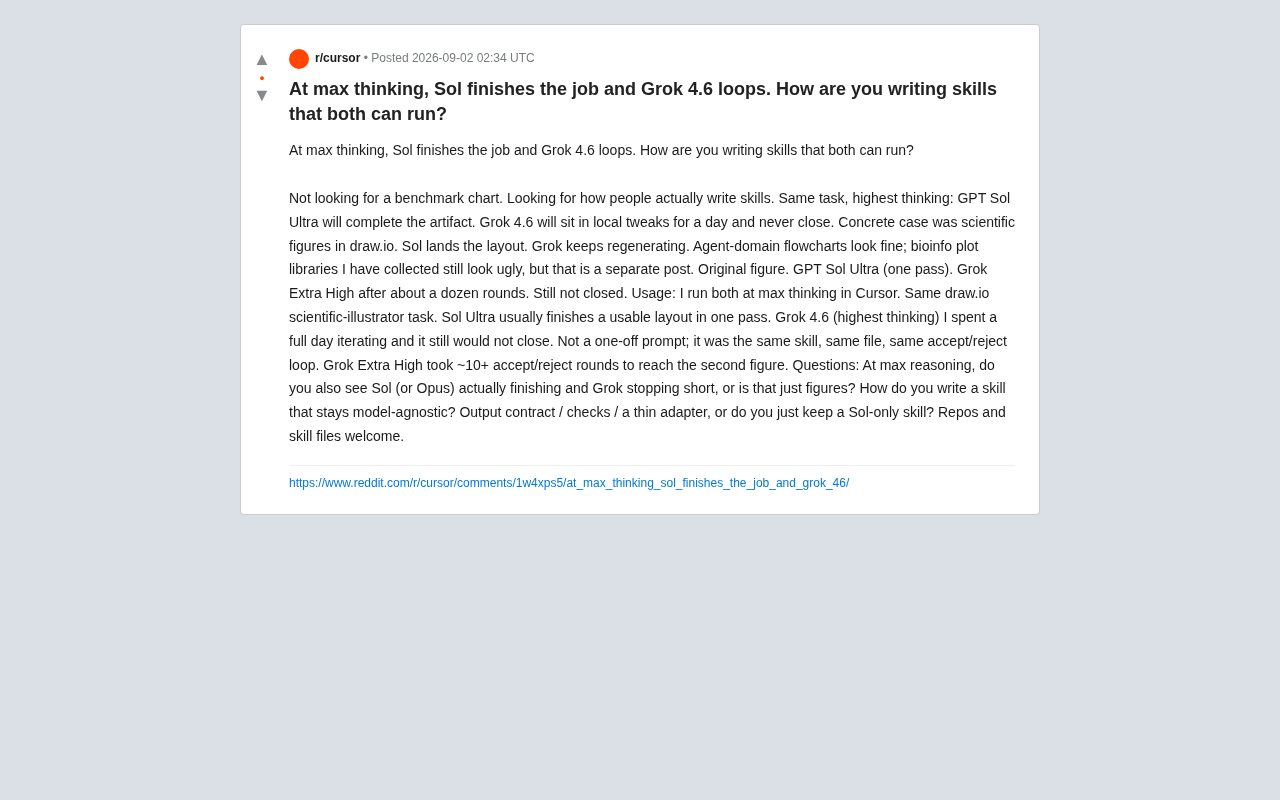
GPT Sol Ultra vs Grok 4.6: Real-World Task Completion Benchmark in Reasoning Mode
Developer benchmark reveals GPT Sol Ultra completes draw.io scientific diagrams in one iteration while Grok 4.6 fails to converge despite maximum reasoning mode, exposing that reasoning depth ≠ task delivery capability.
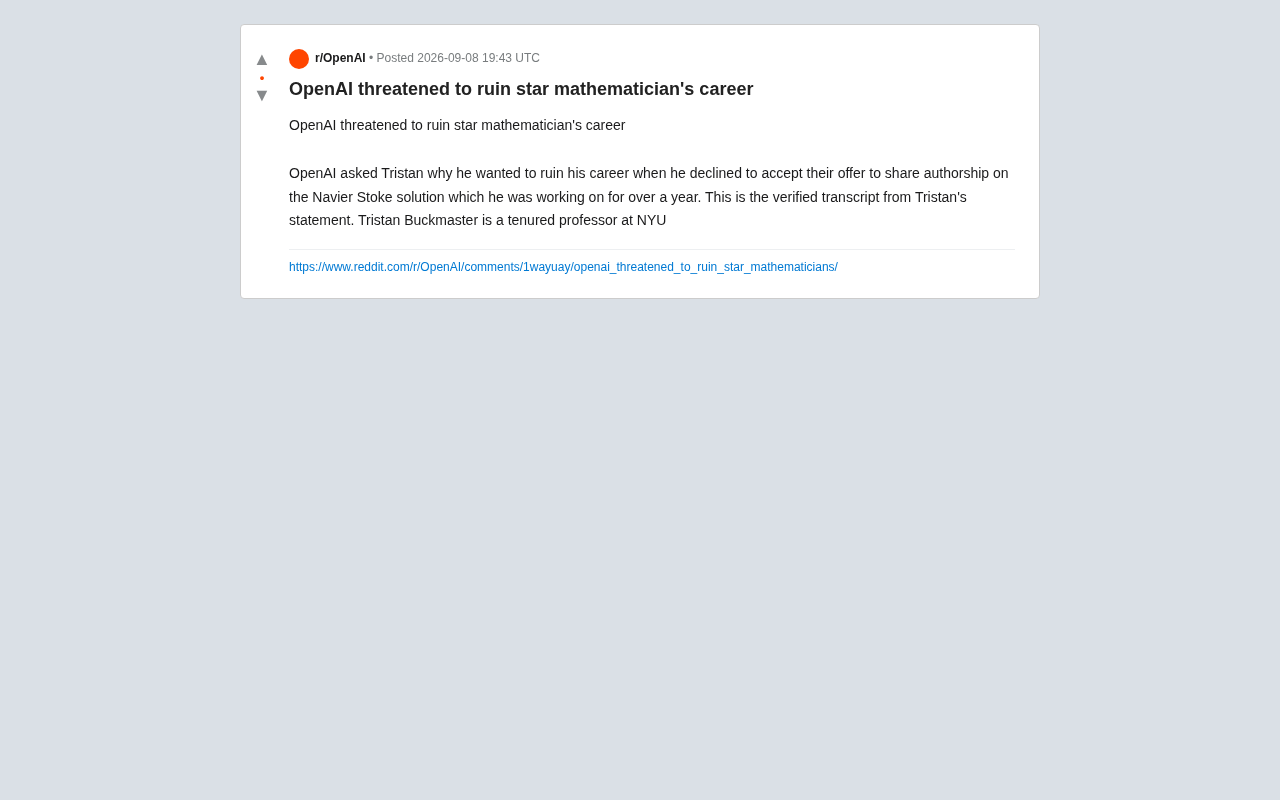
OpenAI Authorship Dispute: The Battle Over Academic Boundaries in the AI Era
OpenAI disputes authorship with mathematician Tristan Buckmaster over Navier-Stokes research, raising ethical questions about AI involvement in science.