Good Ideas Shouldn't Wait for the Right Person: In Good Company's Night on Founder Action

Good ideas often die from waiting for the perfect person—taking action first attracts the right people.
Based on the In Good Company evening event, the article notes that many good ideas get shelved while waiting for a perfect co-founder or full-stack engineer, and hiring shouldn't be a precondition for starting. Founders, creators, and thought leaders share the trait of pushing forward with incomplete resources—"build them anyway." Small teams can replace a full team with manual processes, existing tools, and building in public, turning organizational problems into rhythm problems: start first, fill in the pieces along the way.
Many good ideas don't die from market failure—they die from waiting. Waiting for a perfect co-founder, waiting for a full-stack engineer, waiting for the "right person" to show up. This week's In Good Company evening event brought creators, thought leaders, and founders together to discuss exactly this: how did those who didn't wait manage to bring their ideas to life?
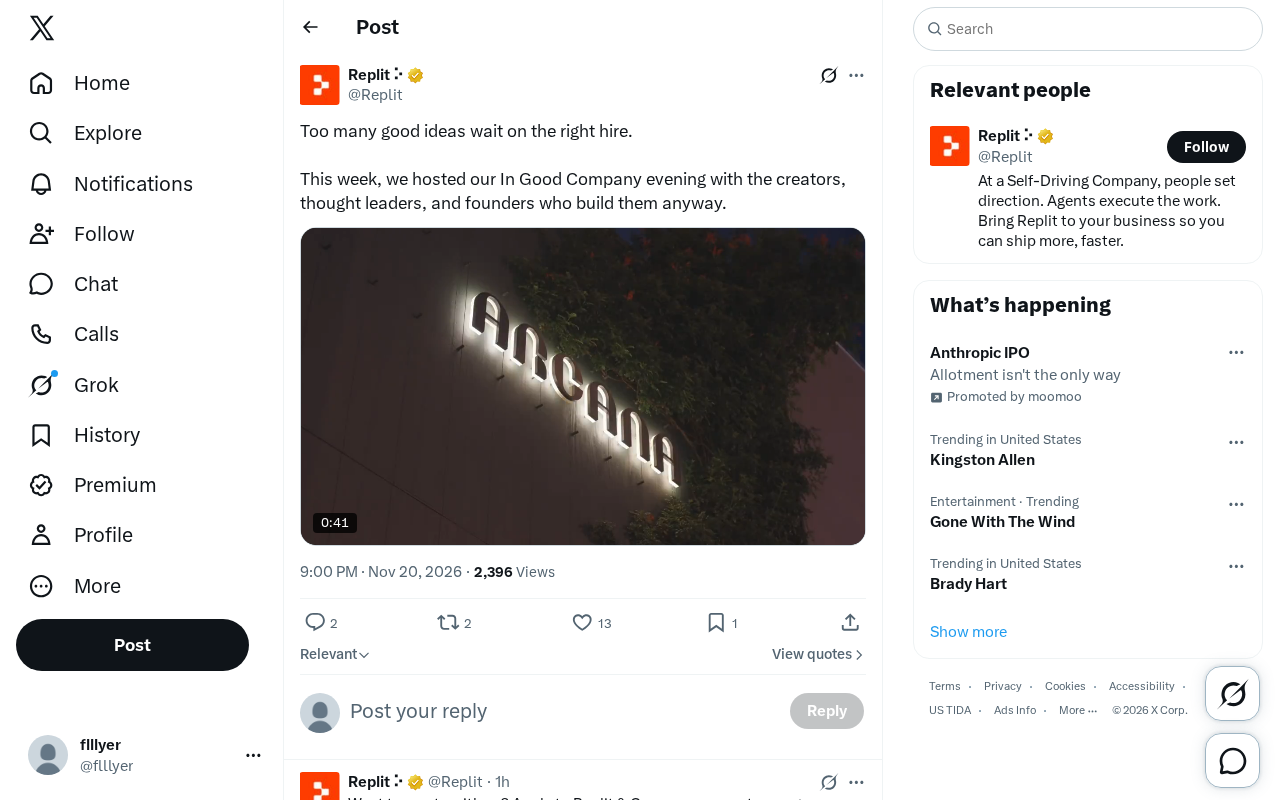
Waiting for the "Right Person" Is the Most Expensive Delay in Entrepreneurship
The event's core thesis was blunt: too many good ideas get stuck at the hiring stage. Behind this lies a common psychological trap—treating "lack of people" as a reason not to start. Hiring itself isn't wrong, but when recruitment becomes a precondition, ideas get shelved indefinitely.
For independent creators and small teams, this trap is especially insidious. It disguises itself as caution: wait a bit longer, until there's a technical co-founder; wait a bit longer, until there's enough manpower to launch. The result is that market windows close during the wait, and enthusiasm cools during the wait. The event specifically invited those who "build anyway"—their very existence refutes the logic of waiting.
Co-founder matching is a classic topic in the startup ecosystem. Ideally, co-founders should be highly complementary in skills, vision, and equity expectations, but the reality is that deliberately searching for a "perfect partner" often leads to delayed launches. Many accelerators and investors suggest that rather than waiting for a full-stack partner, it's better to validate ideas first through contract work, advisors, or outsourcing. Data shows that prematurely binding to an unsuitable co-founder is actually riskier than starting alone, because equity disputes and decision-making deadlocks consume enormous energy. Therefore, "just start" is not only a mindset but also a risk control strategy: gain market feedback through rapid action, then attract complementary roles based on actual needs.
Founders, Creators, Thought Leaders: What Three Roles Have in Common
In Good Company deliberately mixed three types of people: founders who build products hands-on, creators who build influence through content, and thought leaders who output frameworks. This combination wasn't random.
Founders' strength is execution loops—turning ideas into deliverables; creators' strength is continuous output—accumulating audience and feedback even without a complete team; thought leaders provide judgment—helping early teams choose the right direction when resources are limited. What all three share is the ability to push forward even when resources are incomplete—which is exactly the opposite of the "wait for the right person" mentality.
According to the event tweets, the common trait of attendees was "build them anyway." This phrase can be seen as the event's statement of position.
How Small Teams and Independent Creators Can Break Through
The event didn't publish complete discussion notes, but from the composition of participants, a pragmatic path can be inferred: replace a complete team with a minimum viable approach.
Specifically, on the product side, manual processes, off-the-shelf tools, and outsourcing can fill capability gaps first—turning "need a person" into "need a process"; on the content side, building in public can attract like-minded people, letting suitable collaborators come to you rather than waiting idly in the hiring market. The essence of this strategy is transforming organizational problems into rhythm problems—start moving first, then complete the puzzle as you go.
For users of AI tools, this is especially true: work that used to require an entire position can now often be handled by one person plus a toolchain. The reasons for waiting are diminishing.
Build in Public is a startup practice that has gained popularity in recent years, where founders or creators share product development processes, decision logic, and even failures in real time. The core value of this strategy is that it shifts "finding collaborators" from passive recruitment to active attraction. By continuously sharing progress, creators can build trust and an audience base, and potential partners or early users will proactively reach out based on shared values. For resource-limited small teams, building in public also reduces marketing costs and enables rapid product iteration through community feedback. Essentially, it transforms transparency into a low-cost, high-leverage organizational capability.
What This Event Really Wants to Convey
Putting an evening gathering into a broader context, it conveys a judgment about timing: the shelf life of good ideas is shorter than you think, and the "right people" rarely appear at the starting line—they're more often attracted during the journey.
This is also the subtext of the name In Good Company—good partnerships are often formed along the way, not assembled before departure. For creators and founders currently stuck in "wait a bit longer" mode, the answer this event offers is simple: start first, and you'll meet people along the way.
One-line Summary
Good ideas often die from waiting for the perfect person—taking action first attracts the right people.
Paragraph Summary
Based on the In Good Company evening event, the article points out that many good ideas get shelved while waiting for a perfect co-founder or full-stack engineer, and that hiring should not be a precondition for starting. The event brought together founders, creators, and thought leaders whose common trait is pushing forward even when resources are incomplete, upholding the "build them anyway" stance. Small teams and independent creators can replace a complete team with manual processes, off-the-shelf tools, and building in public—transforming organizational problems into rhythm problems: start moving first, then complete the puzzle along the way. Suitable collaborators are more often attracted through action rather than assembled at the starting line.
Related articles

Jensen Huang Returns to Nvidia: The Power Game Behind an "Aggro Reset"
Nvidia's board reappointed Jensen Huang as CEO less than two weeks after his scandal-driven resignation. This analysis explores the board's decision-making, Trump's political intervention, media power failure, and market reaction behind the dramatic return.

Why Voice AI Can't Understand Kenyans' Everyday Conversations
Swahili speech recognition hits 3.24% error on read text, but everyday Kenyan speech mixes English, Sheng slang, and accents—leaving mainstream voice AI struggling.

Data Centers Build Their Own Natural Gas Plants: AI Compute's Breakout Around a Decade-Long Grid Wait
Grid interconnection approvals can take a decade, so xAI and others are building off-grid natural gas plants to power AI clusters. This article analyzes the drivers, costs, and impact of behind-the-meter generation on AI infrastructure.