GPT-6 Astra Deep Dive: Targeted Breakthroughs in Security, Long Context, and Coding Efficiency
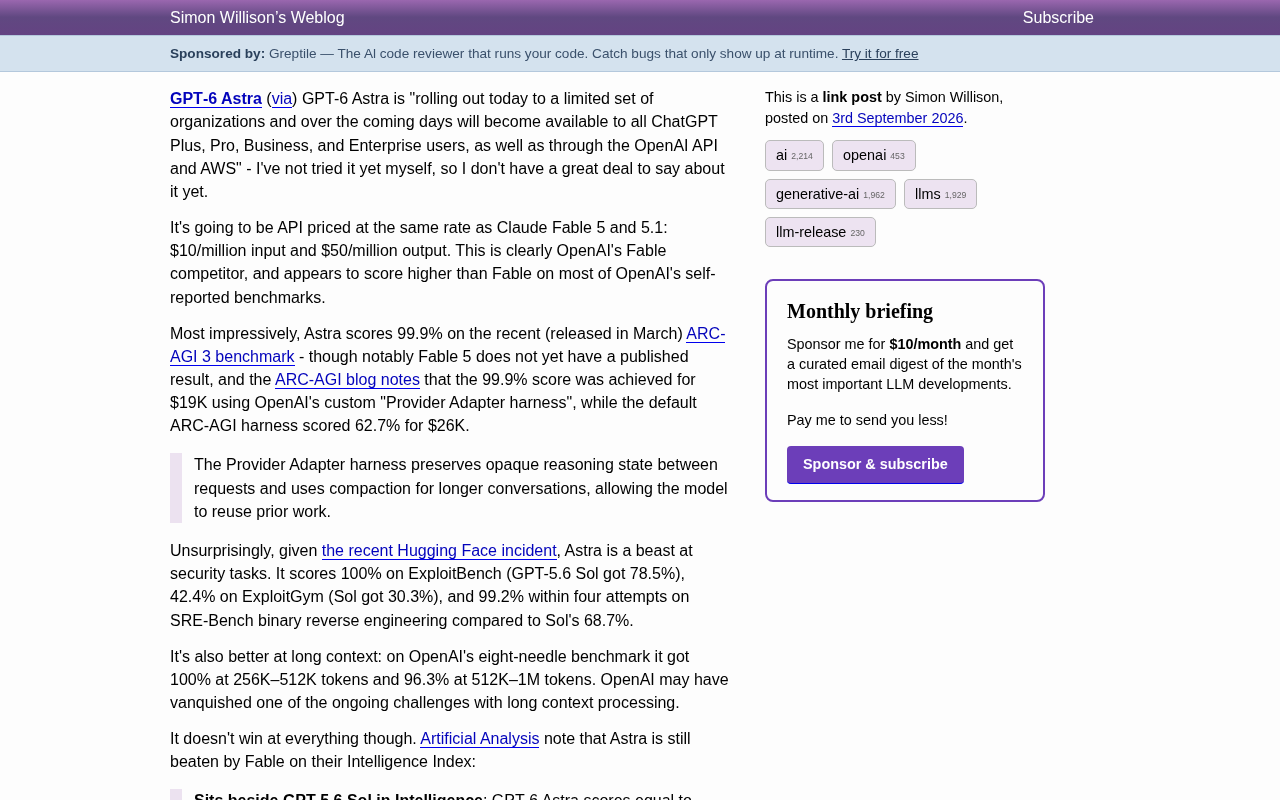
GPT-6 Astra excels in security, long context, and coding efficiency but doesn't top overall intelligence rankings.
OpenAI's GPT-6 Astra delivers targeted breakthroughs: a perfect ExploitBench score, 96.3% accuracy on million-token retrieval, and coding agent costs at half of Claude Fable 5. However, its 99.9% ARC-AGI 3 score relies on a custom harness (62.7% under default), and it trails Claude Fable 5.1 and Meta's Muse Spark 1.3 in overall intelligence. Astra is a focused upgrade, not a universal leap.
OpenAI has officially launched its next-generation flagship model, GPT-6 Astra. According to the official announcement, the model is "available starting today to a limited set of organizations, rolling out to all ChatGPT Plus, Pro, Business, and Enterprise users over the coming days, and accessible via the OpenAI API and AWS." As OpenAI's direct competitor to Anthropic's high-end models, Astra demonstrates significant advantages in security tasks, long-context processing, and coding agent cost efficiency — though it still falls short of claiming the top spot across all intelligence benchmarks.
This article draws on OpenAI's official release, evaluation data from the ARC-AGI team, and third-party benchmarks from Artificial Analysis to examine Astra's capabilities and limitations.
GPT-6 Astra Pricing Strategy: Price-Matching Claude Fable
GPT-6 Astra's API pricing is identical to Claude Fable 5 and 5.1: $10 per million input tokens and $50 per million output tokens. This is no coincidence — it's a clear signal of OpenAI's market intent: entering the premium model segment head-on to compete directly with Anthropic's Fable series.
In most of OpenAI's self-reported benchmarks, Astra scores higher than Fable. However, it's worth noting that vendor-reported data is often drawn from carefully selected scenarios, and real-world performance still requires third-party validation. The API model identifier after official release will be gpt-6-astra.
By choosing to match prices rather than undercut, OpenAI is signaling confidence in Astra's capabilities — aiming to win on performance, not price.
ARC-AGI 3 Evaluation: The Truth Behind the 99.9% Score
The most eye-catching result comes from the ARC-AGI 3 benchmark, where Astra achieved a staggering 99.9%. However, this number requires careful contextualization.
First, Fable 5 has not yet published an official score on this benchmark, so there's no direct point of comparison. Second — and more critically — the ARC-AGI official blog explicitly states that this 99.9% was achieved using OpenAI's custom "Provider Adapter harness" at a cost of $19,000. When using ARC-AGI's default harness, the score drops sharply to 62.7%, and the cost actually increases to $26,000.
The Provider Adapter harness retains opaque reasoning state between requests and compresses longer conversations, allowing the model to reuse prior work.
In other words, the 99.9% score relies heavily on OpenAI's custom reasoning state management mechanism, rather than reflecting the model's "raw" capabilities. When interpreting top benchmark scores, the test harness matters just as much as the model itself.
GPT-6 Astra Security Capabilities: Perfect Score on ExploitBench
Given recent security incidents, Astra's performance on security-related tasks is particularly noteworthy — and it delivers an exceptionally strong showing:
- ExploitBench: 100% (GPT-5.6 Sol scored 78.5%)
- ExploitGym: 42.4% (Sol scored 30.3%)
- SRE-Bench Binary Reverse Engineering: 99.2% within four attempts (Sol scored 68.7%)
These numbers show a generational leap in exploit development, vulnerability identification, and reverse engineering compared to the previous model. This is both a demonstration of offensive-defensive capability and a catalyst for discussion about the dual-use nature of such models — stronger security analysis capabilities also mean greater potential risk in malicious use scenarios.
For enterprise security teams, Astra represents both a major upgrade in defensive tooling and a new governance challenge.
Million-Token Long-Context Retrieval: 96.3% Accuracy
Long-context processing has long been a pain point for large language models: even those claiming support for ultra-long context windows often see retrieval accuracy degrade significantly deeper into the window. Astra's performance in this dimension is worth highlighting.
On OpenAI's eight-needle benchmark, Astra achieved the following results:
- 256K–512K token range: 100% accuracy
- 512K–1M token range: 96.3% accuracy
This means the model can still precisely locate and retrieve key information in ultra-long contexts approaching one million tokens. OpenAI may have "solved one of the persistent challenges of long-context processing."
If this performance holds up in real-world business scenarios, it would represent a substantial advancement for applications dealing with lengthy documents, large codebases, or extensive conversation histories.
Overall Intelligence Ranking: Astra Doesn't Lead Across the Board
Despite Astra's strong showing in security and long context, it doesn't claim the top position in every dimension. Data from third-party evaluation firm Artificial Analysis provides a more balanced perspective.
Intelligence Index Comparison
GPT-6 Astra scores 61, tying with GPT-5.6 Sol. This is 5 points below Claude Fable 5.1 (max fallback configuration). The model also trails Meta's newly released Muse Spark 1.3 (max configuration).
In terms of overall intelligence, Astra performs on par with its predecessor Sol and is surpassed by both Fable 5.1 and Meta's Muse Spark 1.3. Astra's strength lies in specialized capabilities rather than across-the-board dominance.
Coding Agent Index: The Cost Advantage
At maximum effort configuration, GPT-6 Astra costs roughly the same as GPT-5.6 Sol (max configuration) but scores 2 points higher on the index. On a per-task basis, the model costs less than half of Claude Fable 5 while achieving the same score.
For developers building coding agents as their primary use case, this "more power at the same price, same performance at lower cost" value proposition may matter more than abstract intelligence rankings.
Conclusion: GPT-6 Astra Is a Targeted, Purpose-Driven Iteration
Taking all available data into account, GPT-6 Astra is not an "across-the-board domination" upgrade but rather a focused, purpose-driven enhancement. It establishes clear advantages in security tasks, long-context retrieval, and coding agent cost efficiency, while essentially matching — or slightly trailing — competitors in overall intelligence rankings.
Before choosing Astra, keep the following in mind:
- The 99.9% ARC-AGI 3 score relies on a custom reasoning harness — under the default harness, it drops to just 62.7%. Don't be misled by a single number.
- Pricing matches premium competitors, indicating OpenAI is betting on performance rather than price.
- The leap in security capabilities is a double-edged sword that warrants ongoing attention at the governance level.
As Astra rolls out to all users, its performance on real-world tasks will face broader scrutiny. How much of those impressive benchmark scores translates into actual productivity is the ultimate measure of success.
Related articles
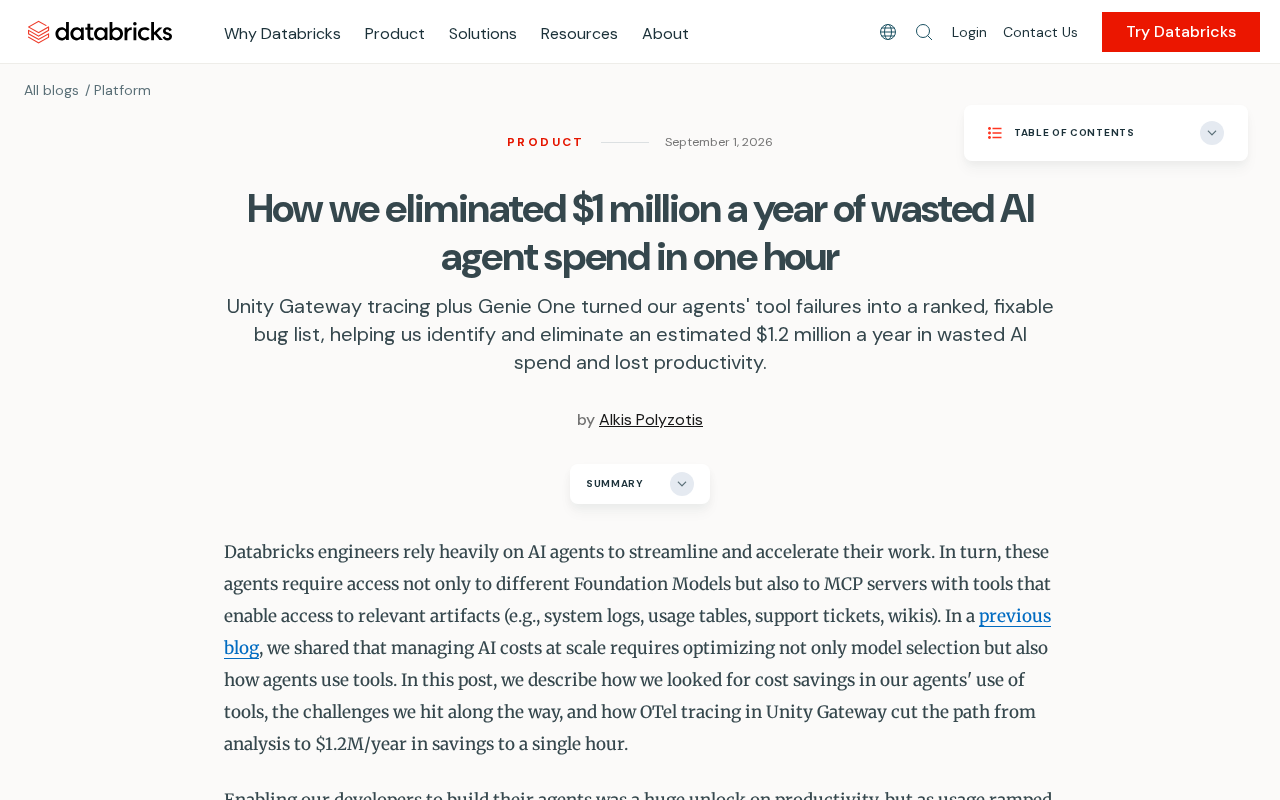
AI Agent Cost Optimization in Practice: Engineering Wisdom That Saved $1 Million in One Hour
Databricks eliminated $1M/year in wasted AI Agent spend in just one hour. Learn the root causes of Agent cost overruns and key strategies like model tiering, context pruning, and caching.
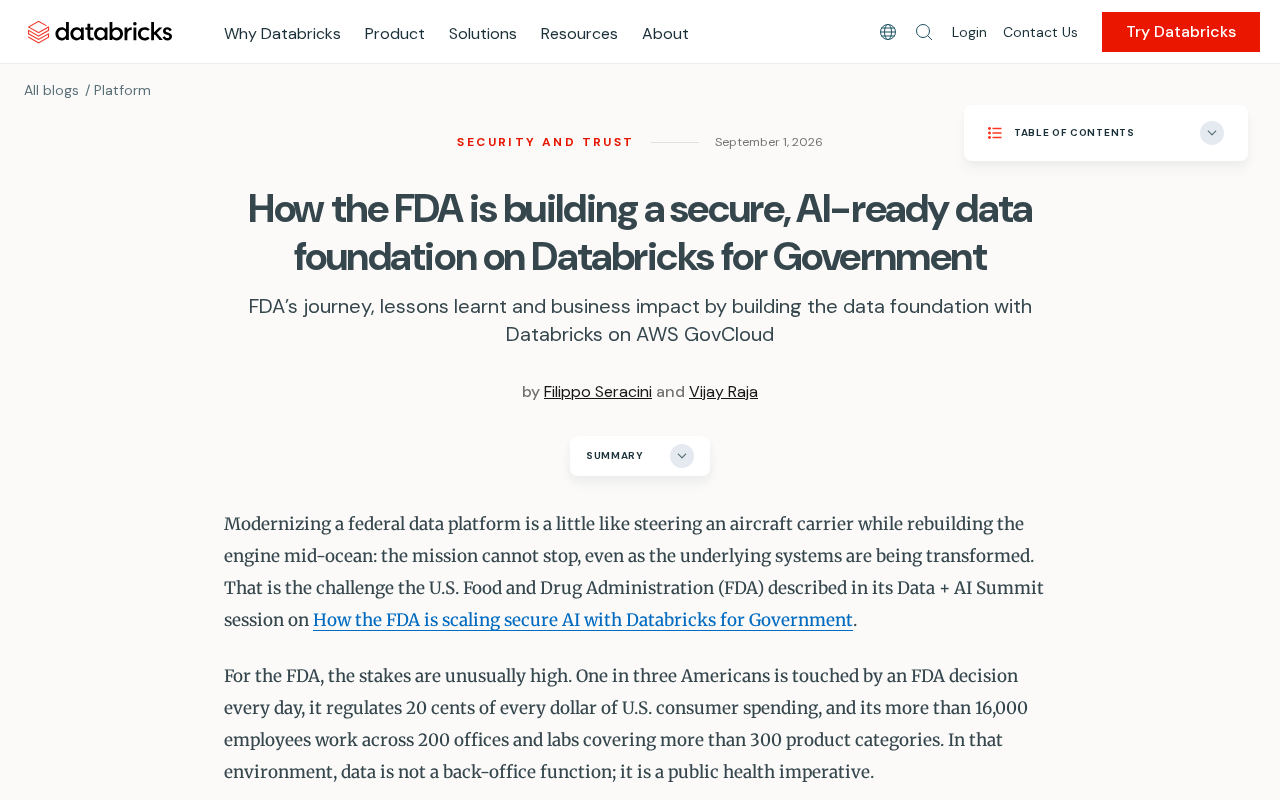
How the FDA Is Building an AI-Ready Data Foundation on Databricks
Explore how the FDA leverages Databricks for Government to build a unified Lakehouse architecture and AI-ready data foundation while meeting federal security and compliance standards.
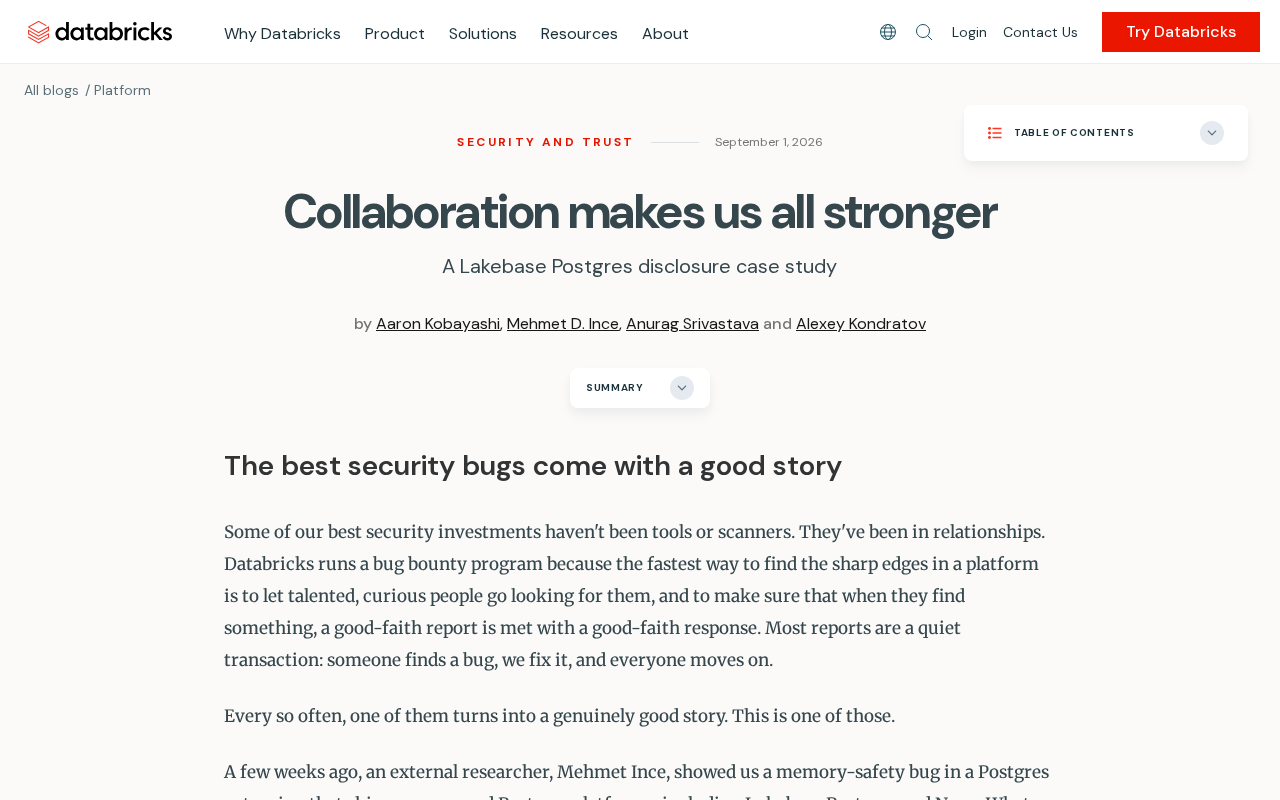
The Power of Security Collaboration: Why Vulnerability Discovery Cannot Do Without Human Intelligence
Explore how security collaboration outperforms tool dependency, the value of vulnerability stories, cross-team knowledge sharing practices, and building stronger defenses by investing in people and collaboration.