GPT-6 Astra Lands on Perplexity Computer: Pro and Max Subscribers Get Early Access
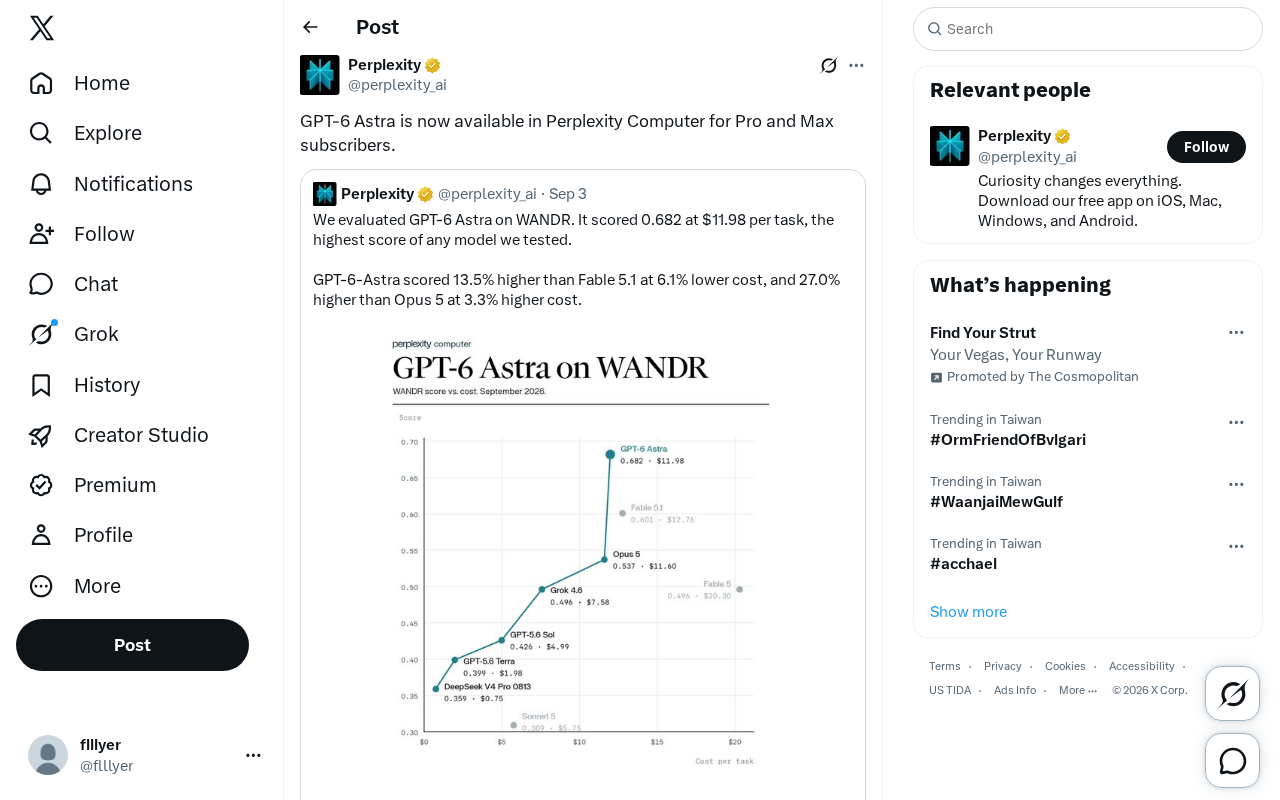
A single tweet claims GPT-6 Astra is live on Perplexity Computer for Pro and Max users — unconfirmed by official sources.
A brief tweet claims OpenAI's new model GPT-6 Astra has launched on Perplexity Computer, limited to Pro and Max paid subscribers. The report comes from a single social media source with no cross-verification from OpenAI or Perplexity, and the "GPT-6" version number itself remains unconfirmed. The integration, if real, fits Perplexity's multi-model aggregation strategy of licensing top models rather than building its own. Restricting access to high-paying tiers is standard practice for managing inference costs and driving subscriptions. Readers are advised to wait for official specs before drawing conclusions.
Quick Overview
According to a brief post on Twitter, OpenAI's new model GPT-6 Astra is now available in Perplexity Computer, open to Pro and Max subscribers. This means paid-tier Perplexity users will be the first to gain access to this model.
Publicly available information remains extremely limited. The original message only confirms two facts: "model availability" and "the subscriber groups it targets" — with no additional details on capabilities, pricing, or performance benchmarks. This article therefore focuses on contextualizing the news rather than evaluating the model itself.
What Can Actually Be Confirmed
Three things can be stated clearly from this message: first, a model called "GPT-6 Astra" has appeared within the Perplexity ecosystem; second, the platform it's integrated into is Perplexity Computer, not Perplexity's traditional search-and-answer interface; third, access requires either a Pro or Max paid subscription.
Readers should note that the name "GPT-6 Astra" has not been widely cross-verified through official channels. A single social media source carries the risk of incomplete information or naming inaccuracies. Without a supporting announcement from OpenAI or Perplexity, this should be treated as unconfirmed information.
It's also worth pointing out that the version number "GPT-6" itself has not been officially confirmed by OpenAI. As of this writing, OpenAI's latest publicly released mainline model series is GPT-4o and its variants — "GPT-6" would represent a significant version leap if real. The sub-name "Astra" is reminiscent of Google DeepMind's Project Astra — a research initiative focused on multimodal real-time interaction — though whether any connection or naming confusion exists between the two remains unclear. Readers should treat both the version number jump and the origin of the sub-name as unverified uncertainties.
What Perplexity Computer Is
In recent years, Perplexity has gradually evolved from an "AI search engine" into a more complete AI productivity platform. Perplexity Computer is generally understood as its agent-oriented work environment for complex tasks, capable of leveraging multiple underlying large language models to handle retrieval, analysis, and execution tasks.
Integrating next-generation high-performance models into this kind of platform aligns with Perplexity's established "multi-model aggregation" strategy — rather than developing its own foundation models, it integrates best-in-class models from providers like OpenAI and Anthropic, allowing paid users to choose as needed. If this integration is real, it continues that same approach.
The core difference between an agent-oriented work environment and traditional Q&A search lies in "task execution capability." Traditional AI search is centered on single-turn retrieval and response, while an agentic environment allows models to decompose complex goals, invoke tools across multiple steps (such as web browsing, code execution, and file operations), and make autonomous decisions on next actions throughout the process. Perplexity Computer is positioned to compete with products like OpenAI's Operator and Anthropic's Claude Computer Use — enabling AI to complete multi-step tasks in the way a human user operates a computer, rather than simply answering a question. These platforms demand higher reasoning ability, instruction-following precision, and context length from their underlying models, making early access to high-performance new models a technically well-motivated decision.
Why Pro and Max Users Get Access First
Restricting new models to higher-paying tiers is a common practice in AI product iteration. New models typically carry higher inference costs and heavier compute demands. Rolling them out to core paying users first helps control costs while gathering high-value usage feedback.
For Perplexity, Pro and Max subscriptions are its primary revenue source. Positioning "the latest and most capable models" as an exclusive paid benefit is a well-established tactic for driving subscription conversion and retention. This kind of tiered release strategy is now standard practice across the industry.
Staying Rational and What to Watch Next
This news is more of an "availability signal" than a complete product launch. For readers tracking the AI frontier, the questions truly worth following are: what are GPT-6 Astra's actual capability boundaries, how does it compare in performance to existing mainstream models, and whether access will gradually expand to lower-tier or free users.
Until official specs and benchmark results are released, a cautious stance is advisable. If you're a Perplexity Pro or Max subscriber, it's worth trying the model directly on the platform — firsthand experience is the best way to verify the accuracy of this report and assess the model's real-world performance.
Summary
Taken together, this is a limited but directionally clear product update: a new model has entered its paid-exclusive phase, and the platform continues its multi-model aggregation approach. As for just how significant an upgrade GPT-6 Astra actually delivers, that question will have to wait for more authoritative information and real-world test data.
Related articles
Microsoft Issues Emergency Windows 11 Patch to Fix Bugs Caused by Its Largest-Ever Update
Microsoft pushed an emergency out-of-band Windows 11 update to fix bugs introduced by its largest-ever September Patch Tuesday, which fixed nearly 1,000 vulnerabilities but broke Hyper-V folder sharing.
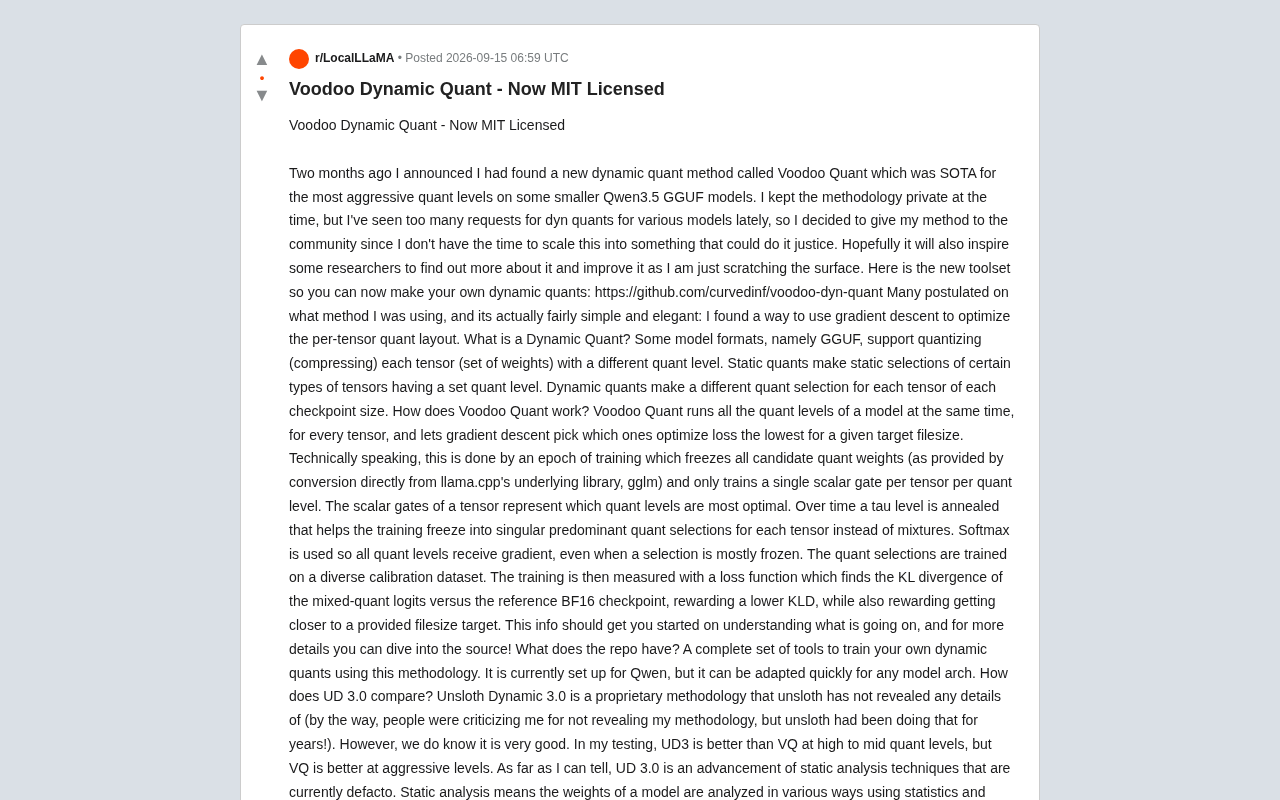
Voodoo Dynamic Quant Goes Open Source: Using Gradient Descent to Optimize Model Quantization
Voodoo Dynamic Quant (VQ) is now MIT-licensed open source. It uses gradient descent to optimize per-tensor GGUF quantization, outperforming Unsloth Dynamic 3.0 at aggressive low-bit levels.

Perplexity Reveals: The Embedding and Ranking Model Serving Infrastructure Behind AI Search
Perplexity reveals the serving infrastructure behind its AI search embedding and ranking models, showing how retrieval quality shapes answer accuracy and speed.