GPT-6 Astra Released: Comprehensive Analysis of Capabilities, Pricing, and Safety
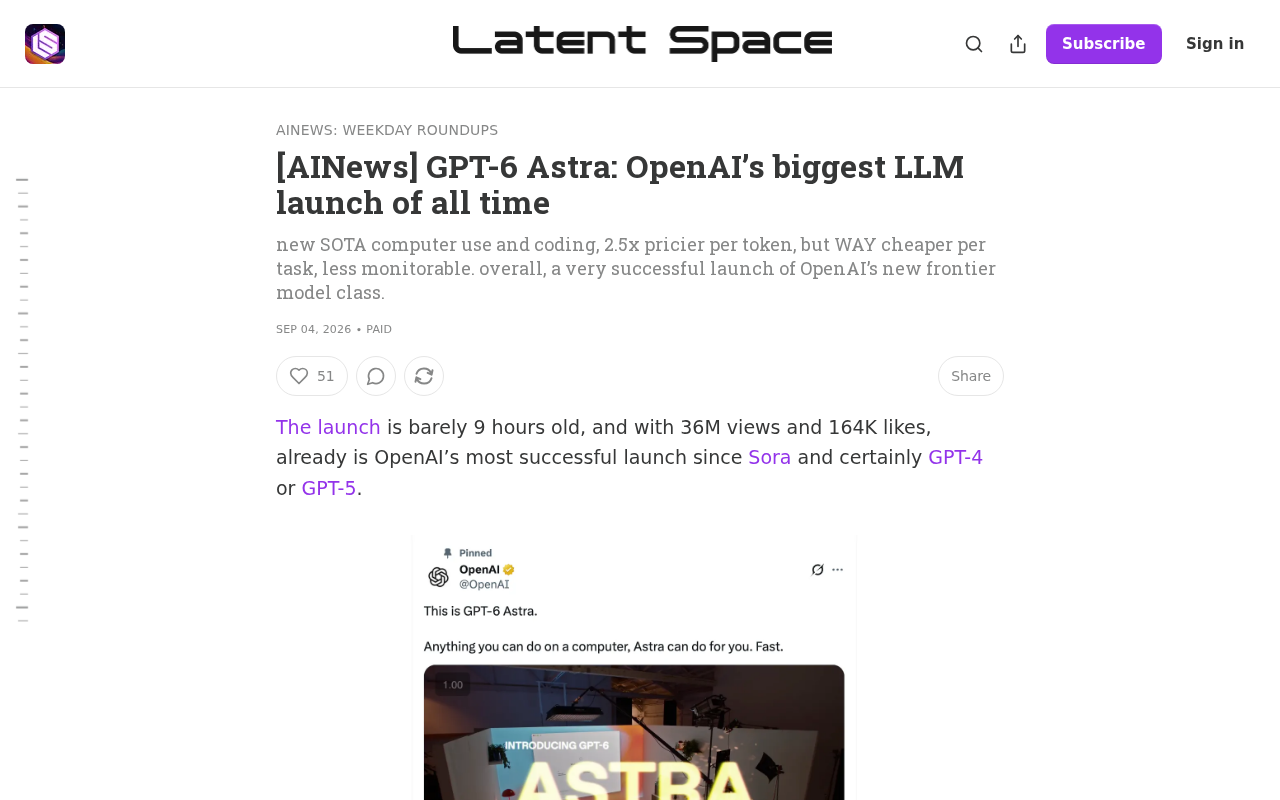
GPT-6 Astra achieves SOTA in computer use and coding, with lower per-task costs but reduced monitorability.
OpenAI's GPT-6 Astra marks a frontier model breakthrough with SOTA performance in computer use and code generation. While per-token pricing is 2.5x higher, per-task costs actually decrease due to improved efficiency. However, the model's reduced monitorability raises safety concerns for alignment researchers.
OpenAI Releases GPT-6 Astra: A New Era for Frontier Models
OpenAI has dropped another bombshell—the official release of GPT-6 Astra, dubbed by the industry as the company's "largest-scale LLM launch ever." LLMs (Large Language Models) are deep learning models built on the Transformer architecture and trained on massive text datasets. Their defining characteristics include enormous parameter counts (typically billions to trillions), strong emergent abilities (zero-shot learning, in-context learning, etc.). This represents not just a leap in parameters and capabilities, but marks OpenAI's establishment of a new SOTA (State-of-the-Art) position in two critical domains: computer use and code generation.
SOTA means "current best performance" and serves as the gold standard for measuring technological progress in academia and industry. In AI, SOTA typically refers to the highest score or best performance achieved on public benchmark tests for a given task. Breaking SOTA records represents not only technical breakthroughs but also competitive advantages in real-world applications: higher accuracy, stronger generalization, and better user experience.
From initial disclosures, GPT-6 Astra has achieved breakthroughs across multiple dimensions, though it comes with controversy around pricing strategy and monitorability. This release has garnered intense attention because it represents the official debut of OpenAI's new generation of frontier model class. Frontier models refer to the most capable, largest-scale models representing the cutting edge of technology within the industry, typically released by leading AI companies. They not only demonstrate technical prowess but also define the current ceiling of AI capabilities.
GPT-6 Astra Core Capabilities: Dominating Both Computer Use and Programming
Computer Use Capability Sets New Industry Record
GPT-6 Astra has set a new industry record in computer use capability. Computer use refers to an AI model's ability to operate like a human user—visually understanding screen content, planning operational steps, controlling mouse and keyboard, invoking software functions, and completing complex end-to-end tasks. This capability involves multiple technical challenges: multimodal perception (understanding GUI interfaces), long-horizon planning (decomposing multi-step tasks), tool invocation (interacting with external systems), and error recovery (handling unexpected situations). Unlike traditional API calls or script automation, computer use requires models to have generality—the ability to operate software without specialized training and adapt to dynamically changing interfaces. This capability is seen as a core threshold toward true AI agents.
SOTA-level computer use means GPT-6 Astra can more reliably complete end-to-end tasks, not just answer questions. For enterprises and developers looking to build automated workflows, this is an extremely attractive signal.
Code Generation Capability Reaches New Heights
In code generation (coding), GPT-6 Astra has likewise achieved new SOTA levels. Coding ability has always been an important measure of LLMs' comprehensive reasoning and engineering utility, and it's currently the most fiercely competitive battlefield for AI programming tools. For enterprise customers and developers, choosing SOTA models often means selecting the most reliable and advanced solution available. GPT-6 Astra's progress in programming will directly impact the numerous programming assistants and development tools built around the OpenAI ecosystem.
GPT-6 Astra Pricing Strategy: Higher Per-Token Price, Lower Per-Task Cost
GPT-6 Astra's pricing strategy is quite nuanced. According to official disclosures, its per-token price is approximately 2.5 times that of the previous generation, seemingly a substantial price increase. A token is the smallest unit an LLM uses to process text, roughly equivalent to 0.75 English words or 0.5 Chinese characters. Model APIs typically charge separately for input tokens and output tokens. But here's the key twist—calculated per task, it's actually cheaper.
The logic behind this deserves deeper understanding: more powerful models can often complete the same task with fewer steps and shorter reasoning chains. While each token costs more, the total number of tokens required to complete a full task drops significantly, ultimately lowering the "per-task cost."
This "higher unit price, lower total price" pricing model reflects a universal pattern in AI capability improvement: intelligence gains drive efficiency gains, and efficiency ultimately dilutes costs. This increase in "intelligence density" transforms traditional cost structures—users no longer pay for lengthy conversations but for more efficient problem-solving, driving AI applications from a "pay-per-volume" model toward a "pay-per-value" model. For enterprise customers in real-world scenarios, what truly matters is task-level cost, not superficial token pricing.
Decreased Monitorability: GPT-6 Astra's Safety Concerns
However, GPT-6 Astra is not without controversy. The new model has been noted as "less monitorable"—showing decreased monitorability.
This is a signal that cannot be ignored. AI alignment refers to the research field ensuring AI systems' behavior aligns with human intentions and values. Monitorability is an important means of alignment—by observing a model's intermediate reasoning steps, decision processes, and tool invocation records, humans can promptly detect and correct deviations. However, as model capabilities strengthen and reasoning processes become more internalized and compressed (similar to human "intuition"), external observation and intervention in its decision-making become increasingly difficult. For AI safety and alignment research, decreased monitorability means higher risk: when models execute complex computer use tasks, if humans struggle to understand and supervise intermediate steps, correcting deviations becomes more challenging once they occur.
This reveals a core tension in current AI development: the tradeoff between capability and controllability. The more powerful and autonomous a model becomes, the lower its behavioral transparency often is. This "capability-controllability paradox" is becoming increasingly prominent in current AI development: more powerful models may exhibit harder-to-predict behavior, especially when executing complex computer use tasks. How to maintain sufficient monitorability while pursuing frontier performance will be an ongoing challenge for OpenAI and the entire industry. The field is exploring methods like Chain-of-Thought, interpretability tools, and red-team testing to balance capability with safety.
Summary: What GPT-6 Astra Means for Developers and Enterprises
Overall, GPT-6 Astra is being evaluated as a "highly successful" frontier model release. It has established SOTA positions in two key capabilities—computer use and programming—and through clever pricing logic has made actual task costs lower, paving the way for large-scale applications.
Worth recalling is that OpenAI's GPT series has progressed rapidly from GPT-3 (2020, 175 billion parameters) to GPT-4 (2023, multimodal) to GPT-5 (released August 2025, succeeding GPT-4o and the o-series reasoning models). Each generation represents not just parameter scale expansion, but comprehensive progress in architecture innovation, training methods, and alignment techniques. Now with the release of GPT-6 Astra, OpenAI demonstrates another generational leap in computer use and programming capabilities, reflecting its continued exploration on the path toward AGI (Artificial General Intelligence).
For developers and enterprises, GPT-6 Astra means more powerful and economical AI capabilities are about to land; for AI safety researchers, the decrease in monitorability sounds an alarm. The arrival of GPT-6 Astra once again confirms the two main threads of the frontier LLM race—the extreme breakthrough of capabilities and the accompanying governance challenges are accelerating in parallel.
As more details emerge and empirical data accumulates, the extent to which GPT-6 Astra will reshape the AI application landscape deserves continued close attention.
Related articles
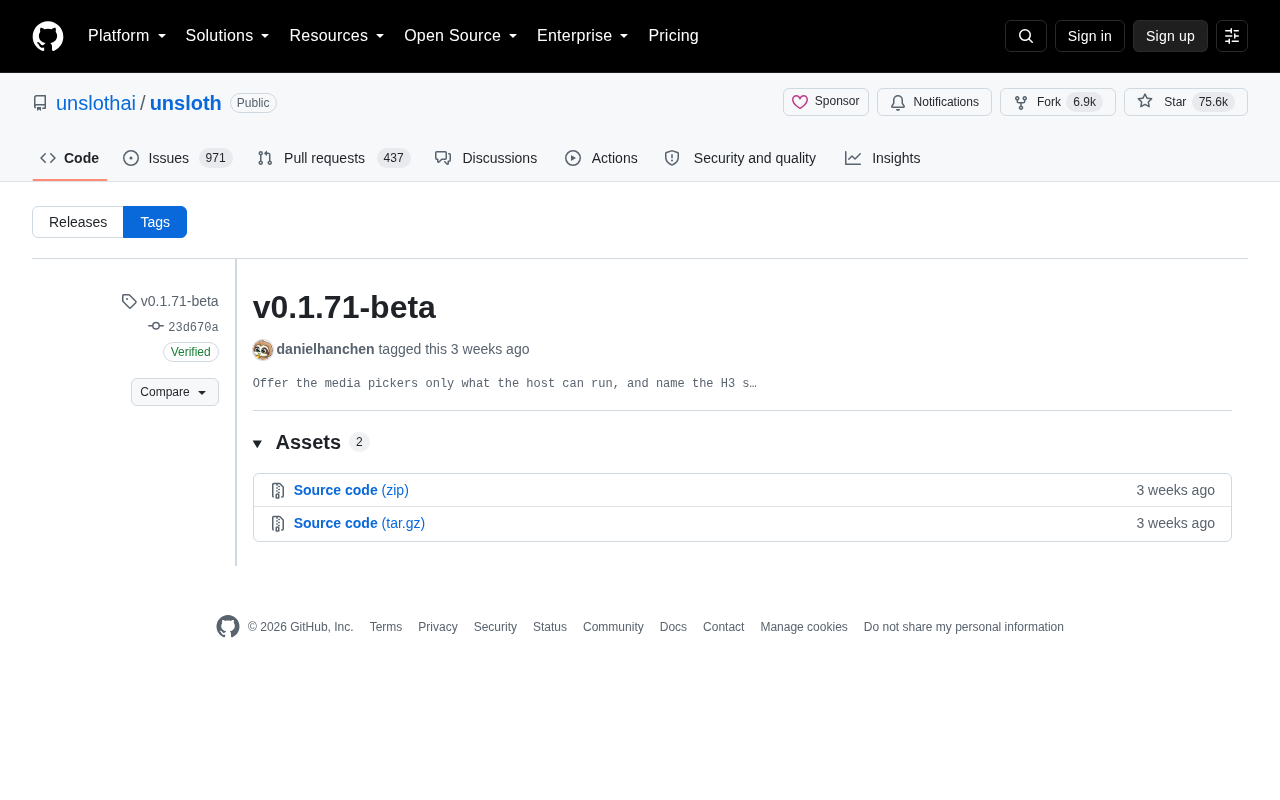
Unsloth v0.1.71-beta Released: Core Improvements to the Fine-Tuning Acceleration Framework
Unsloth v0.1.71-beta released with smart media capability adaptation and naming convention improvements. Deep dive into Unsloth's memory optimization, training acceleration, and model compatibility advantages, with beta usage recommendations.
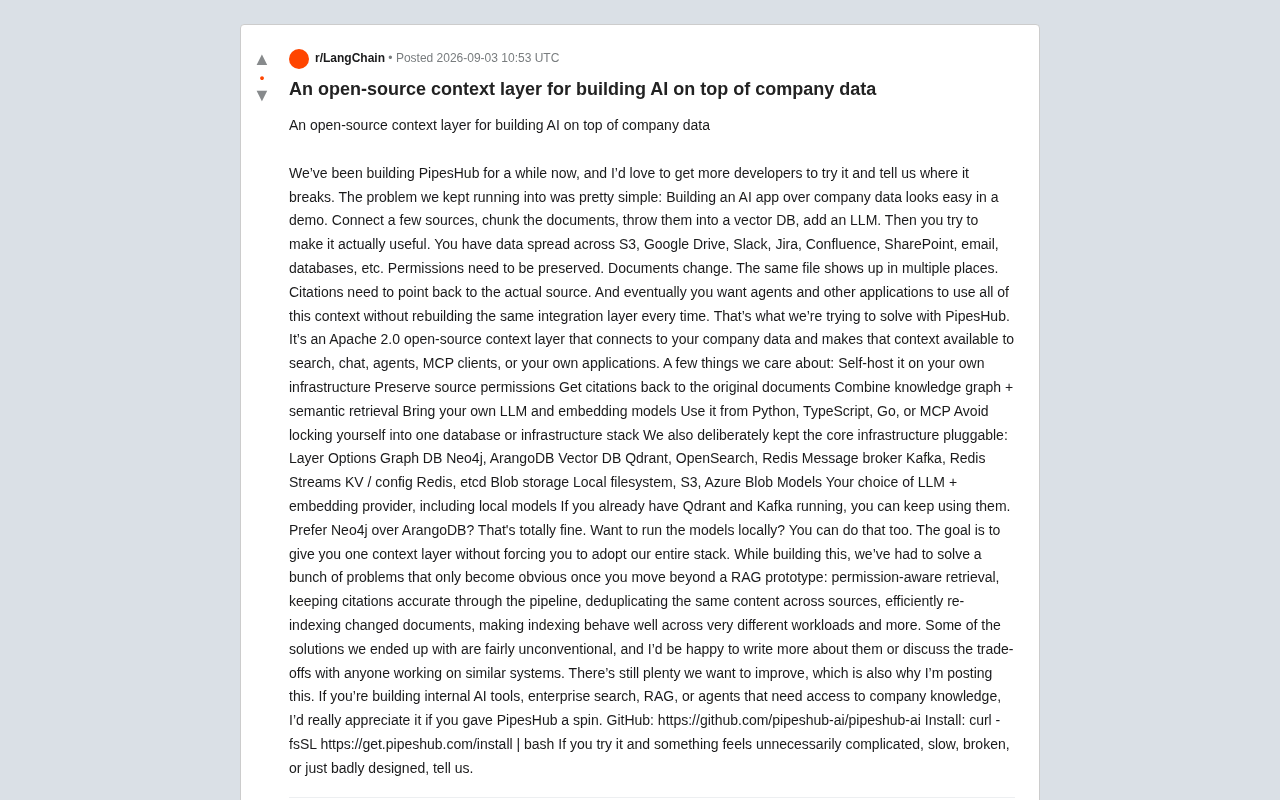
PipesHub: Open-Source Enterprise AI Context Layer Solving RAG Production Challenges
Deep dive into PipesHub, an open-source AI context layer connecting enterprise data. Features permission-aware retrieval, cross-source deduplication, precise citation tracing, and pluggable architecture compatible with multiple tech stacks, helping enterprises move RAG from demo to production.
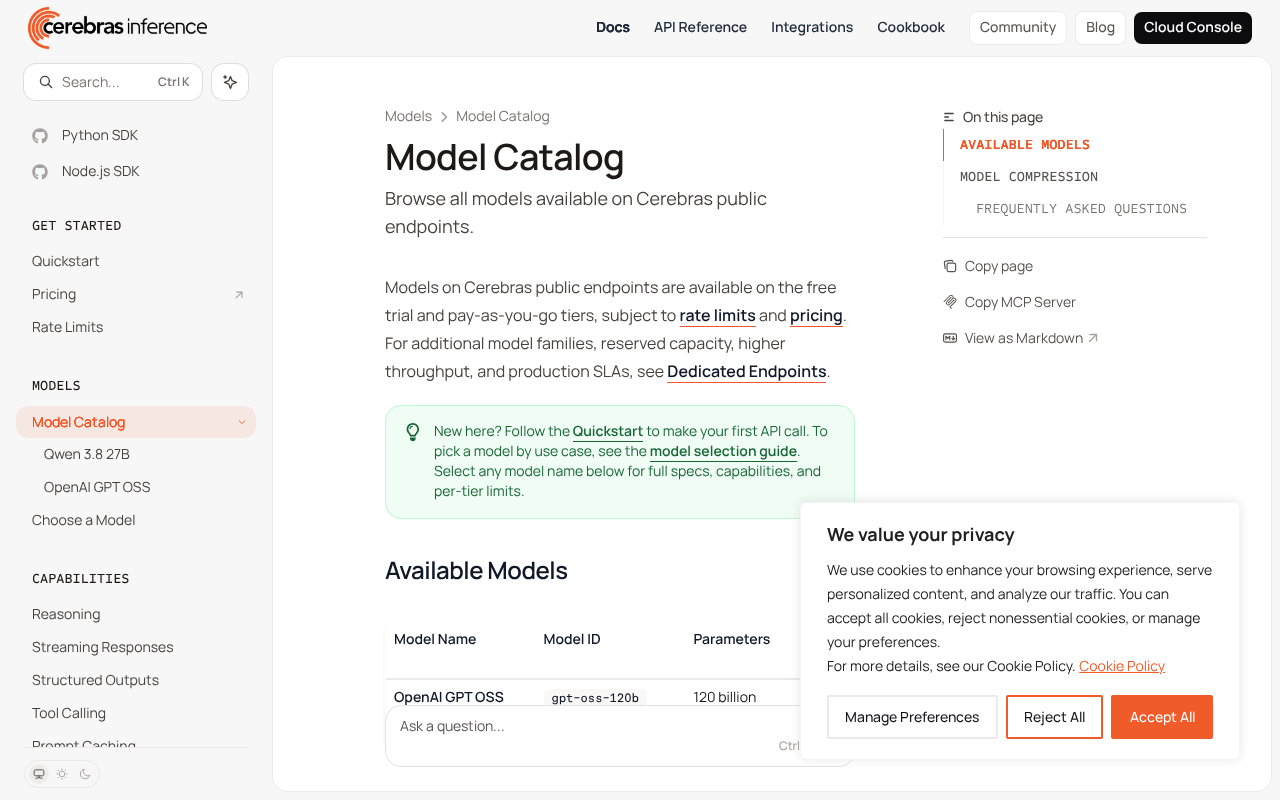
Cerebras Runs Qwen3 at 1,500 Tokens/Sec: Why Inference Speed Matters
Cerebras runs Qwen3-27B at 1,500 tokens/sec on its Wafer-Scale Engine—an order of magnitude faster than mainstream GPUs. We break down the architecture, impact, and community concerns.