H5N1 Avian Influenza Deep Dive: How It Jumps Species and Threatens Humans

H5N1 avian flu threatens pandemic risk through protein diversity and genetic reassortment across species.
Using the 2024 U.S. dairy farm H5N1 outbreak as a starting point, this article explains how avian influenza works and why it poses a persistent threat. Wild waterfowl serve as natural reservoirs for nearly all influenza A subtypes, spreading strains through migration. Two key mutation mechanisms — gradual antigenic drift and sudden antigenic shift via genetic reassortment — continually challenge immune defenses. H5N1 has now been found in over 70 mammalian species, with each new infection raising pandemic risk. Human cases remain rare, but sustained scientific monitoring is essential.
In March 2024, veterinarians in the United States faced a baffling mystery. Dairy cattle across Texas and neighboring states were losing their appetites, producing thick, discolored milk — and cats on the same farms were falling ill with an unidentified neurological disease. Weeks passed, and every test for common bovine diseases came back negative, until lab work finally identified the culprit: influenza A virus subtype H5N1, more commonly known as avian influenza, or bird flu.
This wasn't the first time a bird virus had infected non-avian animals. In fact, every recorded human influenza pandemic has been linked to some form of avian flu strain. So what makes these viruses so remarkably adaptable? Drawing on TED-Ed content by Benjamin Anderson, this article breaks down how avian flu works — and why it poses such a persistent threat.
Classifying Avian Flu: The H and N Combination Code
Influenza viruses fall into four broad categories, and all avian flu strains belong to Group A (influenza A). Within this group, viruses are further divided into subtypes based on two key surface proteins: hemagglutinin (H), which binds to receptors on host cells and allows the virus to enter and replicate; and neuraminidase (N), which helps newly produced viruses escape from infected cells.
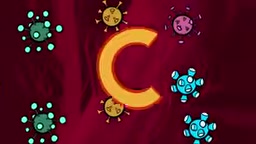
Scientists have identified 18 varieties of hemagglutinin and 11 varieties of neuraminidase, and different influenza A subtypes use different combinations of these proteins. For example, a virus pairing hemagglutinin type 5 with neuraminidase type 1 is designated H5N1. Because these two proteins are the essential tools a virus needs to enter and exit host cells, they largely determine which animals a given strain can infect.
Why Birds Are Nature's Viral Reservoir
The critical factor here is birds — wild waterfowl in particular — which possess receptors capable of binding to nearly every known version of these proteins. This makes them susceptible to virtually every H and N combination. Making matters worse, these waterfowl shed the virus through their feces into lakes and rivers.
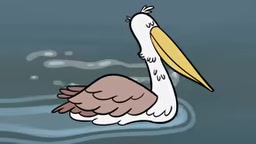
Because these viruses typically don't cause serious illness in birds, waterfowl serve as a disease reservoir, spreading strains as they migrate across continents. Humans, by comparison, are relatively protected: we carry receptors for only a small number of viral protein variants, leaving us immune to most combinations. Even when avian flu strains can bind to receptors in the human respiratory tract, those more vulnerable receptors are located deep in the lungs, making infection harder to establish and far less transmissible than typical human flu strains that target receptors in the nose and throat.
Antigenic Drift and Antigenic Shift: The Virus's Two Tricks
Flu viruses have other tricks up their sleeve. Viruses carry antigens — molecules that the immune system can recognize and attack. Two ongoing processes continuously alter these molecules, constantly challenging our immune defenses.
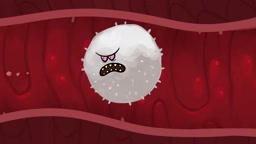
The first is antigenic drift: antigens change gradually through random mutations, making it progressively harder for the immune system to recognize the virus. This process is relatively slow and trackable — which is precisely why we can combat human flu through annually updated vaccines.
The second process is more sudden and more dangerous: antigenic shift. When two or more different influenza viruses infect the same host simultaneously, they can swap entire gene segments, instantly creating a virus with entirely new capabilities — including the ability to bind different receptors and infect different species. Because birds are susceptible to such a wide range of influenza A subtypes, they are natural hotbeds for antigenic shift.
Antigenic shift is especially dangerous because of how the influenza A genome is structured. Unlike many viruses that carry a single continuous genetic strand, influenza A has a genome made up of eight separate RNA segments. When two different flu viruses infect the same cell at the same time, these eight segments can shuffle and recombine like a deck of cards, producing hybrid offspring carrying genes from both "parent" viruses. This process is called reassortment, and it is the primary mechanism behind antigenic shift. The 1968 Hong Kong flu pandemic (H3N2) and the 2009 swine flu pandemic (H1N1) have both been traced to exactly this kind of multi-strain reassortment event. This is why animals like cattle and pigs — when simultaneously exposed to both avian and human influenza viruses — can act as "mixing vessels," dramatically raising the risk of a brand-new pandemic strain emerging.
Cross-Species Spread: H5N1's 70-Plus Mammalian Hosts
Returning to the dairy farm mystery: H5N1 has historically been associated primarily with birds, but in recent years it has been detected in more than 70 mammalian species, including cats, cattle, foxes, seals, and bears.
Every new mammalian infection gives the virus another opportunity to drift or shift — potentially spilling over into humans and igniting a pandemic. What makes this especially alarming is that human immune systems have no prior experience recognizing avian flu proteins, meaning infection can be deadly.
H5N1's ability to infect such a wide range of mammals is closely tied to a specific viral lineage that emerged after 2020. Between 2020 and 2022, a H5N1 clade designated 2.3.4.4b spread rapidly around the world, demonstrating an unprecedented host range. Compared to earlier H5N1 strains, this clade shows enhanced replication efficiency in mammalian hosts, and some isolates have been found to carry the PB2 E627K mutation — a genetic change associated with mammalian adaptation, believed to help the virus replicate more efficiently at the relatively lower body temperatures of mammals. Notably, the 2024 U.S. dairy cattle outbreak involved exactly this clade, indicating that the virus's cross-species transmission capacity is continuously evolving, not an isolated anomaly. This is why the international scientific community has significantly elevated surveillance levels for the current H5N1 outbreak.
Should We Panic? Vigilance Is the Real Answer
Should we be panicking? Not yet. Despite avian flu being widespread in bird populations globally, human infections remain relatively rare. What matters most right now is staying vigilant.
Scientists are working around the clock to monitor the virus's ongoing evolution, test vaccines, and strengthen biosecurity measures. A single outbreak can change everything — and in this viral arms race, the only way to stay ahead is to always be one step ahead of the bird.
Related articles

A Single Prompt Triggers a Global PHP Security Storm: Is AI a Savior or a Hidden Risk?
A single AI prompt triggered a global PHP security crisis affecting Wikipedia and the Internet Archive. This article reviews the incident, analyzes the OpenAI-Amazon controversy, and explores the security paradox of lowered vulnerability discovery barriers in the AI era and developer response strategies.

When AI Is Taken Away: How Reliance on Shortcuts Undermines Your Problem-Solving Resilience
A study of 1,222 people found that after using AI to answer questions, once AI was removed, people gave up on more problems than a control group that never used AI. The article analyzes the impact of AI reliance on learning resilience and metacognition, and explores design implications for AI learning tools.

Carta and NewView Partner to Let Startup Employees Cash Out Equity Early
Carta and NewView Capital partner to simplify startup tender offers, helping employees sell equity early. Analysis of the mechanism, liquidity pain points, and impact.