How Fyxer Builds an AI Executive Assistant Users Actually Trust

Fyxer uses fine-tuning, memory, and feedback loops to build a trustworthy AI email assistant.
Fyxer is an AI email and scheduling assistant built on OpenAI models, designed to tackle a core challenge: email handling is deeply personal, and general-purpose LLMs fall short. Its solution combines three layers — vertical fine-tuning for better email classification and drafting, a memory mechanism that learns each user's communication style, and continuous feedback collection (acceptances, edits, rejections) to recalibrate the system. This scenario-specific technical combination, rather than chasing the largest model, is Fyxer's path to earning long-term user trust.
How Fyxer Builds an AI Executive Assistant Users Actually Trust
In a crowded field of AI assistant products, very few manage to earn lasting user trust. Tasks like email management and scheduling — seemingly simple on the surface — are actually among the most demanding tests of an AI's comprehension and execution precision. Fyxer offers a compelling case study: by combining OpenAI models, fine-tuning, memory mechanisms, and real user feedback, it has built an AI executive assistant capable of managing inboxes and drafting emails in each user's own voice.
Why Email Assistants Are So Hard to Get Right
Handling email is far more than sorting text into categories. Every person's inbox reflects a unique set of communication habits, priorities, and linguistic preferences. A message to a client calls for an entirely different tone, phrasing, and level of detail than a reply to a colleague.
The core challenge Fyxer set out to solve is enabling AI to make the right judgment calls within these subtle distinctions — understanding which emails matter most and need immediate attention, while also drafting replies that authentically reflect how the user themselves would write. This demand for deep personalization makes it clear that relying on a general-purpose large language model alone simply isn't enough.
The Technical Stack: Models, Fine-Tuning, and Memory
According to Fyxer, its system is built on top of OpenAI models. While general-purpose models provide strong language understanding and generation capabilities, meeting the specific demands of an executive assistant scenario requires further customization.
Fine-tuning aligns the model more closely with the vertical task of email handling, improving accuracy in classification, prioritization, and reply drafting. Compared to using a base model directly, a fine-tuned system is better equipped to understand the context of workplace communication.
Memory is the key to personalized experience. The AI needs to remember a user's past communication patterns, frequently used expressions, and individual preferences in order to genuinely write in that user's voice when drafting emails. This continuously accumulated context makes the assistant smarter the more you use it.
Building Trust Through Real User Feedback
Fyxer places particular emphasis on the role of real user feedback in product iteration — and this speaks directly to one of the hardest problems in AI assistant products. Users will only feel comfortable handing over something as sensitive as email management after repeatedly verifying that the AI's output matches their expectations.
By capturing how users edit, accept, or reject AI-drafted content, Fyxer continuously recalibrates system performance, creating a positive feedback loop. At its core, this feedback-driven iteration is about using real usage data to steadily close the gap between what the AI produces and what the user actually wants.
Lessons for AI Application Builders
Fyxer's approach points to a clear path for building trustworthy AI applications: rather than simply stacking the most advanced models, the key is combining general model capabilities, vertical fine-tuning, personalized memory, and a user feedback loop — all organized around a specific use case.
For any team trying to deploy AI in the productivity tools space, this combination is worth studying. Trust isn't earned through model parameter scale. It's built up incrementally, by consistently delivering results that meet user expectations in real-world use.
(Note: This article is based on limited publicly available information disclosed by Fyxer. Specific implementation details have not been fully disclosed.)
Related articles
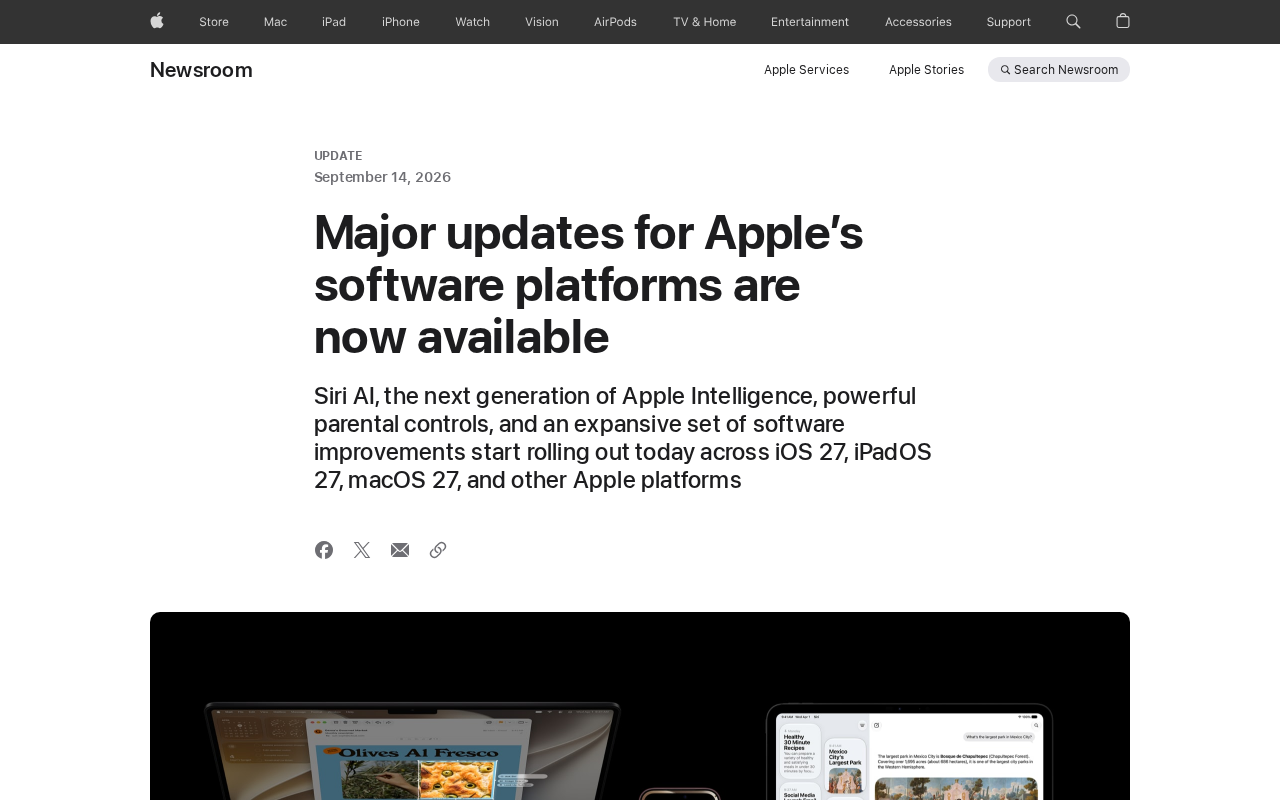
iOS 27, iPadOS 27, and macOS 27: The Information Gap Behind a Discussion
A Hacker News post about iOS 27, iPadOS 27, and macOS 27 sparked speculation about Apple unifying its version numbering. Here's how to read it with limited info.
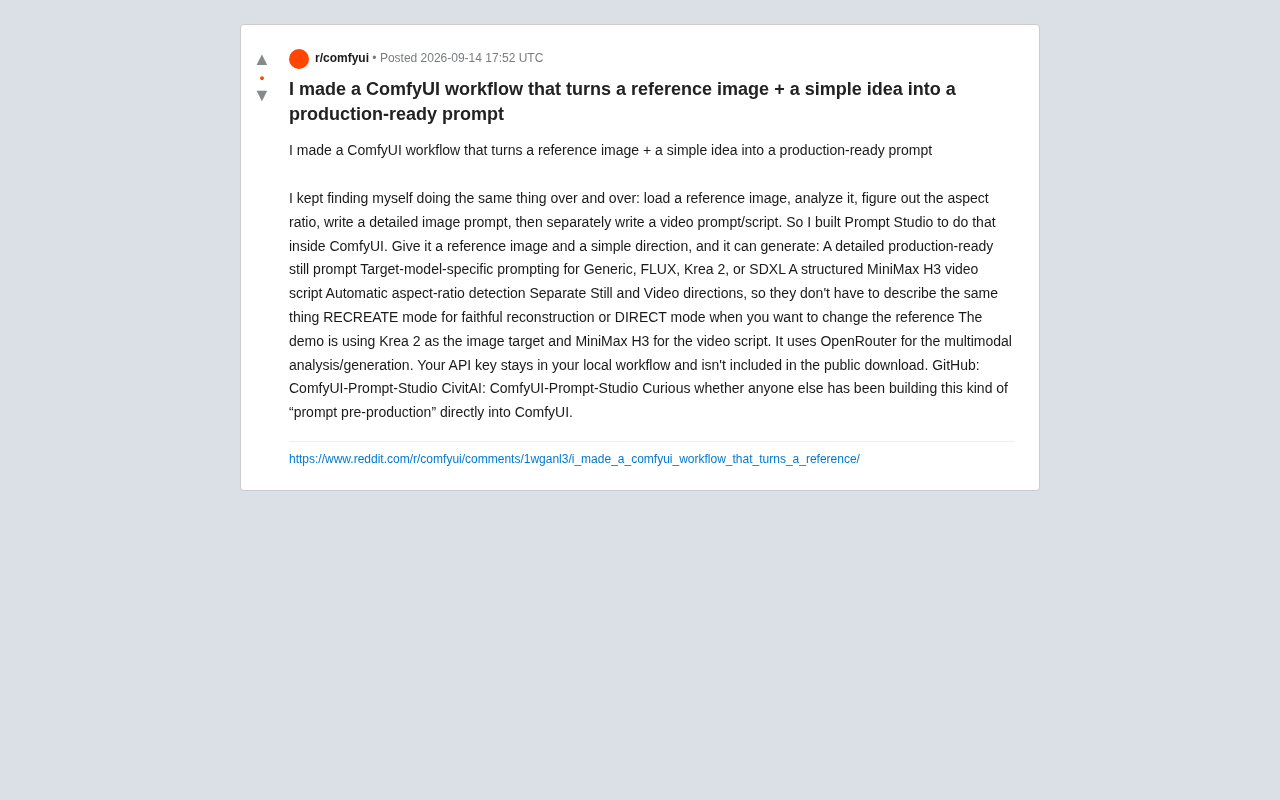
ComfyUI Prompt Studio: A Workflow for Turning Reference Images into Production-Ready Prompts
ComfyUI Prompt Studio is an open-source workflow that auto-generates production-ready image prompts, multi-model custom prompts, and MiniMax video scripts from reference images.
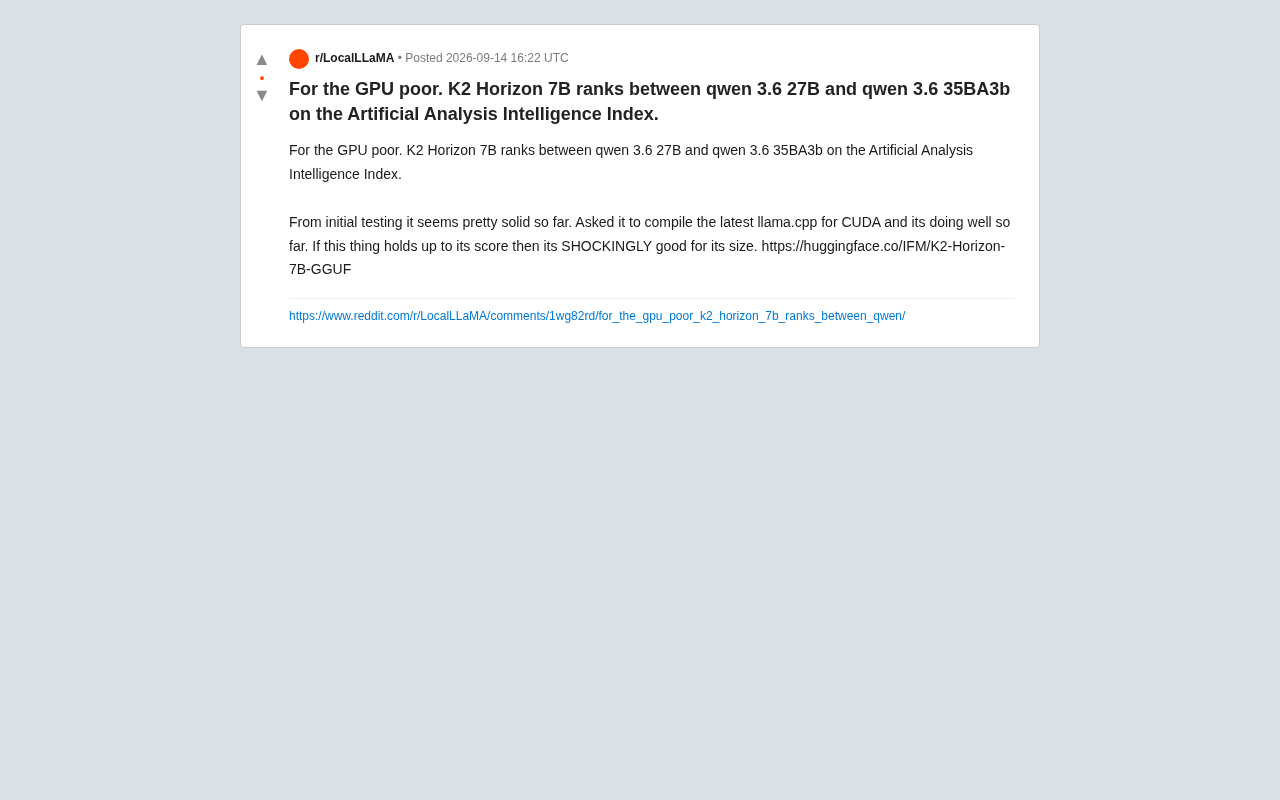
K2 Horizon 7B: A Small Model Punching Above Its Weight
K2 Horizon 7B ranks between Qwen 3.6 27B and 35BA3b on the Artificial Analysis Intelligence Index, delivering near-mid-tier intelligence at 7B parameters — a strong local deployment option.