How is Grok Model Usage Calculated in Cursor Subscription? Billing Mechanism Explained
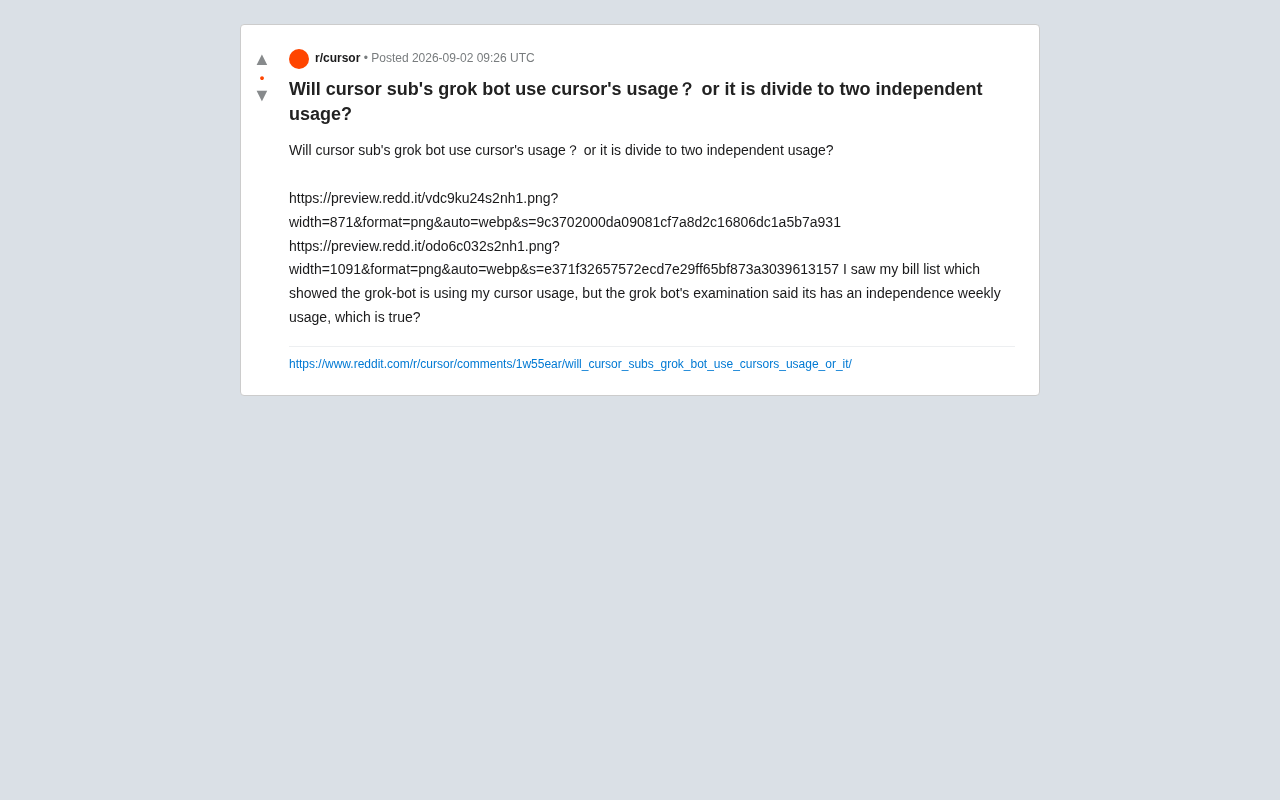
Explaining the contradiction between Cursor's billing records and Grok's documented independent quota
Cursor users face confusion as billing records show Grok consuming primary usage quota while documentation claims independent weekly limits. This analysis explores two possible mechanisms—shared usage pool versus independent quota—and discusses transparency challenges in multi-model AI tool billing.
The Usage Confusion Sparked by Cursor's Grok Integration
Cursor is an AI-native code editor deeply customized from VSCode that rapidly rose to prominence in 2023, offering intelligent code completion and conversational programming features by integrating multiple large language models. As a popular AI-assisted programming tool, Cursor has integrated xAI's Grok model. xAI's Grok model is a large language model launched by Elon Musk in November 2023, renowned for its real-time information retrieval capabilities and direct conversational style. However, many users have encountered confusion when reviewing their bills: the billing statements show Grok consuming Cursor's primary usage quota, yet the Grok bot's documentation page claims it has independent weekly usage limits. This contradictory messaging has sparked widespread discussion about Cursor subscription service's usage calculation mechanism.
This issue reflects a typical challenge when AI tools integrate multiple models—when a platform simultaneously offers multiple AI models, how to clearly define usage boundaries for each model and transparently present billing logic to users directly impacts user experience and trust.
Two Possible Mechanisms for Grok Usage Calculation in Cursor
Current AI programming tools commonly adopt subscription-based business models, typically divided into free and paid tiers (such as Cursor's Pro subscription). The core of paid subscriptions lies in the quota mechanism—users can call AI models a limited number of times or tokens per month or week. This design both controls service costs and encourages users to upgrade to higher-tier subscription plans. Based on user feedback, there are currently two distinctly different usage calculation methods.
Shared Usage Pool Model
Judging from actual billing records, Grok model calls appear to directly consume Cursor subscription's primary usage quota. In other words, whether users invoke Claude, GPT-4, or Grok, all model calls deduct from the same usage pool. The advantage of this design is unified billing logic, making it easier for the platform to control costs and allocate resources.
However, this model lacks flexibility for users. How usage quotas are calculated directly affects user strategy: should they prioritize high-performance models that consume more quota, or choose lightweight models for simple tasks to conserve quota? If you want to test Grok's code generation capabilities while worrying about rapidly depleting your primary usage quota, you face a dilemma. Especially for heavy users, the freedom to choose models is often constrained by quota anxiety.
Independent Quota Model
Grok bot's product documentation page explicitly mentions it has "independent weekly usage." If this statement is accurate, it means Grok has a completely separate counting system from Cursor's primary quota—users can freely use the Grok model without affecting their primary quota.
This design is more user-friendly, allowing flexible selection of the most appropriate model for different programming scenarios without constantly worrying about quota allocation. However, implementation is more challenging, requiring the platform to maintain multiple independent usage tracking systems and make clear distinctions in billing and usage statistics. This places higher demands on the platform's technical architecture and cost accounting capabilities.
Product Design Issues Behind Information Inconsistency
The contradiction between billing records and product documentation exposes problems at two levels:
Accuracy of Product Documentation
If Grok indeed uses a shared usage pool, then the "independent weekly usage" description is misleading; conversely, if Grok truly has independent quota, then the billing display has errors or delayed updates. Either way, it indicates the product team has gaps in information synchronization.
In rapidly iterating AI product development, there's often a time lag between feature implementation and documentation updates. But for billing rules that directly impact user costs, any ambiguous or incorrect statements can lead to user dissatisfaction and trust crises. Product documentation should maintain strict synchronization with code implementation, especially for core features involving subscriptions and billing.
User Interface Transparency
A mature AI tool platform should clearly display which quota pool a model call will deduct from and how much quota remains before users initiate the call. Billing pages should also categorize and display usage consumption for different models, rather than forcing users to guess billing logic by comparing documentation and bills after the fact.
In the mature SaaS (Software as a Service) industry, billing transparency has become a de facto standard. Cloud service providers like AWS and Azure display resource consumption and estimated costs in real-time on their consoles, while payment platforms like Stripe provide detailed transaction logs and cost breakdowns. For AI tools, transparency requirements include: displaying estimated consumption before calls, updating remaining quota in real-time during use, and providing consumption details by model/time period in bills. Lack of transparency not only damages user experience but may also trigger legal risks.
Insights for Multi-Model Billing in AI Programming Tools
This case has reference value for the entire AI-assisted programming tools industry. As the large language model ecosystem becomes increasingly rich, multi-model integration has become a mainstream trend. When AI tools integrate multiple third-party models, they face dual challenges: technically, they need to unify interface standards, handle response format differences across models, and manage API keys and rate limits; commercially, it's even more complex—different model providers have varying pricing structures (OpenAI charges by token, Anthropic has different pricing tiers), and platforms need to design reasonable resale pricing while ensuring profitability.
However, model integration is not just a technical integration issue but requires systematic thinking at the product design level:
-
Billing Transparency: Users need to clearly understand cost structures before use, not discover unexpected charges after bills arrive. This requires platforms to provide clear quota indicators at the UI level, display estimated consumption before model calls, and provide detailed itemized breakdowns in bills.
-
Quota Visualization: Display remaining quotas for each model in real-time to help users make reasonable model selections. Ideal design should directly show quota consumption for each option in the model selection interface, allowing users to make informed decisions.
-
Documentation Consistency: Product descriptions, user interfaces, and actual behavior must remain unified; any inconsistency damages user trust. This requires establishing strict documentation review processes to ensure all related documentation is updated synchronously when features change.
More critically, platforms must decide whether to adopt a unified quota pool to simplify management or maintain independent quotas for each model to provide more granular control. Unified quota pools are simple to implement but lack flexibility; independent quotas provide better user experience but place higher demands on platform technical architecture and cost accounting capabilities.
For Cursor subscription users, the safest current approach is to directly contact Cursor's official support team to confirm accurate billing rules. For the Cursor team, this is a clear signal to optimize product experience—in the multi-model era, clear usage management mechanisms are not just icing on the cake but part of core competitiveness.
Key Takeaways
When AI tool platforms integrate multiple models, transparency and accuracy in usage calculation directly impact user trust. The documentation-versus-actual-billing inconsistency that emerged in Cursor's Grok integration reminds the entire industry: while technology iterates rapidly, establishing strict product information synchronization mechanisms and clear billing visualization systems is essential to win users' long-term trust in fierce market competition.
Related articles

Micron's $10 Billion R&D Center in Boise: A Deep Dive into Its Strategic Significance
Micron announces a $10B R&D center in Boise focused on HBM and next-gen memory tech. We analyze the strategy, policy drivers, and impact on AI-era chip competition.

Chrome Updates Every Two Weeks: How AI is Reshaping Browser Security Strategy
Google Chrome shifts to biweekly updates to combat AI-accelerated cyberattacks. Deep dive into how AI is transforming security dynamics and the impact of faster release cycles.
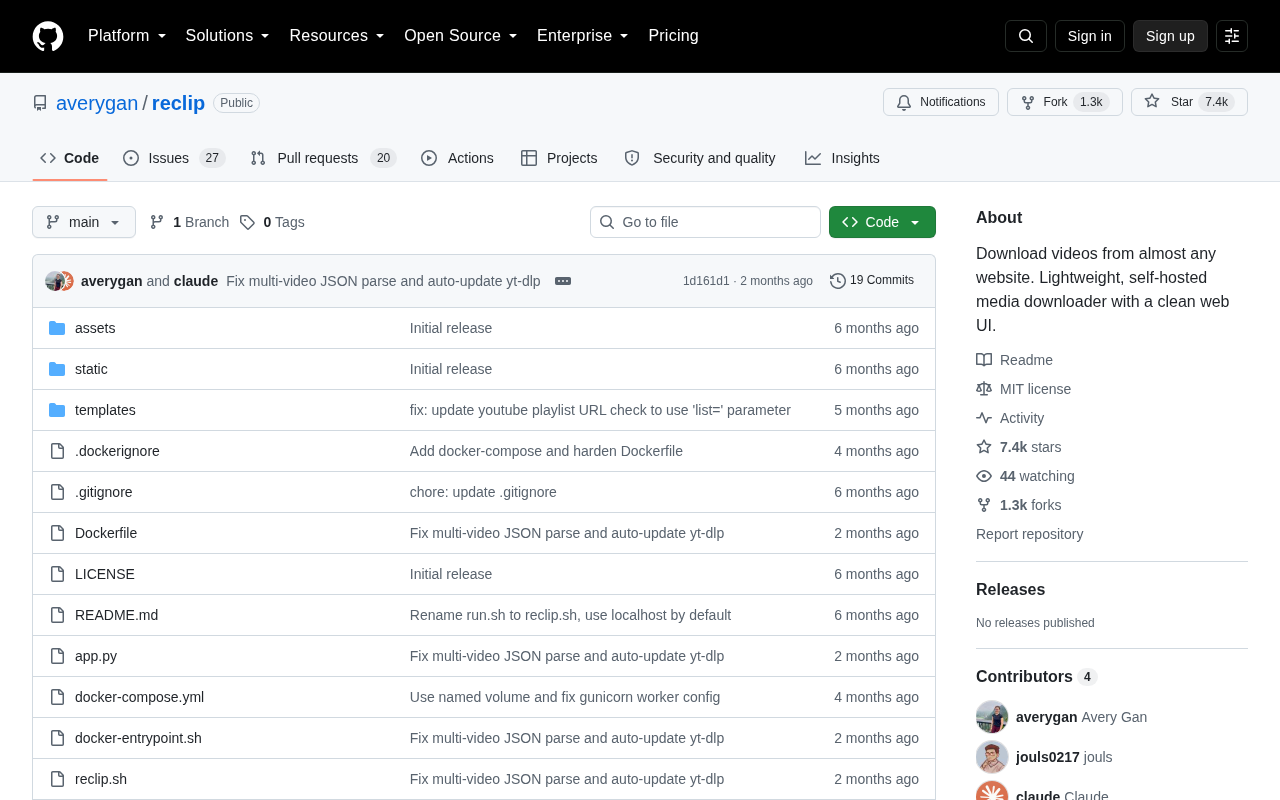
reclip: Self-Hosted Video Downloader with Clean Web UI as Command-Line Alternative
reclip is a lightweight self-hosted video downloader with a clean Web UI, built on yt-dlp to support downloads from almost any website. Easy deployment, privacy control, ad-free, ideal for NAS and VPS users.