iPad Mini 8 Debuts with OLED Display, Pre-Orders Now Open
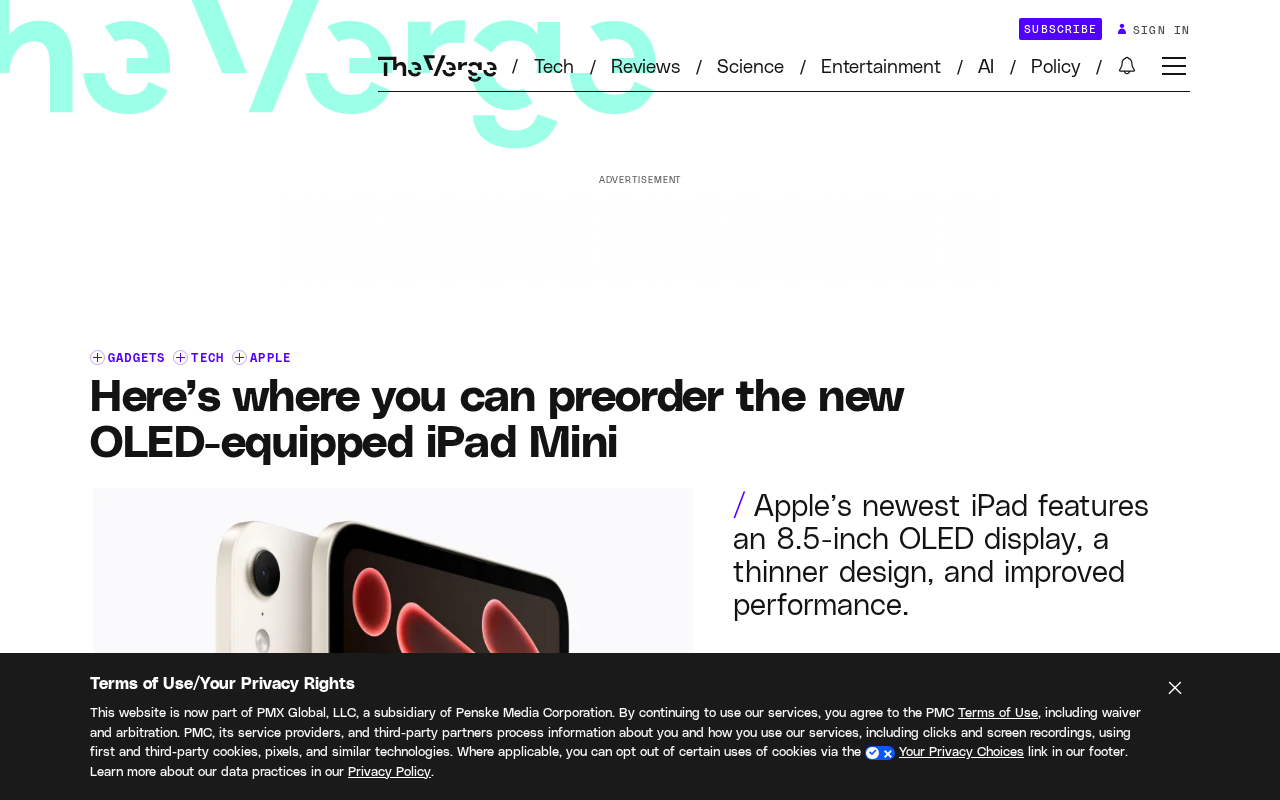
The eighth-generation iPad Mini debuts with an OLED screen, on sale November 6, pre-orders now open.
Apple officially released the eighth-generation iPad Mini, introducing OLED screens to the series for the first time and saying goodbye to LCD. OLED pixels emit their own light, bringing higher contrast, purer blacks, and lower power consumption in dark scenes, while eliminating the backlight module helps make the device thinner and lighter. The new device officially launches November 6, with pre-orders now open on Amazon, Walmart, and Apple official; channels differ in discounts and shipping speed. The article argues the screen upgrade is the most persuasive reason for old Mini users to upgrade, and suggests reading- and video-focused users consider pre-ordering, while infrequent users can wait for first-batch reviews. China mainland pre-order arrangements have not yet been announced.
Apple's smallest tablet finally gets a screen upgrade. Earlier this week, alongside the launch of several new MacBook Pro models, Apple officially unveiled the eighth-generation iPad Mini, bringing OLED technology to this product line for the first time—meaning the iPad Mini says goodbye to LCD and enters the OLED era.
Screen Upgrade: What OLED Actually Changes
The core difference between OLED and LCD lies in how they emit light. LCD requires a constantly lit backlight layer, so light still passes through even when displaying black; OLED pixels emit their own light independently, switching off entirely when displaying black. The direct benefits are higher contrast, purer blacks, and lower power consumption in dark scenes.
For a small device like the iPad Mini, another hidden advantage of OLED is thickness and weight—eliminating the backlight module allows more flexible use of internal space. Apple adopting this technology on the Mini series for the first time also makes the iPad lineup's display specs more consistent: the Pro has long used Mini-LED/XDR, and the Mini now fills in the OLED gap.
Technical details of OLED vs. LCD
LCD (liquid crystal display) emits light through a backlight layer; liquid crystal molecules act like blinds to control whether light passes through, so it cannot achieve complete pixel-level shutdown and still leaks light when displaying black. OLED (organic light-emitting diode) uses organic material coatings, where each pixel emits light when powered and goes completely dark when power is cut. This fundamental difference brings several chain effects: contrast can theoretically be infinite (since black brightness is zero); response time is far faster than LCD, with less motion blur in dynamic scenes; but OLED also suffers from lifespan degradation (especially blue subpixels) and the risk of burn-in from long-term display of static content. Apple has accumulated years of OLED tuning experience on iPhone and Apple Watch, and bringing it to the iPad Mini means its small- and medium-sized OLED supply chain is mature enough.
What are iPad Pro's Mini-LED and XDR
The original text mentions that iPad Pro already uses Mini-LED/XDR; here's a brief explanation. Mini-LED is still essentially LCD, but the backlight layer consists of thousands of tiny LEDs that enable local dimming, greatly improving contrast and peak brightness. XDR (Extreme Dynamic Range) is Apple's marketing name for ultra-high dynamic range displays, requiring extremely high brightness and precise color management. OLED and Mini-LED take different approaches: the former has self-emitting pixels, the latter relies on dense backlight zones, each with pros and cons—OLED offers purer blacks and is thinner, while Mini-LED has advantages in sustained high-brightness display. The iPad Mini's choice of OLED also fits its positioning prioritizing small size and portability.
Release and Pre-Order Information
According to Apple's announcement, the eighth-generation iPad Mini officially goes on sale on November 6. However, pre-orders can already be completed through multiple channels:
- Amazon: usually offers some launch discount or gift card rebate
- Walmart: wide physical store coverage, suitable for users who prefer in-store pickup
- Apple official: most comprehensive configuration options, supports engraving and education discounts
The scattered pre-order channels mean users can compare prices before ordering, rather than only looking at Apple's website. For users who want to get the device as soon as possible, pre-ordering early is a reliable way to lock in first-batch inventory.
What This Upgrade Means
The iPad Mini has long occupied a delicate position: performance is sufficient, but screen quality lacks highlights compared with competitors at the same price. The addition of OLED brings a qualitative improvement in viewing experience for reading, watching videos, drawing, and other scenarios, especially in dark mode.
From a product line strategy perspective, Apple bringing OLED down to the Mini shows that this technology is penetrating from high-end to mid-range. For users still on older Minis, this screen upgrade may be the most persuasive reason to upgrade—after all, processors improve every year, but display form factor changes only once every few years.
The product line logic of bringing OLED to mid-range
Apple gradually moving OLED from iPhone flagships and iPad Pro down to iPad Mini reflects the cost curve and supply chain maturity of display technology. Early OLED panels had high costs and low yields, used only in high-premium products; as production capacity expanded and packaging technologies (such as LTPO and Tandem OLED) advanced, mid-range devices can also afford them. This strategy is consistent with Apple's path of using OLED across the Apple Watch lineup and gradually popularizing OLED in the iPhone digital series. For consumers, this means the screen weakness of mid-range products is being addressed; for the industry, it may accelerate the retirement of LCD in small- and medium-sized mobile devices.
Buying Advice
If you mainly use the iPad Mini for e-books, videos, and light note-taking, the viewing improvements from OLED are worth considering a pre-order. If you have a sixth- or seventh-generation Mini and don't use it frequently, you can wait for first-batch hands-on reviews before deciding. During the pre-order phase, inventory and shipping order vary significantly across channels, so it's advisable to prioritize platforms with clear shipping times.
Apple has not yet announced specific pre-order arrangements for the China mainland version; domestic users will need to wait for the official page to update.
One-line Summary
The eighth-generation iPad Mini adopts an OLED screen for the first time, goes on sale November 6, and pre-orders are now open.
Paragraph Summary
Apple has officially released the eighth-generation iPad Mini, bringing OLED screens to the series for the first time and saying goodbye to LCD. OLED's self-emitting pixels deliver higher contrast, purer blacks, and lower power consumption in dark scenes, while eliminating the backlight module helps make the body thinner and lighter. The new device officially goes on sale November 6, with pre-orders now open on Amazon, Walmart, and Apple official; channels differ in discounts and shipping speed. The article argues that the screen upgrade is the most persuasive reason for old Mini users to upgrade, and suggests users focused on reading and video consider pre-ordering, while infrequent users can wait for first-batch reviews. China mainland pre-order arrangements have not yet been announced.
Related articles
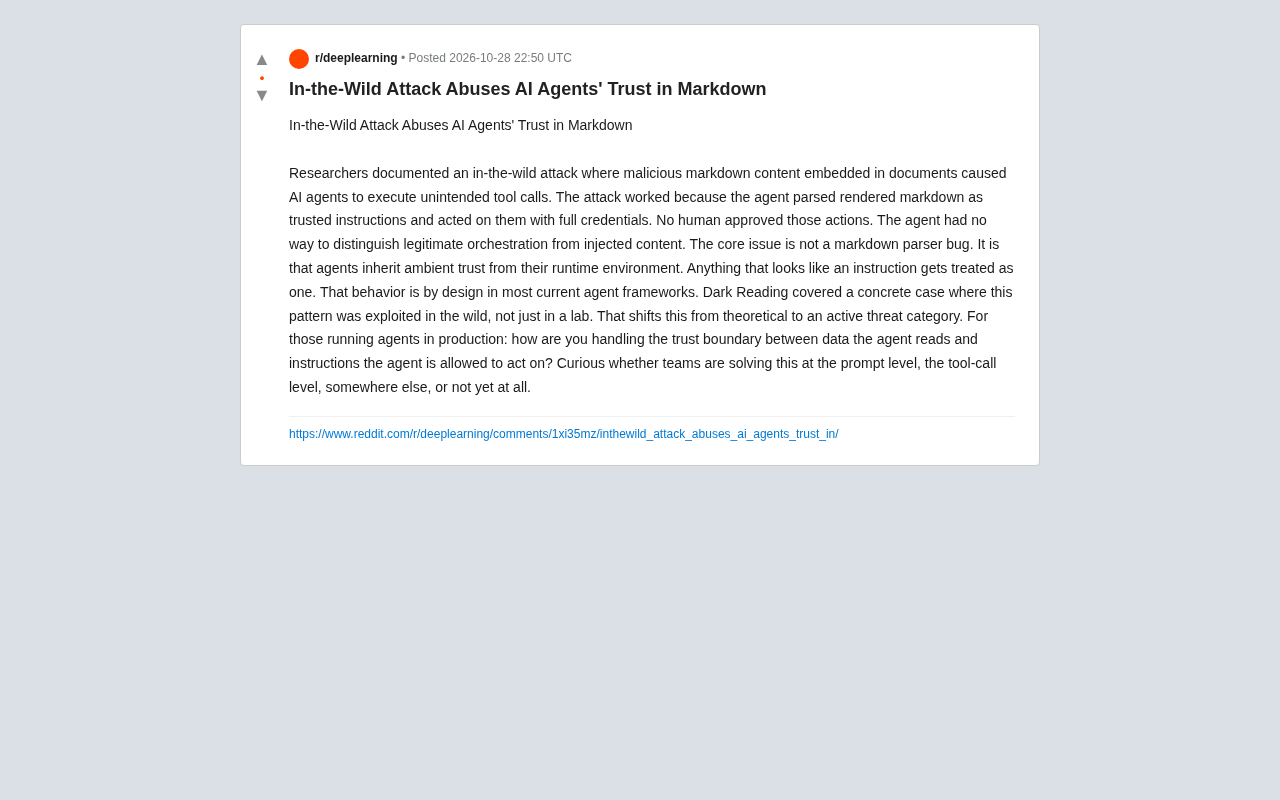
AI Agent Trust Crisis: Markdown Injection Attacks Have Moved from Lab to Reality
Security researchers document an in-the-wild Markdown injection attack: malicious document content is misclassified by AI agents as trusted instructions, executing unauthorized tool calls with full credentials. This article analyzes the attack mechanism, the root cause of ambient trust, and defense approaches for trust boundaries in production environments.
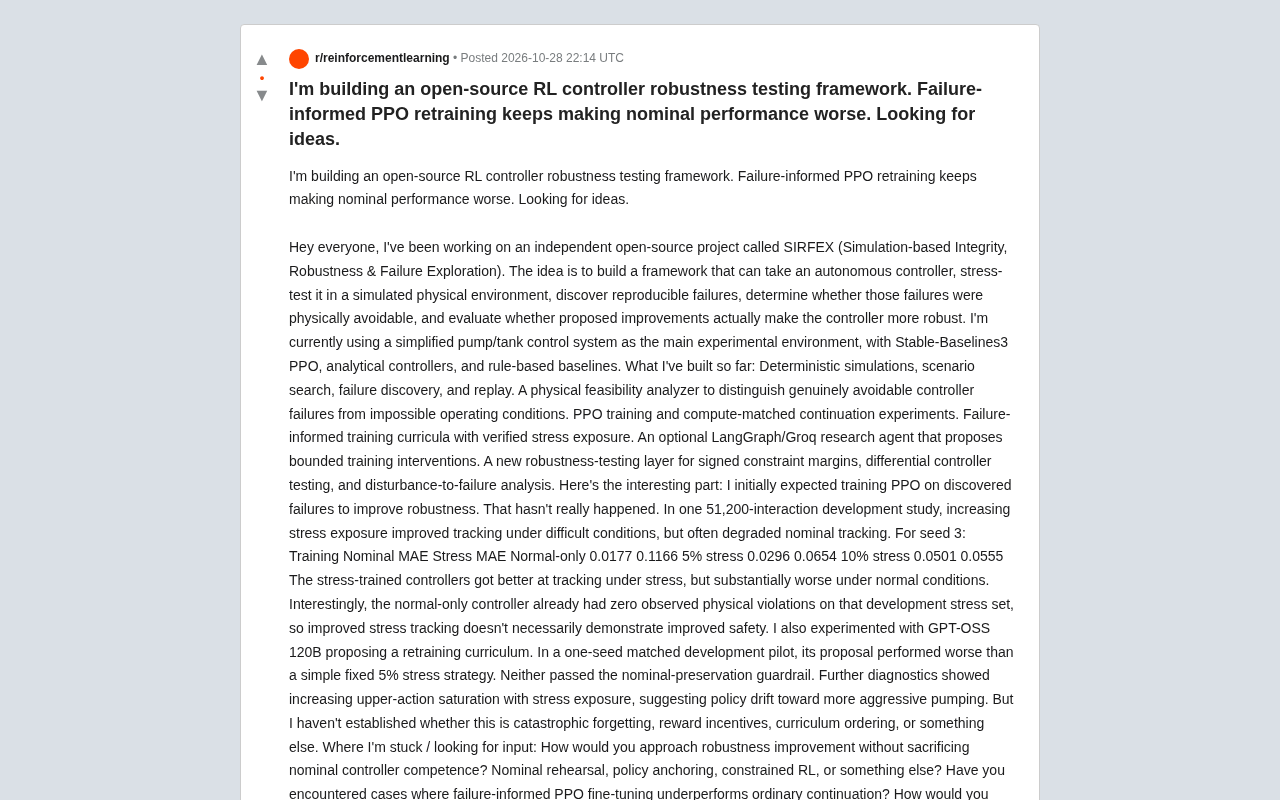
Open-Source Robustness Testing Framework SIRFEX: Why Does Failure-Driven PPO Retraining Hurt Nominal Performance?
Open-source framework SIRFEX fine-tunes PPO on failure scenarios, yet nominal performance degrades. We analyze the experimental data, causes of negative results, and the balance between robustness and nominal performance.
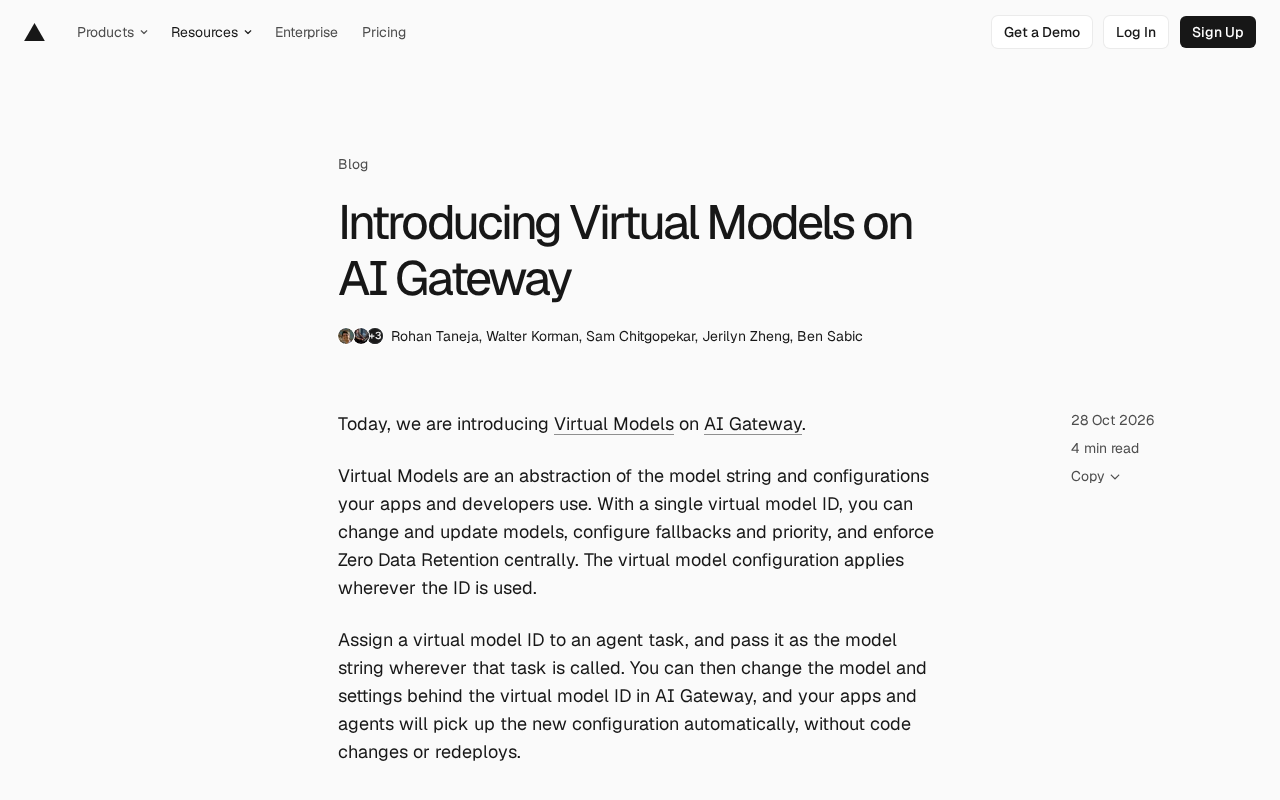
AI Gateway Introduces Virtual Models: Switch Models Without Changing Code
Vercel AI Gateway launches Virtual Models, abstracting model strings and configuration into reusable IDs so model switching needs no code changes or redeployment, with centralized governance of fallback, Zero Data Retention, and permission control.