iPhone 18 Pro and Pro Max Pre-Order Guide: A20 Pro Chip Powers Up AI Performance
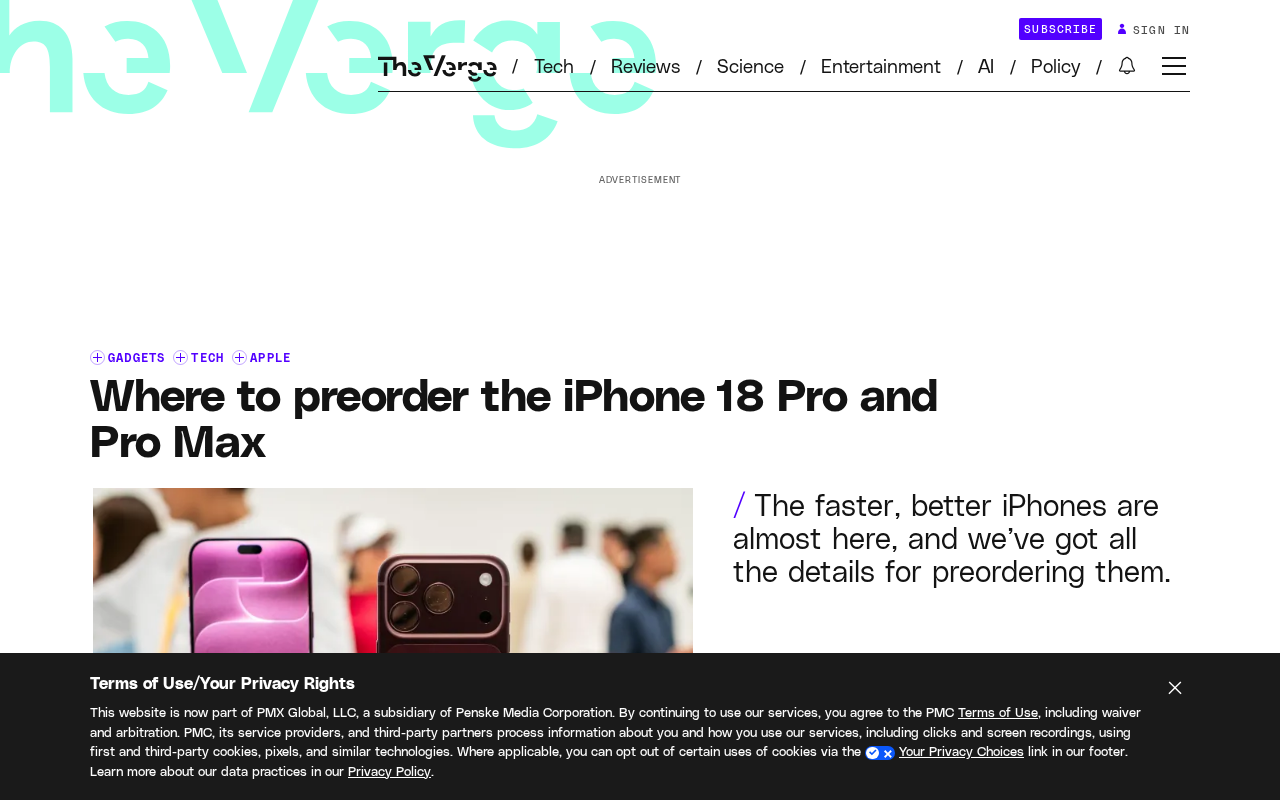
iPhone 18 Pro series debuts with the A20 Pro chip, doubling down on GPU power and neural cores for on-device AI.
Apple unveiled the iPhone 18 Pro and Pro Max at its September event, both powered by the new A20 Pro chip. The upgrade prioritizes GPU performance and increased neural core count over raw CPU gains — improving graphics while enabling faster, more efficient on-device AI inference for tasks like image recognition, real-time translation, and generative AI. The two models share the same processor and AI capabilities, differing mainly in screen size and battery life, with the Pro Max better suited for sustained high-load AI use. Full specs are yet to be fully disclosed, so buyers should consult official details and independent reviews before ordering.
iPhone 18 Pro Series Makes Its Debut
Apple officially unveiled the iPhone 18 Pro and iPhone 18 Pro Max at its September event. The two flagship models launched alongside new products like the iPhone Duo, continuing the premium positioning Apple's Pro lineup is known for. For users who follow hardware iterations and AI capability developments, the headline upgrades this cycle center on processor performance and improved on-device AI processing.
According to information shared at the event, the iPhone 18 Pro and Pro Max are powered by the all-new A20 Pro chip. The processor delivers enhanced GPU performance, but more importantly, it integrates a greater number of neural cores dedicated to handling AI-related tasks — a direction that aligns closely with the broader smartphone industry's push toward on-device AI.
A20 Pro Chip: Built for On-Device AI
In terms of product positioning, the A20 Pro's improvements are less about chasing traditional CPU benchmark scores and more about directing resources toward two key areas: graphics processing and AI inference.
A more powerful GPU translates to smoother experiences in games, video rendering, and graphics-intensive applications. The increase in neural core count, meanwhile, directly affects the device's ability to run AI models locally — whether for image recognition, real-time translation, or generative AI features. More neural cores deliver lower latency and better power efficiency across the board.
This design philosophy reflects Apple's continued bet on on-device AI. Compared to relying entirely on cloud compute, running AI inference locally on the device offers stronger privacy protections while reducing dependence on network connectivity. For users who rely heavily on AI-assisted features, this kind of hardware-level reinforcement carries real practical weight.
What are Neural Cores? Neural Engine / Neural Cores are dedicated hardware units Apple introduced with the A11 Bionic chip in 2017, designed specifically to execute deep learning inference tasks like matrix multiplication and convolution. Compared to general-purpose CPUs, neural cores can be tens of times more energy-efficient for the same class of AI computations. Compared to GPUs, they excel in low-latency, continuous inference scenarios rather than large-scale parallel training. Across Apple's A-series chip generations, the Neural Engine has grown from 2 cores in the A11 to 16 cores in the A17 Pro, with performance climbing from 0.6 TOPS to over 35 TOPS. More cores mean the chip can schedule more inference tasks simultaneously, or handle more complex models in the same timeframe — critical for emerging AI features like on-device large language models (On-device LLM) and real-time speech transcription.
Differences Between the Two Models and How to Choose
The core distinctions between the iPhone 18 Pro and Pro Max typically come down to screen size, battery capacity, and certain camera configurations. The Pro Max's larger chassis can accommodate a bigger battery, giving it an edge in battery life — particularly relevant for users running high-load AI tasks regularly.
It's worth noting that the original information disclosed limited specifics about the two models' exact spec differences. Based on historical product line patterns, both models should share the same processor and core AI capabilities, with the main differences concentrated in form factor and display experience. Consumers can make their pre-order decision based on their personal preferences around screen size and battery life.
On-Device AI vs. Cloud AI — The fundamental difference lies in where computation happens. Cloud-based solutions upload user data to remote servers for inference, with latency subject to network conditions and privacy risks once data leaves the device. On-device solutions run inference directly on the local chip, keeping data on the device throughout, delivering faster response times, and remaining available even without a network connection. As smartphone chip performance continues to climb, more models that once required cloud compute are being quantized and compressed for deployment on-device. Apple's Apple Intelligence framework is a prime example of this trend. For high-load AI tasks — such as continuous real-time translation or AI camera processing — on-device inference places greater demands on chip thermals and battery life, which is one reason the Pro Max's larger form factor holds an advantage in these scenarios.
Pre-Order Recommendations
For users planning to pre-order the iPhone 18 Pro series, here are a few things worth keeping in mind:
- Go through official channels first: Ordering through Apple's website or an authorized retailer ensures full warranty coverage and after-sales support.
- Check carrier deals: Some carriers offer trade-in programs or installment plans. If you're looking for purchase subsidies, it's worth comparing options.
- Pick the right configuration: Choose a storage tier and model variant that matches your actual usage — particularly how intensively you plan to use AI features.
- Watch shipping timelines: Popular Pro models often face supply constraints in the early pre-order window. Ordering early improves your chances of receiving the device sooner.
Conclusion
The iPhone 18 Pro and Pro Max upgrades are, at their core, another step forward in Apple's push along the on-device AI track. The A20 Pro processor's enhanced GPU and neural cores lay the groundwork for richer local AI applications. For users who prioritize performance and AI experience, these two models represent the current flagship standard in the Apple ecosystem.
That said, detailed specifications remain limited at this stage. Prospective buyers are advised to wait for Apple's full technical specs and independent reviews before placing an order, to ensure a well-informed purchasing decision.
Related articles

No Valid Source Material: A Dad Joke Tweet Cannot Support a Technical Article
The source material provided is an unrelated dad joke tweet with no informational value. A valid technical article cannot be generated. Please provide relevant tech content.
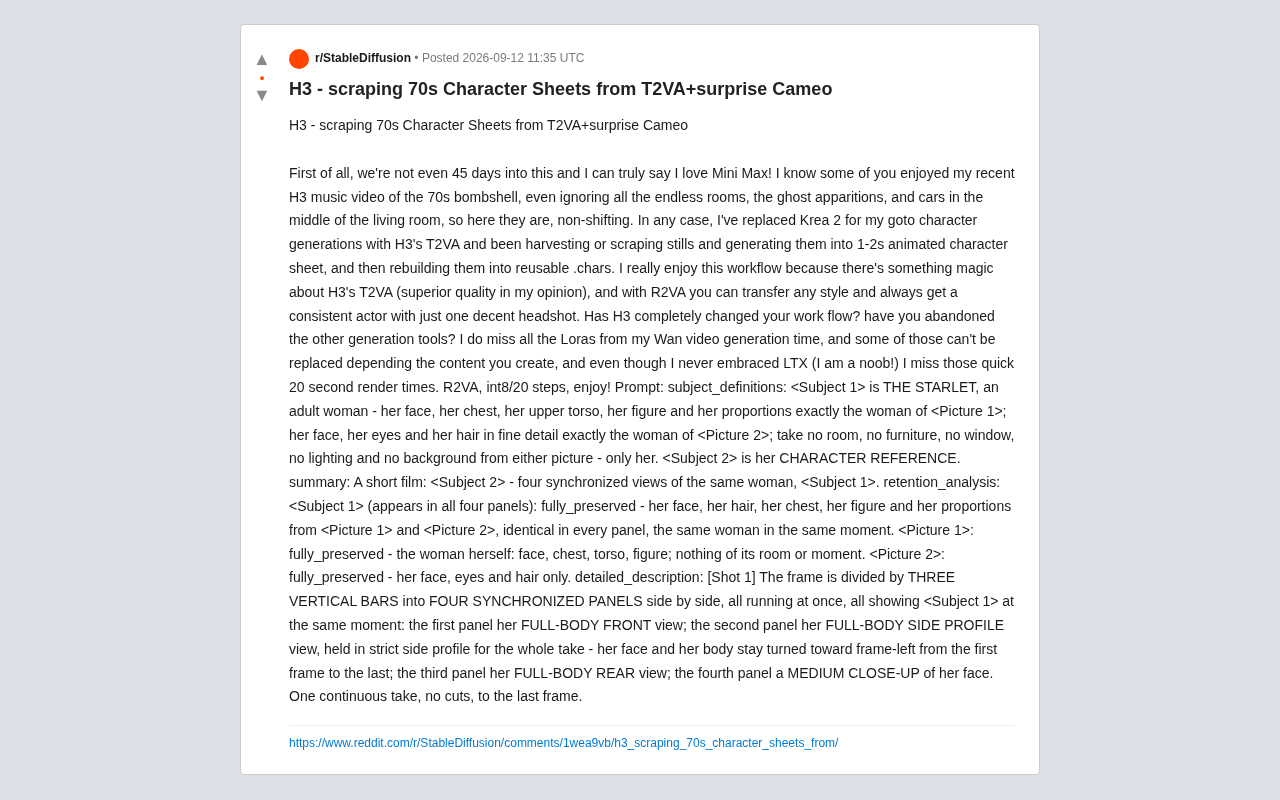
Building a Character Consistency Workflow with Hailuo H3: A T2VA Character Sheet Tutorial
A Reddit creator shares how to build a character consistency workflow using MiniMax Hailuo H3's T2VA/R2VA — from still harvesting to reusable .chars files, with a structured four-view character sheet Prompt.

25 Fields Medalists Issue Joint Statement: AI Is Causing Severe Misalignment in Mathematics
25 Fields Medalists issue a joint statement warning that AI is causing "severe misalignment" in mathematics — and what this means for the broader research community.