iPhone Duo Copycat Controversy: Why Keeping Apple's Supply Chain Secrets Is Nearly Impossible
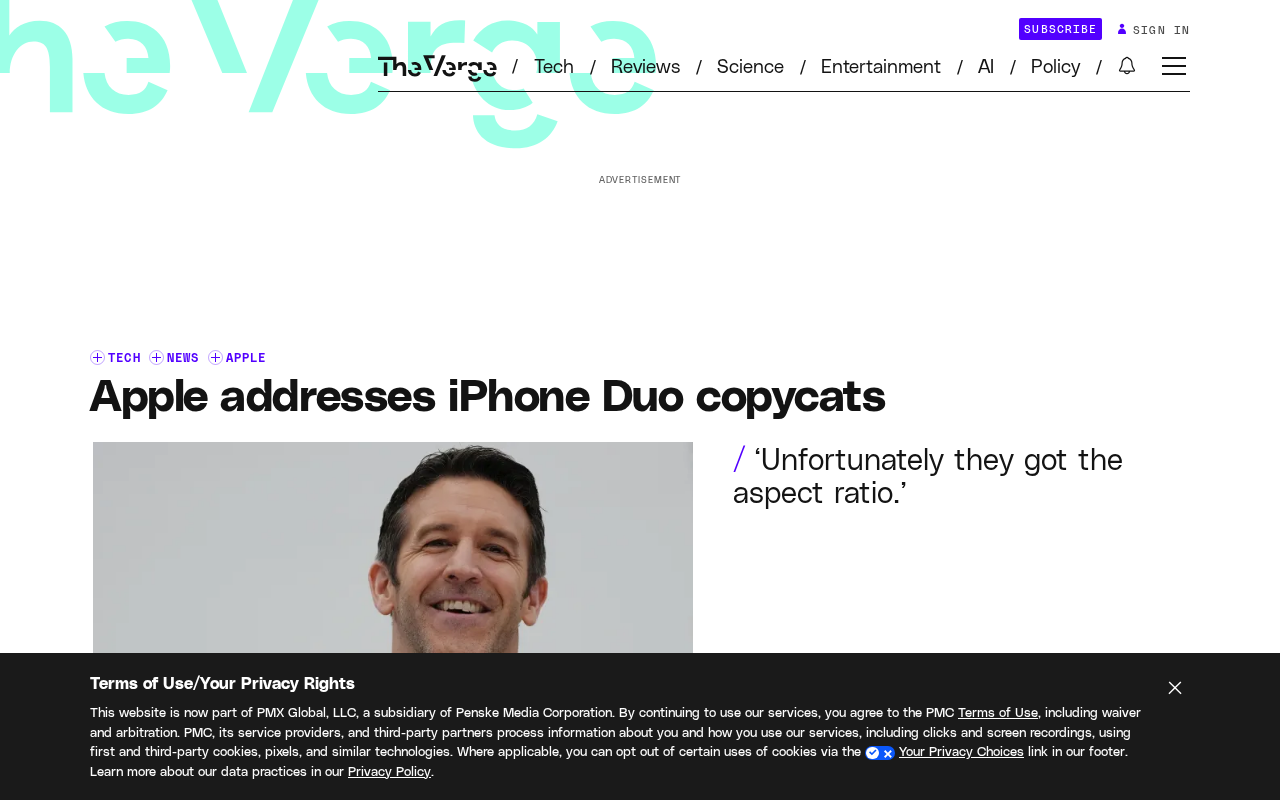
Apple's iPhone Duo copycat controversy exposes the structural challenge of protecting hardware innovation in a globalized supply chain.
Apple's passport-shaped foldable, the iPhone Duo, has sparked copycat allegations almost immediately after its announcement. The root cause lies in the highly shared nature of global supply chains: a limited number of suppliers for components like hinges and flexible displays simultaneously serve Apple, Samsung, Huawei, and others, making it nearly impossible to keep product designs truly secret before launch. Apple CEO John Ternus has addressed the controversy directly, though he understands that pure hardware lockdown is unrealistic. The article argues that design convergence in the foldable market is inevitable, shifting competition from "who got there first" to depth of software ecosystem and user experience integration — where Apple's real competitive moat lies.
Apple's iPhone Duo Faces Copycat Allegations — Being Late Doesn't Mean You Can't Be Copied
In the latest wave of foldable phone competition, Apple has unveiled the iPhone Duo — a passport-shaped foldable device. Apple wasn't the first company to announce this form factor. What's interesting, however, is that despite arriving relatively late to the foldable game, that hasn't stopped competitors from allegedly copying its design.
This situation exposes a deep-seated issue that has long existed in the smartphone industry but is rarely discussed openly: in today's globalized supply chain, keeping a product secret is nearly impossible.
Shared Supply Chains: Apple's Greatest Enemy in Secrecy
When Apple and its competitors all rely on the same global suppliers, maintaining complete confidentiality during product development is nearly out of the question.
Why Is It So Hard for Apple to Keep Secrets?
Manufacturing a modern smartphone involves hundreds of suppliers — from display panels and hinge mechanisms to chips, camera modules, and enclosures. These critical components are often concentrated among a small number of leading suppliers. When Apple places a custom order with a supplier for a specialized foldable display or hinge, that same supplier is very likely serving Samsung, Huawei, Xiaomi, and others simultaneously.
This creates several problems:
- Design intent leaks: When suppliers receive custom orders, they can reverse-engineer the client's product form factor and design direction.
- Technology proliferation: Once a particular hinge or display solution is developed, it may be "recycled" into other customers' products.
- Narrowing time gaps: Competitors can learn about Apple's product plans through supply chain channels even before an official announcement.
For foldable phones — a category that depends heavily on specialized hardware processes — supply chain transparency is particularly damaging. The passport-style fold requires specific hinge and display solutions, and the number of suppliers capable of delivering those is extremely limited.
Apple CEO Ternus Addresses the Copycat Controversy Head-On
Reports indicate that Apple's new CEO John Ternus, along with other business unit leaders, has begun directly addressing the controversy surrounding the iPhone Duo allegedly being copied.
As a long-tenured Apple hardware engineering executive, Ternus has a deep understanding of how supply chains operate. His response reflects the complex position Apple finds itself in when confronting this persistent industry problem: on one hand, wanting to protect its own innovations; on the other, fully aware that pure technological lockdown is unrealistic in a world of shared supply chains.
This also explains why Apple has increasingly focused on building its moat through software ecosystems, brand experience, and holistic design language, rather than relying solely on exclusive hardware form factors. Hardware can be imitated — but the integration of an ecosystem and user experience is far harder to replicate.
The Homogenization Problem Facing the Foldable Market
The copycat controversy surrounding the iPhone Duo reflects a broader trend of design convergence across the entire foldable phone market.
Design Convergence in Foldables Is Almost Inevitable
When all manufacturers are sourcing similar core components from similar suppliers, convergence in product form factors is a near-inevitable outcome. Passport-style folds, book-style folds, clamshell folds — these mainstream configurations will quickly become the industry's "reference designs."
For consumers, this could mean:
- Hardware differences between foldable phones from different brands will continue to shrink
- The competitive battleground will shift from "who got there first" to "who made it work better"
- Software optimization, system integration, and multitasking experience will become the deciding factors
Apple's Late Arrival and Its Potential Advantages
Apple has long been known for its cautious approach to foldables, having held off on launching a folding product for years. While the iPhone Duo arrives later than Android competitors, Apple typically bets on delivering a more polished, fully realized product to outmaneuver rivals despite the late start.
But the reality of the supply chain tells a different story: Apple's "late mover" strategy is losing ground on hardware form factors — competitors may actually leverage shared suppliers to launch similar designs before Apple even makes it to market.
Protecting Innovation: A Structural Problem for the Consumer Electronics Industry
The iPhone Duo copycat episode is fundamentally not just Apple's problem — it's a structural dilemma facing the entire consumer electronics industry under a globalized supply chain.
For Apple, rather than fixating on exclusive hardware form factors, the better path is to continue strengthening its unique advantages in hardware-software integration, user experience, and ecosystem depth. In an era of highly transparent supply chains, what's truly difficult to copy has never been a display panel or a hinge — it's the complete, cohesive experience built around a product.
The controversy surrounding the iPhone Duo may well be just the first of many similar stories in the foldable era.
Related articles
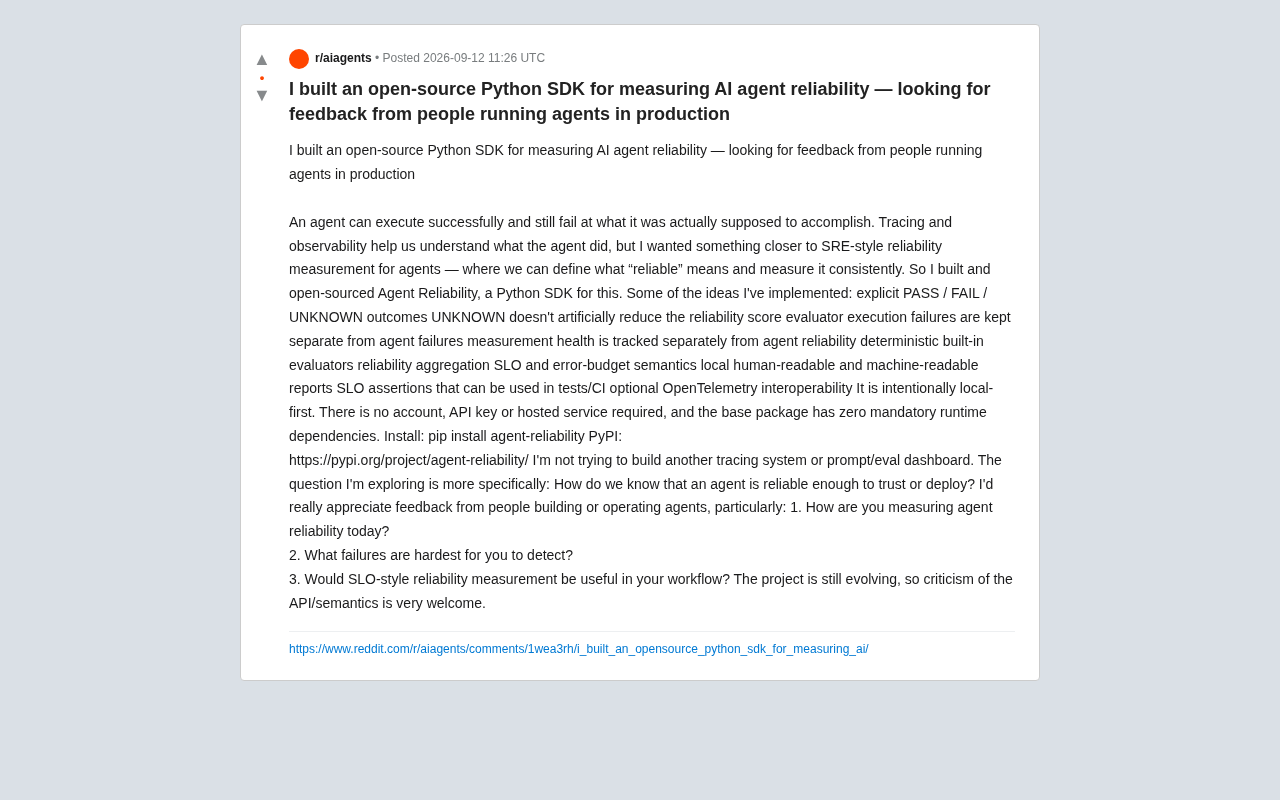
Open-Source Python SDK: Measuring AI Agent Reliability with SRE Principles
Agent Reliability is an open-source Python SDK that applies SRE's SLO and error budget concepts to AI Agent evaluation, with PASS/FAIL/UNKNOWN states, CI assertions, and zero forced dependencies.

MiniMax RefMod: A Complete Guide to Training-Free Reusable Identity Workflows
MiniMax RefMod offers training-free reusable identity workflows for image, video, and audio generation. Includes Runpod template and tutorial for quick setup.

Invalid Source Material Notice
The source material provided lacks substantive information and is unrelated to AI/tech topics, making it impossible to produce a complete professional article.