Jensen Huang Tells Trump: AI Slowdown Is Not an Option
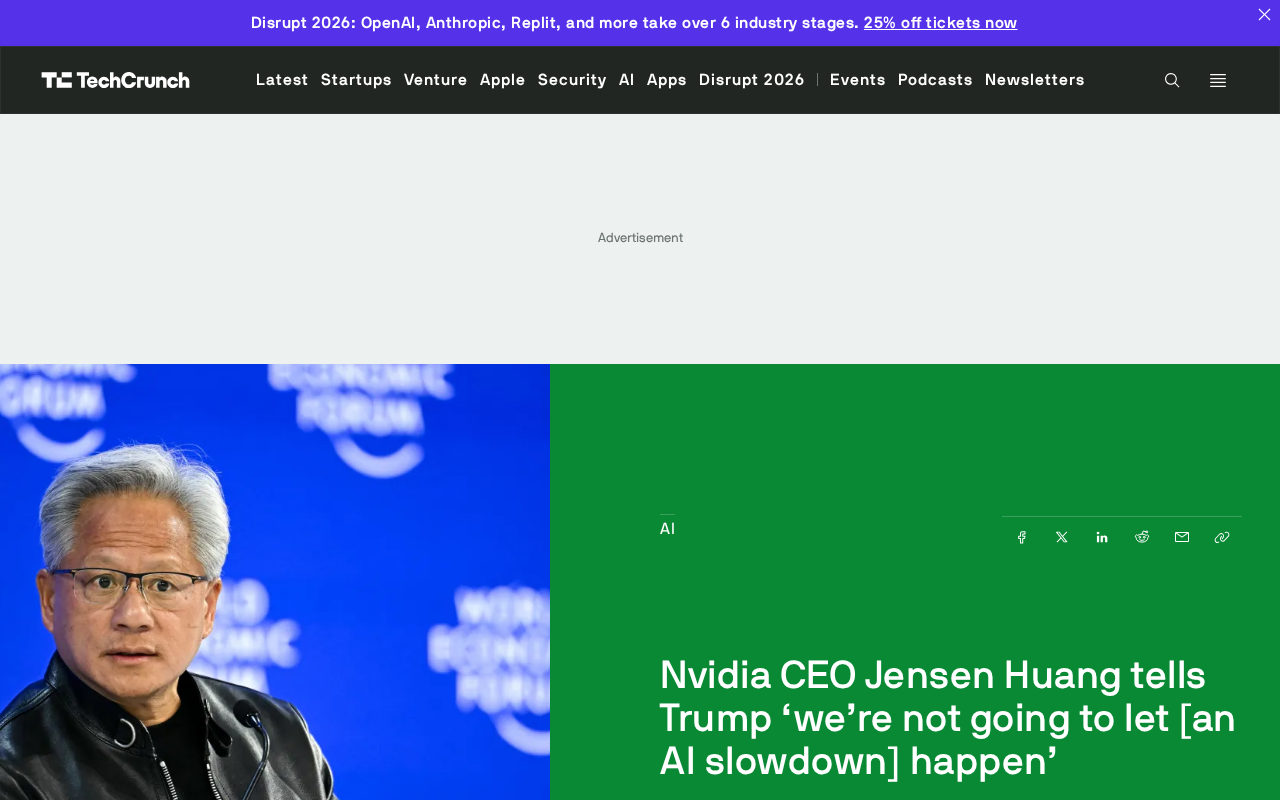
Jensen Huang tells Trump AI won't slow down, exposing Silicon Valley's deepest fault line between safety and speed.
NVIDIA CEO Jensen Huang recently told Trump that AI development will not be allowed to slow down, bringing the industry's internal divide over AI's pace into sharp relief. The safety-first camp, led by Anthropic's Dario Amodei, argues that AI capabilities are outpacing alignment and safety research. Huang's accelerationist view holds that slowing down unilaterally means ceding ground in a global tech race. Musk and Altman occupy a contradictory middle ground — voicing support for caution while aggressively pushing frontier research. Huang's statement blends commercial interest with technological optimism and signals that top companies are actively lobbying policymakers for a pro-growth AI environment. The "safety vs. speed" battle will continue to define the industry's direction.
NVIDIA CEO Jensen Huang recently made his position crystal clear in an exchange with former U.S. President Donald Trump: "We're not going to let that happen" — referring to any slowdown in AI development. The statement not only represents NVIDIA's stance but has reignited fierce debate in Silicon Valley over the pace of AI progress.
![rss source: Nvidia CEO Jensen Huang tells Trump ‘we’re not going to let [an AI slowdown] happen’](/media/screenshots/source/27153_0.png)
An Industry Split Over "Hitting the Brakes"
Among tech leaders, opinions on whether AI should slow down are fracturing in plain sight. Anthropic CEO Dario Amodei has long called for a cautious approach to expanding AI capabilities, arguing that development should decelerate until safety can be more fully guaranteed. According to original reports, both Elon Musk and OpenAI's Sam Altman have expressed support for Amodei's calls for restraint.
Huang, however, is clearly on the other side. As the central figure in the global AI compute supply chain — NVIDIA's GPUs form the backbone of virtually all large model training today — his "no slowdown" declaration is, in a sense, both a commercial interest and a statement of technological conviction.
Why Huang Refuses to Slow Down
NVIDIA's position isn't hard to understand. The explosive growth of AI has directly fueled the company's skyrocketing market cap, with its data center business now its primary growth engine. Any form of "slowdown" — whether regulatory or through industry self-restraint — could directly impact the expansion curve of compute demand.
But reducing Huang's stance to pure business calculus would be unfair. His consistent public remarks suggest that his optimism about AI is rooted in the logic of technological progression: continuous gains in compute power drive continuous leaps in capability, which in turn translate into productivity and economic value. From his perspective, voluntarily hitting the brakes is not only unnecessary — it risks surrendering America's lead in the global AI race.
Delivering the message "we won't let a slowdown happen" directly to Trump also signals the industry's close attention to the policy landscape. With AI regulation still taking shape, leading companies are actively working to influence political decision-makers, seeking to cultivate a policy environment more conducive to rapid development.
The Deep Tension Between Safety and Speed
At its core, this divide reflects the classic tension in AI development between safety and velocity.
The "safety-first" camp, represented by Amodei, argues that AI capabilities are advancing faster than progress in alignment and safety research — pushing ahead recklessly risks unleashing risks that may be impossible to control. This view enjoys considerable support within the AI research community.
The "accelerationist" camp, represented by Huang, emphasizes competition and opportunity: in a globalized technology race, unilaterally slowing down is tantamount to handing over an advantage — especially amid intensifying geopolitical rivalry. Notably, Musk and Altman occupy a more ambiguous position. Both have voiced support for slowing down, yet each continues to aggressively push the frontiers of AI development at their own companies. This tension between word and deed reflects a collective anxiety that runs through the entire industry.
The Industry Signals Behind the Statement
For observers tracking the AI industry, Huang's remarks carry several noteworthy signals.
Suppliers of compute infrastructure remain firmly confident in AI demand — don't expect NVIDIA to voluntarily scale back its technology roadmap anytime soon. The deepening interaction between major tech companies and political power means AI policy will increasingly be shaped by industry interests. And internally, the debate over whether AI should slow down is far from settled — the battle between the safety camp and the accelerationist camp will continue.
One caveat: the original information underlying this article is limited. The full context, specific setting, and downstream impact of Huang's remarks still await further details. But even taken on its own, the phrase "we're not going to let it happen" is enough to trace the most fundamental fault line running through the AI industry today.
Related articles
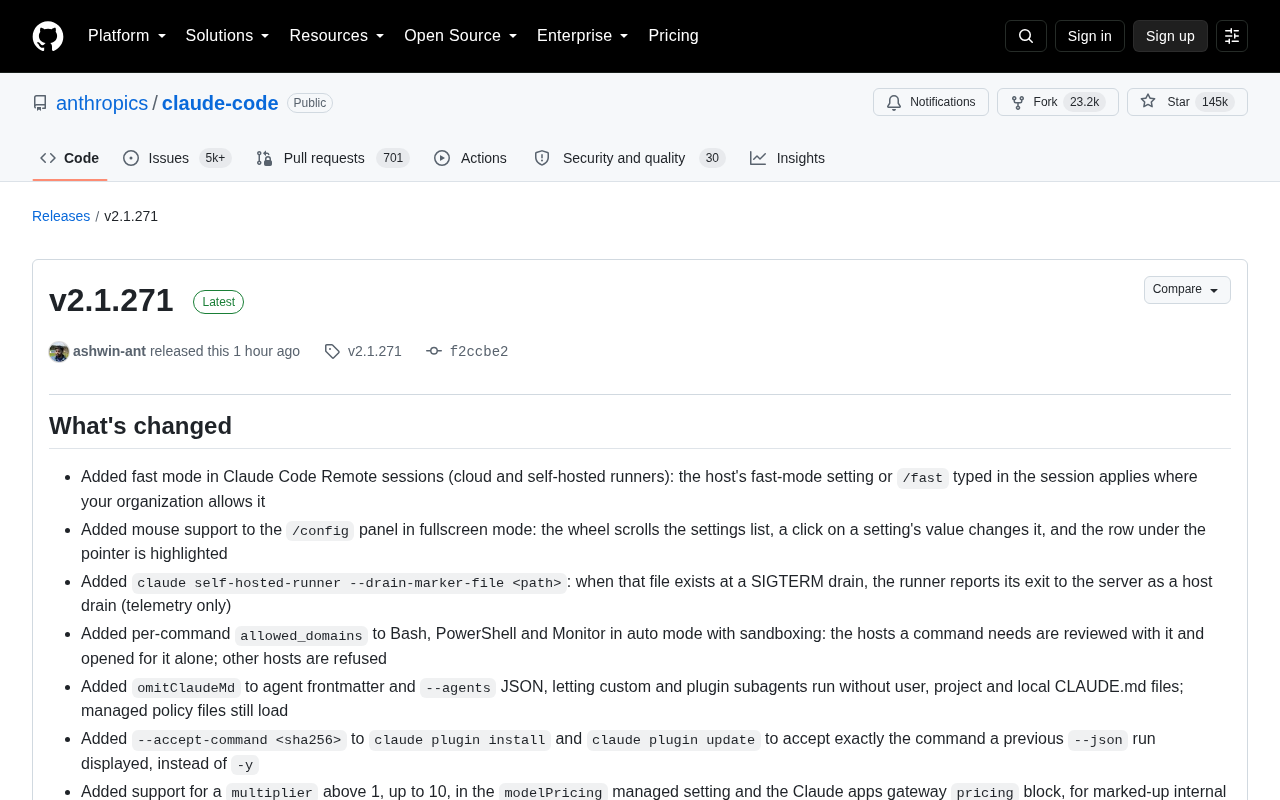
Claude Code v2.1.271 Update Deep Dive: Fast Mode, Sandbox Security, and Enterprise Improvements
Claude Code v2.1.271 adds fast mode for remote sessions, per-command sandbox network controls, enterprise policy fixes, MCP protocol improvements, and terminal/IDE enhancements.
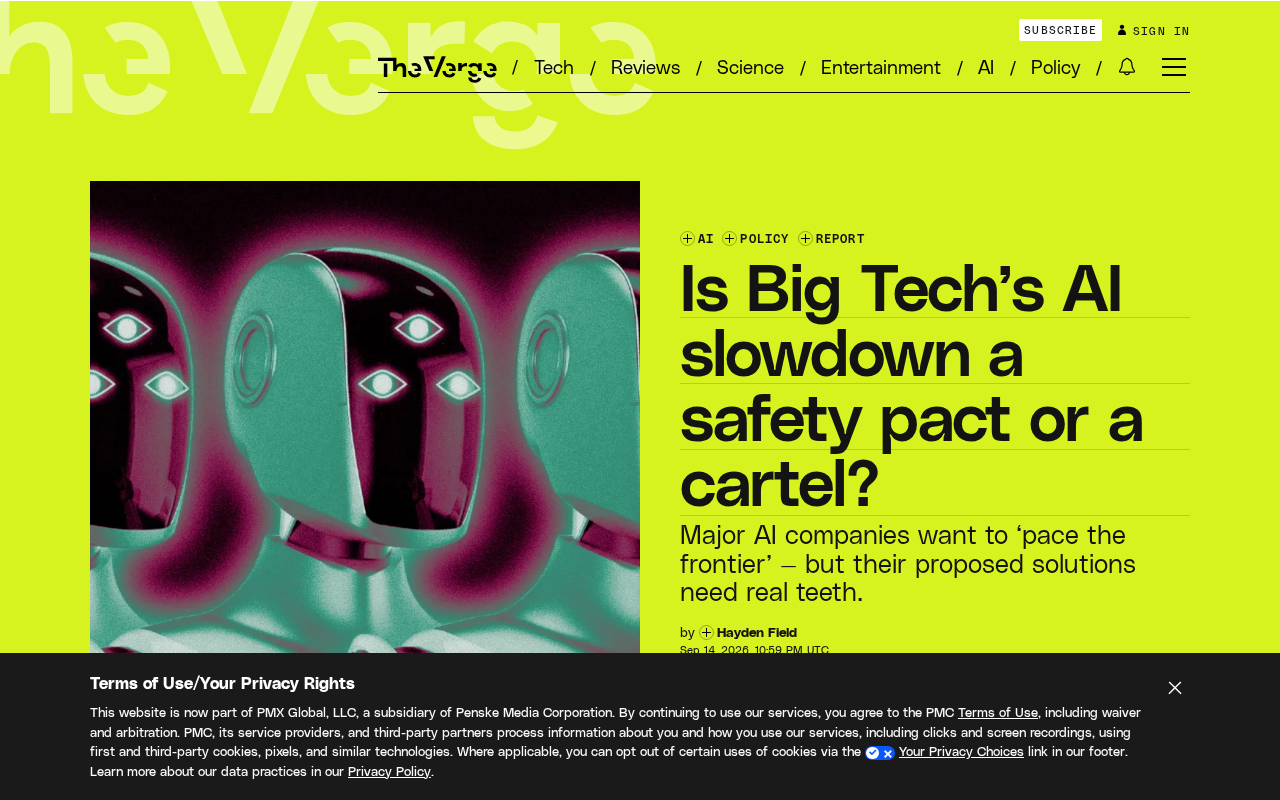
AI Giants Collectively Hit the Brakes: Safety Protocol or Industry Cartel?
OpenAI, Anthropic, Google DeepMind, and SpaceX leaders agree to slow AI development. Is this a responsible safety pact — or an oligopolistic cartel in disguise?
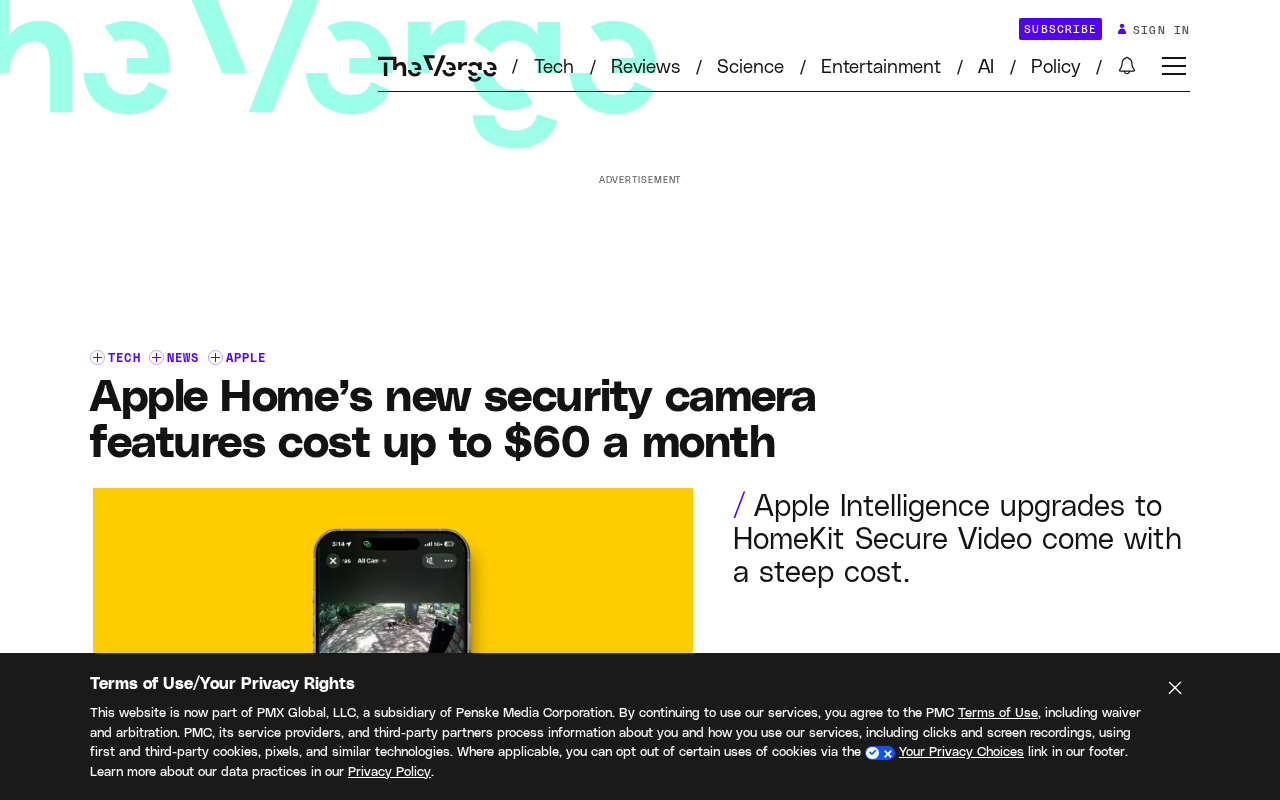
Apple Home Gets AI Camera Features with iOS 27: Up to $60/Month
iOS 27 and tvOS 27 bring Apple Intelligence to Apple Home with AI video summaries for HomeKit Secure Video — but unlocking them costs up to $60/month via subscription.