John Deere's Self-Repair Service Put to the Test: Why Farmers Still Aren't Buying It
John Deere's official self-repair service is technically functional, but farmers still don't trust it — and for good reason.
John Deere's official self-repair service was shown to work in a journalist's hands-on test, yet farmers remain deeply skeptical. The core tension is twofold: agricultural timelines are unforgiving, making any manufacturer-gated, subscription-based repair solution a poor substitute for flexible independent repair; and more fundamentally, control hasn't truly shifted to users when repairs still run through the manufacturer's platform. The case mirrors the broader Right to Repair movement spanning smartphones, cars, and medical devices — all fighting proprietary ecosystems that lock users out. John Deere's move looks more like minimum viable compliance than genuine reform, and farmers know it.
An Ongoing Battle Over the Right to Repair
Agricultural machinery giant John Deere has recently rolled out a self-repair service, claiming it empowers farmers to fix their own equipment. Yet a hands-on report from a journalist reveals an uncomfortable reality: even after successfully repairing a tractor using the official service, the farming community remains deeply skeptical.
This skepticism reflects a long-running "Right to Repair" dispute that extends far beyond farm equipment into the broader tech and consumer products landscape. As devices become increasingly dependent on software and proprietary diagnostic tools, the question becomes: can users truly own and control the products they pay for?
The Gap Between Promise and Reality
On the surface, John Deere's self-repair service answers the call that farmers and advocacy groups have made for years — providing an official channel for users to access the diagnostic software and technical documentation needed for repairs. The journalist's firsthand experience confirmed that the system works technically: a malfunctioning tractor was successfully fixed using the official tools.
But there's a vast gap between "it works" and "it works well and affordably." The core tension highlighted in the report is that farmers don't feel this official solution actually addresses their pain points. For many farm operators, the issue isn't just "can we fix it" — it's "who sets the rules, what does it cost, and are we still at the mercy of the manufacturer?"
Why Farmers Aren't Convinced
Farmers' skepticism is well-grounded in the realities of agricultural life. Farming operates on rigid timelines — a broken tractor during harvest season can mean an entire crop lost. In that high-stakes environment, any "self-repair" solution that requires manufacturer authorization, paid subscriptions for diagnostic tools, or has a steep learning curve simply cannot replace the flexible, fast, and cost-effective independent repair channels farmers have traditionally relied on.
The deeper concern is about control. When repairs must be conducted through manufacturer-designated software and platforms, the manufacturer still holds ultimate authority over the equipment's lifecycle. Farmers worry this is a case of "looks open, still closed" — a posture designed to satisfy regulatory and public pressure without genuinely transferring meaningful autonomy to users.
Another critical piece of context for understanding farmer resistance is John Deere's track record. The company has long used End User License Agreements (EULAs) to assert that farmers only purchase a "license" to use the equipment rather than the equipment itself, thereby restricting their right to repair or modify it. The company's proprietary diagnostic tool, "Service ADVISOR," was previously available only to authorized dealers, leaving independent repair shops and farmers locked out — meaning even a simple sensor replacement required waiting in line for official service, with delays ranging from days to weeks. Research has shown that in major U.S. farming regions, the nearest authorized John Deere service center is on average dozens of miles from the farm — an unacceptable time cost during harvest. This history has primed farmers to view any of the company's "openness" initiatives with deep suspicion.
Why Right to Repair Has Become a Tech Industry Flashpoint
The John Deere case is an emblematic snapshot of the Right to Repair movement — one that has long since spread beyond farm equipment to smartphones, automobiles, medical devices, and virtually any product that runs on software. The core demands are consistent: users should have the right to access the parts, tools, documentation, and software needed to repair their devices, without being locked into a manufacturer's proprietary ecosystem.
Farm equipment draws particular attention because it directly affects food production and the livelihoods of countless small-scale farmers. When a company uses software locks to effectively control whether a farmer can repair their own means of production, this stops being a purely commercial issue and becomes a matter of economic fairness and industrial resilience. John Deere's launch of its self-repair service is, to some degree, a concession made under regulatory and public pressure.
The Right to Repair movement has already achieved legislative progress on several fronts. Multiple U.S. states have advanced related bills; New York passed the nation's first Right to Repair law for consumer electronics in 2023, requiring manufacturers to provide parts, tools, and documentation to consumers and independent repair shops. The EU adopted a "Right to Repair" directive in 2024, mandating that appliance manufacturers extend parts availability and provide repair manuals. In the agricultural sector, Colorado passed legislation in 2023 specifically requiring farm equipment manufacturers to open up diagnostic software and repair materials to farmers and independent repair shops — a direct response to the closed ecosystems of companies like John Deere. Worth noting is that "software lock" is the technical crux of this battle: modern farm equipment relies heavily on proprietary firmware and encrypted electronic control units (ECUs). Even if you have the physical parts, without a manufacturer-authorized diagnostic key you cannot complete repairs or adjust parameters — a design that creates both legal and technical barriers to independent repair.
Symbolic Openness or Substantive Change?
The core message from this hands-on report is worth sitting with: manufacturer-provided self-repair programs may represent nothing more than "minimum viable compliance" — a way to relieve external pressure without fundamentally reshaping the relationship between users and their products.
True Right to Repair means open standards, reasonable costs, accessible tools, and most importantly — the ability for users to maintain their assets without needing to answer to the manufacturer. Judging by farmers' reactions, John Deere still has a long way to go. This serves as a reminder to the broader tech industry: when it comes to Right to Repair demands, symbolic gestures will never be enough. Substantive openness is the only lasting answer.
Conclusion
A tractor that gets fixed ends up exposing a much bigger problem. When "self-repair" becomes a tightly controlled process that still runs entirely on the manufacturer's terms, user distrust is entirely justified. The battle over the Right to Repair is far from over. (This article is based on a hands-on report discussed on Hacker News. The original thread generated limited discussion; the analytical sections represent the editor's extended commentary.)
Related articles
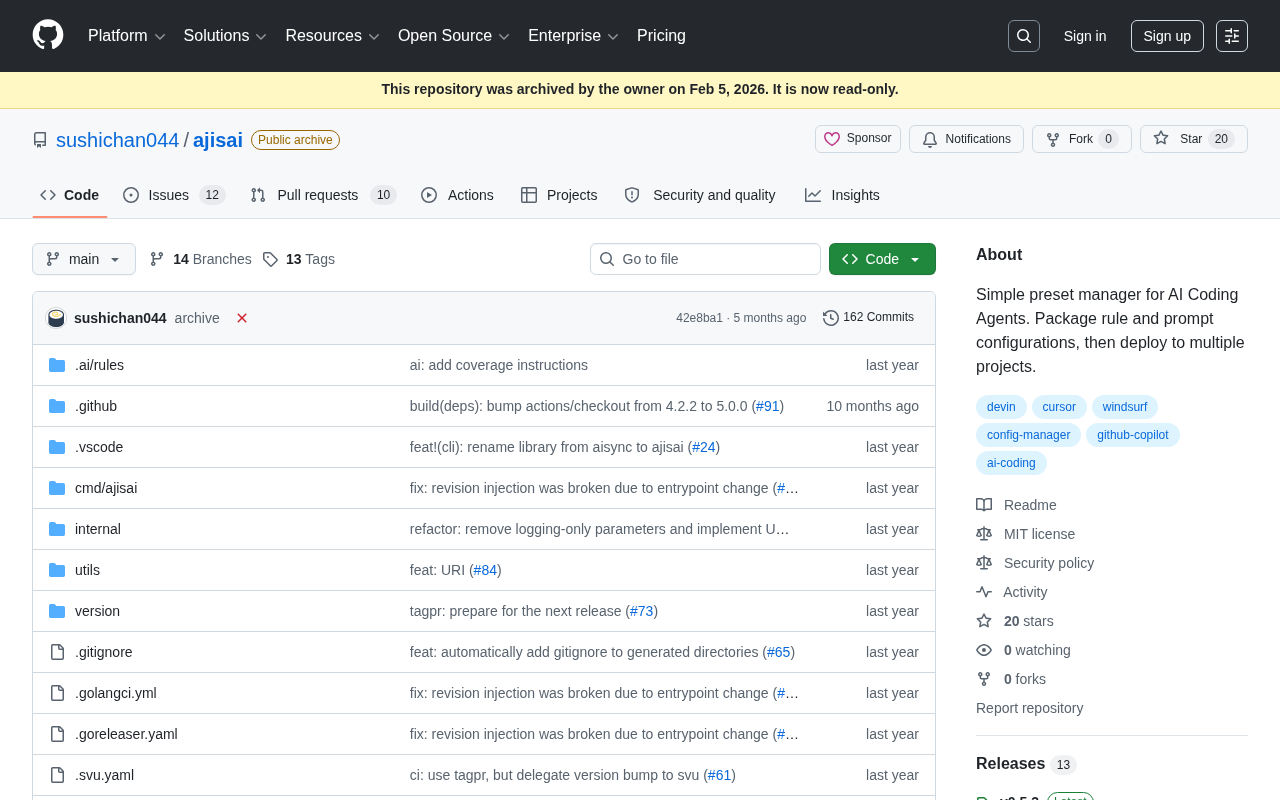
ajisai: A Preset Management Tool for Unifying Rules and Prompts Across AI Coding Assistants
ajisai is a Go-based preset manager for AI coding assistants like Cursor and Claude Code. Package rules and prompts once, deploy everywhere. Early-stage but promising.
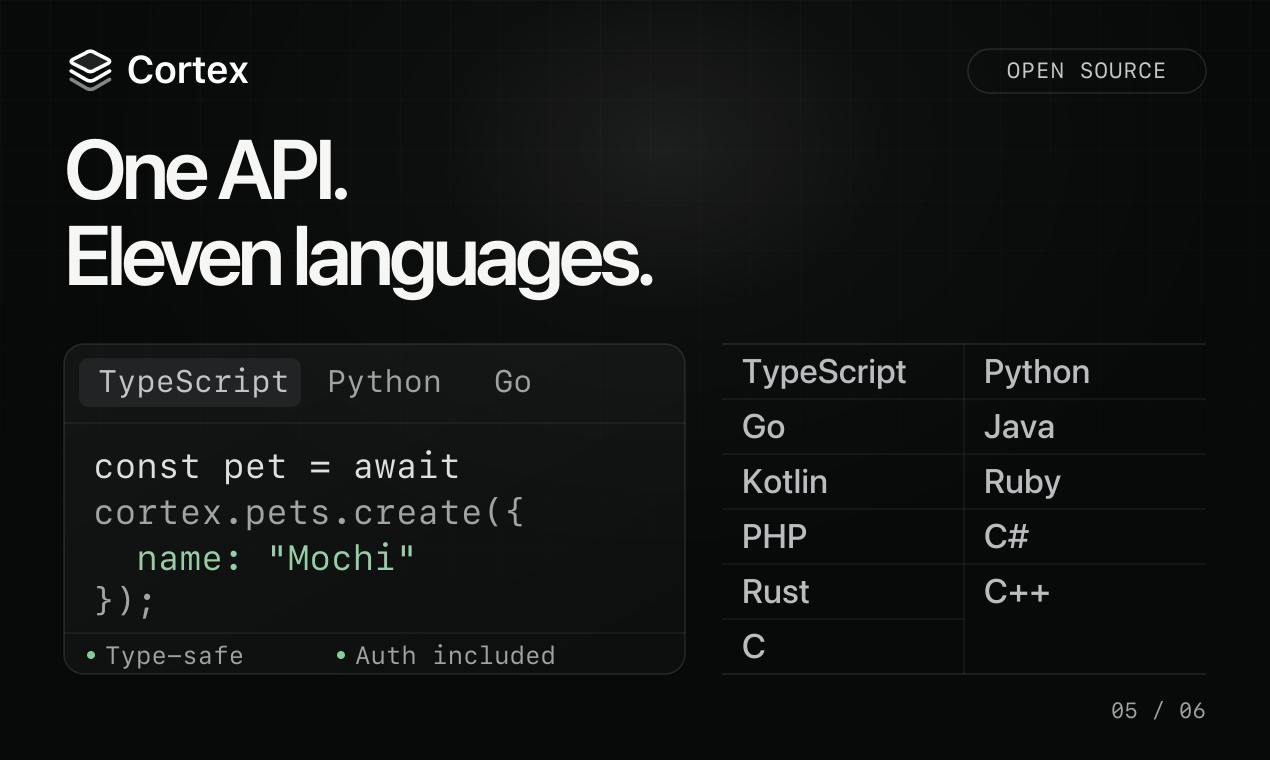
Cortex: Convert API Specs into Docs, SDKs, and MCP Servers in One Click
Cortex is an open-source tool that converts OpenAPI, GraphQL, gRPC and more into interactive docs, typed SDKs in 11 languages, and MCP servers for AI agents.

ABrush: An AI Studio Built for Digital Artists
ABrush is an AI studio for digital artists, ranked #4 on Product Hunt. It embeds leading AI models into existing workflows to remove repetitive tasks, speed up iteration, and keep artists in control.