Just Do It Anyway: The Creator's Philosophy of Making Things
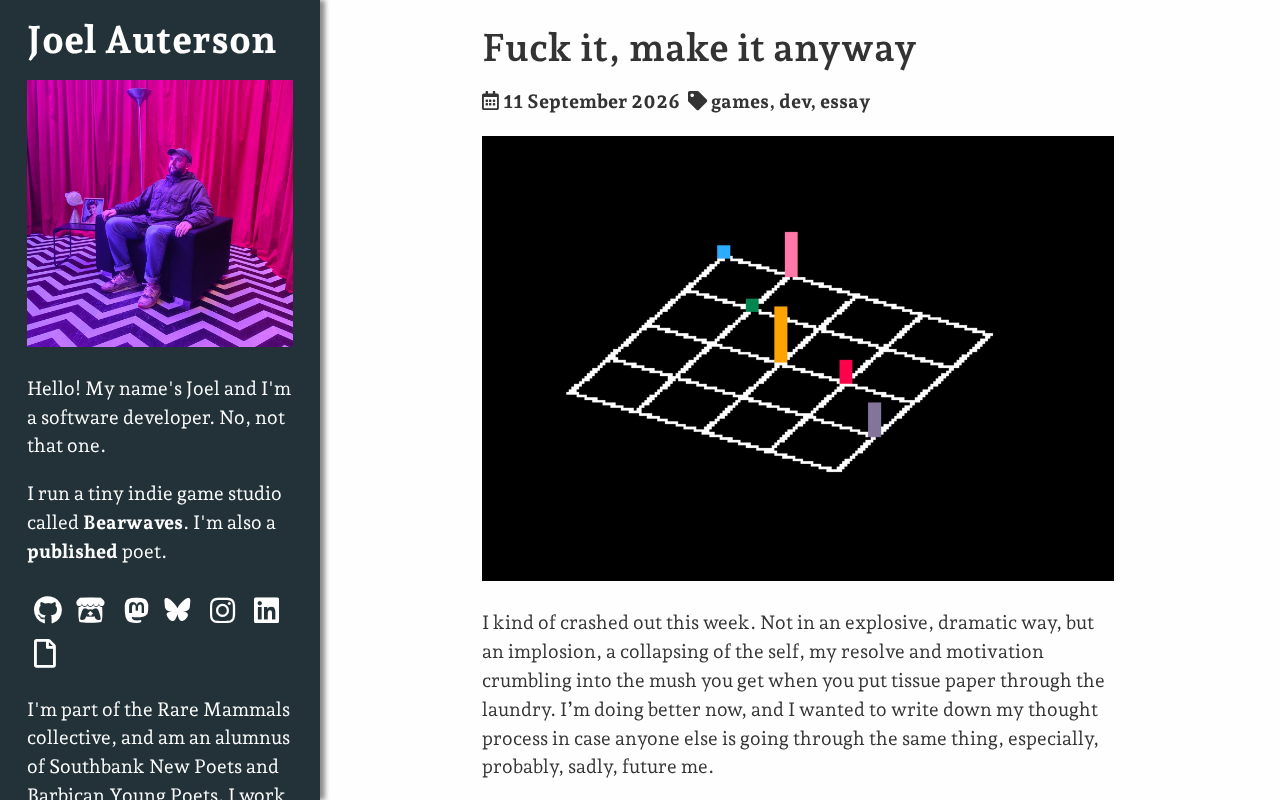
A viral blog post argues creators should stop overthinking and just build — imperfect, repeated, or ignored work still has value.
The blog post "Fuck it, make it anyway" struck a nerve on Hacker News, resonating with creators who worry their ideas have already been done, their output isn't good enough, or no one will care. Author Joel Otter's answer is simple: make it anyway. The core logic is that creating has inherent value — the learning and growth happen regardless of audience or originality. This aligns with lean startup MVP thinking and open source culture, reminding technical folks that starting is the most important step of all.
A Blog Post That Sparked a Hot Debate
A refreshingly blunt blog post titled Fuck it, make it anyway made waves on Hacker News, racking up 226 upvotes and 168 comments. The author, Joel Otter, raises a dilemma that virtually every creator has faced: when what you want to build might already exist, might not matter to anyone, or might not even turn out that well — should you still do it?
His answer is unequivocal: just make it.
Why We're Always Afraid to Start
What holds us back from creating isn't usually ability — it's self-doubt. The original post touches on several common mental roadblocks: worrying that someone has already done it, fearing the result won't be good enough, and agonizing over whether anyone will actually care. These concerns seem rational on the surface, but they're really just excuses for procrastination and giving up.
This mindset is remarkably common among developers, writers, artists, and creators of all kinds. We spend enormous amounts of time mentally drafting, evaluating, and comparing ideas, only to shelve them when we can't find a "good enough" reason to proceed. The real issue is that the value of creating something doesn't always depend on whether it's unique or flawless.
The Logic Behind "Make It Anyway"
The core argument of the post can be distilled to this: the act of creating has value in itself, regardless of outcome. Even if your project overlaps with someone else's work, the learning, thinking, and enjoyment you experience while building it is entirely your own. Even if no one pays attention, the hands-on process makes you a better creator.
This philosophy is deeply aligned with the culture of open source communities, personal blogging, and side projects. Many tools and works that have had an outsized impact on the world started as someone's casual "let me just mess around with this" experiment. Letting go of attachment to outcomes and focusing on the act of starting is often the only way to break through creative paralysis.
The lively discussion on Hacker News makes this clear — 168 replies suggest that the anxiety of "wanting to make something but not daring to" is extremely widespread among developers.
Practical Takeaways for Creators
The value of this post isn't in any new technique or framework. It's a psychological antidote. For anyone who has a running list of ideas they've never acted on, it offers a few simple reminders:
- Repetition isn't a problem: Most things in the world aren't entirely new. What matters is your unique perspective and execution.
- Imperfection is the norm: Waiting until something is perfect before shipping usually means it never ships.
- The process is the reward: The experience of creating is its own payoff, even if nobody ever uses what you've built.
For people in tech, this "just start" mindset is especially important. Whether you're building a small utility, writing a technical blog post, or experimenting with a new framework, taking action is the best way to learn.
Closing Thoughts
Fuck it, make it anyway resonated so strongly in the tech community precisely because it hits a pain point that creators universally share. There's no elaborate methodology here — just a simple, powerful call to action: stop overthinking it and go make the thing.
(Note: This article is based on the original blog's title, link, and community discussion activity. Readers are encouraged to visit the original post for the full text.)
Related articles
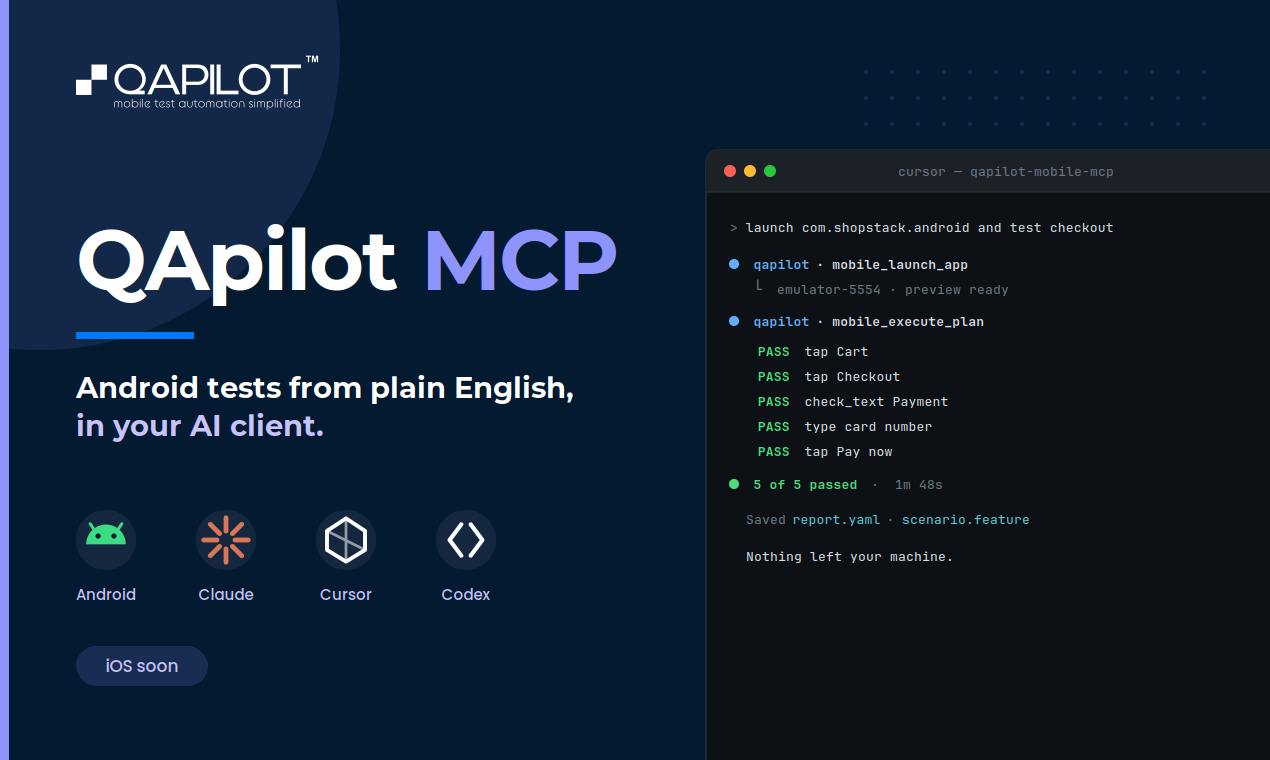
QApilot MCP: Test Android Apps in Natural Language Inside Your AI Coding Assistant
QApilot MCP lets developers test Android apps in natural language inside Claude, Cursor, and Codex — no Appium code needed. Auto-generates reusable Gherkin test cases.
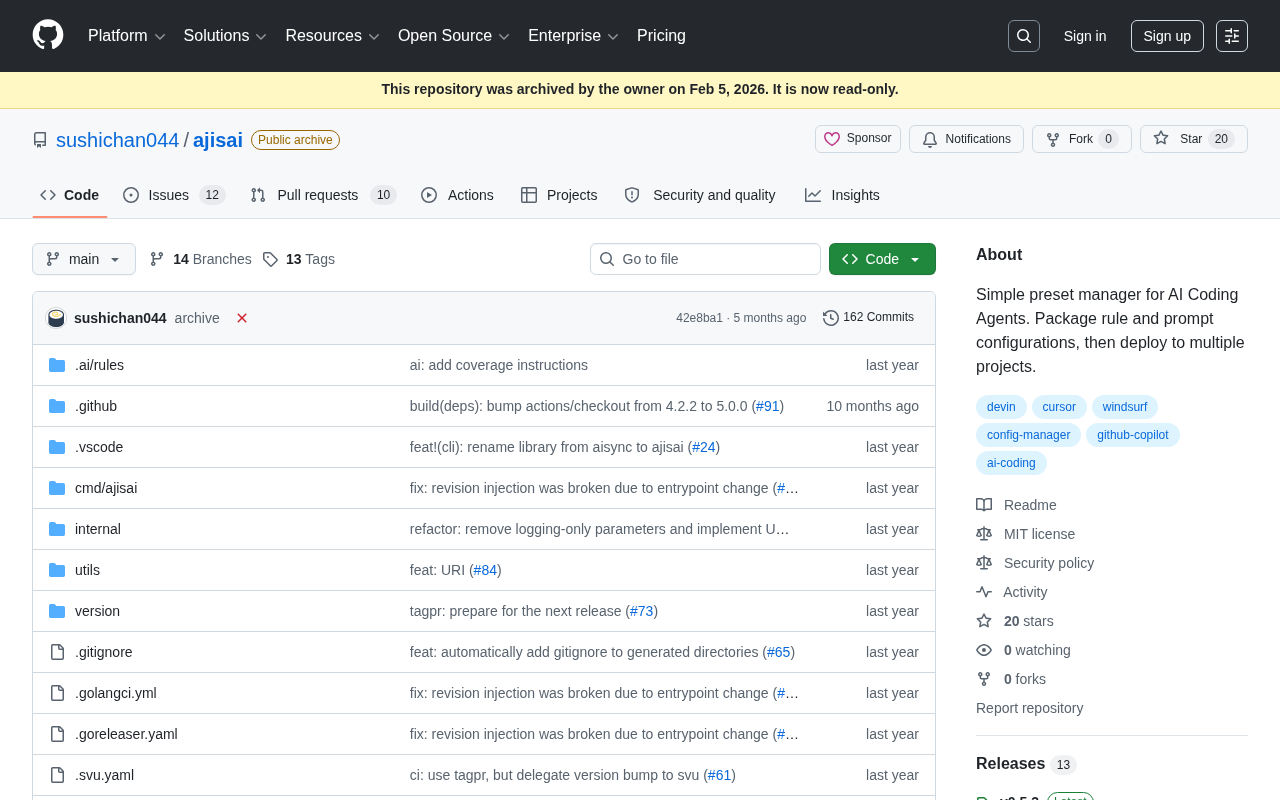
ajisai: A Preset Management Tool for Unifying Rules and Prompts Across AI Coding Assistants
ajisai is a Go-based preset manager for AI coding assistants like Cursor and Claude Code. Package rules and prompts once, deploy everywhere. Early-stage but promising.
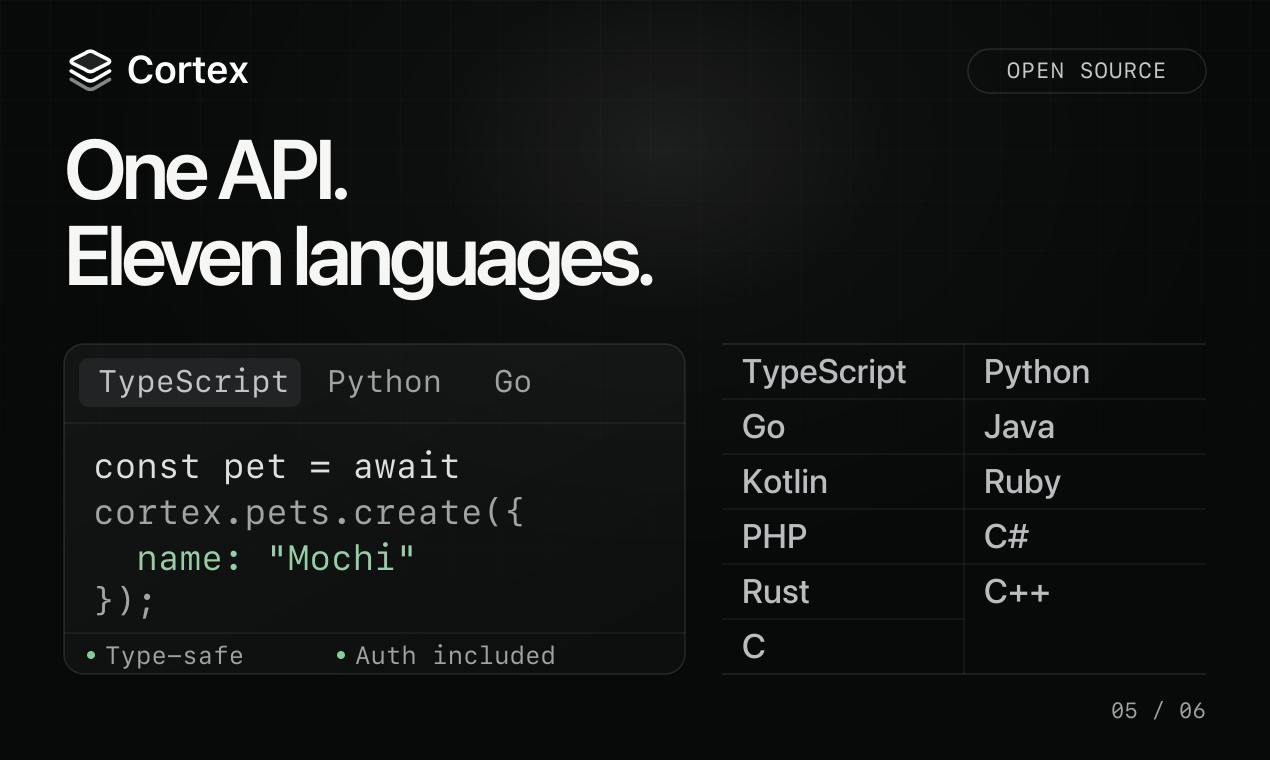
Cortex: Convert API Specs into Docs, SDKs, and MCP Servers in One Click
Cortex is an open-source tool that converts OpenAPI, GraphQL, gRPC and more into interactive docs, typed SDKs in 11 languages, and MCP servers for AI agents.