LangChain Agent Web Scraping: DIY vs. Managed API — A Practical Comparison
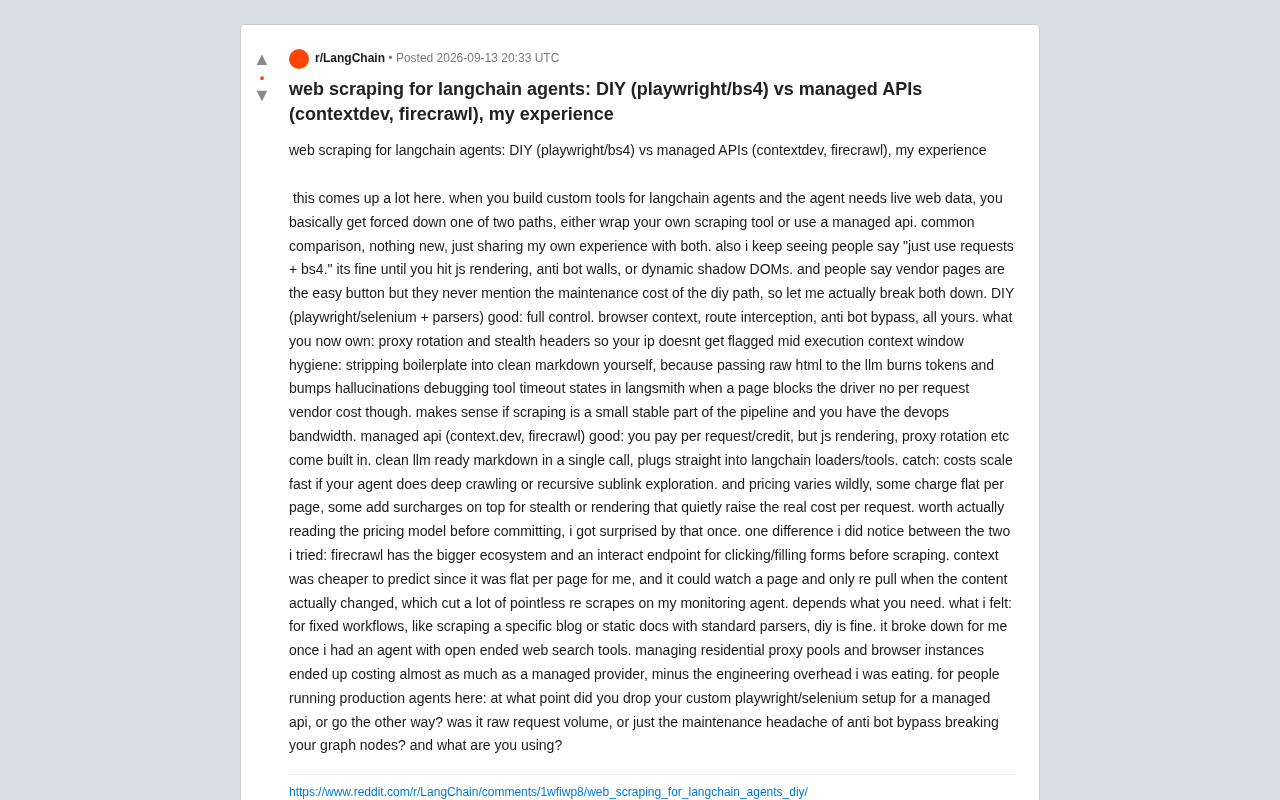
DIY scraping gives LangChain Agents full control, but managed APIs win when anti-bot maintenance fatigue takes over.
Based on a developer's real-world experience building web scraping tools for LangChain Agents, this article compares DIY approaches (Playwright/Selenium + parsers) against managed APIs (Firecrawl, context.dev). DIY shines for fixed, static targets but demands significant DevOps effort once JS rendering, anti-bot walls, and Shadow DOM enter the picture. Managed APIs deliver LLM-ready Markdown out of the box but can see costs balloon during deep crawls, with hidden pricing surcharges to watch out for. The tipping point is rarely traffic volume — it's the ongoing maintenance fatigue from ever-changing anti-bot mechanisms.
When building custom tools for LangChain Agents, developers who need real-time web data inevitably face a fork in the road: roll your own scraping tool, or call a managed API. This is a recurring debate in the community. A Reddit developer shared their firsthand experience using both approaches, cutting through the oversimplifications on both sides — it's neither as easy as "just use requests + bs4" nor as painless as "a managed API solves everything."
DIY Approach: Playwright / Selenium + Parser
The biggest advantage of building your own scraping tool is complete control. Browser context, route interception, anti-bot bypasses — it's all in your hands. When you're scraping a fixed blog or static documentation, a DIY approach paired with a standard parser works just fine, with no per-call vendor fees. It's a great fit when scraping is a small, stable part of your overall pipeline.
But the "just use requests + bs4" claim only holds until you hit JS rendering, anti-bot walls, or dynamic Shadow DOM. Once you cross that line, you're taking on a full maintenance burden:
- Proxy rotation and stealth headers: Preventing your IP from getting flagged and blocked mid-run;
- Context window hygiene: Stripping boilerplate content from pages into clean Markdown yourself, since feeding raw HTML to an LLM burns tokens and amplifies hallucinations;
- Debugging timeout states: When a page intercepts your driver, you're digging through LangSmith to diagnose tool node timeouts.
In other words, DIY saves you vendor per-request costs, but you pay for it with ongoing DevOps investment. This hidden cost is exactly what the "use a managed API" camp tends to gloss over.
Shadow DOM is one of the core concepts in the Web Components spec. It lets developers encapsulate part of the DOM tree in an isolated scope, where external CSS selectors and JavaScript can't penetrate by default. For scrapers, this means standard traversal via document.querySelector or BeautifulSoup breaks at the Shadow Root boundary — you need to explicitly pierce it via element.shadowRoot or use Playwright's pierce selector to access inner content. As more single-page applications (SPAs) adopt Web Components for their UI libraries, Shadow DOM has become increasingly common on e-commerce and financial sites, and it's a major reason the "requests + bs4 is enough" claim falls apart.
Managed API Approach: context.dev / Firecrawl
Managed APIs operate on a per-request or credit-based model. The benefits are real: JS rendering, proxy rotation, and similar capabilities work out of the box, and a single call returns clean, LLM-ready Markdown that plugs directly into LangChain loaders or tools. For teams that don't want to maintain browser instances and proxy pools, this eliminates a substantial engineering burden.
The tradeoff is equally real: costs can balloon quickly when an Agent does deep crawling or recursive sub-link exploration. Even more important to watch out for is the variation in pricing models — some charge a flat fee per page, while others stack surcharges for stealth mode or rendering, quietly inflating the true cost per request. The original author candidly admitted to getting burned by this, and strongly recommends reading the pricing terms carefully before committing.
Real-World Differences Between the Two Services
The author tested both services and noted a few distinctions:
- Firecrawl: Larger ecosystem, with an interact endpoint that supports clicking, form submission, and other user interactions before scraping — ideal for complex scenarios that require simulating user behavior;
- context.dev: Flat per-page pricing makes costs more predictable. It also monitors pages and only re-fetches when content actually changes, which dramatically cuts down on redundant requests for monitoring-style Agents.
There's no outright winner — it depends on what you need: interactive capability vs. cost predictability.
LLM-ready Markdown refers to text that has been structurally cleaned and formatted for direct use as LLM context input. Raw HTML typically contains a large amount of noise — navigation bars, ads, script tags, inline styles — that directly fed into an LLM not only consumes tokens (driving up API costs) but also introduces irrelevant content that disrupts attention and increases hallucination risk. Managed scraping services automatically handle denoising, heading hierarchy mapping, and link cleanup before returning content, producing output that resembles a manually curated document. If you do this yourself in a DIY setup, you typically need tools like html2text, trafilatura, or custom rules for post-processing — an easily underestimated hidden workload.
The Tipping Point: When to Switch
The author's conclusion is pragmatic: DIY works fine for fixed workflows; it breaks down for open-ended web search tools.
His turning point came when building an Agent with an open-ended web search tool — the overhead of managing a residential proxy pool and browser instances ended up roughly equal to the cost of a managed service, but he was also absorbing his own engineering costs on top of that. In other words, once scraping shifts from a "stable, small module" to an "unpredictable, open-ended task," the economics of DIY get eaten up by anti-bot maintenance and infrastructure costs.
The judgment call really comes down to two dimensions:
- Raw request volume: At sufficient scale, managed API per-request costs accumulate past what self-hosting would cost;
- Maintenance pain: When anti-bot bypasses break, they can directly interrupt Agent graph nodes — that kind of instability is fatal in production.
For most teams, what kills DIY isn't traffic volume — it's the maintenance fatigue from anti-bot mechanisms that keep changing.
Residential Proxy Pool refers to a proxy network composed of real home broadband IPs. Compared to datacenter proxies, residential IPs look more like ordinary user traffic to anti-bot systems and are therefore harder to block. However, maintaining a residential proxy pool is expensive: commercial residential proxy services typically charge by the GB of traffic, at rates far higher than datacenter proxies; self-hosting requires managing complex IP rotation logic and health-check mechanisms. This is the fundamental reason the author notes that "the cost of managing a residential proxy pool is nearly on par with a managed service" — when scraping tasks become unpredictable, proxy costs alone can approach the price of a managed API, which also requires zero additional engineering investment.
Practical Recommendations for Production
Drawing on this hands-on experience, here are some actionable guidelines:
- Fixed, static scraping targets (e.g., a specific blog, documentation site): Default to DIY with Playwright/Selenium and a parser — lowest cost;
- Agent with open-ended search or deep crawling needs: Go straight to a managed API and offload the anti-bot and rendering complexity;
- Monitoring use cases with infrequent content updates: Choose a service that supports "re-fetch only on change" (e.g., context.dev) to significantly reduce wasted requests;
- Need to interact before scraping (login, click, form fill): Firecrawl's interact endpoint is the better fit;
- Whichever you choose, read the pricing model carefully — watch for stealth/rendering surcharges that skew the true cost.
At its core, this is a tradeoff between engineering control and operational energy. When you have DevOps bandwidth and stable scraping needs, DIY gives you maximum flexibility. When your Agent moves toward open-ended and unpredictable use cases, paying for peace of mind is often the more rational choice.
Related articles
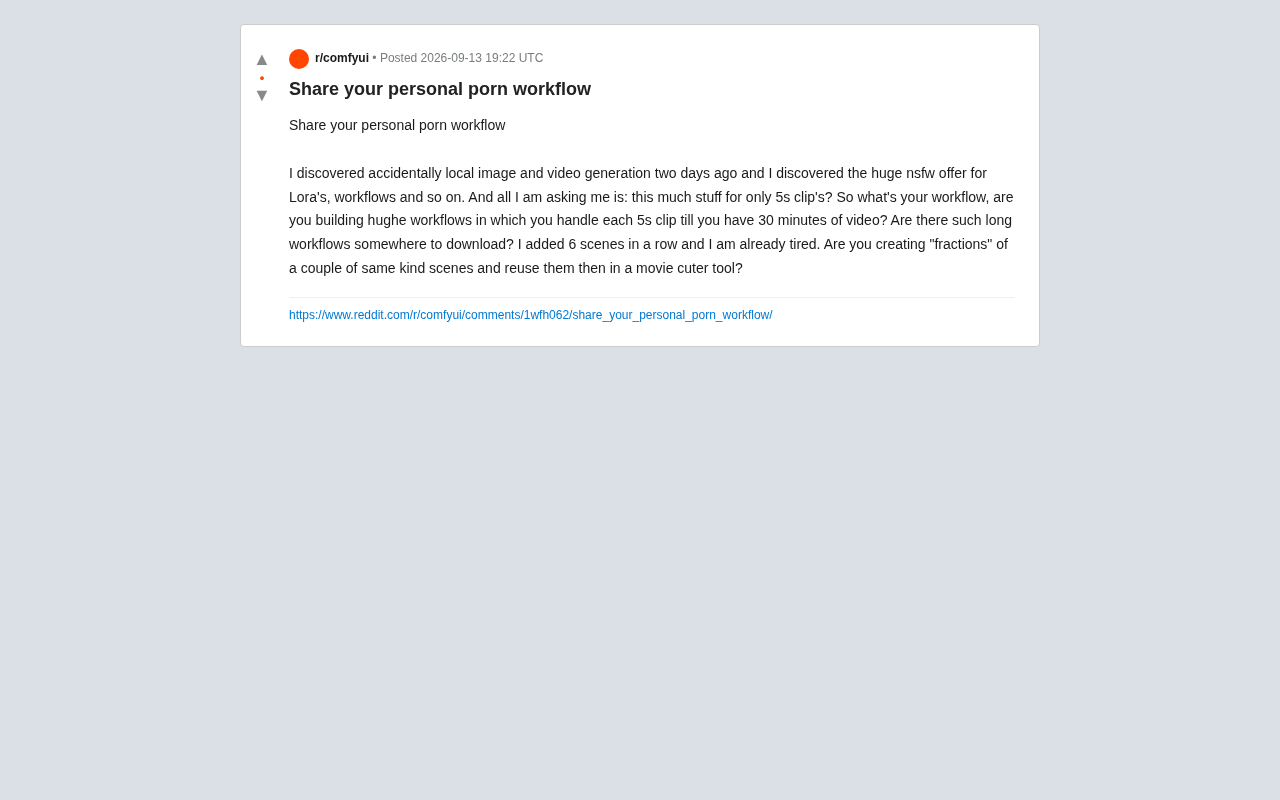
Local AI Video Generation Workflow: The Real Challenges of Stitching Short Clips Together
Why local AI video generation is stuck at 5-second clips, and how creators stitch fragments into longer videos using segmented workflows, frame bridging, and editing tools.
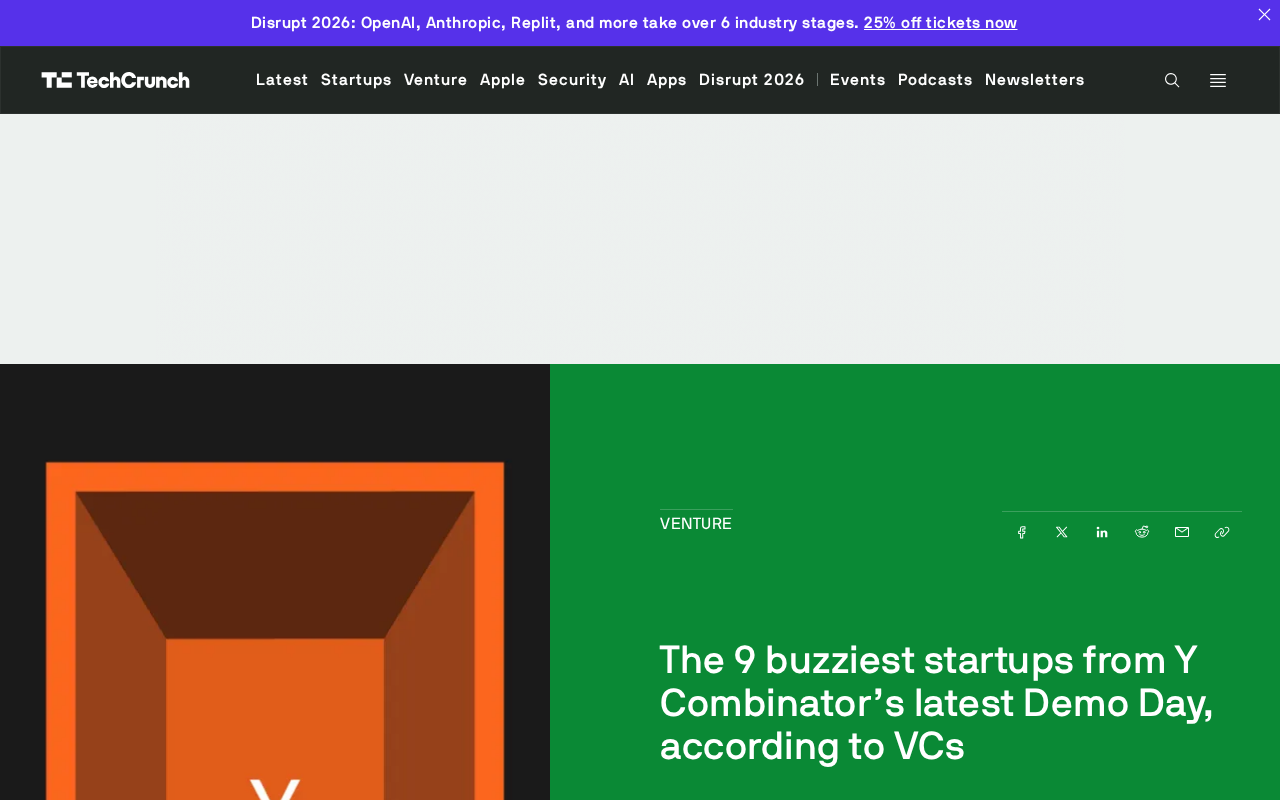
YC's Latest Demo Day: The 9 Most Exciting Startups in VCs' Eyes
VCs spotlight 9 standout startups from YC's latest summer Demo Day, including floating reactors and brain chips — signaling a hard tech comeback in venture capital.
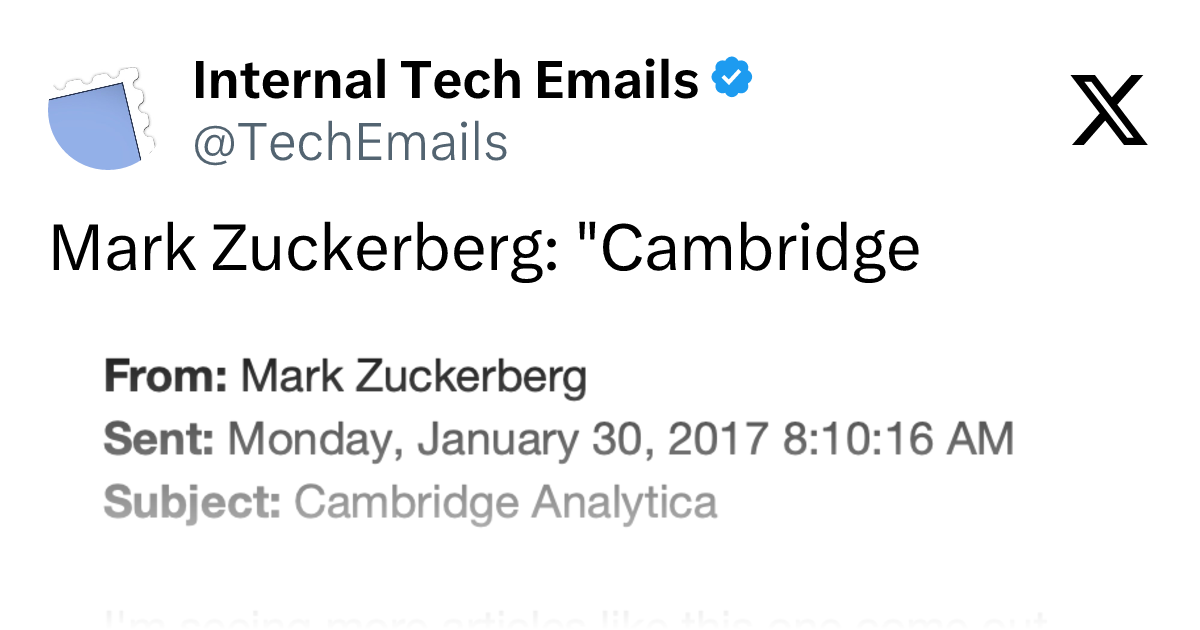
The Cambridge Analytica Scandal Revisited: The Privacy Questions Raised by Zuckerberg's 2017 Remarks
A retrospective on the Cambridge Analytica scandal and Zuckerberg's early remarks — tracing the data privacy controversy, platform accountability debates, and its lasting impact on tech industry governance.