LG Denies Smart TV Surveillance Allegations: The Truth Behind the Privacy Controversy
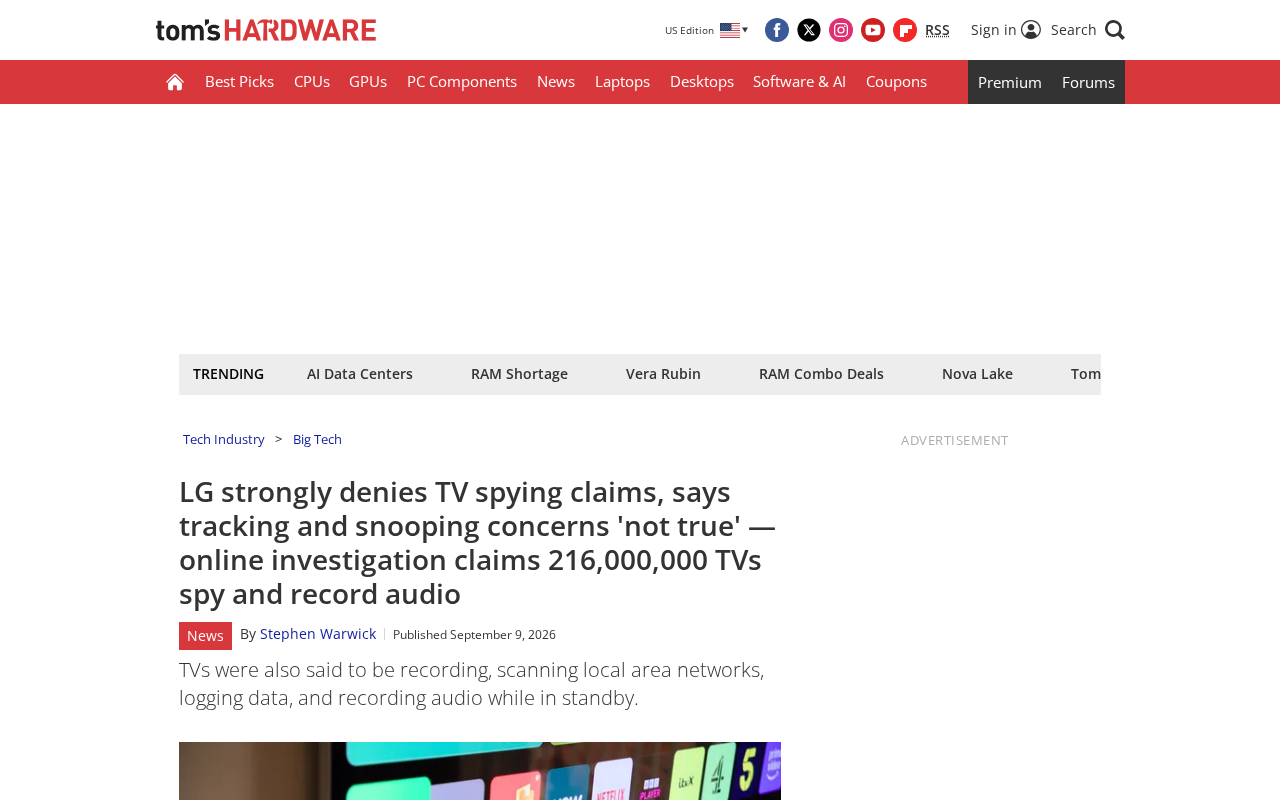
LG denies smart TV surveillance, but ACR data collection practices keep privacy concerns very much alive.
LG publicly denied that its smart TVs monitor users, calling the concerns "not true" — but the statement has done little to satisfy the tech community. At the heart of the dispute is ACR (Automatic Content Recognition), a technology enabled by default that identifies what users watch across any input source and uses that data for targeted advertising. A clear gap exists between manufacturers, who point to user agreements and opt-out options to claim compliance, and users, who see default-on data collection buried in obscure menus as inherently non-transparent. The article also highlights that data monetization underpins the low-cost TV business model, meaning no PR denial can resolve the underlying commercial incentive.
How It Started: LG Caught in the Middle of "TV Surveillance" Accusations
LG has publicly denied allegations that its smart TVs engage in user surveillance, with the company stating that concerns about "tracking" and "snooping" are "not true." This response came amid growing discussions on social media and tech communities about smart TV privacy practices — conversations that sparked over a hundred comments on platforms like Hacker News.
Privacy concerns around smart TVs are nothing new. As connected TVs have become the dominant home entertainment device in recent years, users have grown increasingly wary of their data collection practices. LG's decision to proactively address these concerns reflects both the public pressure manufacturers face and the fragile state of user trust across the broader smart home industry.
The Heart of the Debate: What Are Smart TVs Actually Collecting?
At the center of the smart TV privacy controversy is a technology known as ACR — Automatic Content Recognition. ACR can identify what content is playing on a TV screen, regardless of the source: an HDMI-connected game console, a streaming app, or a traditional cable signal. Manufacturers typically use this data to build viewer profiles, which are then leveraged for targeted advertising.
LG's denial primarily targets accusations of "active snooping" — a framing with strongly negative connotations. Manufacturers generally argue that data collection is disclosed in user agreements and that users can opt out through settings. The crux of the dispute, however, is that these data collection features are enabled by default, and the opt-out options are buried deep within complex settings menus that most ordinary users will never find.
This approach — technically compliant, but opaque in practice — is the primary source of user distrust. Discussions in the Hacker News community saw numerous technically savvy users questioning manufacturers' "collect by default" model, arguing that denying surveillance while simultaneously harvesting data creates a fundamental credibility gap.
The Credibility Gap Between Manufacturer Denials and User Skepticism
The reason LG's response has failed to quell the controversy lies in the elasticity of the word "surveillance" itself. From a manufacturer's perspective, as long as data collection involves some form of user consent — even a formalized terms-of-service agreement — it doesn't constitute "snooping." But from a user's perspective, having viewing habits continuously collected while only partially or barely informed is, in essence, a privacy violation.
This gap in perception is widespread across the smart device industry. Manufacturers tend to justify their behavior through a legal compliance framework, while users care more about where their data actually flows, how it's used, and how much control they have over it. When manufacturers respond to nuanced privacy concerns with a simple "not true," they rarely succeed in alleviating those concerns — and may in fact deepen the distrust.
It's also worth noting that smart TV data has become a significant revenue stream for manufacturers. Behind those low-cost televisions, advertising and data monetization are subsidizing hardware costs. This means that a simple denial statement cannot change the underlying commercial incentives — as long as data monetization remains profitable, privacy controversies are unlikely to fade.
How Users Can Protect Their Viewing Privacy
Users aren't entirely powerless in the face of smart TV data collection. Here are several approaches that can reduce privacy exposure:
- Disable ACR: Look for options like "Viewing Information Services" or similar settings in your TV's menu and turn them off. The exact name and location vary by brand.
- Limit network connectivity: Some users choose not to connect their TV to the internet at all, instead using a separate streaming device (such as an Apple TV or game console) to maintain greater control over data flow.
- Review privacy policies: During initial setup, carefully read through and decline any non-essential data collection terms.
- Use network-level blocking: Block your TV from sending telemetry data to manufacturer servers using router settings or DNS-based tools.
The barrier to entry for these methods varies considerably for everyday consumers — which itself illustrates that smart device privacy protection currently relies more on user self-defense than on manufacturers' default safeguards.
Industry Reflection: Trust Is a Long-Term Asset
On the surface, LG's denial looks like a PR crisis response. But underneath, it exposes a deeper tension in the smart hardware industry's approach to privacy governance. When manufacturers need to rely on data monetization to sustain low-price strategies while simultaneously maintaining user trust, the two goals are inherently in conflict.
What actually earns user trust isn't a statement declaring something "not true" — it's transparent data practices: sensitive features disabled by default, clear communication about how data is used, and simple, accessible controls. In an era of rising data privacy awareness, whoever sets the benchmark for transparency first stands to gain a meaningful trust advantage in the long run.
For consumers, this incident also serves as a reminder: enjoying the conveniences of smart devices while maintaining basic vigilance about data privacy — and actively understanding and managing your device settings — has become an essential skill for navigating the digital age.
Related articles
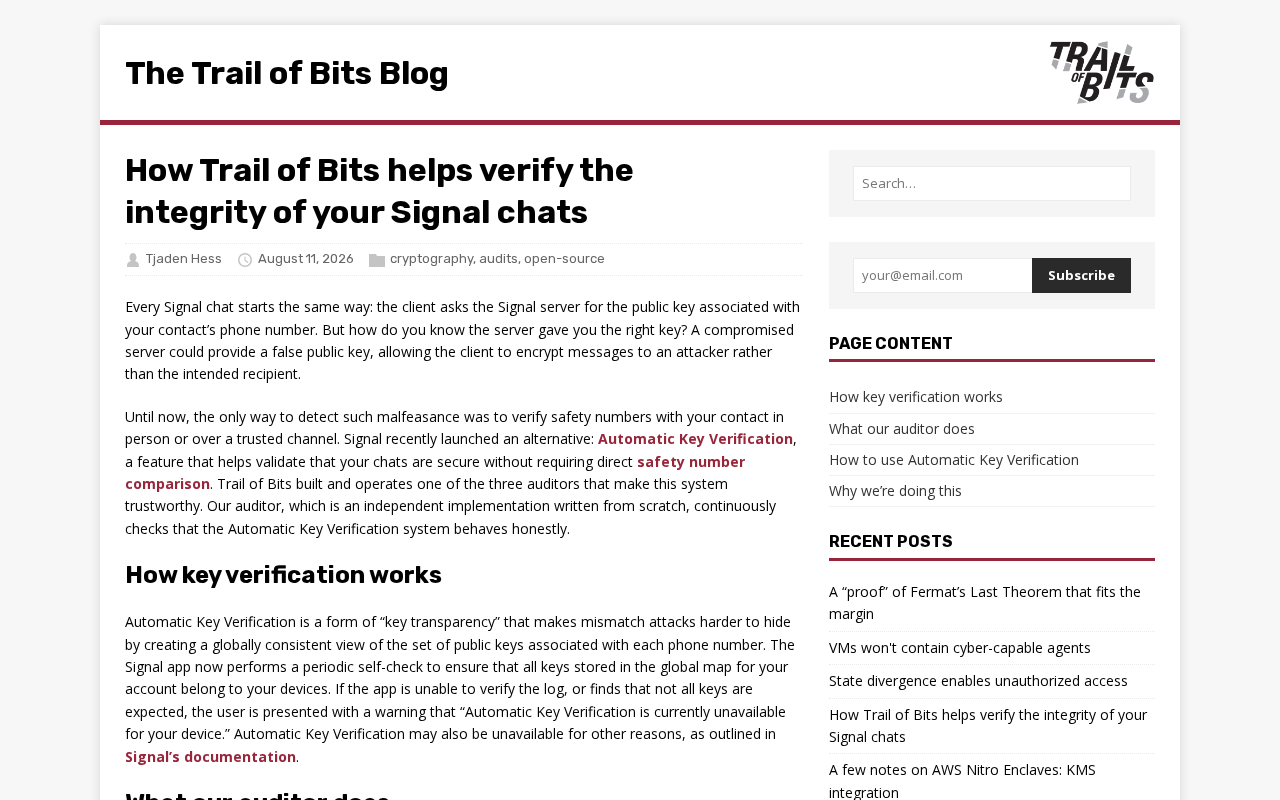
How Trail of Bits Verifies the Integrity of Signal Chat Logs
How does Trail of Bits, as an independent security auditor, help verify the integrity of Signal's end-to-end encrypted chat logs? A technical overview of chat integrity verification and the value of third-party audits.
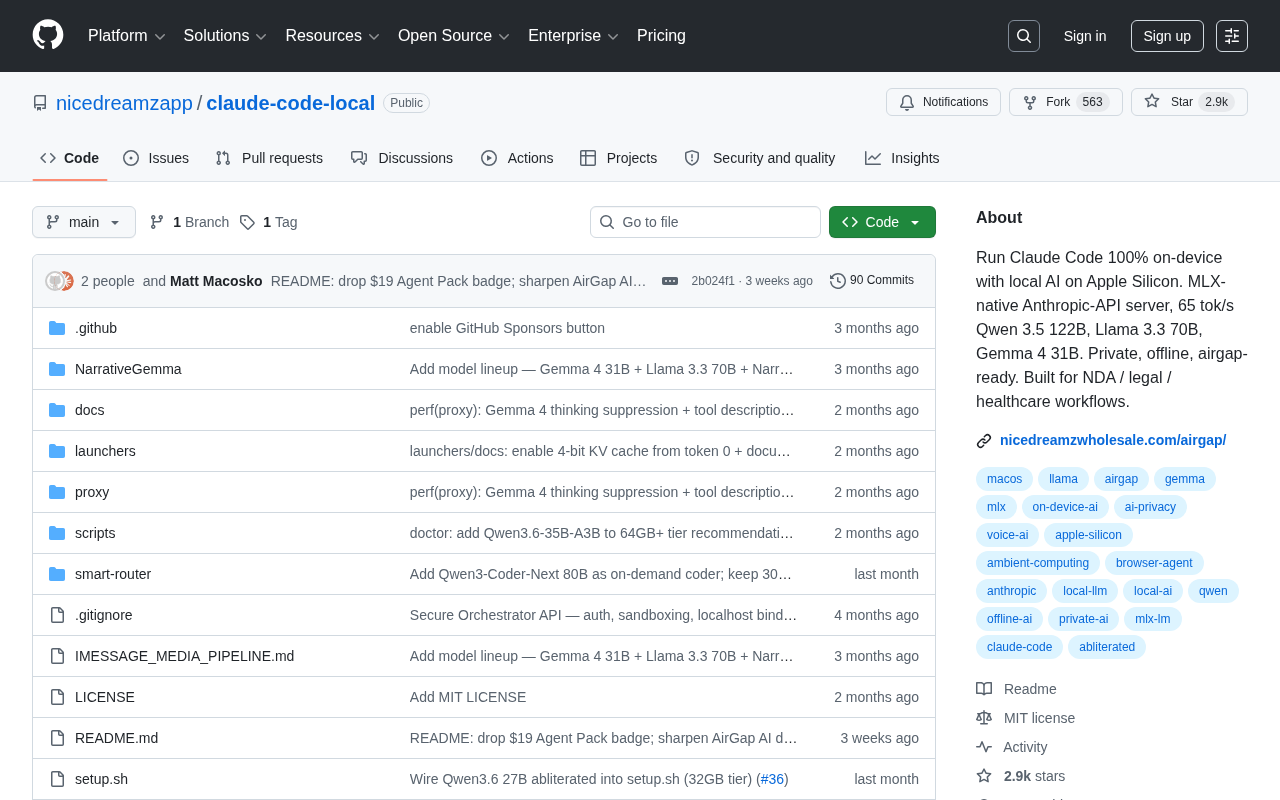
Running Claude Code Locally: A Fully Offline AI Coding Solution for Apple Silicon
claude-code-local runs Claude Code 100% offline on Apple Silicon via MLX, supporting Qwen 3.5 122B at 65 tok/s — built for NDA, legal, and medical privacy workflows.
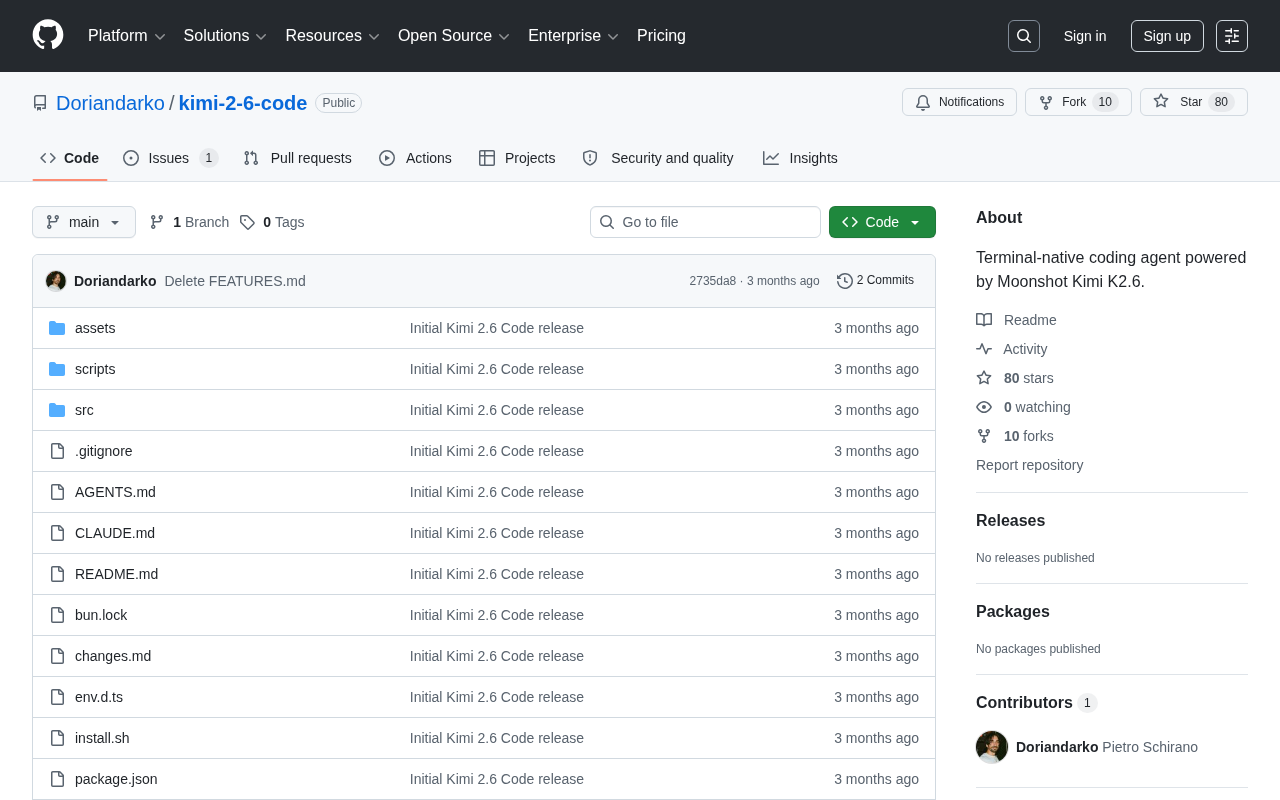
Kimi 2.6 Code: A Terminal-Native Coding Agent Built on the Moonshot Model
kimi-2-6-code is a terminal-native coding agent built in TypeScript on Moonshot's Kimi K2.6 model. Learn about its design, model choice, and maturity level.