LG Responds to Smart TV 'Surveillance' Allegations: Data Collection Controversy Reignites
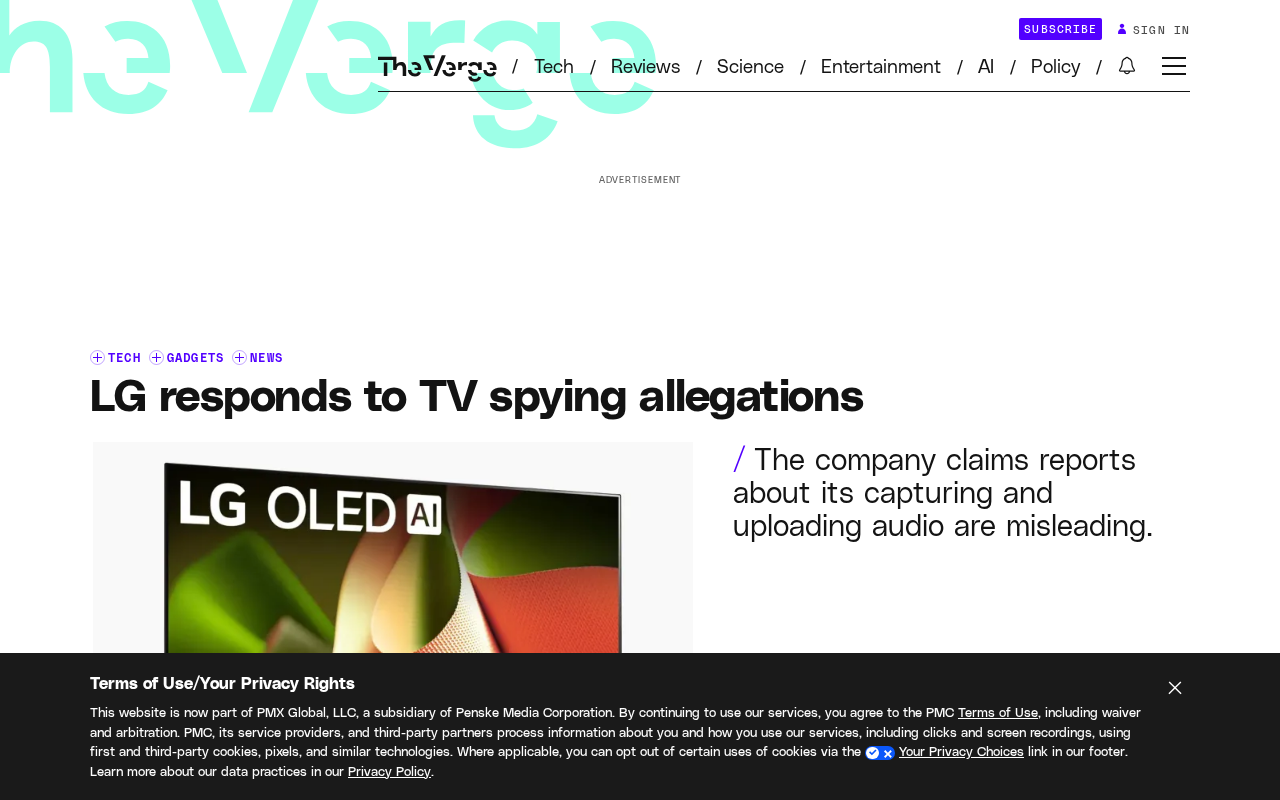
LG denies smart TV spying claims, calling them a misunderstanding, but security researchers' technical evidence keeps the controversy alive.
Gamers Nexus, Level1Techs, and independent security researchers recently alleged that LG smart TVs record and upload user data, triggering widespread concern. LG responded by saying media coverage may have created misunderstandings, stopping short of admitting any wrongdoing. The core dispute centers on whether data collection is a legitimate part of the product experience or an undisclosed privacy violation. ACR technology is already commonplace across the smart TV industry, with consent terms typically buried in lengthy user agreements. The incident serves as a reminder for consumers to disable ACR and other tracking features, and to stay alert to the privacy risks posed by connected home devices.
The Origins of the Controversy: Accusations from Security Researchers
Recently, prominent tech outlets Gamers Nexus and Level1Techs, along with several independent security researchers, jointly disclosed a series of concerning findings: LG smart TVs are recording and uploading user behavior data. The allegations quickly sparked widespread discussion in the tech community, thrusting smart TV privacy concerns back into the public spotlight.
According to their analysis, LG TVs collect extensive behavioral data during normal use and transmit it to remote servers. For everyday consumers, the idea that an expensive television is quietly harvesting personal usage habits in the background strikes a deeply sensitive nerve when it comes to privacy.
LG's Official Response
Faced with mounting criticism, LG chose to push back directly. In a statement, the company said: "Some recent media coverage may have created misunderstandings about how LG Smart TVs work." This framing squarely rejects the core "spying on users" allegation, positioning the controversy as a matter of public misunderstanding about technical implementation rather than any genuine privacy violation on the product's part.
LG subsequently released explanatory documentation clarifying its data handling practices. The company's stance — opting to "clarify" rather than apologize — reflects its fundamental position: that data collection is a normal part of how smart TVs operate, not the malicious behavior critics have implied.
Industry Context: Smart TV Privacy Under the Microscope
This controversy is far from an isolated incident. As smart TVs have become ubiquitous, concerns about data collection from connected devices have grown steadily. ACR (Automatic Content Recognition) technology has become standard industry practice — TVs identify what content users are watching and use that data to serve targeted ads or feed analytics pipelines.
The existence of such technology has turned "the TV is watching you" from science fiction into reality. Manufacturers typically bury the relevant consent clauses deep within lengthy user agreements, meaning most consumers who unbox and set up a new TV have little real understanding of what data collection practices they've agreed to. This is precisely why whenever security researchers expose the specific details of data uploads, the backlash tends to be swift and intense.
The Core Tension Behind the Controversy
The central disagreement in this case comes down to a fundamental question: where exactly is the line between what LG considers "normal operation" and what researchers are calling "surveillance"?
From the manufacturer's perspective, data collection serves to optimize recommendations, deliver advertising, and improve the product experience — it's simply part of the business model. From the standpoint of users and security researchers, however, data uploads that occur without fully informed consent and cannot be completely disabled represent an inherent violation of privacy. The conflict between these two perspectives forms the heart of the entire dispute.
It's worth noting that outlets like Gamers Nexus and Level1Techs — known for their technical rigor — disclosed concrete technical evidence, not subjective speculation. This makes LG's response of simply attributing everything to "misunderstanding" a difficult sell.
What This Means for Consumers
For everyday users, this episode offers several practical takeaways. When purchasing a smart TV, pay close attention to the device's privacy settings and disable data collection features such as ACR and personalized advertising wherever possible. Some users have even opted to keep their TVs entirely offline, relying on external media players to sidestep the data tracking built into the TV's native operating system.
More broadly, as IoT devices permeate every corner of home life, the challenge of protecting user privacy has never been greater. The ongoing tug-of-war between manufacturers and consumers over data ownership is unlikely to be resolved anytime soon. How this LG episode unfolds may well become an important case study in how the industry responds to privacy challenges.
Conclusion
LG's response to the "TV surveillance" allegations has, for now, framed the controversy as a matter of technical misunderstanding. But the tension between the technical details provided by security researchers and the company's official narrative ensures this debate won't die down easily. For users who care about digital privacy, staying vigilant and actively managing device permissions remains the most practical form of self-protection available today.
Related articles

Anthropic CEO Calls for Hitting the Brakes on AI Development: A Three-Step 'Pace the Frontier' Plan
Anthropic CEO Dario Amodei calls for slowing AI development with a three-step 'pace the frontier' plan, including opening model access to third-party evaluators like METR.

Insufficient Source Material: Unable to Generate Article on Sylvan Esso
The source material provided covers music duo Sylvan Esso — unrelated to AI/tech and incomplete. No viable article could be produced; publication not recommended.

"LLMs Are Real, AI Is Fake": A Debate Worth Having
Hacker News post 'LLMs are real, AI is fake' sparks debate: why LLMs are concrete and verifiable while 'AI' is often marketing hype. What this means for practitioners.