Mapping U.S. AI Lab Talent: How Immigrants Are Driving Frontier Innovation

How global immigrant talent powers America's dominance in frontier AI research.
A viral Reddit meme about "the average U.S. AI lab team" sparked a substantive discussion about America's deep reliance on immigrant researchers. This article explores the real composition of AI talent at institutions like Stanford, MIT, and OpenAI — and why factors like elite research ecosystems, H-1B visa pathways, and capital concentration continue to make the U.S. the world's top destination for AI talent, while also examining the geopolitical risks this dependence creates.
A Meme That Sparked a Conversation
A meme titled "Average team at a U.S. AI lab" recently went viral in Reddit's machine learning community, sparking lively debate. What appeared to be a joke inadvertently exposed a real and deeply relevant phenomenon: the talent base of America's top AI labs depends heavily on immigrants and international researchers from around the world.
The post appeared in a community ostensibly dedicated to "learning machine learning," and some users dismissed it as a "political meme" or "marketing garbage" — yet the underlying talent structure it pointed to is, in fact, one of the key lenses through which to understand today's AI industry landscape.
The Real Composition of U.S. AI Talent
One user in the discussion offered a vivid observation: "Open any Ivy League course page and you'll see roughly 50% Chinese Americans, 30% Indian Americans, and 20% everyone else." They cited Stanford Professor Emma Brunskill's reinforcement learning (RL) course as a case in point.
Reinforcement Learning (RL) is one of the three major paradigms in machine learning. Its core idea draws from operant conditioning in behavioral psychology: an agent optimizes its decision-making strategy by interacting with an environment and receiving reward or penalty signals — without relying on labeled training data. In recent years, RL has produced a series of landmark breakthroughs: DeepMind's AlphaGo and AlphaZero used RL to surpass the world's best Go players; OpenAI Five trained a Dota 2 AI via RL that defeated professional esports teams; and Reinforcement Learning from Human Feedback (RLHF) — the core alignment technique behind today's large language models (LLMs) — is the key training method that gives ChatGPT, Claude, and similar models their conversational capabilities. Stanford Professor Emma Brunskill is a well-known scholar in RL, particularly in its applications to education and sample efficiency, and her courses carry considerable influence in the field.
While this is anecdotal, it broadly aligns with publicly available data. AI research teams at Stanford, MIT, Berkeley, and other leading institutions have long been highly globalized, with international students and researchers of immigrant backgrounds making up a substantial share. According to Stanford's AI Index Report, the U.S. has consistently attracted a larger proportion of the world's top AI researchers than any other single country, and a significant share of top AI paper authors received their early-career education outside the United States.
Interestingly, one commenter in the discussion pointed out that many researchers of East Asian appearance are actually second- or third-generation Korean or Japanese Americans who hold U.S. citizenship. This is an important reminder that "immigrant background" and "nationality" are two distinct dimensions — many so-called "foreign talents" are, in essence, native-born Americans.
Why Do Top AI Talents Keep Flowing to the U.S.?
One of the most insightful comments in the discussion captured the core logic: "It's like wealthy, liberal democracies can attract top talent from around the world."
This observation cuts to the heart of America's AI advantage — the brain drain effect. "Brain drain" (also called intellectual flight) is a classic concept in development economics and technology policy, describing the one-way structural flow of highly skilled talent from less-developed regions or countries toward more resource-rich ones. The more recent concept of "brain circulation" further describes researchers moving fluidly between multiple countries and engaging in increasingly cross-border collaboration — the rise of AI ecosystems in China, India, and elsewhere is partly enabled by this kind of circulation. Several factors combine to give the U.S. its powerful draw on global AI talent:
World-Class Educational and Research Ecosystems
The U.S. has the densest concentration of top universities and research institutions on the planet. From Stanford to MIT, from Google DeepMind to OpenAI, the country has built a complete innovation chain spanning academic research to industrial deployment. This ecosystem provides researchers with abundant resources, funding, and cross-disciplinary collaboration opportunities.
Relatively Open Immigration and Employment Pathways
Despite frequent controversy over visa policy, the U.S. has long remained one of the top destinations for highly skilled immigrants worldwide. The H-1B visa is a non-immigrant work visa specifically designed for "specialty occupation" positions, with approximately 85,000 slots per year (65,000 for general applicants and 20,000 reserved for holders of U.S. master's degrees or higher). Applications consistently far exceed available slots, making a lottery necessary to determine eligibility. AI giants like Google, Microsoft, and Meta sponsor large numbers of foreign employees for this visa each year. However, the program is also widely criticized: the lottery mechanism creates significant uncertainty, and green card backlogs — especially for applicants from India and China — can stretch for decades, leaving top talent in prolonged immigration limbo. Some have chosen to relocate to countries with more favorable visa policies, such as Canada or the UK. Even so, the H-1B and green card pathways offer international talent a route to long-term development in the U.S. — an institutional advantage that other countries will struggle to fully replicate in the near term.
High Concentration of Industry and Capital
Silicon Valley and its surrounding areas host a dense cluster of AI startups, top-tier venture capital firms, and technology giants. Research outputs can be rapidly translated into products and commercial value, and researchers enjoy highly competitive compensation.
The Hidden Risks of a Globalized Talent Model
That said, heavy reliance on international talent is not without risk. On one hand, it reflects a relative weakness in America's domestic STEM education pipeline when it comes to producing elite researchers. On the other, geopolitical tensions and tightening visa policies could destabilize the very foundations of this talent advantage.
As U.S.-China tech competition intensifies, some Chinese-born researchers face heightened security scrutiny, and a number have chosen to return to China or relocate to third countries. This movement isn't simply "brain drain" from the U.S. perspective — for source countries, returnees and diaspora networks can also create a kind of technological reverse transfer. At the same time, China, Europe, Canada, and others are continuously ramping up competition for AI talent. The global talent flow landscape is quietly being reshaped — and this poses a non-trivial long-term challenge to the talent pipeline of U.S. AI labs.
The Other Side of Community Ecosystems: The Problem of Information Quality
Beyond the talent discussion, this online debate also reflected deeper changes happening within technical communities like Reddit. Several users lamented: "Reddit has gotten really weird over the past two years" and "AI-generated garbage and marketing spam are ruining everything — every time I scroll it feels like going in circles."
This is, in fact, a significant side effect of the AI wave — a flood of AI-Generated Content (AIGC) and low-quality discussion is pouring into once-focused technical communities, diluting the density of high-quality exchange. Stack Overflow famously announced a temporary ban on AI-generated answers after such content caused a noticeable drop in community quality. The deeper problem lies in a feedback loop of data contamination: as AI-generated content increasingly mixes into publicly available web data, the training datasets for the next generation of AI models will inevitably include this material — potentially causing systematic degradation in model performance. Researchers call this phenomenon "model collapse." For the machine learning community, there is a sharp irony here: AI technology is eroding the very soil of knowledge-sharing that nurtured its own development. For users genuinely seeking to learn and discuss machine learning, efficiently filtering signal from noise is becoming an increasingly practical challenge.
Conclusion: Talent Is the Ultimate Variable in the AI Race
A simple meme, however tongue-in-cheek, touches on the essence of competition in the AI era — at the end of the day, the AI race is a talent race. America's leading position in this round of the AI revolution owes a great deal to its comprehensive ability to attract and retain the world's top researchers.
For other countries and regions, the ability to build equally attractive innovation ecosystems, educational systems, and open environments will directly determine their coordinates on the future global AI map. And for every researcher caught in the middle of it all, this worldwide competition for talent has only just reached its peak.
Key Takeaways
Related articles
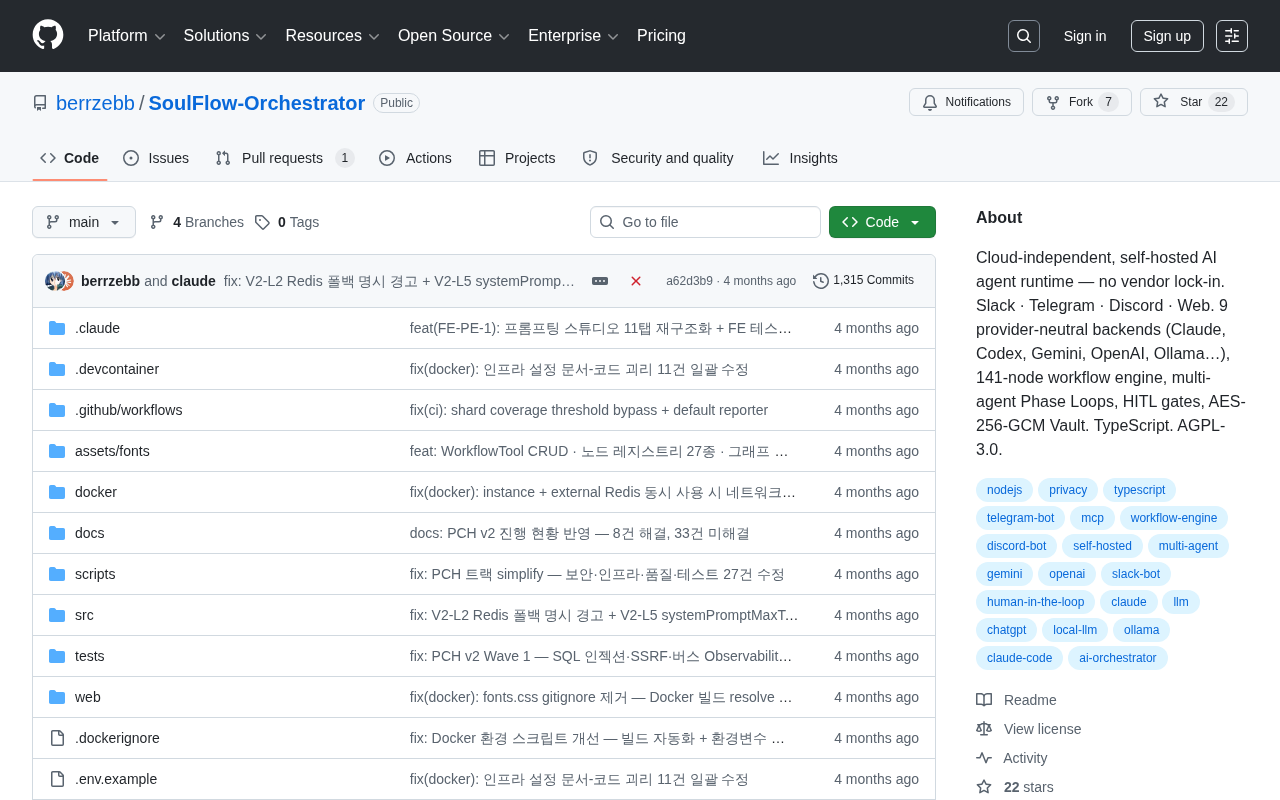
SoulFlow-Orchestrator: A Self-Hosted, Vendor-Lock-In-Free AI Agent Runtime
SoulFlow-Orchestrator is an open-source, self-hosted AI agent runtime with no vendor lock-in. Supports 9 neutral backends (Claude, OpenAI, Ollama), 141-node workflow engine, multi-agent loops, and HITL gates.
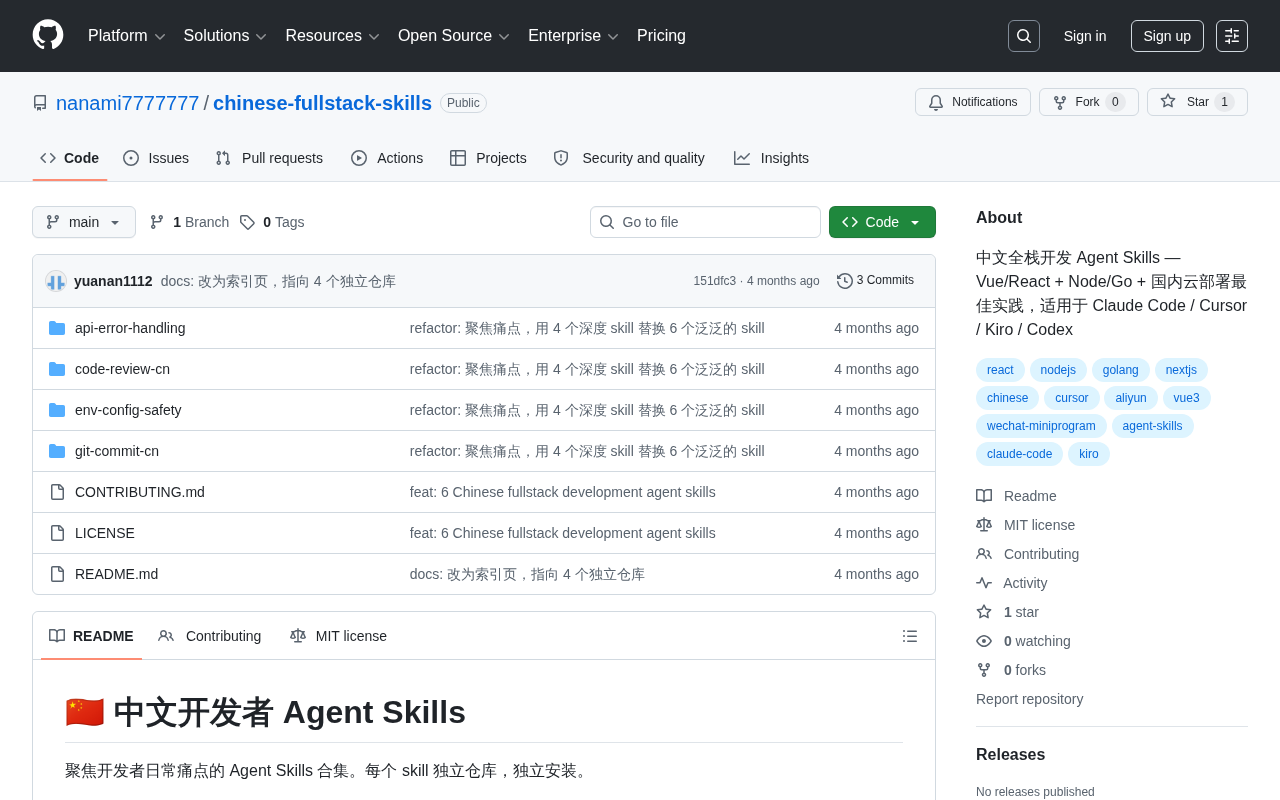
Chinese Full-Stack Agent Skills: A Skill Library Tailored for Domestic AI-Assisted Development
chinese-fullstack-skills is an Agent Skills library for Chinese full-stack development, covering Vue/React, Node/Go, and domestic cloud deployment best practices. Compatible with Claude Code, Cursor, Kiro, and Codex.
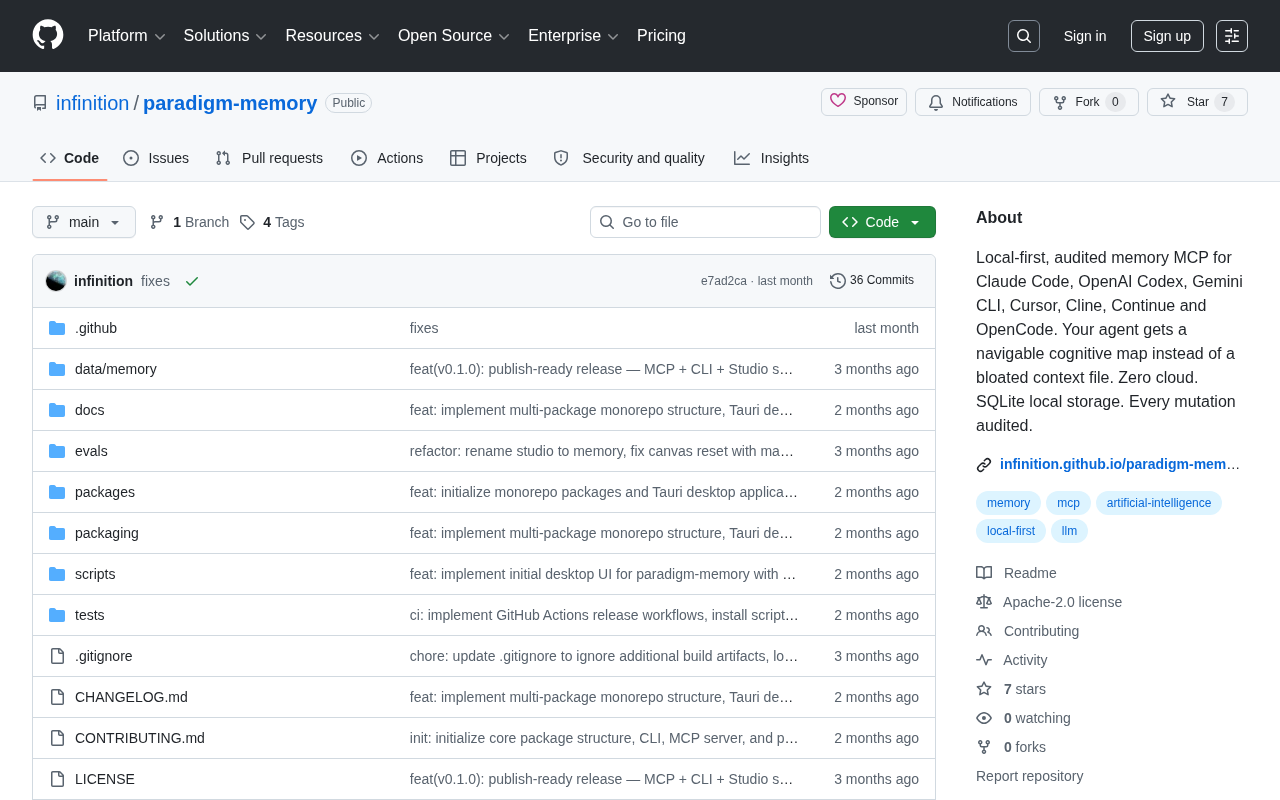
Paradigm Memory: A Local-First Memory System for AI Coding Assistants
paradigm-memory is a local MCP memory tool for Claude Code, Cursor, and Cline. It uses SQLite local storage, zero cloud, full audit trails, and a navigable cognitive map instead of bloated context files.