Matic Robot Vacuum Raises Price by $250 in September — The Window to Buy Is Closing Fast
Matic Robot Vacuum Raises Price by $25…
Matic robot vacuum prices rise $250 on Sept 9 — here's what buyers need to know before the deadline.
Matic, widely regarded as the best robot vacuum on the market, is raising its price by $250 on September 9 — from $1,245 to $1,495. The increase reflects the product's premium on-device AI and privacy-first design. This article breaks down the reasons behind the hike, whether it's worth buying before the deadline, and what the move signals about the broader premium home robotics market.
Matic Robot Vacuum Is About to Get More Expensive
If you've been on the fence about buying a high-end robot vacuum, this may be your last chance to act. According to The Verge, Matic — widely recognized as the "best robot vacuum" — will raise its price by $250 on September 9, going from $1,245 to $1,495. For anyone still hesitating, the cost of waiting just got very real.
Matic has earned its strong reputation largely through its differentiated focus on on-device intelligence and privacy protection. Unlike most competitors that rely on cloud-based processing, Matic emphasizes local data handling — a approach that has won over privacy-conscious users.
A technical note on "on-device AI processing": Traditional robot vacuums rely on remote cloud servers for tasks like image recognition and path planning, requiring data to travel back and forth between the device and those servers. This creates potential privacy risks and introduces latency and connectivity dependencies. Matic's on-device AI approach runs neural network inference directly on a built-in chip, meaning sensitive data like images and audio never leaves the home environment. This architecture is similar in spirit to Apple's Neural Engine and Google's Tensor chip. Implementing it in a robot vacuum means performing real-time SLAM (Simultaneous Localization and Mapping), obstacle recognition, and cleaning strategy decisions under tight power constraints — all significantly more costly to develop and manufacture than cloud-based alternatives. This is one of the core technical reasons Matic can justify its premium pricing.
Why Is Matic Raising Its Price?
According to Matic's official statement to The Verge, the $250 price increase "reflects the true value of the product." This kind of messaging is hardly unusual in the consumer electronics industry — once a product establishes its reputation and market position, manufacturers often recalibrate pricing accordingly.
Premium Positioning and the Logic Behind the Price
The jump from $1,245 to $1,495 represents roughly a 20% increase, putting Matic well above the price range of most mainstream robot vacuums. Flagship models from iRobot, Roborock, and Ecovacs typically fall between $500 and $1,200, and Matic's new price pushes it even further into premium territory.
Several factors likely drive this strategy: reinforcing a "luxury" brand perception, improving per-unit margins while demand holds steady, and reflecting real pressures in supply chain costs, R&D investment, or production capacity.
How hardware startups typically evolve their pricing: As a relatively young hardware company, Matic's price adjustment reflects a broader pattern in the hardware startup world. Unlike software companies, hardware firms can't approach zero marginal cost — every additional unit requires proportional spending on materials, assembly, and logistics. Early-stage pricing is often at or below cost to gain market traction; once product-market fit is proven and a reputation is established, founders raise prices — a classic "value anchoring" move. Sonos followed a similar path, entering the market aggressively before gradually raising prices as brand equity matured. DJI drones followed comparable timing. For Matic, this 20% increase serves both as a correction to earlier underpricing and a signal that the product has entered a mature phase — one designed to attract high-end buyers who are less price-sensitive and more swayed by brand credibility. For any young hardware company, balancing scale with margin remains a core challenge.
Should You Buy Matic Before the Price Goes Up?
For anyone already watching Matic, the message is clear: buy sooner and save. $250 is not a trivial sum — it's roughly the full price of a mid-range robot vacuum.
Thinking Rationally About the Purchase Decision
The fact that Matic has earned "clear best" rankings from multiple editorial outlets suggests it genuinely excels in cleaning performance, navigation, automation, and overall user experience.
Why Matic's navigation technology deserves attention: The navigation capabilities of modern premium robot vacuums are built on SLAM technology. Early robot vacuums used random-collision-based pathing — inefficient and unreliable. Later models incorporated gyroscopes and infrared sensors for basic planning. Today's premium segment has broadly adopted LiDAR or visual (vSLAM) solutions, enabling real-time 3D home mapping and dynamic obstacle avoidance. Matic uses a vision-based approach, relying on a camera array to perceive its environment, paired with deep learning models to identify complex obstacles like furniture, pets, and cables. This approach shares conceptual ground with Tesla's "pure vision" self-driving philosophy — vision systems have an edge over LiDAR in identifying object types, but demand more from onboard compute chips. This further reinforces Matic's differentiated position in the premium segment.
If you already have a clear intention to buy and believe in the product, placing your order before September 9 is simply the smarter financial move.
But if you're still comparing brands or unsure whether a premium robot vacuum is right for you, don't rush the decision just to avoid the price hike. Robot vacuums are durable goods — most people use them for years — and finding the right fit for your home environment matters far more than saving $250 on the wrong product.
The Broader Trend in the Premium Robot Vacuum Market
Matic's price increase also reflects the overall direction of the high-end home robotics market. As AI capabilities, sensor technology, and local compute power continue to advance, robot vacuums are evolving from simple cleaning tools into smart home hubs — and the R&D investment behind that evolution ultimately shows up in pricing.
On-Device AI Processing as the Core Premium Differentiator
In a world where more users are paying close attention to data privacy, the fact that a product like Matic — which emphasizes local AI processing — can command a premium suggests the market is genuinely willing to pay for privacy. From smartphones to home cameras, local data processing is becoming an important differentiator for high-end products. This trend also has regulatory tailwinds — tightening data protection laws like the EU's GDPR have made both businesses and consumers increasingly cautious about off-device data processing, further boosting demand and pricing power for on-device AI solutions.
As technical barriers rise and differentiated positioning becomes more entrenched, the price ceiling for premium robot vacuums will likely continue climbing. For consumers, understanding which features you actually need — and avoiding paying a premium for capabilities you won't use — will only become more important.
Conclusion
Matic's $250 price increase is both a repositioning of the product's perceived value and a snapshot of where the premium home robotics market is heading. For users who are already sold on it, September 9 is a hard deadline. For those still on the fence, it's a prompt to honestly reassess your own needs. Before committing nearly $1,500, the smartest move is always to evaluate how well the product actually fits your home and your life.
Key Takeaways
Related articles
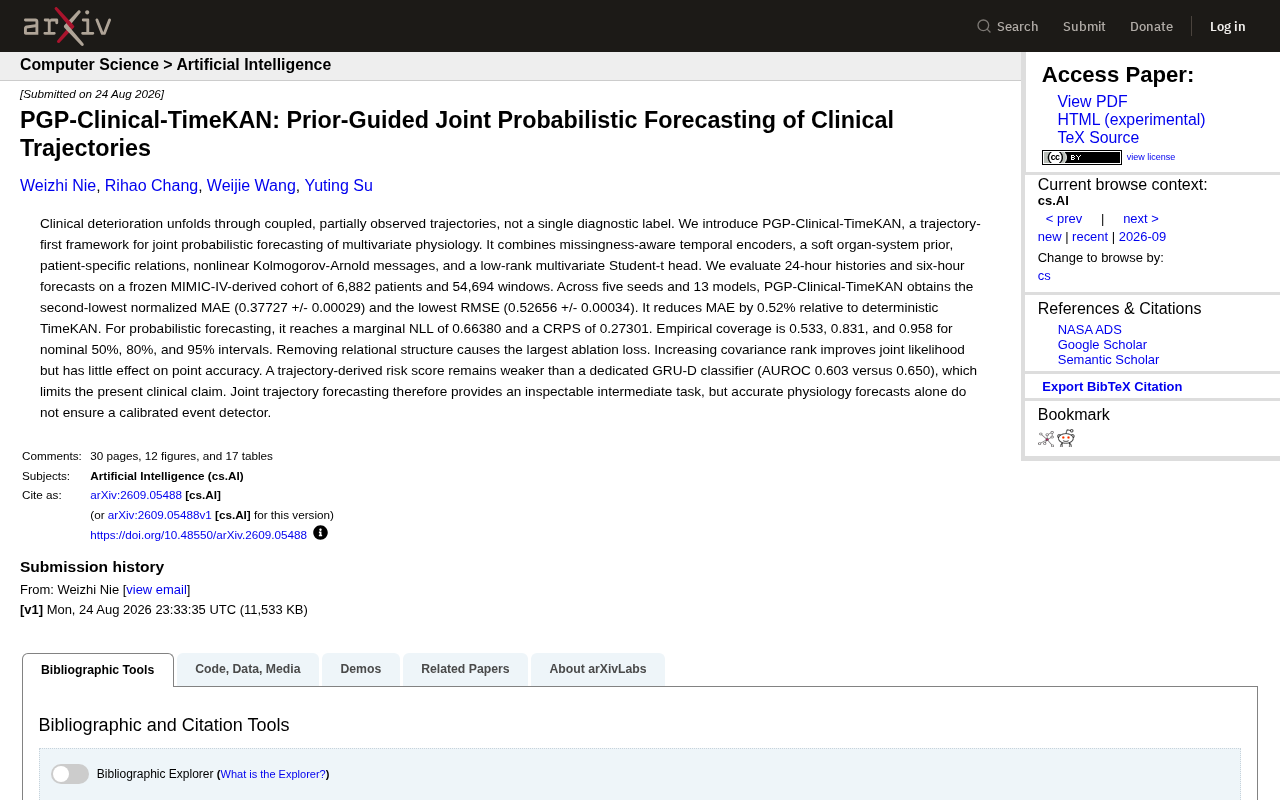
PGP-Clinical-TimeKAN: A Detailed Guide to the Multivariate Physiological Indicator Joint Prediction Framework
An in-depth analysis of the PGP-Clinical-TimeKAN framework for joint probabilistic prediction of multivariate physiological indicators, covering trajectory-first paradigm, KAN message passing, MIMIC-IV validation, and ablation studies.
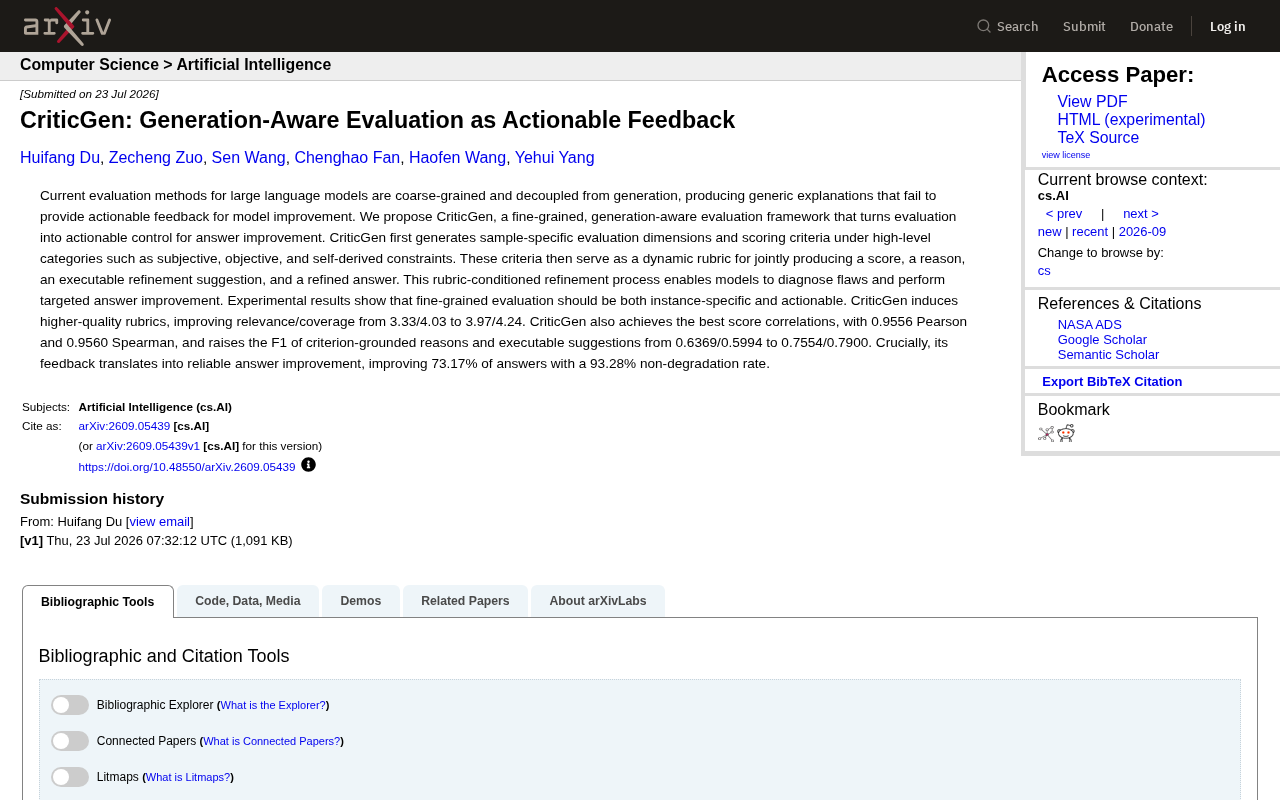
CriticGen: A New Framework That Transforms AI Evaluation into Actionable Improvement Feedback
CriticGen proposes a generation-aware evaluation framework that transforms AI assessment from passive scoring to an active optimization loop, achieving 73.17% answer improvement and 93.28% non-degradation rate.
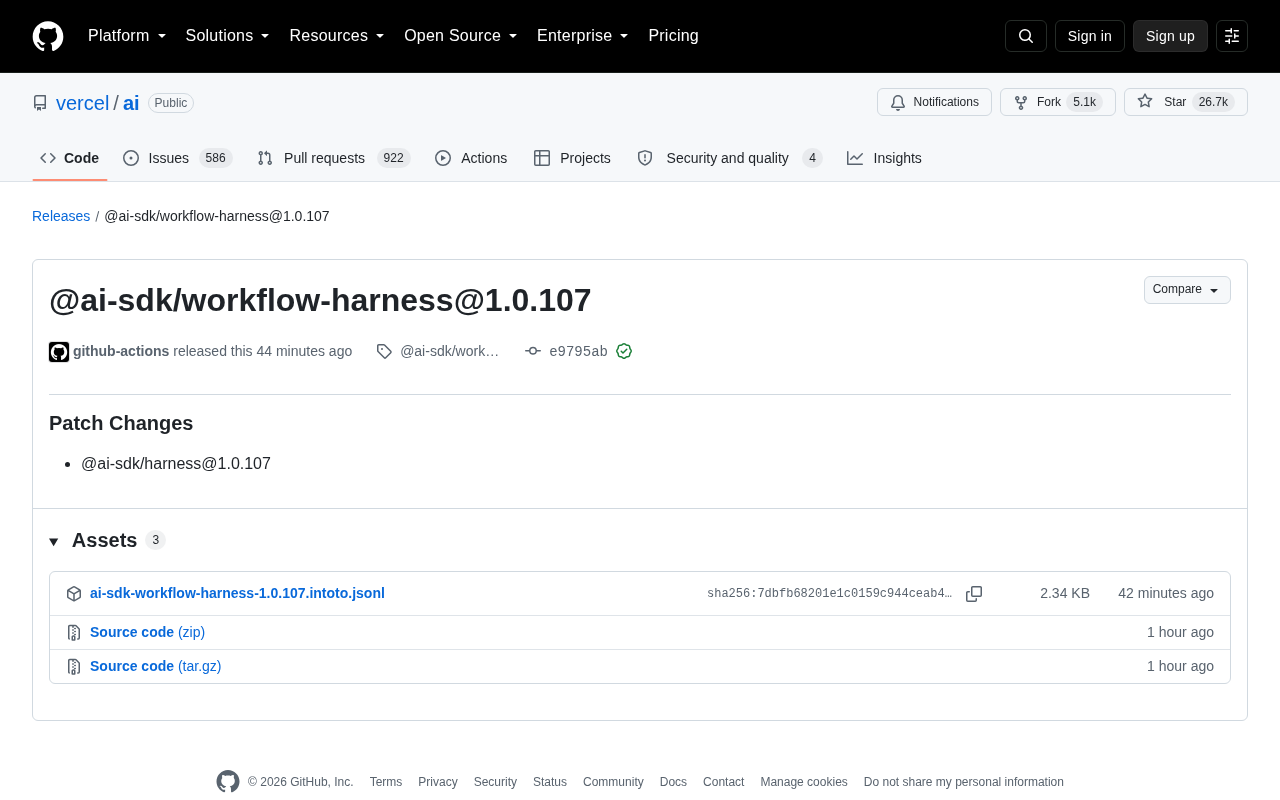
Vercel AI SDK workflow-harness Update Analysis
Deep analysis of Vercel AI SDK workflow-harness 1.0.107 update: architecture design, engineering practices, and developer value for building reliable AI apps.