Microsoft Shuts Down The Garage Makerspace: The End of an Era for Employee Innovation

Microsoft closes The Garage makerspace, ending the centralized innovation incubation model.
Microsoft has announced the phased closure of The Garage makerspace as a centralized function. The space was central to cross-team collaboration during annual hackathons, turning ideas into prototypes and even feeding official products. The decision sparked internal regret and signals a shift toward decentralizing innovation, potentially weakening informal innovation and reflecting a broader trend of big tech reassessing non-core projects.
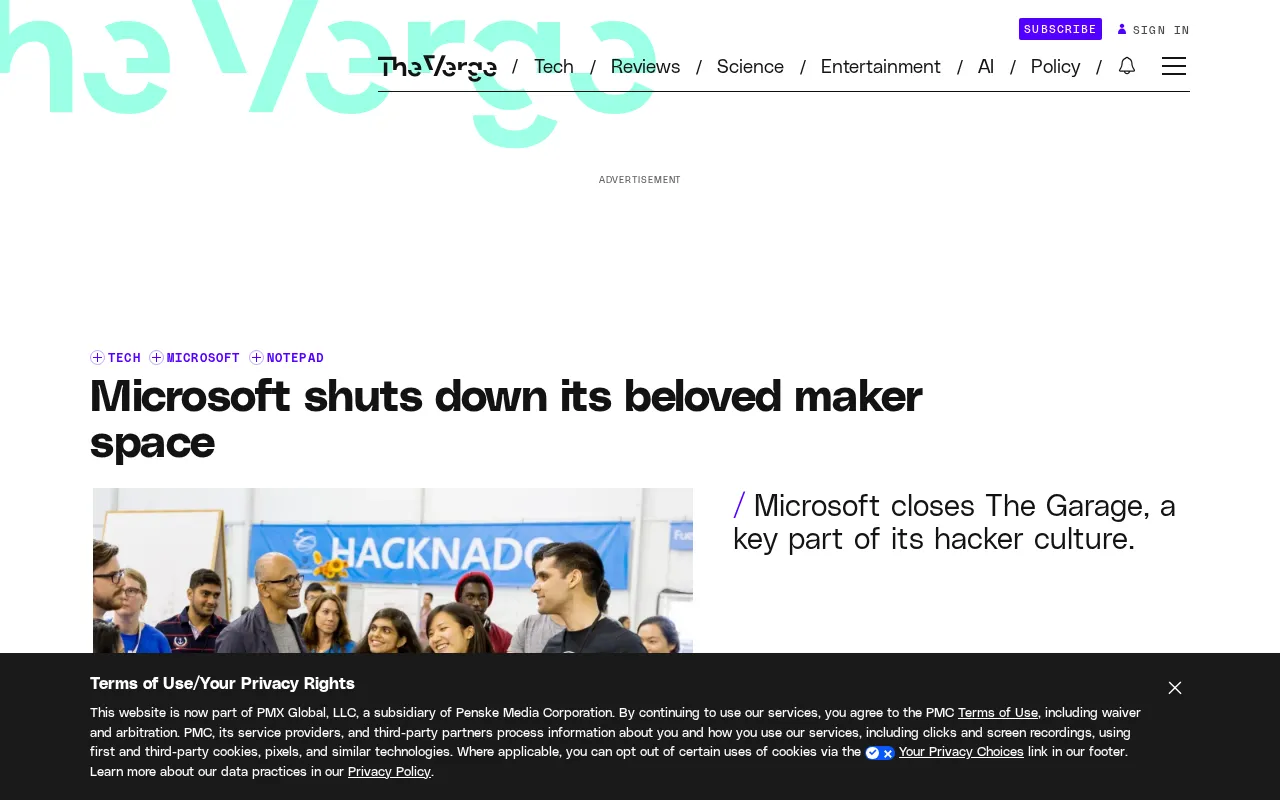
Microsoft has announced internally that it will close its popular makerspace program, The Garage. This playground, which once nurtured countless experimental projects and unexpected surprises, is now being phased out as a centralized function. According to an internal FAQ sent to employees (obtained by Notepad), the company stated it is "gradually winding down The Garage program as a centralized function."
What Is The Garage?
The Garage was no ordinary office space. It was a makerspace built by Microsoft for its employees, encouraging cross-team collaboration during the annual hackathon to turn wild ideas into working prototypes—whether software applications or hardware devices. Many unofficial projects were born here, some of which even made their way into Microsoft's official product lines. For many engineers, The Garage represented a rare culture of free exploration within Microsoft.
Hackathon is an intensive collaborative event where participants form small teams and rapidly ideate, develop, and demo prototypes or solutions around a specific theme within hours to days. Originating in the software development community, it emphasizes "hands-on making" and cross-functional collaboration while downplaying hierarchy and conventional processes. Within enterprises, hackathons are often used as a mechanism to spark creativity, identify internal talent, and incubate new products—with some outcomes being further evaluated and potentially entering official product lines. Microsoft's annual hackathon is large in scale, and The Garage, as a permanent venue, provided infrastructure for continuous experimentation before and after the event.
The Closure Decision and Internal Reaction
Microsoft confirmed the decision in the internal FAQ but did not elaborate on a specific timeline or follow-up arrangements. According to Notepad, the FAQ only mentioned "gradually winding down the centralized function," suggesting that related activities may in the future be decentralized and organized by individual teams. The news sparked considerable regret within Microsoft—The Garage was not only an innovation incubator but also a symbol of the "hacker spirit" in Microsoft's corporate culture.
Centralized Function refers to an organizational model where a company's headquarters or a single department plans, manages, and provides resources in a unified manner—common in areas such as IT, human resources, and innovation incubation. Its advantages include economies of scale, standardized practices, and ease of cross-departmental coordination; its disadvantages include slower responsiveness and difficulty accommodating the differentiated needs of individual business units. Closing The Garage as a centralized function means that related resources and decision-making authority may be delegated to individual product teams, which can organize innovation activities according to their own goals. This may improve alignment but could also lead to duplicated efforts and weakened overall coordination.
Impact on Microsoft's Innovation Ecosystem
The closure of The Garage may have multiple implications. On one hand, a centralized makerspace provided physical and institutional convenience for cross-team collaboration, and its disappearance could weaken the soil for informal innovation. On the other hand, Microsoft may hope to delegate innovation responsibilities to individual product teams, making experiments more closely aligned with business objectives. However, critics worry that decentralization could lead to resource duplication or a decline in innovative vitality.
Informal Innovation refers to spontaneous innovation activities not strictly constrained by formal project approval processes, KPIs, or budgets, typically relying on employee interests, internal communities, or makerspaces. It often produces breakthrough ideas, but outcomes are unpredictable and weakly linked to short-term business goals, making it an easy target for cuts under cost pressure. The value of informal innovation lies in cultivating a culture of exploration and cross-departmental trust networks; its reduction may cause organizations to focus more on incremental improvements and become less sensitive to disruptive opportunities.
Industry Observation: The Fate of Makerspaces at Big Tech
Microsoft is not the only big tech company with an internal makerspace, but The Garage stood out for its visibility and influence. Its closure reflects a trend: under pressure for cost optimization and strategic focus, large tech companies are reassessing projects that are "non-core" but culturally valuable. For organizations that rely on internal entrepreneurial spirit, balancing efficiency and freedom will remain an ongoing challenge.
Microsoft has not yet publicly responded to the matter. The curtain falling on The Garage may mark the end of an era—one that encouraged employees to "wander off the beaten path" and unexpectedly reaped innovation.
One-line Summary
Microsoft closes The Garage makerspace, ending the centralized innovation incubation model.
Paragraph Summary
Microsoft has internally announced it will gradually shut down The Garage makerspace as a centralized function; the internal FAQ only mentions winding down centralized operations without disclosing a timeline or follow-up plans. The Garage was a core venue where Microsoft employees collaborated across teams during the annual hackathon to turn ideas into software and hardware prototypes, nurturing many unofficial projects—some of which even entered official product lines. The closure decision has sparked internal regret and is seen as a symbolic retreat of Microsoft's "hacker spirit" and culture of free exploration. The article suggests this move could weaken the soil for informal innovation and cross-team collaboration, and reflects a broader trend of big tech reassessing non-core innovation projects under cost optimization and strategic focus, with innovation responsibilities potentially being delegated to individual product teams.
Related articles

Microsoft Fabric Database Agent in Action: From Reactive Firefighting to Intelligent Detective
A deep dive into the Microsoft Fabric Database Agent: how to enable it, supported monitoring scenarios, a blocking-issue demo, and the roadmap from reactive to autonomous operations.

Zendesk Uses ChatGPT Enterprise to Build a Sales Agent with 1,000 Daily Active Users
Zendesk opened ChatGPT Enterprise to all employees, who built about 600 apps themselves, including a sales expansion agent with about 1,000 daily active users. This article analyzes how it turns internal data into sales opportunities and its "don't wait" implementation strategy.
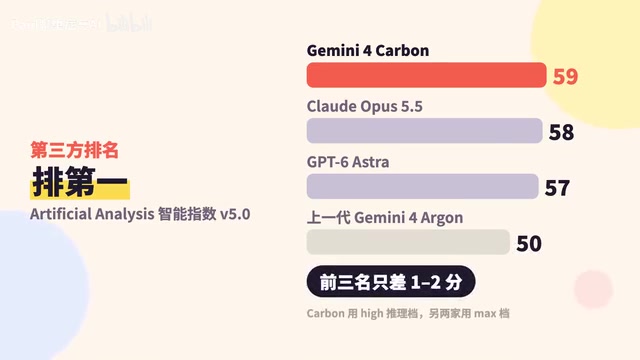
Google Releases Gemini 4 Carbon: Its Strongest Model Yet, Debuting with a Cybersecurity Focus
Google releases Gemini 4 Carbon, calling it its strongest model, with a cybersecurity focus. It tops the third-party composite ranking at 59 points but leads by only one or two. This article analyzes its security test results, staged rollout, token pricing, and the divergence between self-reported and third-party tests on hallucinations.