MIT Breakthrough in Ammonia Production: New Progress in Fossil-Fuel-Free Green Ammonia Synthesis
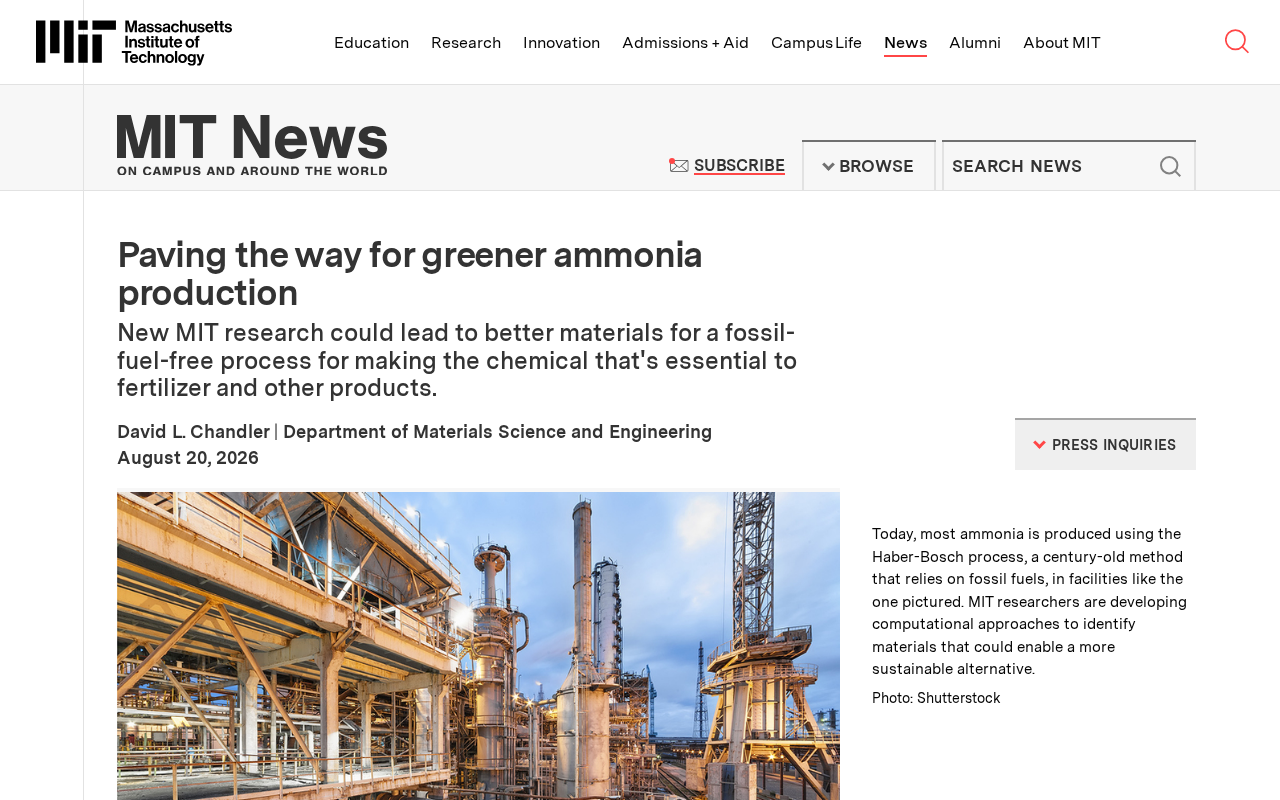
MIT develops new catalytic materials enabling fossil-fuel-free green ammonia production.
MIT researchers have made a breakthrough in developing novel catalytic materials that could enable ammonia production without fossil fuels. The traditional Haber-Bosch process accounts for 1-2% of global carbon emissions. By finding materials that catalyze nitrogen conversion under milder conditions and combining them with renewable energy, the technology could achieve zero-carbon ammonia production, transforming both the fertilizer industry and emerging hydrogen energy economy.
The Environmental Challenge of Ammonia Production
Ammonia is a critical chemical for modern agriculture and industry, with global production exceeding 180 million tons annually, primarily used in fertilizer manufacturing. However, the traditional Haber-Bosch process relies heavily on fossil fuels, generating carbon emissions that account for 1-2% of total global emissions. As carbon neutrality goals advance, developing cleaner ammonia production technologies has become a major focus in the chemical engineering field.
The Haber-Bosch Process was invented in 1909 by German chemist Fritz Haber and industrialized by Carl Bosch. The process requires temperatures of 400-500°C and pressures of 150-300 atmospheres, using iron-based catalysts to synthesize ammonia (NH₃) from nitrogen (N₂) and hydrogen (H₂). The hydrogen is primarily obtained through Steam Methane Reforming (SMR), a step that itself releases large amounts of carbon dioxide. The Haber-Bosch process is hailed as one of the most important inventions of the 20th century, as it made large-scale fertilizer production possible and directly supported global population growth from 1.6 billion to 8 billion. However, the process emits approximately 1.6-2.4 tons of CO₂ per ton of ammonia produced, and global ammonia production consumes roughly 1-2% of the world's total energy supply.
The traditional process requires high-temperature, high-pressure conditions with enormous energy consumption. This not only increases production costs but also makes the ammonia industry one of the significant sources of carbon emissions. The industry urgently needs alternatives that are both economical and environmentally friendly.
MIT's Breakthrough Research
The MIT research team's latest work focuses on developing novel catalytic materials to achieve fossil-fuel-free green ammonia production. This research lays the materials science foundation for sustainable ammonia production technology and drives the entire industry toward low-carbon transformation.
The core of the research lies in finding new materials capable of efficiently catalyzing nitrogen conversion under milder conditions. The nitrogen-nitrogen triple bond in N₂ molecules is one of the most stable chemical bonds in nature, with a bond energy as high as 945 kJ/mol, making it extremely difficult to break nitrogen molecules under mild conditions. While traditional iron-based catalysts are inexpensive, they can only effectively activate nitrogen under extreme conditions. In recent years, researchers have explored multiple new catalytic material directions, including ruthenium-based catalysts, transition metal nitrides, electrocatalytic materials, and biomimetic catalysts inspired by biological nitrogenase. Nitrogenase can convert nitrogen to ammonia at ambient temperature and pressure, with its active center containing an iron-molybdenum-sulfur cluster (FeMo-cofactor), providing important inspiration for artificial catalyst design. Additionally, electrocatalytic and photocatalytic ammonia synthesis are current research hotspots, as they can directly use electrical energy or solar energy to drive reactions, fundamentally eliminating dependence on fossil fuels.
Compared to traditional catalysts, these new materials are expected to significantly reduce the temperature and pressure required for reactions, thereby dramatically lowering energy consumption. If combined with renewable energy, the entire production process could achieve truly zero-carbon emissions.
Far-Reaching Impact on Industry
The potential impact of this research extends well beyond environmental protection. The maturation of green ammonia production technology will bring transformative changes across multiple dimensions:
First, it can significantly reduce the carbon footprint of fertilizer production, helping the agricultural sector achieve emissions reduction targets. Second, as a potential clean energy carrier, ammonia has unique advantages in hydrogen energy storage and transportation. Ammonia has attracted attention primarily because of its high energy density—liquid ammonia has a volumetric hydrogen density of approximately 121 kg-H₂/m³, far exceeding liquid hydrogen's 70.8 kg-H₂/m³—and it can be liquefied at atmospheric pressure simply by cooling to -33°C, or at room temperature by pressurizing to about 10 atmospheres, making it far easier to store and transport than liquid hydrogen (which requires cooling to -253°C). A mature global ammonia storage and transportation infrastructure already exists, including pipelines, storage tanks, and port terminals. Ammonia can be decomposed back into nitrogen and hydrogen through cracking reactions for use in fuel cells, or burned directly in modified internal combustion engines or gas turbines for power generation, producing only nitrogen and water as combustion products with zero carbon emissions. Energy-importing countries like Japan and South Korea have already incorporated ammonia into their national energy strategies, planning to co-fire 20% ammonia in coal-fired power plants to reduce carbon emissions, with plans to gradually increase the co-firing ratio. Cleaner ammonia production processes will accelerate the arrival of the "ammonia economy," providing new pathways for the energy transition.
From an economic perspective, although initial investment in new technologies may be higher, reduced long-term operating costs and relief from carbon tax pressures will make them competitive. Based on carbon emission levels during production, ammonia is classified into three categories: grey ammonia, blue ammonia, and green ammonia. Grey Ammonia is produced using the traditional Haber-Bosch process with untreated carbon emissions; Blue Ammonia also uses fossil fuels for hydrogen production but incorporates Carbon Capture and Storage (CCS) technology to reduce emissions; Green Ammonia uses renewable energy to electrolyze water for hydrogen production, which is then synthesized with nitrogen, achieving zero carbon across the entire process. Currently, green ammonia production costs approximately $700-1,000 per ton, roughly 2-3 times that of grey ammonia ($250-350 per ton). However, as carbon pricing policies such as the EU's Carbon Border Adjustment Mechanism (CBAM) advance, carbon emission costs are expected to continue rising—EU carbon allowance prices have already exceeded €50-100 per ton, which will significantly narrow the cost gap between green and grey ammonia. As global demand for sustainable chemical products grows, companies that master green ammonia production technology will gain a first-mover advantage in the market.
Commercialization Pathway and Challenges
Despite the bright prospects, numerous challenges remain on the path from laboratory to industrial-scale production. The stability, catalytic efficiency, and cost control of new materials all require further optimization. Additionally, retrofitting existing production facilities or building new ones demands substantial investment.
Nevertheless, as countries increase support for green technologies and materials science advances rapidly, these obstacles are gradually being overcome. MIT's research provides the industry with an important theoretical foundation and technological direction, with practical applications expected within the coming years.
Key Takeaways
Related articles
Design Principles of AI Mathematical Solving Systems: A Complete Guide to LEAN Formal Proofs
Deep dive into AI math solving system architecture: generate-verify-iterate workflows, LEAN formal proofs, chunking strategies for long proofs, and practical paths for individual developers.
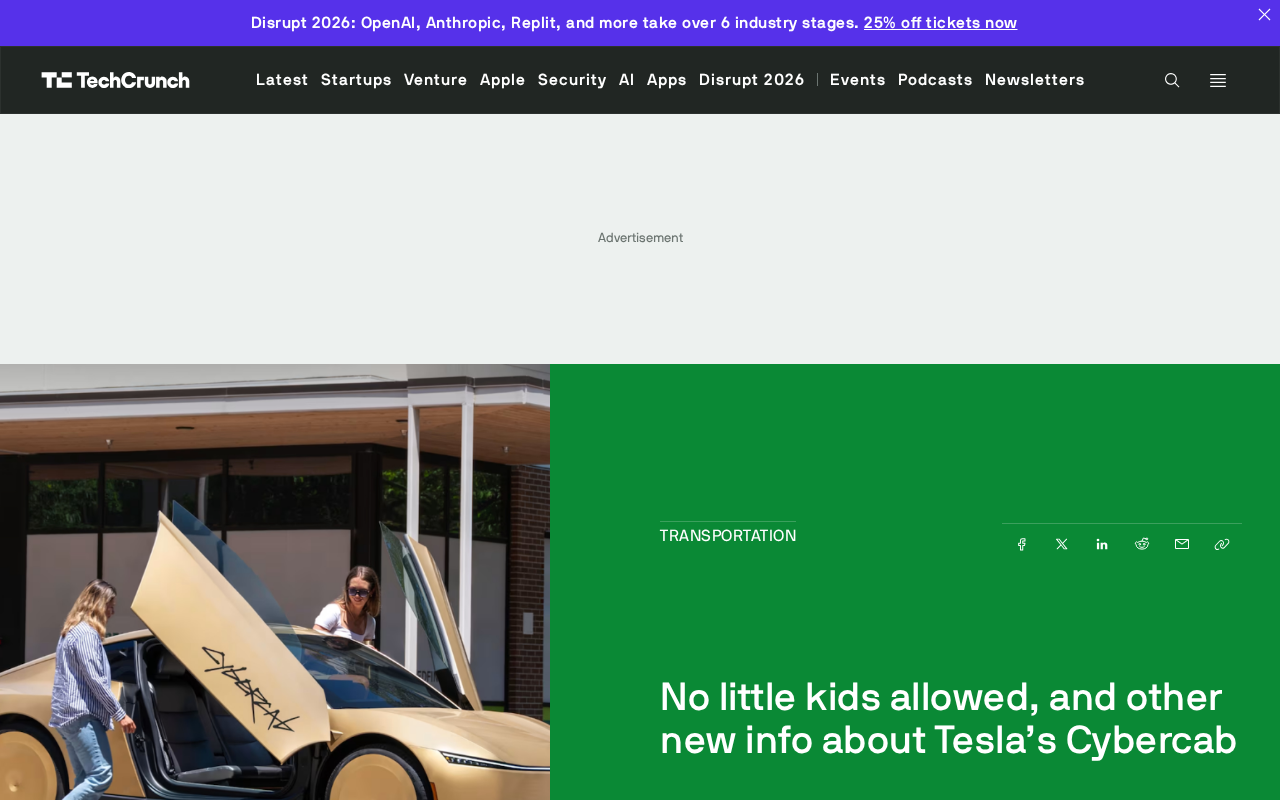
Tesla Cybercab Bans Children Under 13 — Even With a Parent Present
Tesla's Cybercab robotaxi bans riders under 13, even with a parent. The policy is stricter than Model Y robotaxis, driven by safety, liability, and operational concerns.
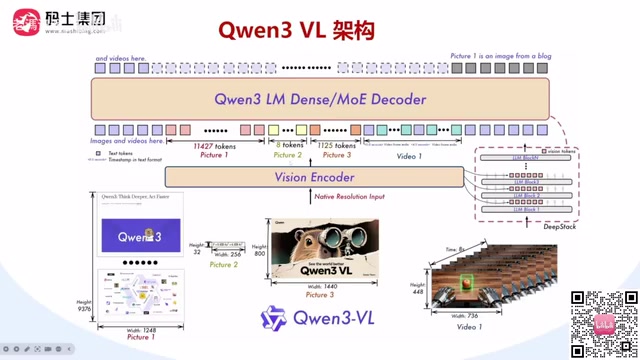
Qwen3-VL Local Deployment & Fine-Tuning in Practice: From Environment Setup to Circuit Board Recognition
A detailed guide to fine-tuning the Qwen3-VL vision-language model, covering VLM architecture, GPU selection, FlashAttention offline installation, circuit board dataset prep, and TF32 mixed-precision optimization.