New MacBook Pro Now Available for Pre-Order: OLED Touchscreen and the Return of the Glowing Logo
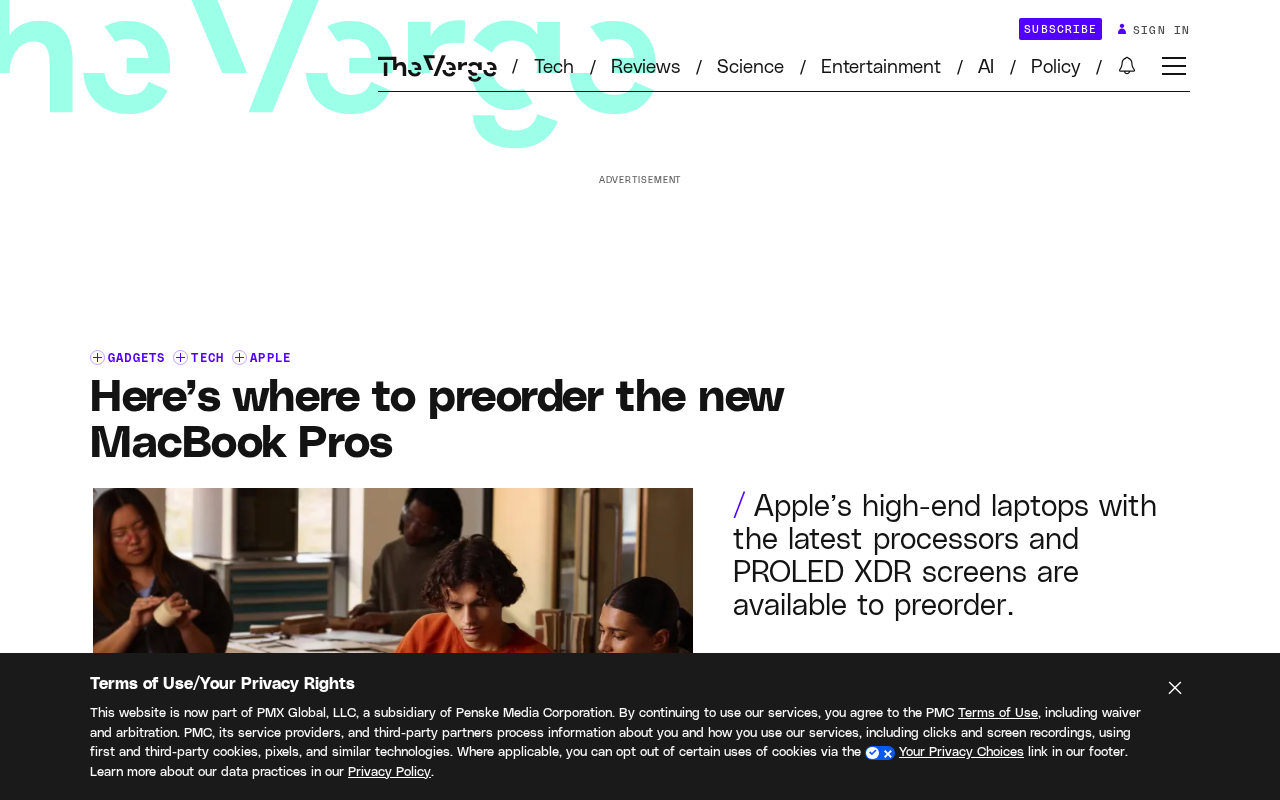
New MacBook Pro debuts Tandem OLED and full touch for the first time, with a lighter chassis and the glowing logo returning.
Apple unveiled the new 14-inch and 16-inch MacBook Pro at its "Pro and Tell" event. The biggest change is the Tandem OLED display, which stacks two emissive layers to boost brightness, extend lifespan, and reduce burn-in risk, while bringing full touch functionality to the MacBook lineup for the first time—signaling a possible shift in macOS interaction logic. The chassis is lighter and the glowing Apple logo returns. Apple also updated a 14-inch model likely positioned as an entry-level option, creating a price gradient. Pre-orders are open; the article suggests text-focused users consider discounted current models, while HDR color grading, design, or outdoor users should pay the premium for OLED and touch, and the 16-inch weight reduction is a clear plus for mobile work.
Apple officially unveiled the new 14-inch and 16-inch MacBook Pro at its recent "Pro and Tell" event. As previously rumored, the biggest change is the adoption of a Tandem OLED display, along with the introduction of full touch functionality to the MacBook lineup for the first time. The chassis has also gotten lighter, and the classic glowing Apple logo has made a comeback.
Display and Interaction: Tandem OLED Brings Touch Capability
The core upgrade of the new MacBook Pro is the screen. Tandem OLED technology was previously used on the iPad Pro; it works by stacking two light-emitting layers, which boosts brightness while extending panel lifespan and reducing the risk of burn-in. On the MacBook Pro, this means noticeably better HDR content display and outdoor visibility.
More notable is the addition of touch functionality. Apple has long adhered to a product philosophy that separates Mac from touch, so opening up full touch support on the Pro series signals a shift in macOS interaction logic. For video editing, 3D modeling, and drawing workflows, the combination of touch and trackpad may prove more efficient than relying on a mouse alone. However, Apple has not yet clarified whether touch will change the adaptation requirements for existing macOS apps.
Tandem OLED works by stacking two layers of RGB emissive layers in series within each pixel, doubling the number of light emissions at the same current, thereby achieving higher full-screen brightness and longer lifespan. The iPad Pro (M4) was Apple's first mass-produced device with this technology, reaching 1000 nits SDR full-screen brightness and 1600 nits HDR peak. For laptops, the tandem structure also reduces the drive current required per unit of brightness, helping to control power consumption and heat—particularly critical for the battery-sensitive MacBook Pro.
Adapting macOS for touch is not simply a matter of adding a touch layer. macOS has long treated the pointer as its primary interaction paradigm, with UI control sizes, hover states, and right-click menus all designed around the mouse. Opening up full touch would require apps to enlarge tap targets, support gesture scrolling, and replace right-click with long-press. Apple may handle some of this automatically through Mac Catalyst or new SwiftUI controls, but professional software (such as Final Cut Pro and the Adobe suite) would still need vendors to update proactively.
Design Changes: A Lighter Chassis and the Return of the Glowing Logo
Beyond the display, the new MacBook Pro has made two visible design adjustments. First, overall weight has decreased—a more practical improvement than spec numbers for users who commute daily with a 16-inch model. Second, the glowing Apple logo has returned. This design was discontinued on models after 2015 in favor of a polished metal logo; its comeback carries a clear sense of nostalgia and responds to the preferences of some longtime users.
The glowing Apple logo was removed from MacBook Pro models after 2015, mainly because the thinner chassis left insufficient space between the display backlight assembly and the rear cover, and the polished metal logo better fit the minimalist design language of the time. If the return is accurate, it may rely on the thinner module structure of Tandem OLED to free up internal space, or adopt an independent LED light-guide approach rather than the earlier method of drawing light directly from the display backlight.
Product Lineup: An Updated 14-Inch Model Also Debuts
The original article mentions that in addition to the two main 14-inch and 16-inch models, Apple also updated a 14-inch MacBook Pro. The description is brief, calling it "less exciting" without disclosing specific configuration differences. Judging by the product cadence, this model may play an entry-level or volume-driving role, creating a price gradient with the higher-end Tandem OLED touch versions.
Pre-Order and Buying Advice
The new MacBook Pro is now in the pre-order phase, and the original article provides a roundup of pre-order links across retail channels. For users still on the fence, here's how to decide:
- If your daily work is mainly text, code, and browsing, the marginal benefits of touch and OLED are limited, and the current models offer better value after price cuts;
- If you work with HDR video color grading, graphic design, or need outdoor use, the brightness and touch interaction of Tandem OLED are worth the premium;
- The weight reduction on the 16-inch model is a clear plus for mobile professionals—visit a store to feel the weight distribution before ordering.
Apple has not yet published the full spec sheet or China pricing for the new MacBook Pro, and pre-order page information may update by batch, so it's advisable to verify specific configurations and shipping times before ordering.
One-line Summary
The new MacBook Pro features a Tandem OLED display and full touch support for the first time, with a lighter chassis and the return of the glowing logo.
Paragraph Summary
At its "Pro and Tell" event, Apple unveiled the new 14-inch and 16-inch MacBook Pro. The biggest change is the Tandem OLED display, which stacks two emissive layers to boost brightness, extend lifespan, and reduce burn-in risk, while bringing full touch functionality to the MacBook lineup for the first time—signaling a possible shift in macOS interaction logic. The design features a lighter chassis and the return of the glowing Apple logo. Apple also updated a 14-inch model likely positioned as an entry-level option, creating a price gradient. Pre-orders are open; the article suggests text-focused users consider discounted current models, while HDR color grading, design, or outdoor users should pay the premium for OLED and touch, and the 16-inch weight reduction is a clear plus for mobile work.
Related articles

AI Agent Trust Crisis: Markdown Injection Attacks Have Moved from Lab to Reality
Security researchers document an in-the-wild Markdown injection attack: malicious document content is misclassified by AI agents as trusted instructions, executing unauthorized tool calls with full credentials. This article analyzes the attack mechanism, the root cause of ambient trust, and defense approaches for trust boundaries in production environments.
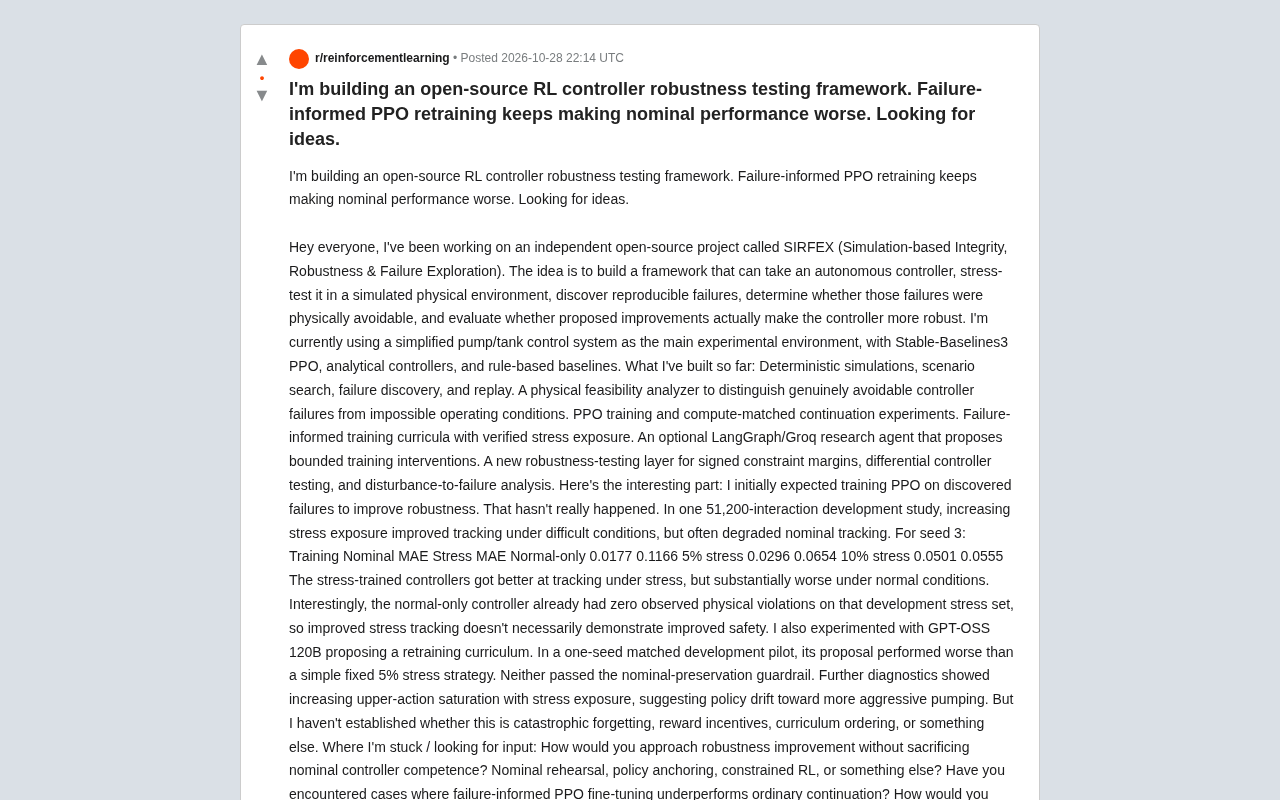
Open-Source Robustness Testing Framework SIRFEX: Why Does Failure-Driven PPO Retraining Hurt Nominal Performance?
Open-source framework SIRFEX fine-tunes PPO on failure scenarios, yet nominal performance degrades. We analyze the experimental data, causes of negative results, and the balance between robustness and nominal performance.

AI Gateway Introduces Virtual Models: Switch Models Without Changing Code
Vercel AI Gateway launches Virtual Models, abstracting model strings and configuration into reusable IDs so model switching needs no code changes or redeployment, with centralized governance of fallback, Zero Data Retention, and permission control.