OpenAI Partners with AARP to Teach 1,000 Seniors How to Use ChatGPT Safely
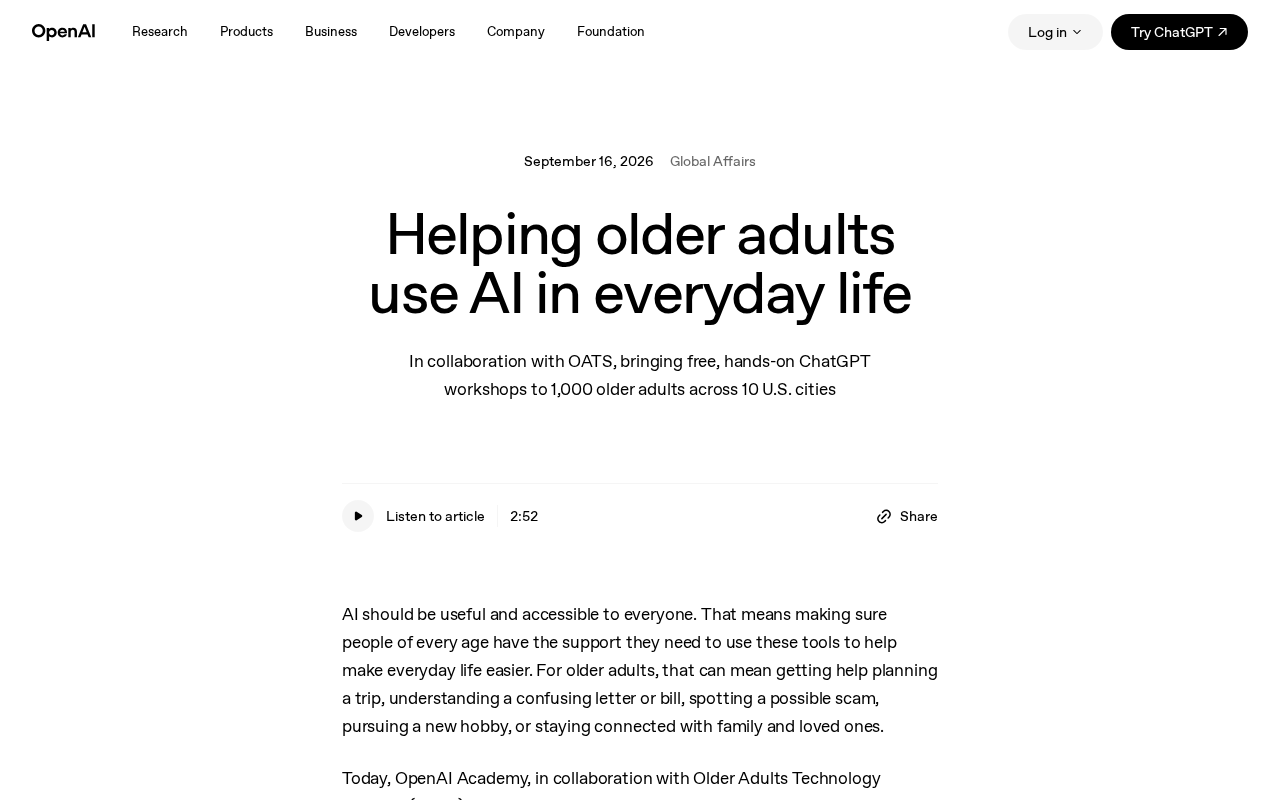
OpenAI and AARP launch free ChatGPT workshops for 1,000 seniors across 10 U.S. cities to bridge the digital divide.
OpenAI and AARP have announced a partnership to deliver free, hands-on ChatGPT workshops for 1,000 older adults across 10 U.S. cities. The program focuses on two pillars — practical use and safety: helping seniors build confidence with AI through real-world scenarios, while equipping them to spot misinformation, protect personal data, and guard against scams that disproportionately target older adults. From an industry standpoint, the initiative reflects both corporate responsibility and a strategic push into a demographic long overlooked by the tech sector. Though modest in scale, the program could serve as a replicable model for bringing AI to vulnerable and underserved populations at large.
OpenAI and AARP Join Forces to Bring AI to Older Adults
The AI wave is sweeping across every industry — yet one group is frequently left behind: older adults. They're often pushed to the margins during technological shifts like this one. OpenAI has now announced a partnership with AARP (American Association of Retired Persons) to offer free, hands-on ChatGPT workshops for 1,000 seniors across 10 U.S. cities, helping them learn to use AI tools safely and practically in their everyday lives.
Two keywords define this initiative: hands-on and safe. Rather than delivering broad tech lectures, these workshops put participants in front of the tools themselves — learning through real-world scenarios how AI can serve their everyday needs.
Why Focus on Older Adults?
As AI technology evolves at a rapid pace, the digital divide is growing more pronounced. Younger generations tend to adopt new tools with relative ease, while many older adults hesitate — deterred by a lack of guidance, fear of making mistakes, or concerns about security risks.
AARP, one of the largest organizations advocating for the interests of middle-aged and older Americans, has long championed the quality of seniors' digital lives. Its partnership with OpenAI signals that AI accessibility is moving beyond sloganeering — through in-person workshops that are direct and reachable, the initiative meaningfully lowers the barrier for older adults to engage with cutting-edge technology.
For many seniors, tools like ChatGPT can provide real, tangible help: writing assistance, information lookup, health-related questions, staying connected with family. The challenge is helping them set aside their reservations and build genuine confidence.
AARP (American Association of Retired Persons) was founded in 1958 and currently has more than 38 million members, making it one of the largest nonprofit membership organizations in the United States. It primarily serves people aged 50 and older, with influence spanning healthcare, retirement policy, and consumer rights — and a long track record of advocating for older Americans in Congress. This collaboration with OpenAI extends AARP's recent "digital inclusion" strategy. The organization has previously partnered with various tech companies on digital skills training, but a systematic partnership centered on generative AI is a first.
"Safety" Is a Core Part of the Curriculum
The partnership places particular emphasis on using AI safely — and that emphasis is worth noting. Older adults are disproportionately targeted by online scams and misinformation, and while AI tools bring new conveniences, they can also be exploited by bad actors.
Through face-to-face instruction, the workshops don't just teach participants how to use ChatGPT — they help seniors build the right mindset around AI: understanding its limitations, distinguishing reliable information from false claims, and protecting personal privacy. This "teach a person to fish" approach offers far more long-term value than simply handing over a tool.
The cybersecurity risks facing older adults involve a unique kind of vulnerability. FBI data shows that Americans aged 60 and older suffer the greatest financial losses from online fraud of any age group — exceeding $3.4 billion in 2023 alone. The rise of generative AI has spawned new threats: AI-generated voice cloning is being used to impersonate family members in scams, and AI-fabricated text and images are increasingly difficult to detect with the naked eye. By embedding "safe use" into the core curriculum, the workshops ensure participants don't just learn how to converse with ChatGPT — they also learn what personal information should never be entered into an AI system, how to verify AI-generated medical or legal advice, and how to recognize phishing attacks dressed up as AI tools.
The Real-World Case for AI Accessibility
From an industry perspective, OpenAI's move is both a corporate social responsibility effort and a strategic play to expand its user base. Older adults represent a large, long-underestimated market for tech companies — and as populations age, the digital needs of this group will only grow.
Reaching 10 cities and serving 1,000 seniors may be modest in scale, but as a pilot program, it charts a viable path for bringing AI technology to specific underserved populations. If the model proves effective, it could scale to more cities and reach far larger audiences.
True technological inclusivity isn't measured by how advanced a tool is — it's measured by whether people of all backgrounds and ages can actually benefit from it. The OpenAI–AARP collaboration offers a worthwhile case study in how AI can serve a broader cross-section of society.
Related articles
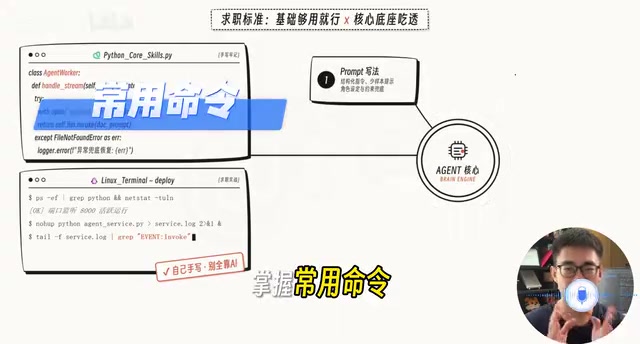
AI Agent Developer Job Hunt Guide: Four Hard Standards to Clear Before You Apply
A practical guide for landing AI Agent developer roles: four measurable standards — project runs, problems debuggable, solution explainable, interviews survivable.
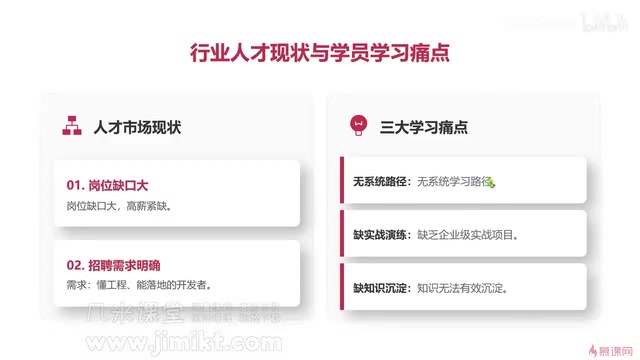
Multi-Agent Development Guide: From Monolithic AI to Team Collaboration in Practice
A beginner's guide to multi-agent development covering core advantages, common learning pain points, enterprise tech stacks, and engineering methodology for AI developers.
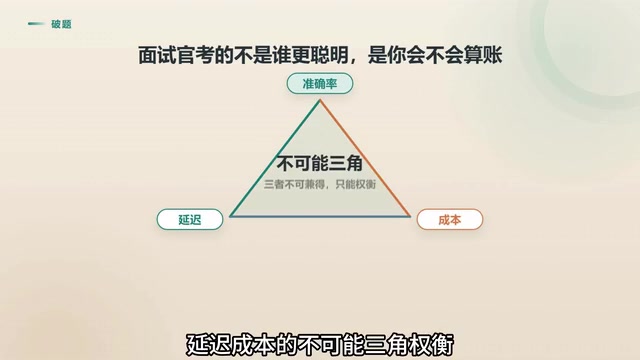
Agent Skill Routing: Retrieval vs. LLM vs. Two-Stage Architecture Compared
Retrieval or LLM for Agent skill routing? Compare coarse-filter vs. fine-select architectures on latency, accuracy, and cost — with 4 key production considerations.