OpenAI Restores 5-Hour Codex Quota for Plus Users: What It Means and Why It Matters
OpenAI restores the 5-hour Codex and Work mode quota for Plus users, reflecting compute, cost, and competitive pressures.
OpenAI has restored the 5-hour rolling usage quota for Codex and Work mode for ChatGPT Plus subscribers, relaxing limits that had previously been tightened. Codex powers code generation and execution, while Work mode covers high-token tasks like document processing and data analysis — both critical tools for developers and knowledge workers. The change likely reflects improved compute supply and competitive pressure from rivals like GitHub Copilot, Cursor, and Claude. However, OpenAI's quota policies have historically been volatile, and users should consider diversifying their tool dependencies in case limits shift again.
Overview
OpenAI recently announced the restoration of a 5-hour usage quota for Codex (its code assistant) and Work mode for ChatGPT Plus subscribers. This change means paid users can access these advanced features within a more generous time window, no longer constrained by the tighter limits that were previously in place.
For users who rely heavily on ChatGPT for coding assistance and workflow automation, this is a noteworthy signal — one that reflects OpenAI's ongoing balancing act between compute costs, user experience, and monetization strategy.

What Are the Codex and Work Quotas?
Codex: The Code Engine for Developers
Codex is the core component behind OpenAI's code generation and comprehension capabilities. Originally released as a standalone API, it has since been deeply integrated into ChatGPT's programming assistance features. It can generate code from natural language descriptions, explain existing code, suggest debugging fixes, and assist with refactoring.
For Plus users, Codex-related features are a key productivity tool. After the quota was tightened, many high-frequency developer users reported hitting the ceiling during intensive coding sessions, forcing unwanted interruptions to their workflow.
Work Mode: Quota Management for Productivity Scenarios
Work mode is designed more for office and productivity use cases — document processing, data analysis, task planning, and other complex, multi-turn interactions. These tasks tend to consume large numbers of tokens and require long context windows, so OpenAI typically applies a separate usage window and quota mechanism to them.
The "5-hour quota" generally refers to the number of requests or messages a user can send within a rolling 5-hour window. Restoring this quota effectively loosens the available allowance per unit of time, meaning users will less frequently encounter the dreaded "You've reached your limit, please try again later" message during continuous work sessions.
Why Is OpenAI Restoring the Codex Quota?
The Tug-of-War Between Compute Costs and User Experience
OpenAI has adjusted usage limits across various models and features multiple times over the past year, and the core logic has always revolved around the supply-demand tension around GPU compute. When demand for advanced models (such as the latest GPT releases) surges, the platform often temporarily tightens quotas to maintain overall service stability.
Restoring the 5-hour quota may signal that OpenAI has gained some relief on the compute supply side, or that it has re-prioritized the experience of its Plus subscribers — its most reliable revenue base. Over-restricting this group risks triggering subscription churn.
A Strategic Move in a Competitive Market
It's worth noting that the AI coding assistant market is intensely competitive right now. Products like Anthropic's Claude, GitHub Copilot, and Cursor are all actively vying for developer users. In this context, OpenAI relaxing Codex usage limits can also be read as a competitive move to retain and attract developers.
For users whose primary use case is programming, the generosity of usage quotas directly influences which platform they choose to stick with. Any quota tightening can become a push factor that drives users toward competing products.
Real-World Impact on Different User Groups
Developers: Better Continuity for Coding Work
The most direct beneficiaries are programmers who use ChatGPT for day-to-day development. With the restored quota, the likelihood of interruptions during large projects, continuous debugging sessions, or intensive code generation tasks drops significantly — improving the overall coherence of their workflow.
Knowledge Workers: More Usable Productivity Tools
For office users who rely on Work mode for document processing and data analysis, the more generous time window also means a smoother experience. Especially when handling long-running, multi-turn tasks, restoring the 5-hour quota reduces the frustration of being forced to wait.
Prospective Subscribers: A Factor in the Value Equation
For users still on the fence about subscribing to Plus, quota adjustments like this are an important input into their decision. The stability and generosity of feature limits tend to be directly tied to how worthwhile the monthly fee feels.
A Measured Take: The Uncertainty of Quota Policies
It's worth pointing out that OpenAI's usage limit policies have historically been quite dynamic. The word "restore" itself implies that a tightening happened in the first place — a reminder that any current quota commitments may shift again as compute conditions and business strategies evolve.
Judging from community discussions (this news received notable attention on Hacker News), user reactions are mixed: some welcome the restoration, while others express concern about the unpredictability of OpenAI's quota policies. This is a common challenge for all AI service providers — how to deliver a stable, competitive experience to millions of users under constrained compute capacity.
Conclusion
OpenAI's restoration of the 5-hour Codex and Work mode quota for Plus users may look like a minor quota tweak on the surface, but it reflects the complex balancing act between compute resources, costs, user experience, and competition that underpins AI services. For paying users, this is undoubtedly good news — but it's worth keeping a level head. In a world where AI compute remains a scarce resource, dynamic quota adjustments may well become the long-term norm. The truly resilient approach is to flexibly configure multiple tools based on your core needs, rather than betting your entire workflow on the quota policies of a single platform.
Related articles
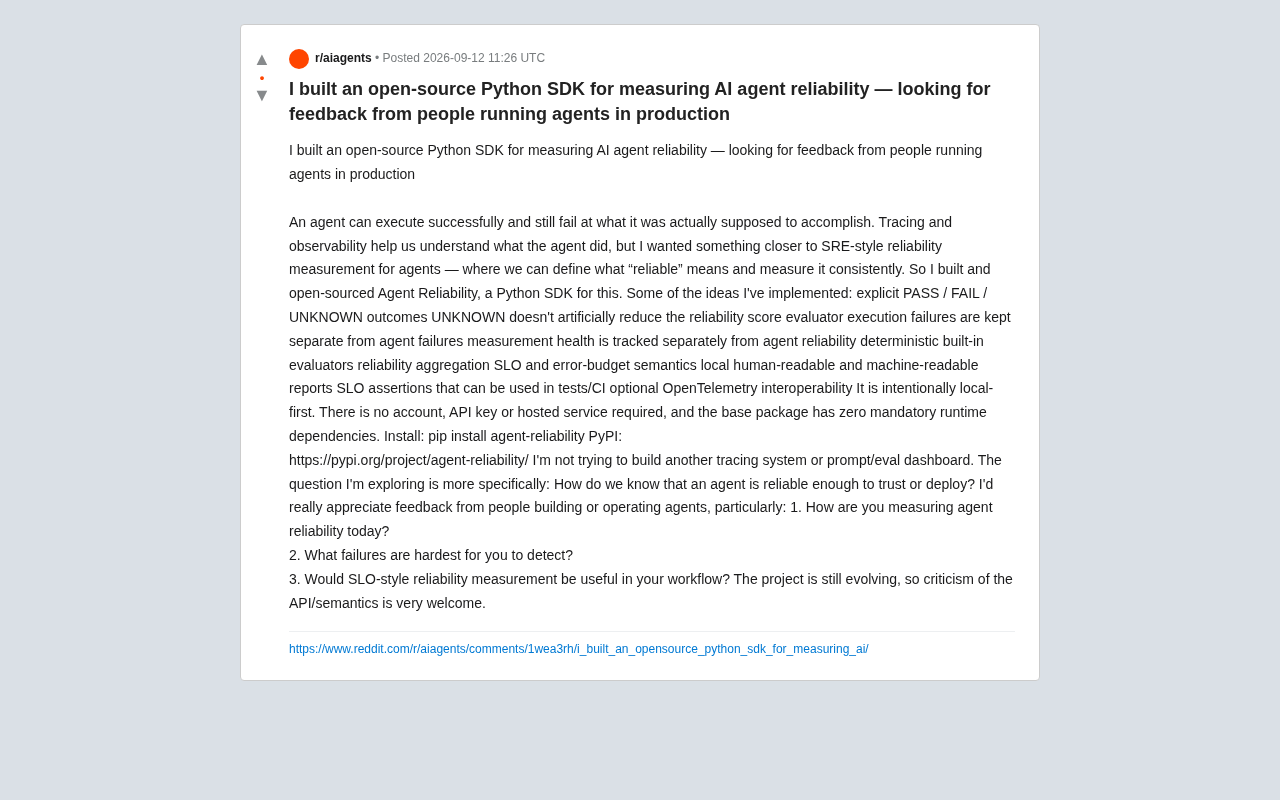
Open-Source Python SDK: Measuring AI Agent Reliability with SRE Principles
Agent Reliability is an open-source Python SDK that applies SRE's SLO and error budget concepts to AI Agent evaluation, with PASS/FAIL/UNKNOWN states, CI assertions, and zero forced dependencies.
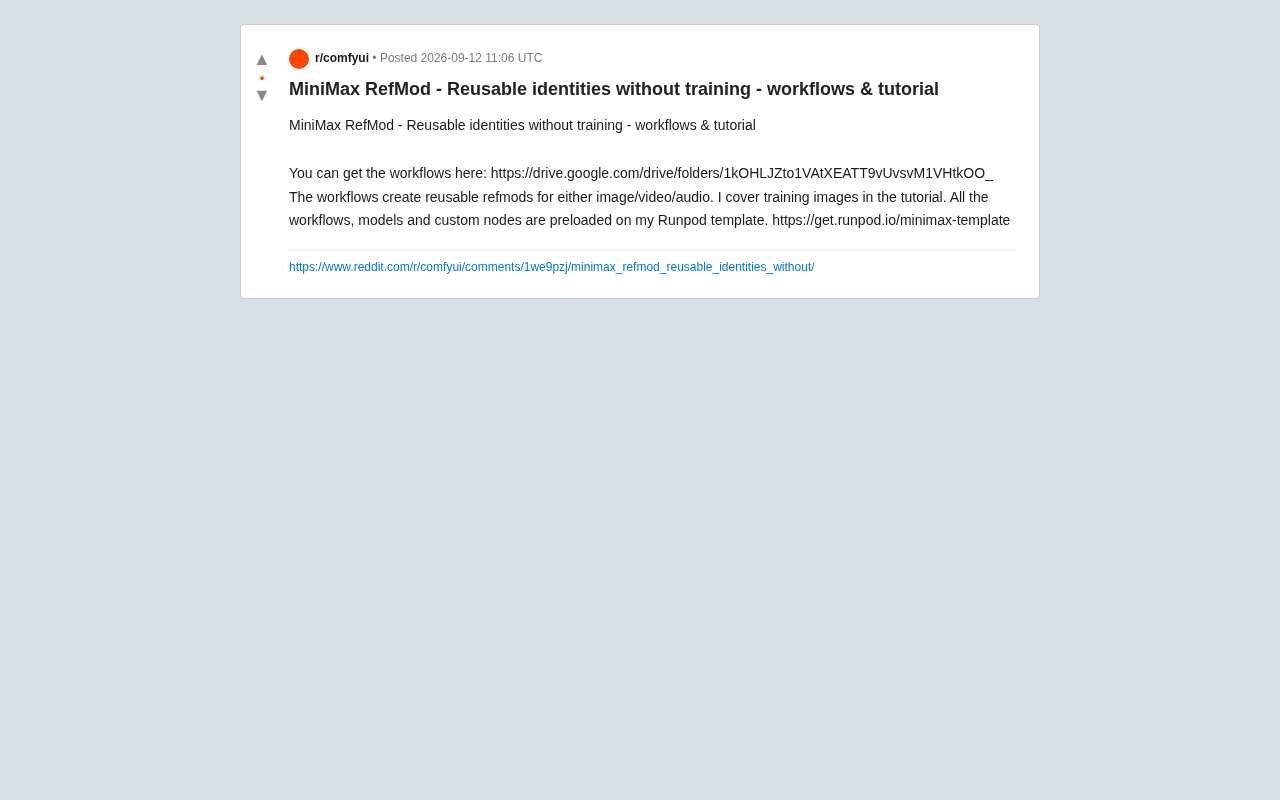
MiniMax RefMod: A Complete Guide to Training-Free Reusable Identity Workflows
MiniMax RefMod offers training-free reusable identity workflows for image, video, and audio generation. Includes Runpod template and tutorial for quick setup.

Invalid Source Material Notice
The source material provided lacks substantive information and is unrelated to AI/tech topics, making it impossible to produce a complete professional article.