OpenAI's New Voice Model: A Deep Dive into Real-Time Multilingual Simultaneous Interpretation

OpenAI's end-to-end voice model enables real-time simultaneous interpretation across multiple languages and speakers.
OpenAI's latest voice model ditches the traditional cascaded pipeline for an end-to-end architecture, enabling near-zero-latency bidirectional dialogue. Its standout feature is real-time simultaneous interpretation across multiple speakers and languages — demonstrated live with Cantonese, Spanish, and English — while accurately tracking who said what and seamlessly switching between translation and open conversation.
Voice Interaction Enters the Real-Time Era
OpenAI's latest voice model has pushed AI voice interaction to an entirely new level. Unlike the traditional turn-based interaction — where you finish speaking before the AI responds — the model's most fundamental breakthrough is this: it can listen and speak simultaneously, achieving near-zero-latency bidirectional conversation.
To appreciate the significance of this leap, it helps to understand the technical limitations that have constrained voice assistants over the past decade. Early voice assistants (like Siri and Google Assistant) relied on a Cascaded Pipeline Architecture — chaining four independent modules in sequence: Automatic Speech Recognition (ASR), Natural Language Understanding (NLU), text generation (LLM), and Text-to-Speech (TTS). The cumulative latency of each module meant total response delays typically ranged from 1 to 3 seconds — the root cause of that frustrating sense of disconnection. OpenAI's new model shifts to an End-to-End voice architecture, taking audio directly as both input and output, bypassing intermediate text conversion entirely and eliminating inter-module transfer delays at the architectural level.
In the official demo, an OpenAI team member directly asked the model: "Are you aware that we're talking about you?" The model's response was smooth and natural — a feat that hides enormous engineering complexity. As the team explained, the model "needs to be thinking and making decisions every millisecond, understanding the conversation and managing the flow of dialogue." This millisecond-level real-time processing relies on Streaming Inference: the model incrementally processes continuously incoming audio frames and begins generating output as soon as it reaches sufficient confidence, rather than waiting for the speaker to fully pause. This is the key to transforming interaction from "mechanical" to "natural."

For anyone who has followed voice AI closely, this shift is as significant as evolving from text chat to face-to-face conversation. Traditional voice assistants always carried that jarring "input — wait — output" rhythm. This new model is actively working to close that gap.
Multi-Person, Multilingual Real-Time Interpretation: The Showstopping Core Feature
The most talked-about scenario in the demo was real-time simultaneous interpretation across multiple speakers and multiple languages. The OpenAI team conducted a live test: three people seated together, each speaking a different language to describe their favorite foods.
It's worth noting that simultaneous interpretation has historically been one of the most demanding tasks in human translation — professional interpreters typically require years of specialized training and need to rotate every 20–30 minutes. The core challenge is predictive decoding: interpreters must anticipate a speaker's intent from incomplete sentences and simultaneously output the target language. For an AI system, this is further complicated by Speaker Diarization: the system must resolve in real time "who said what and when," with accuracy dropping significantly when multiple people speak at once — the classic "cocktail party problem."
A Cross-Language Conversation About Food
The presenter first instructed the model: "Please translate whatever language you hear into English in real time." The model immediately confirmed "Starting live translation now," and what followed was impressive:
- Alyssa described her favorite tomato mushroom omelette in English;
- Another speaker rattled off Cantonese dim sum favorites in Cantonese — har gow, lo mai gai, and boiled beef;
- Justin recommended al pastor street tacos with pineapple, cilantro, hot sauce, and lime in Spanish.

The most revealing moment came at the end: when the presenter asked the model to "summarize everyone's favorite foods," it accurately integrated information from three languages and three speakers, recapping each person's preferences in clear order — including every topping on Justin's loaded taco. The model correctly attributed each statement to the right speaker, demonstrating strong robustness in speaker tracking under the real-world conditions of a three-person roundtable.

Also worth noting: when asked "Do you have a favorite food?" the model replied with a touch of humor — "I don't eat, so I don't have personal preferences." This ability to seamlessly switch between translation tasks and free-form conversation made the entire interaction feel remarkably natural.
Why It Feels "Like Science Fiction"
The demo team repeatedly described an intuitive reaction: the system felt "like something out of a sci-fi movie." That's not hyperbole — it reflects several substantive technical breakthroughs.
Immersion Through Real-Time Delivery
The team noted that when translation arrives "almost the instant the other person finishes speaking," the whole experience becomes "more engaging — you actually feel like you're talking to the person." The noticeable delay of traditional translation tools makes conversation feel like exchanging telegrams; real-time translation restores the immediate, back-and-forth rhythm of natural human exchange.

"Thinking While Listening" Is the Key to Natural Feel
The team revealed the core mechanism behind the natural interaction: the model thinks in real time and can begin organizing a response even before the user finishes speaking. This capability is engineered through the coordination of Voice Activity Detection (VAD) and Incremental Decoding — the system continuously assesses whether the speaker is still talking while simultaneously initiating inference on already-received audio frames, rather than waiting for a complete pause before processing begins. Human conversation feels fluid precisely because we anticipate and formulate language while listening — this model is simulating that cognitive mechanism, fundamentally transforming the quality of human-computer interaction.
Use Cases and Possibilities
For travelers, real-time multilingual translation is "incredibly useful" — freely communicating with anyone in a foreign country, unconstrained by language barriers. Broader real-world applications include:
- International conferences and business negotiations: real-time simultaneous interpretation in multi-person, multilingual environments;
- Cross-language customer service and online education: breaking down language barriers in service and learning;
- Accessible communication: building instant bridges between people from different linguistic backgrounds.
Conclusion: A Qualitative Leap for Voice AI
Based on the demo, the core strength of OpenAI's new voice model lies not in any single feature, but in the synergistic integration of low latency, multilingual recognition, multi-speaker differentiation, and seamless switching between translation and open-ended conversation. At the architectural level, this represents a paradigm shift from cascaded pipelines to end-to-end models. At the user experience level, it moves voice AI from "functional" to "impressive" — and perhaps even "astonishing."
Of course, there remains a gap between a controlled lab demo and complex real-world environments (noisy backgrounds, regional accents, specialized terminology), and the model's stability in production settings awaits broader validation. But one thing is clear: when AI can truly "listen, think, and speak simultaneously," the line between human-computer dialogue and human-to-human conversation is growing increasingly hard to draw.
Related articles
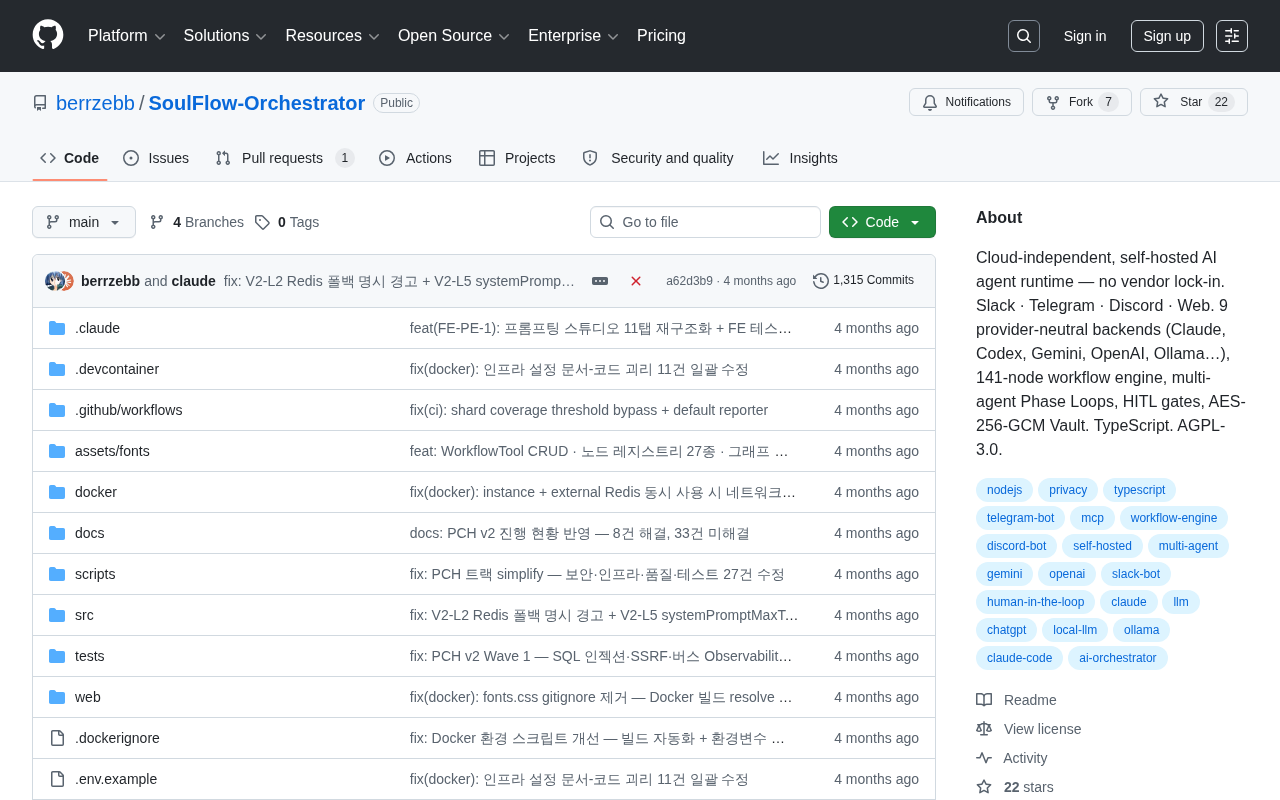
SoulFlow-Orchestrator: A Self-Hosted, Vendor-Lock-In-Free AI Agent Runtime
SoulFlow-Orchestrator is an open-source, self-hosted AI agent runtime with no vendor lock-in. Supports 9 neutral backends (Claude, OpenAI, Ollama), 141-node workflow engine, multi-agent loops, and HITL gates.
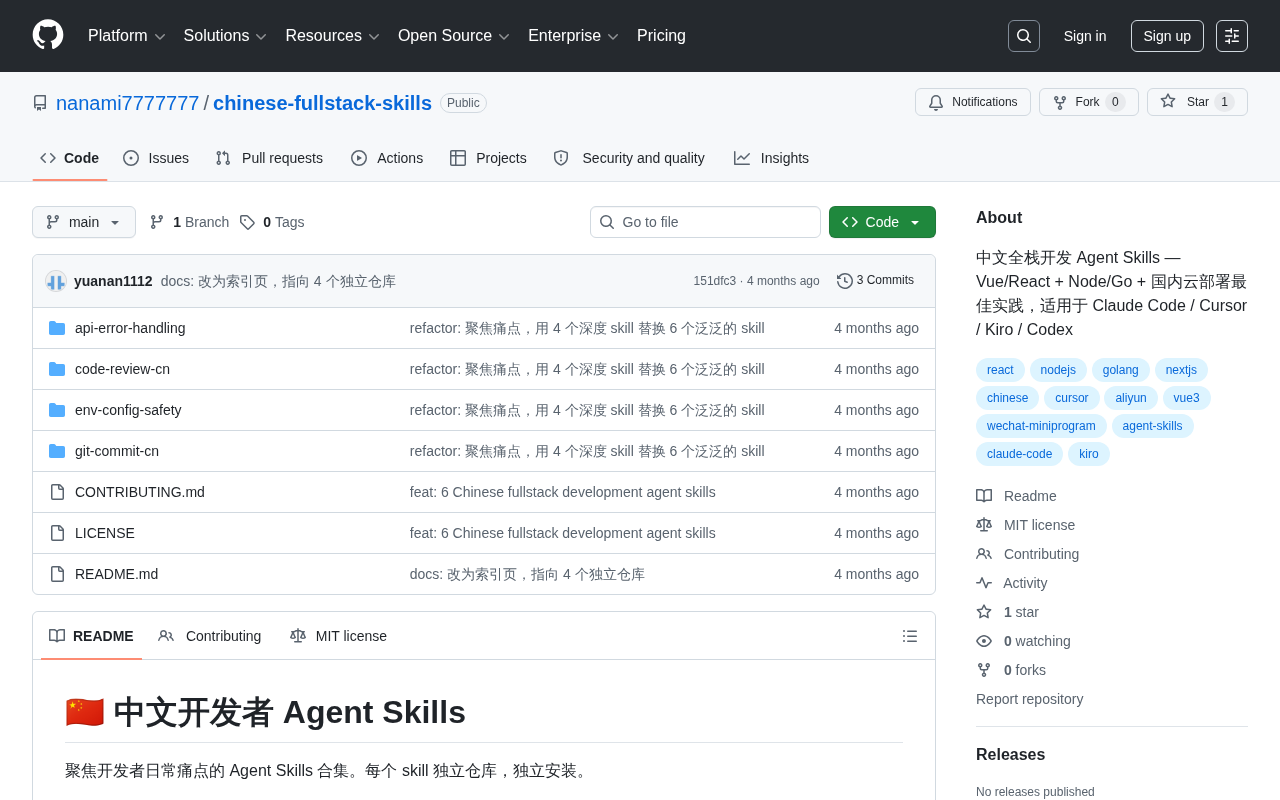
Chinese Full-Stack Agent Skills: A Skill Library Tailored for Domestic AI-Assisted Development
chinese-fullstack-skills is an Agent Skills library for Chinese full-stack development, covering Vue/React, Node/Go, and domestic cloud deployment best practices. Compatible with Claude Code, Cursor, Kiro, and Codex.
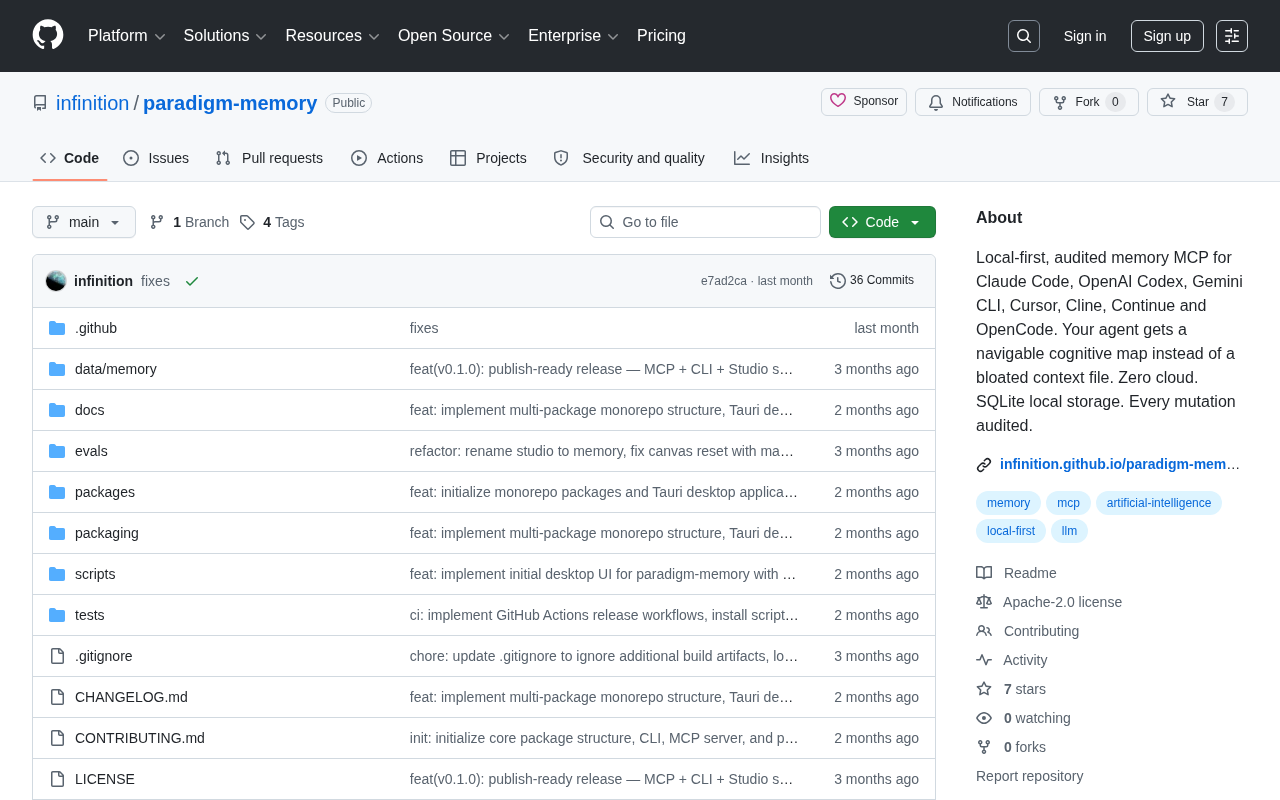
Paradigm Memory: A Local-First Memory System for AI Coding Assistants
paradigm-memory is a local MCP memory tool for Claude Code, Cursor, and Cline. It uses SQLite local storage, zero cloud, full audit trails, and a navigable cognitive map instead of bloated context files.