OpenAI Withdraws from Caltech Math Hackathon: The Full Story Behind the AI Math "Slop" Controversy
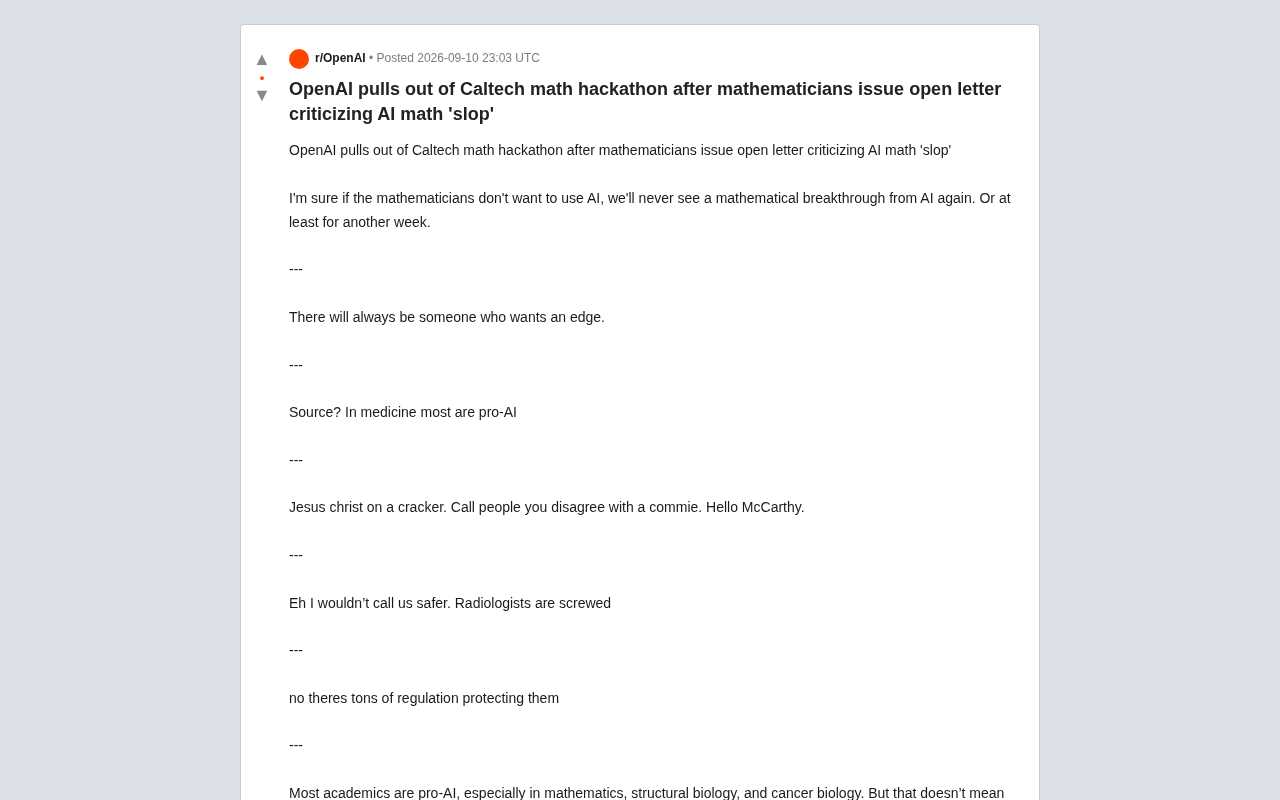
OpenAI exits Caltech math hackathon after mathematicians protest AI-generated "slop," exposing tensions between AI expansion and academic norms.
OpenAI withdrew from a Caltech mathematics hackathon after mathematicians co-signed an open letter calling AI-generated content "slop." The controversy centers not on AI itself, but on the lack of human review in AI outputs and concerns about companies covertly capturing users' research. Mathematicians worry that "paint-by-number" research habits could erode the discipline's creative rigor and talent development. OpenAI's retreat highlights the legitimacy gap AI companies face when entering specialized fields — technical capability alone isn't enough; trust must be built around quality standards, transparency, and attribution. The episode signals a new phase in AI-academia relations, one defined by greater scrutiny of the rules of collaboration.
How It Started: A Public Letter That Sparked a Withdrawal
OpenAI recently announced its withdrawal from a mathematics hackathon hosted by the California Institute of Technology (Caltech), after a group of mathematicians co-signed an open letter sharply criticizing AI-generated content in mathematics as "slop." The withdrawal quickly sparked heated debate across Reddit and other tech communities, bringing long-simmering divisions within academia over AI's role in serious mathematical research into full public view.
At its core, this controversy isn't a simple question of "whether AI is useful." It's a deeper conversation about the quality standards of AI-generated content, academic integrity, and the ownership of research outputs. When a massively valued AI company tries to push into mathematics — a field defined by rigor — the resistance it encounters reveals the genuine tension between technological optimism and academic tradition.
What Are the Mathematicians Actually Opposing?
You might not have noticed: the open letter wasn't opposing AI itself. As one participant in community discussions put it, "Most academics are actually pro-AI, especially in mathematics, structural biology, and cancer biology." That view earned considerable agreement — academia's attitude toward AI-assisted research is broadly open.
So what was the opposition actually about? The discussions offered a clear answer:
- Lazy outputs that no human has bothered to review: "But that doesn't mean they have to accept sloppy garbage that clearly no one has read through once."
- The covert theft of research outputs: "Or a company brazenly stealing research from the people using it."
In other words, what the mathematicians are protesting is a loss of quality control and a violation of their rights — not the direction of the technology. When AI-generated mathematical "proofs" or conclusions are pushed toward the public without rigorous validation by human experts, it fundamentally conflicts with the rigor that the discipline depends on. Unlike many fields, mathematics has almost no middle ground — a proof is either correct or it isn't — which is exactly why "slop" feels so particularly offensive here.
The Worry About "Paint-by-Number" Mathematics
The sharpest comment in the community discussion came from a practicing mathematician: "It's genuinely off-putting to see my peers embrace this 'paint-by-number' style of mathematics so quickly."
The metaphor is precise. Paint-by-number refers to an activity where you mechanically fill in pre-designated areas without any real understanding or creativity. When mathematical research degrades into a pipeline of posing questions to AI and copy-pasting the output, the essence of mathematics as an exploratory, creative discipline is at risk of being hollowed out.
This concern is not unfounded. The value of mathematics lies not only in arriving at correct conclusions, but in the insights, methodological innovations, and rigorous thinking embedded in the process of getting there. If researchers grow accustomed to outsourcing their thinking to AI, it could, over the long term, erode the entire discipline's capacity for innovation and the quality of how the next generation is trained.
The Industry Anxiety Behind the Controversy
The community discussion also reflects broader industry sentiment. Some argued that "there will always be people who want to get there first," implying that regardless of academic resistance, competitive commercial pressure will keep driving AI deeper into academia. Discussion also extended to other professional fields — in healthcare, for instance, "most people support AI," yet someone pointedly noted that "radiologists are in trouble," reflecting the complex feelings different professions have about the impact AI will have on them.
The discussion also saw people attacking each other from opposing positions, with some joking that the atmosphere was reminiscent of McCarthyism-era "labeling." This illustrates that AI's entry into professional domains is no longer a purely technical question — it now touches on job security, professional dignity, and identity, making it a genuinely sensitive issue.
What Does OpenAI's Withdrawal Tell Us?
OpenAI's decision to step back after the controversy erupted is itself worth examining. As one of the most influential companies in AI, its retreat can be read in several ways:
A pragmatic PR calculation. Pushing forward in the face of strong opposition from a core academic community would only deepen the conflict and damage the possibility of long-term collaboration. Withdrawing is damage control, not an admission of defeat.
The emergence of a "legitimacy" problem. When AI companies enter highly specialized fields, technical capability matters — but to genuinely earn recognition from professional communities, they also need to build trust around quality standards, transparency, and attribution of outputs.
A new phase in norms around collaboration. This may signal that the relationship between AI and academia is entering a more cautious period, one that places greater emphasis on rules of engagement. As one comment half-jokingly put it: "If mathematicians don't want to use AI, we probably won't see any AI-driven mathematical breakthroughs — or at least not for a week." That line captures both an optimism about AI's capabilities and an implicit judgment that no single withdrawal will stop the technology's advance.
Finding the Boundaries of Coexistence
At its heart, this episode is about the friction between AI's rapid expansion and the established norms of professional disciplines. The mathematicians' protest is not about keeping AI out — it's a demand that AI's involvement must respect the core values of the discipline: rigor, transparency, and creativity.
For companies like OpenAI, the lesson is that entering any professional field can't be accomplished through technological force alone. It requires building mutual trust with practitioners in that field and jointly defining what role AI should play and where its limits lie. And for the AI industry as a whole, this episode is a reminder that the "slop" problem — the risk of AI generating large volumes of low-quality, unvetted content — will be a central challenge that must be confronted head-on as the technology moves into deployment.
The real breakthrough may not lie in whether AI can independently solve hard mathematical problems, but in whether human experts and AI can find a mode of collaboration that preserves the dignity of the discipline while unlocking the potential of the technology.
Related articles
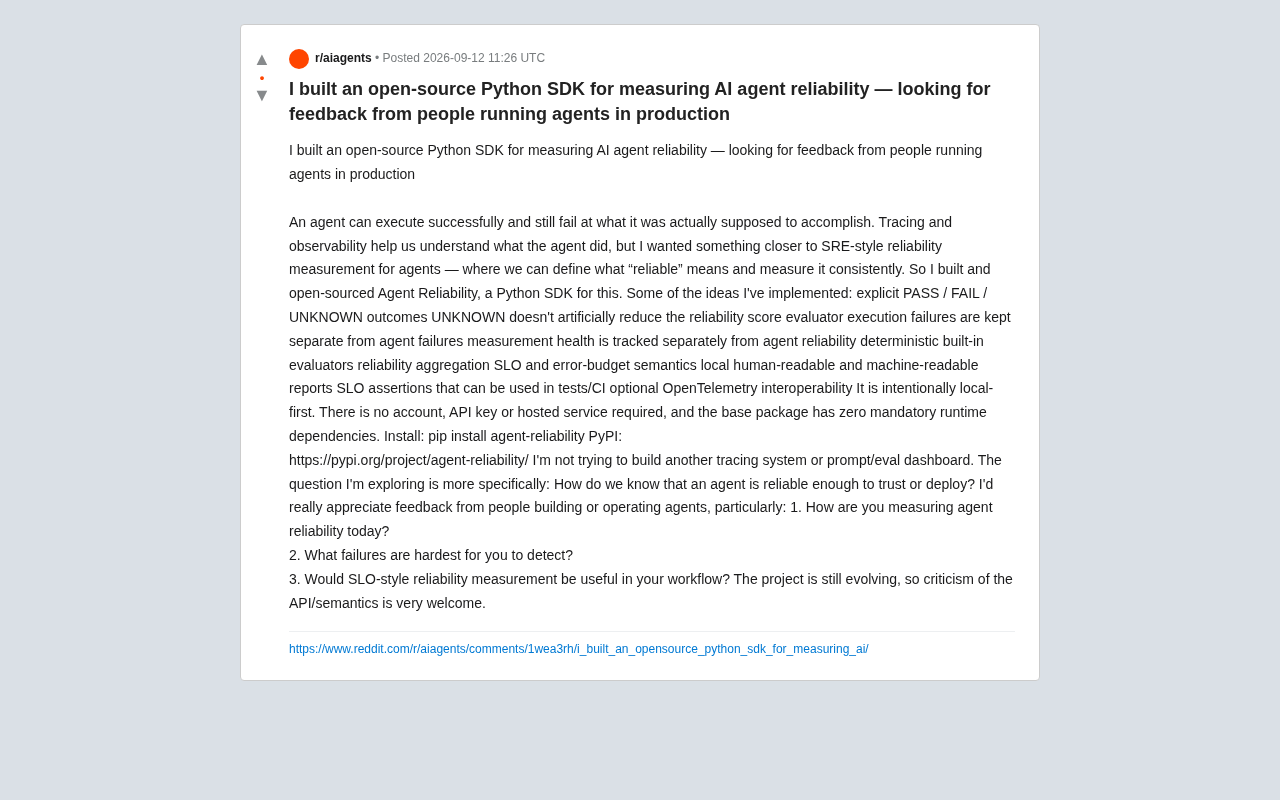
Open-Source Python SDK: Measuring AI Agent Reliability with SRE Principles
Agent Reliability is an open-source Python SDK that applies SRE's SLO and error budget concepts to AI Agent evaluation, with PASS/FAIL/UNKNOWN states, CI assertions, and zero forced dependencies.
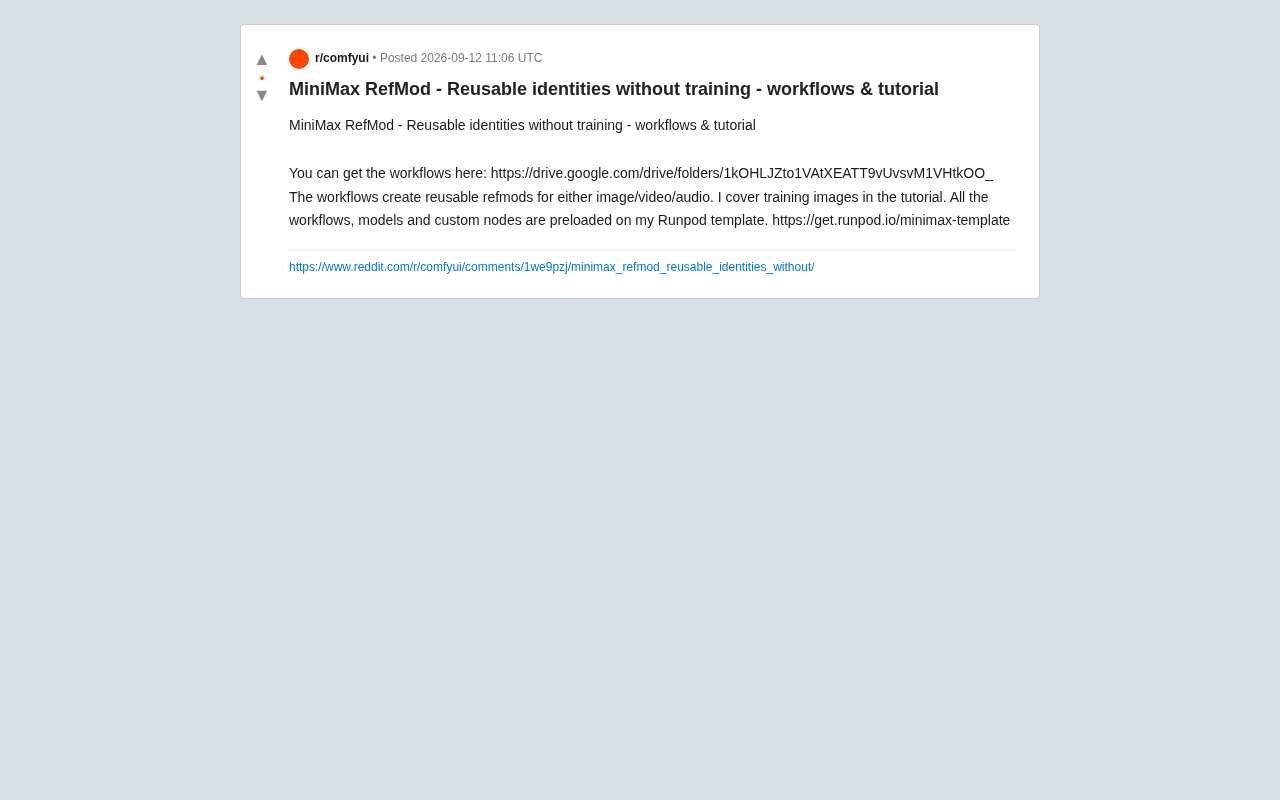
MiniMax RefMod: A Complete Guide to Training-Free Reusable Identity Workflows
MiniMax RefMod offers training-free reusable identity workflows for image, video, and audio generation. Includes Runpod template and tutorial for quick setup.

Invalid Source Material Notice
The source material provided lacks substantive information and is unrelated to AI/tech topics, making it impossible to produce a complete professional article.