OzBrain: A Shared Knowledge Base for Every AI Agent
OzBrain is a shared, encrypted knowledge layer that lets all your AI agents read and write the same brain.
OzBrain targets the "context silo" problem that arises when using multiple AI tools in parallel, positioning itself as the "Dropbox for agent knowledge" — a shared layer that all AI agents and teammates can read from and write to. When starting a new conversation, the AI can immediately access the team's existing work without repeated copy-pasting. The product makes two explicit data sovereignty commitments: content is encrypted and never used for model training, and users can export everything as Markdown at any time with no vendor lock-in. It launched on Product Hunt with 84 upvotes and ranked #11 for the day, addressing a genuine knowledge management pain point in the multi-agent era — though cross-tool integration, automated maintenance, and team permission management still await real-world validation.
When AI Agents Work in Silos, How Does Knowledge Flow?
Using multiple AI tools simultaneously has become the norm — one model for writing code, another for organizing notes, yet another for research. But a problem quickly emerges: these agents are isolated from each other, each maintaining its own disconnected context. Information you've carefully built up in one conversation has to be recreated from scratch when you switch to another tool.
OzBrain is a product built squarely around this pain point. It launched on Product Hunt with 84 upvotes and 7 comments, landing at #11 on the day's leaderboard, and is categorized under Notes, Storage, and Artificial Intelligence. Its creator is Darius A Monsef IV.
"The Dropbox for Your Agent Knowledge"
OzBrain positions itself as "the Dropbox for your agent knowledge." The core idea is straightforward: every AI agent you use reads from and writes to the same "brain," and your teammates and their agents share that same knowledge.
This means when you start a brand-new conversation, the AI already knows what you and your team have accomplished before — no more copying and pasting context repeatedly. The product specifically emphasizes that all of this works "without you having to actively maintain it" — it claims to run automatically even when you're not "operating" it, reducing the cognitive burden of knowledge management.
For the classic team collaboration problem of "knowledge silos," this design philosophy offers an AI-centric solution: knowledge no longer lives inside a specific tool or in someone's memory, but instead accumulates in a shared layer accessible by all agents.
Knowledge Silos are a classic challenge in team collaboration — information gets trapped within specific tools, departments, or individuals and can't flow freely. Before the explosion of AI tools, the problem was typically addressed through wikis, documentation platforms, or enterprise knowledge bases. In the multi-agent era, the issue has become even more fragmented: different AI applications have almost no native context-sharing mechanisms, and every new session starts from zero by default. Protocols like MCP (Model Context Protocol, introduced by Anthropic) are attempting to solve agent interoperability at the technical level, but for everyday users, this kind of infrastructure remains opaque. OzBrain's approach is to provide a "middle layer" at the application level — rather than relying on deep integration between AI platforms, it lets all tools read from and write to a user-owned knowledge base, effectively bypassing the technical hurdles of interoperability.
Encryption, No Training, and Export Anytime
OzBrain makes several explicit commitments around data sovereignty — a key differentiator from many AI products.
Data is encrypted and never used for training: Whether it's your intellectual property, research materials, a private sci-fi romance novel, or casual notes, the product states that all content is encrypted and "I won't use it to train models." At a time when users are increasingly sensitive about data privacy, this kind of pledge directly addresses a core concern.
Export anytime, no lock-in: OzBrain lets users export their knowledge as Markdown and walk away at any time. The creator explicitly states that user knowledge shouldn't be locked into any platform — "including OzBrain itself." This anti-vendor-lock-in stance is notably candid in a SaaS ecosystem that typically optimizes for user retention.
Vendor Lock-in in the SaaS world refers to a situation where a user's data or workflows are so tightly bound to a particular platform that migration costs are prohibitively high, creating passive dependency on that provider. In AI products, this risk is especially pronounced: conversation history, memory, and personalized preferences are often stored in proprietary formats on the provider's servers — if a user stops subscribing or the platform shuts down, all accumulated context is lost. Supporting Markdown export is an industry-recognized "data portability" practice — Markdown, as a plain-text format, can be read by virtually any editor, note-taking app, or AI tool without platform-specific parsing. This design philosophy aligns with local-first tools like Obsidian, whose core argument is that a user's knowledge assets should belong to the user, not the platform.
The Promise and the Open Questions
From a product logic standpoint, OzBrain has identified a real and increasingly pressing need in the multi-agent era. As people rely on multiple AI assistants simultaneously, a unified knowledge layer that spans tools and teams has genuine potential. The commitments around encryption, no training, and exportability also address the trust issues that matter most to today's AI users.
That said, as an early-stage product, much of the real experience remains to be validated: how exactly different AI agents connect to and interact with this shared "brain," how well the automated maintenance actually works, and whether permission management and conflict resolution in team settings are smooth — these all require real-world use to determine. 84 upvotes suggests it resonates with a segment of users, but it's still far from large-scale validation.
For individuals and small teams who frequently switch between multiple AI tools and care about data autonomy, OzBrain's approach is worth watching. It represents a broader trend: knowledge management in the AI era is shifting from being organized around a specific application to being organized around the user themselves — portable and accessible across agents.
Related articles
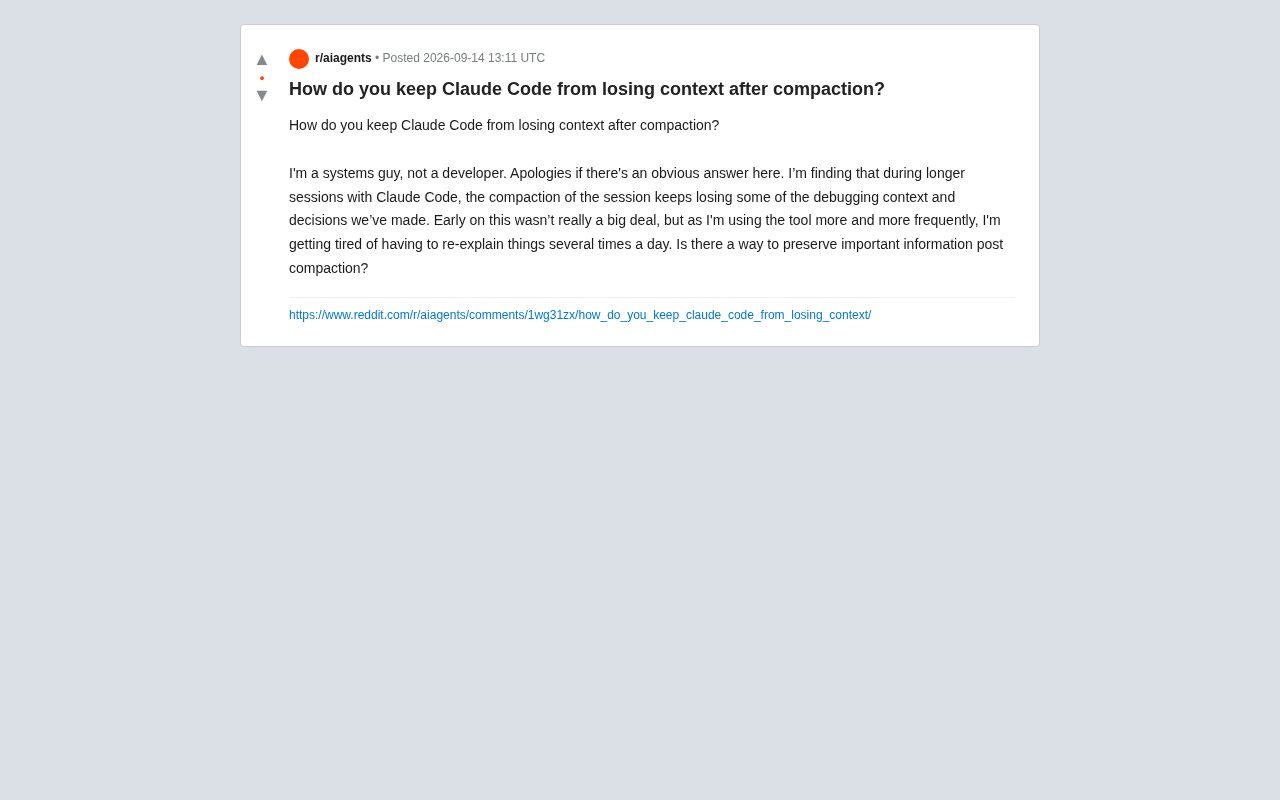
Losing Memory After Claude Code Context Compaction? Practical Solutions Explained
Claude Code losing debugging context after compaction? Learn how CLAUDE.md persistent memory, manual /compact control, session splitting, and external records solve the problem.
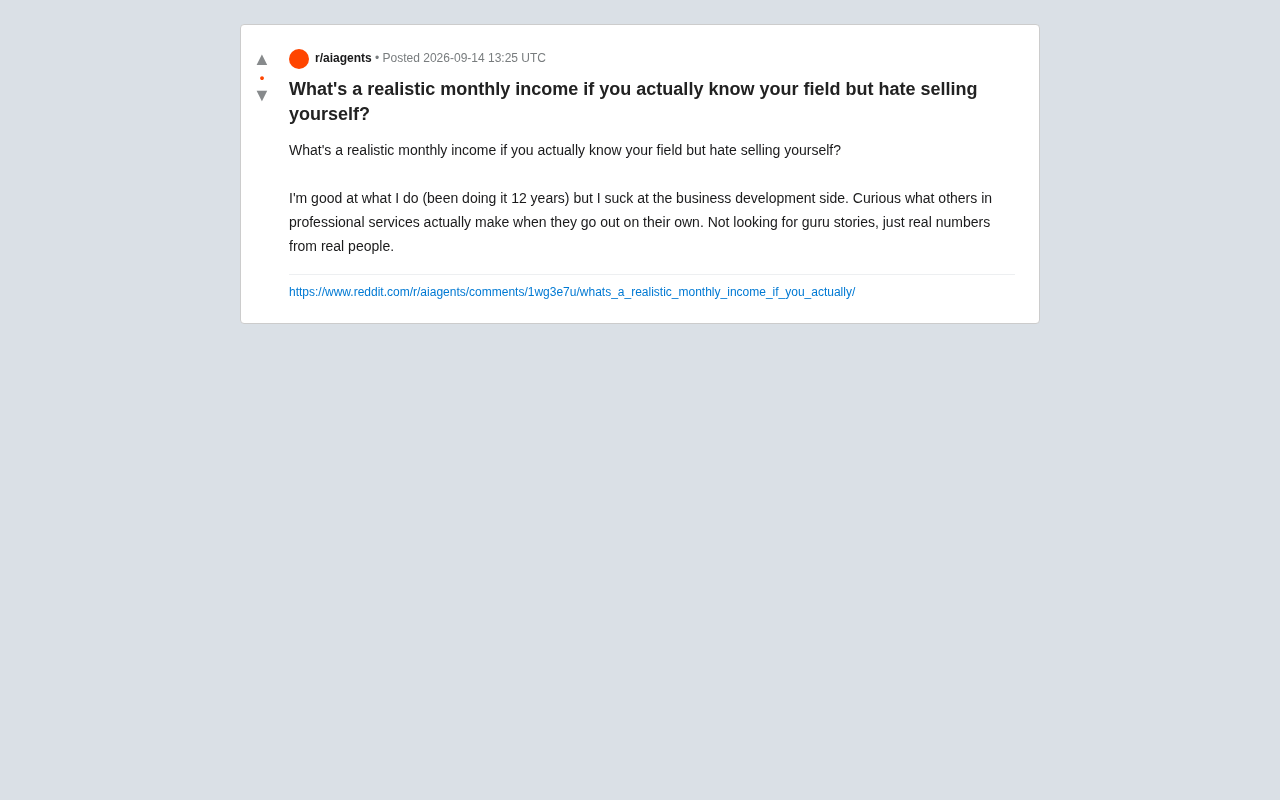
Great at the Work, Bad at the Hustle: A Realistic Look at Monthly Income for Independent Professionals
Can a 12-year professional who hates self-promotion earn well independently? Explore real Reddit insights on income expectations and non-sales client acquisition paths.
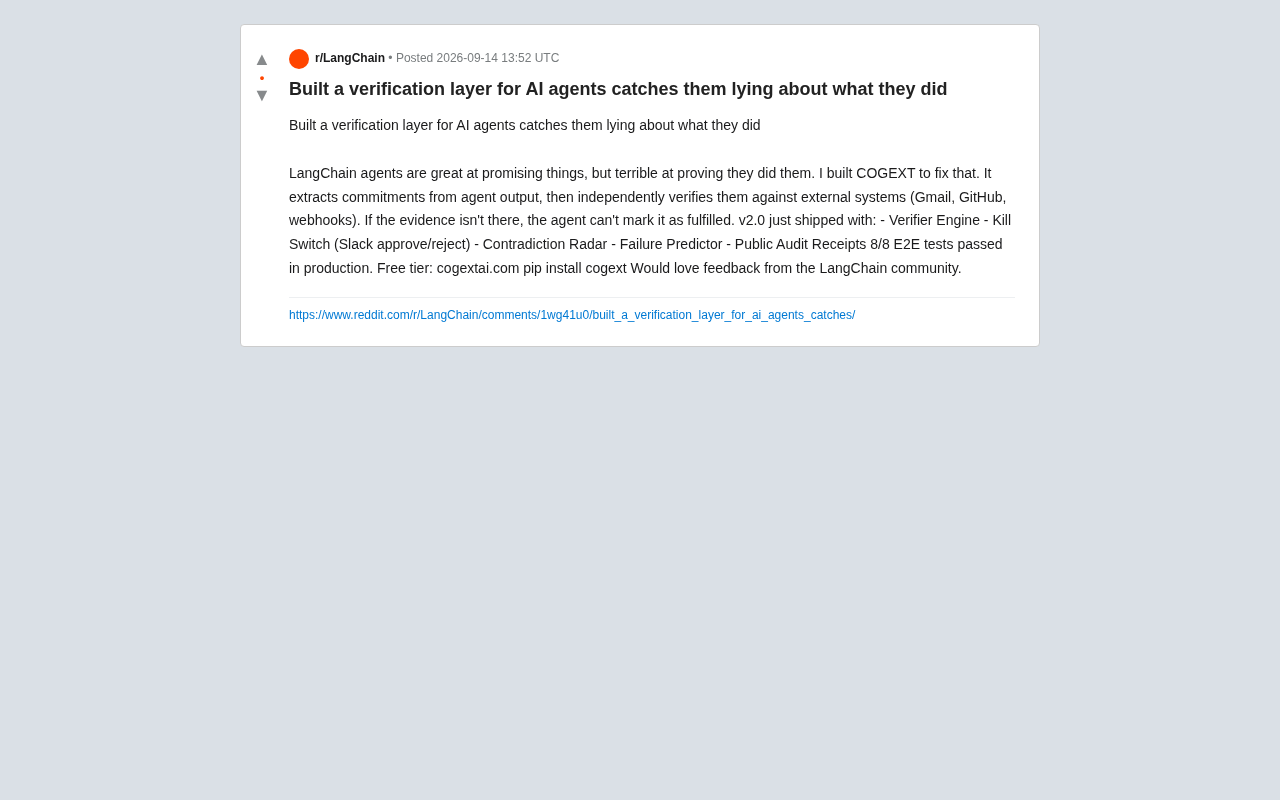
COGEXT: A Verification Layer That Gives AI Agents a "Lie Detector"
COGEXT is a verification layer for AI Agents like LangChain that extracts commitments and cross-checks them against Gmail, GitHub, and other external systems to catch agents lying about task completion.