postmarketOS Rebrands as Nura: A Second Life for Old Phones

postmarketOS rebrands as Nura, doubling down on sustainability to extend software life for old phones.
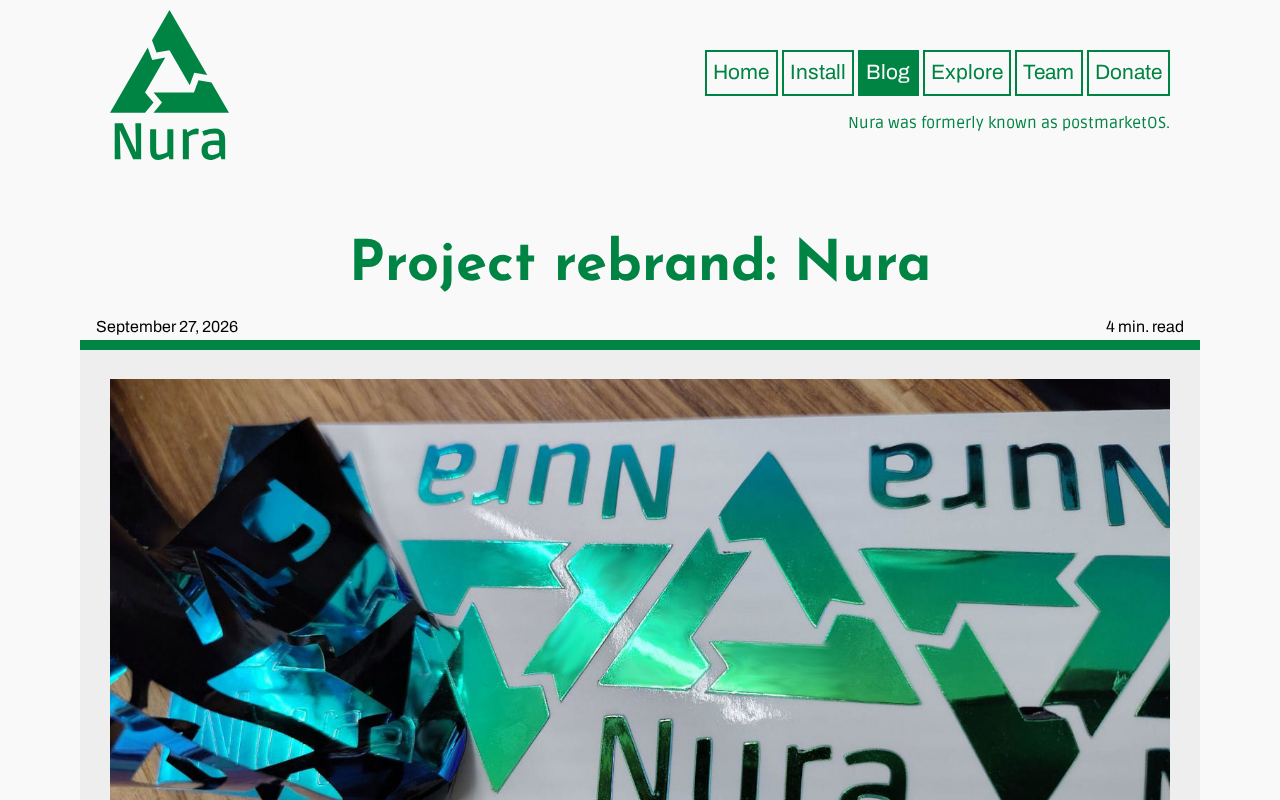
The open-source mobile OS postmarketOS has officially rebranded as Nura, launching with a .eco domain that places sustainability and e-waste reduction at the core of its identity. The old name was accurate but limiting; Nura is cleaner, more memorable, and better positioned for a wider audience. The technical foundation remains unchanged — built on Alpine Linux, supporting over 250 discontinued devices — with the goal of breaking the manufacturer "planned obsolescence" cycle. The rebrand drew positive attention on Hacker News and is seen as an upgrade in vision, not a shift in direction.
postmarketOS Gets a Brand Makeover
postmarketOS, the open-source mobile operating system focused on extending the lifespan of aging smartphones, has officially rebranded as Nura. The announcement sparked discussion on Hacker News, where the post received 154 upvotes and 39 comments — a clear sign of strong community interest.
For anyone who's followed the mobile Linux ecosystem, postmarketOS needs little introduction. Built on the lightweight Alpine Linux, it aims to give smartphones abandoned by their manufacturers a continuously updated operating system, pushing back against forced device obsolescence. This rebrand marks an important identity shift as the project matures.
Why the Name Change?
The shift from postmarketOS to Nura reflects more than cosmetic change — it signals a repositioning of the project's identity. The original name clearly communicated the concept of a "post-market operating system" — software support for devices no longer in the mainstream market. While accurate, that framing also risked pigeonholing the project as merely a "secondhand device rescue" effort.
The new name, Nura, is cleaner and more independent, and the adoption of a .eco domain clearly doubles down on the project's sustainability and environmental values. Keeping old devices running and reducing e-waste is itself a form of green activism. The modernized branding also opens the door to attracting a broader user base and potential partners down the road.
Why Open Source Projects Rebrand
Open source projects typically rename themselves for a few common reasons: shedding the cognitive baggage of an old name, avoiding trademark or naming conflicts, communicating a clearer mission, or laying groundwork for commercial growth and ecosystem expansion. Nura is easier to remember and spread, and better suited as a long-term brand identity.
Why Mobile Linux Matters
In a mobile world dominated by Android and iOS, projects like Nura fill a unique niche. For commercial reasons, manufacturers typically stop pushing system updates after a few years, leaving perfectly capable hardware to become "bricked" or turn into security liabilities.
Nura (formerly postmarketOS) aims to break that cycle by offering the longest possible software lifespan for every supported device. This is about more than technical freedom and full user control — it directly addresses the growing global crisis of electronic waste. Choosing a .eco domain puts that environmental mission at the very heart of the brand.
postmarketOS (now Nura) is built on Alpine Linux and uses musl libc and busybox in place of GNU components, making the entire system extremely lightweight — capable of running smoothly on older devices with as little as 512MB of RAM or less. The project uses the pmbootstrap toolchain to manage cross-device porting, and currently supports over 250 devices, including discontinued models from Samsung, Sony, Xiaomi, and other major brands. On the UI side, Nura supports multiple desktop environments, including the touch-optimized Phosh (based on GNOME), Plasma Mobile, and the more lightweight Sxmo — selectable based on hardware capability. This modular architecture sets it apart technically from Android-based alternatives like LineageOS, which still relies on Android's HAL (Hardware Abstraction Layer). Nura, by contrast, aims to run a native Linux kernel, giving users complete control over the underlying system.
Community Reaction and What's Next
Judging by the discussion on Hacker News, the rebrand has generated meaningful attention from the community. For any open source project, a name change is both an opportunity and a challenge — it requires rebuilding brand recognition and migrating documentation, repositories, and user habits, but it also provides a chance to retell the project's story and broaden its reach.
For everyday users, the key question remains: will the project's technical roadmap, device support, and update cadence stay stable after the rename? Based on what's available so far, Nura carries forward the same open-source principles and technical foundations as postmarketOS. The rebrand is more of an upgrade in identity and vision than a change in direction.
As sustainable consumption gains traction and people reconsider how long their devices should last, projects like Nura stand to win more support. The next challenge will be maintaining a vibrant open-source community while getting the message — "extend device life, reduce e-waste" — through to a much wider audience.
E-waste is one of the fastest-growing categories of solid waste on the planet. According to the UN Environment Programme, the world generates roughly 50 million tonnes of electronic waste annually, with smartphones contributing significantly due to short upgrade cycles and poor repairability. The EU has already passed the Ecodesign Regulation and is advancing "right to repair" legislation for phones, requiring manufacturers to provide longer software support and spare parts availability. In this context, Nura's software-based approach to device longevity complements the hardware repairability movement — even when manufacturers stop pushing updates, a community-maintained OS can fill the security and functionality gap, ensuring a physically intact phone doesn't get discarded simply because its software has aged out.
Related articles

NVIDIA's 30,000 Developers Use Cursor, Code Commit Volume Triples
Cursor engineer Chris Diaz breaks down five organizational gaps blocking enterprise AI coding scale—strategy, risk tiering, governance, metrics, and operating model. NVIDIA's 30,000 developers use Cursor daily, tripling code commits while defect rates stay flat. The key: rewrite the SDLC, not add tools.

Ponytail: Giving AI Coding Agents a Senior Engineer's Mindset
Ponytail is a free GitHub tool that injects a senior engineer's mindset into AI coding agents, making them ask whether code is even necessary first. According to TamilDeck, it can compress 200 lines of AI-generated code to 30, cutting token costs, with support for Cursor rules and Claude Code skill integration—though security review still requires human oversight.

Complete Guide to Connecting Cursor AI to the GitHub MCP Server
A step-by-step guide to connecting Cursor AI to the GitHub MCP server: create a personal access token, configure mcp.json, store the token in the ENV block, and verify with a PR query.