SGLang v0.5.20 Released: High-Performance LLM Inference Engine Keeps Iterating
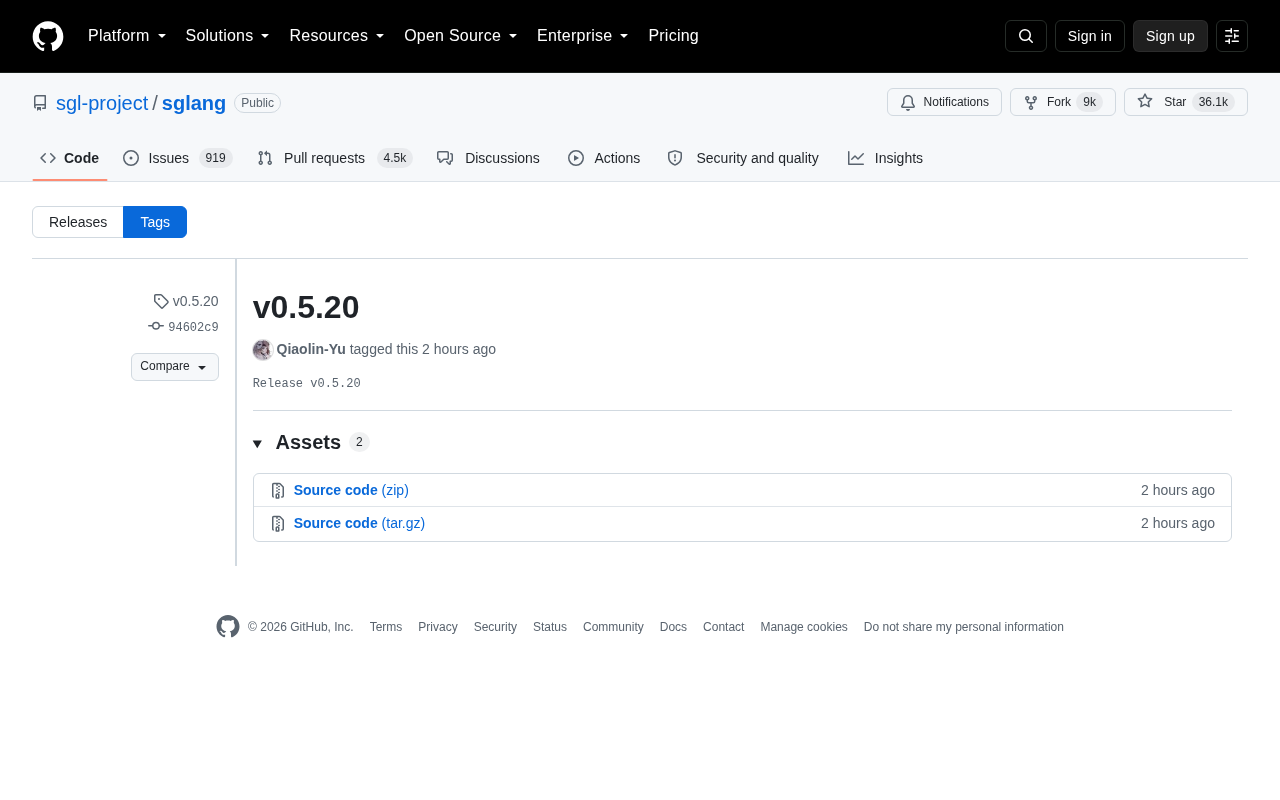
SGLang releases v0.5.20, continuing rapid iteration of its high-performance LLM inference engine with RadixAttention.
SGLang has released v0.5.20, the latest update in its open-source LLM inference framework's 0.5.x series. Built around Structured Generation Language and an efficient runtime, SGLang uses RadixAttention for KV cache prefix reuse, reducing latency and boosting throughput in multi-turn and batch inference scenarios. With over 36.1k GitHub stars and a near-weekly release cadence, the project demonstrates rapid support for new model architectures and quantization schemes. Teams deploying or evaluating LLM inference infrastructure should review the official Release Notes for compatibility details before upgrading.
SGLang v0.5.20 Released
The open-source large language model inference framework SGLang has released version v0.5.20. As one of the most closely watched LLM serving engines today, SGLang is maintained by the sgl-project team and has accumulated over 36.1k stars and 9k forks on GitHub, reflecting a highly active community. This release was tagged by maintainer Qiaolin-Yu, continuing the project's tradition of rapid, frequent iteration.
For developers focused on large model deployment and inference performance optimization, SGLang is one of the foundational infrastructure choices you simply can't overlook. It specializes in Structured Generation Language and an efficient inference runtime, delivering high throughput while minimizing latency — making it widely adopted in large-scale online inference scenarios.
What Is SGLang
SGLang is a high-performance serving framework for large language models and vision-language models. Its core value lies in the deep co-design between the frontend programming interface and the backend inference runtime. Through techniques like RadixAttention, it enables efficient reuse of KV caches, significantly boosting performance in multi-turn conversations, complex prompt orchestration, and similar use cases.
Compared to traditional inference solutions, SGLang's design philosophy emphasizes both "serviceability" and "programmability." Developers can use it to quickly build high-concurrency inference services, while also leveraging its structured generation capabilities to precisely control the format and flow of model outputs. This dual positioning has driven its widespread adoption in production environments.
RadixAttention is one of SGLang's core innovations. The idea is to organize and index the KV Cache (key-value cache) using a prefix tree (Radix Tree) data structure. In traditional inference approaches, every request requires recomputing the KV values for the entire prompt. RadixAttention, by contrast, identifies shared prefix segments across different requests and directly reuses cached computation results. This is especially impactful in scenarios with fixed system prompts, multi-turn conversations, or batch document Q&A — dramatically reducing redundant computation, improving overall throughput, and lowering Time to First Token (TTFT). Structured Generation refers to constraining model outputs to strictly conform to specific formats such as JSON Schema, regular expressions, or custom grammars. This is critical for downstream applications that require reliable parsing of model outputs.
The Significance of the v0.5.x Series
The version number v0.5.20 signals that SGLang is currently in a phase of intensive iteration within the 0.5.x series. Minor version updates like these typically focus on three areas: performance optimization, support for new model architectures, and stability fixes.
The competition among open-source inference frameworks ultimately comes down to "keeping up" — when new model architectures or quantization schemes emerge, the ability to provide efficient support quickly often determines a framework's real-world competitiveness. SGLang's near-weekly release cadence speaks to the team's ability to respond rapidly to community needs.
For users, staying current with these updates means getting the latest performance improvements and model compatibility support as soon as they land. That said, it's worth noting that production upgrades should always be preceded by a careful review of the official Release Notes to verify specific changes and any potential compatibility implications.
Quantization is a major direction in inference optimization today. It involves compressing model weights from high-precision floating-point representations (e.g., FP16/BF16) to lower-precision formats (e.g., INT8, INT4, or even lower bit-widths), trading off accuracy for reduced memory footprint and faster computation. Common quantization methods include GPTQ, AWQ, and FP8, each offering different trade-offs between precision loss and inference speedup. How quickly an inference framework supports new quantization formats directly affects whether users can deploy compressed models in production without delay. SGLang's high-frequency release pace is largely driven by the need to rapidly track new releases from major model families like Llama, Qwen, and Gemma, as well as emerging quantization techniques from the community.
How to Get and Upgrade
Users can obtain v0.5.20 release assets from the project's GitHub Releases page, or upgrade to the latest version directly via a package manager. Before upgrading, it's recommended to consult the detailed release notes in the official documentation for the corresponding version, and confirm that no breaking changes affect the features you depend on.
For teams evaluating inference frameworks, SGLang's 36.1k stars and active contributor community are meaningful indicators of project health and long-term maintainability. The sustained high-frequency release cadence also signals that the project will remain actively maintained for the foreseeable future.
Summary
SGLang v0.5.20 is another milestone in the project's steady evolution. While the specific changes in this release require a look at the full changelog, the project's overall activity level, community size, and iteration pace make SGLang a must-watch piece of open-source infrastructure in the LLM inference and deployment space. For developers and teams pursuing high-throughput, low-latency inference, keeping a close eye on its version releases is a smart move.
Related articles
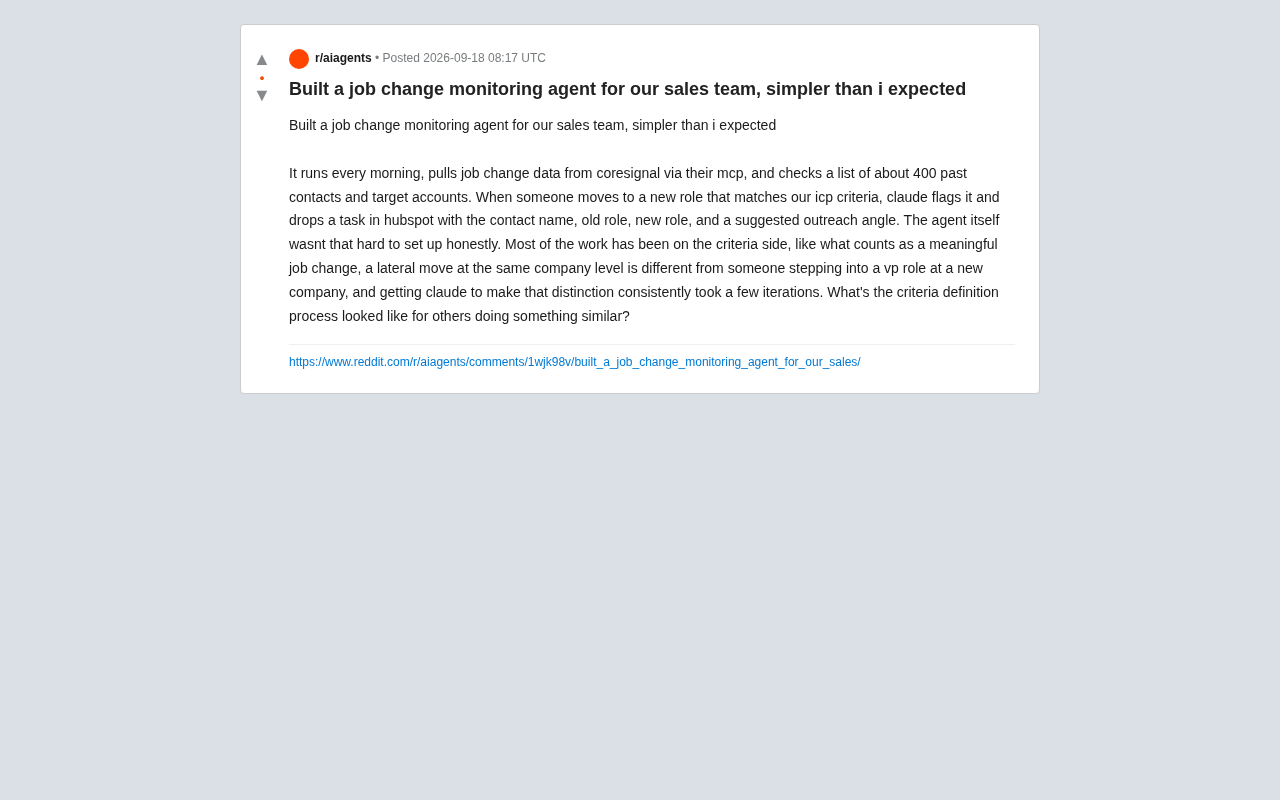
Using an AI Agent to Monitor Customer Job Changes: A Sales Team Automation Case Study
A Reddit user shares how he built a job change monitoring agent using Claude, MCP, and HubSpot to track 400 contacts daily and surface high-value sales signals.
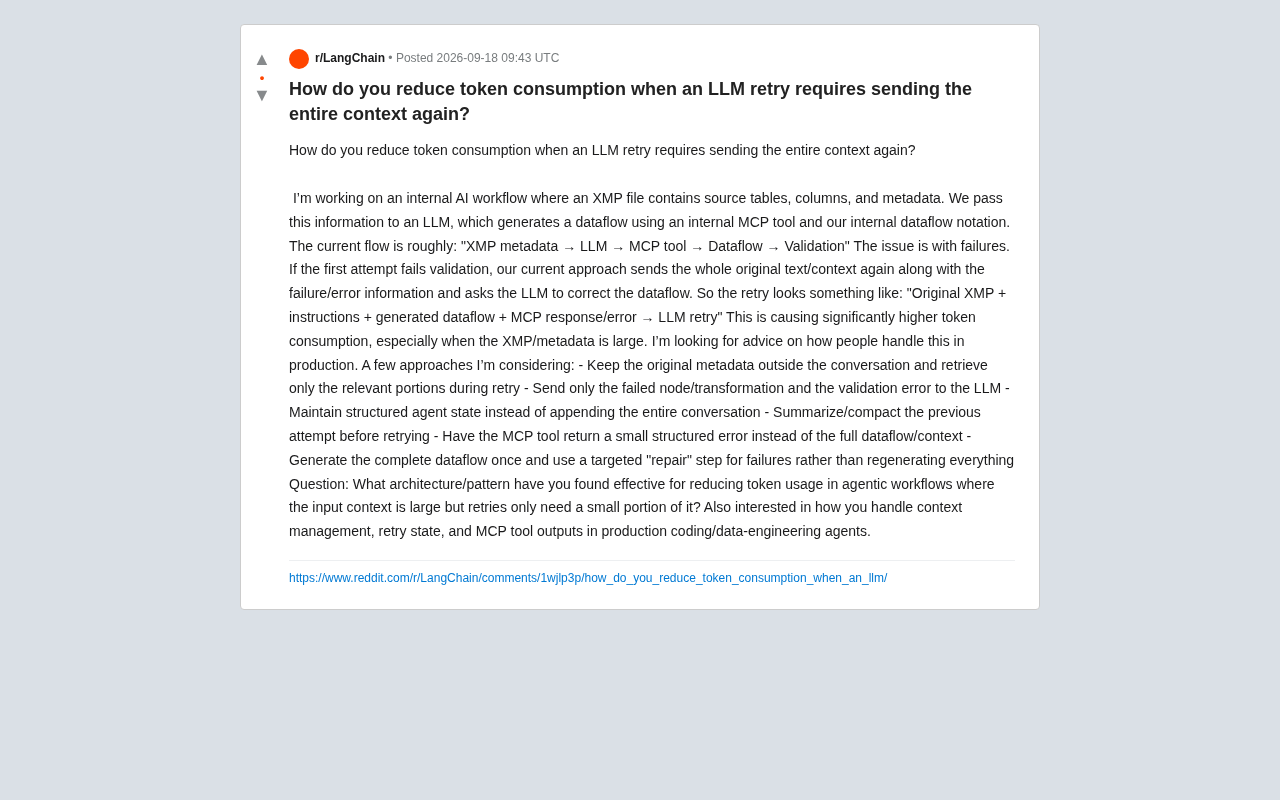
How to Save Tokens on LLM Retries? Optimization Strategies for Large-Context Agent Workflows
Resending full context on LLM retries causes token costs to explode. This article covers six optimization strategies for large-context Agent workflows, including decoupling generation from repair, external context retrieval, structured state management, and lean MCP tool output.
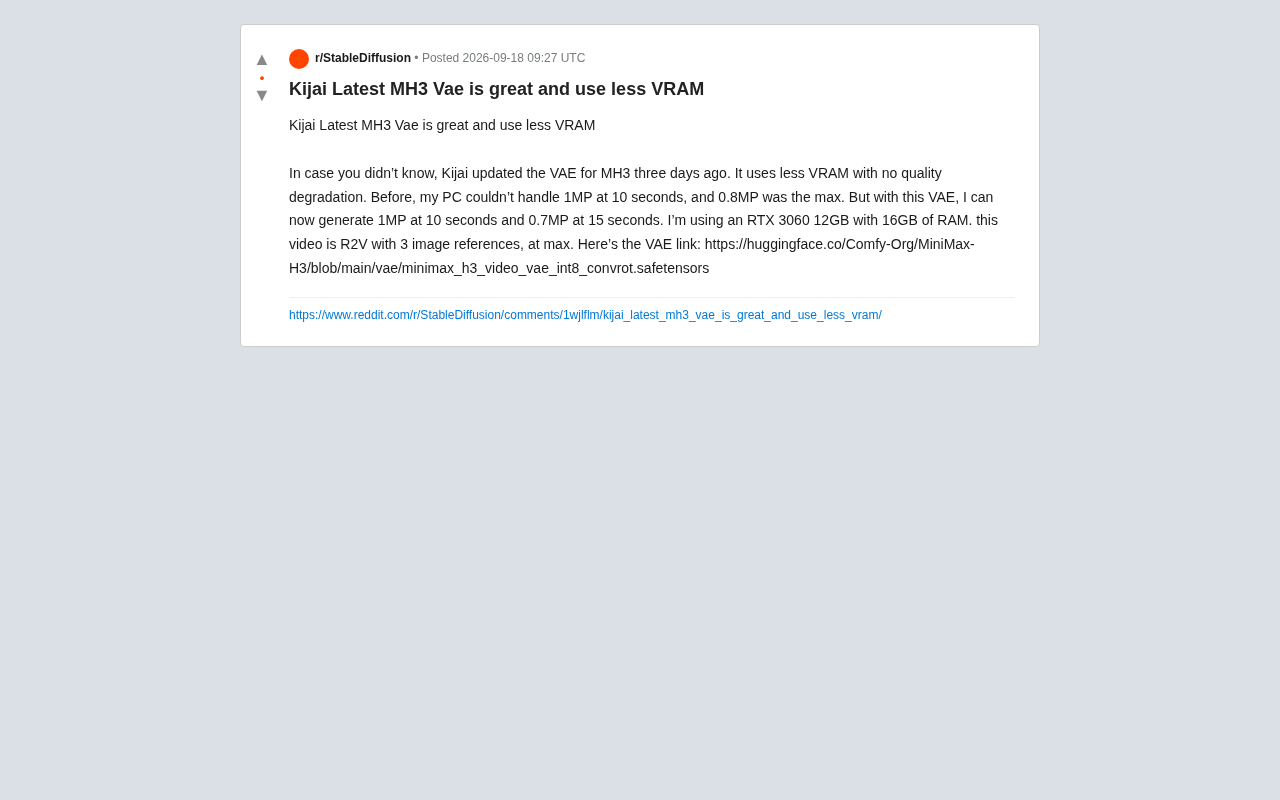
Kijai Updates MiniMax-H3 VAE: Lower VRAM Usage Without Quality Loss
Kijai updated the MiniMax-H3 int8 quantized VAE, enabling RTX 3060 12GB users to generate 1MP/10s and 0.7MP/15s videos with no reported quality loss.