shadcn/typeset: One CSS File to Solve All Your Markdown Typography Problems

One CSS file from shadcn that standardizes Markdown typography across blogs, docs, and AI chat interfaces.
shadcn/typeset solves the repetitive pain of styling Markdown-rendered HTML by providing a single typeset.css file you own and can customize freely. It handles all rich text elements — headings, lists, code blocks, tables — with polished defaults, and is specifically optimized for streaming Markdown in AI chat applications.
The Typography Struggle Every Frontend Developer Knows
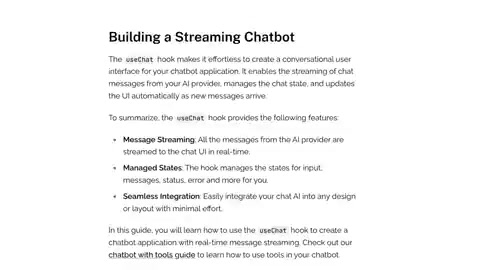
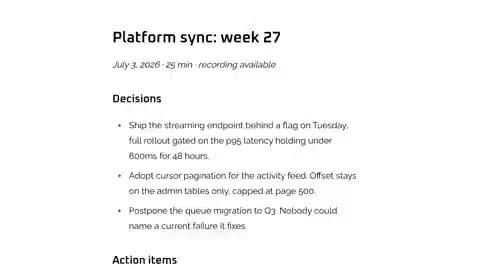
If you've done frontend development, this scenario is all too familiar: you render Markdown into HTML and get a pile of unstyled bare elements — headings, paragraphs, lists, and tables all stacked together with no visual polish. So you start tweaking them one by one: font sizes, line heights, spacing, fine-tuning until it finally looks decent.
What makes it even more painful is that you often have to repeat this process multiple times. The shadcn team nailed this frustration when introducing typeset: "You do it for a blog. Then again for docs. Then again for a chat interface. Every time, you're fighting the same problems: sizes and spacing."
This repetitive work not only wastes time — it also leads to subtle inconsistencies across different pages of the same project. The line spacing in a blog post, the line spacing in documentation, the code blocks in a chat window — each with its own set of rules, making typographic consistency a long-term liability.

How typeset.css Solves This
To tackle this problem at the root, the shadcn team released shadcn/typeset, centered around a stylesheet called typeset.css. The design philosophy is straightforward: use a single file to handle all typography within a typeset container.
Simply wrap your rendered Markdown content in a typeset container, and every element inside — headings, paragraphs, lists, tables, blockquotes, code blocks — automatically gets carefully tuned styles. No more writing individual CSS rules for each element type.
This approach shares the same goal as Tailwind's @tailwindcss/typography (the prose class) — both provide an out-of-the-box typography system for rich text content. @tailwindcss/typography is an officially maintained Tailwind CSS plugin that takes over all element styles within a container through the prose class name. Since its release in 2020, it has rapidly become the de facto standard for rich text typography, widely adopted by major frameworks like Next.js, Nuxt, and Astro. shadcn's implementation follows its characteristic design philosophy, taking a more radical approach to "ownership."
The Code Belongs to You
The most important thing to highlight about shadcn/typeset: the CSS file lives directly in your project — it's not installed as a black-box dependency. As the official docs put it: "It's in your project, so you can edit it when you need to."
This is the same "copy-paste" philosophy that defines all shadcn components. shadcn/ui launched in 2023 and broke the traditional component library model of "install and it's a black box" — users copy component source code directly into their projects via CLI commands, rather than installing it as an npm package into node_modules. This means developers fully own the code, can modify it however they like, and there's no version lock-in or risk of upstream upgrades overwriting your changes. This design paradigm made shadcn/ui one of the fastest-growing UI projects by GitHub stars within just a year.
You have complete control over the code. When the default typography styles don't match your brand, just open typeset.css and adjust font sizes, spacing, or colors directly — no fighting abstraction layers, no worrying about being overwritten during upgrades. This "code as an asset" model lowers the cost of customization and lets teams genuinely integrate typography rules into their own design systems.
Built for Streaming Markdown
Another key feature of shadcn/typeset is that it "works beautifully with streaming markdown."
In today's wave of AI applications, this matters enormously. A huge number of products are building ChatGPT-style conversational interfaces where AI model responses stream back token by token or chunk by chunk — powered by Server-Sent Events (SSE) or WebSocket-based token streaming, a mechanism used by mainstream APIs like OpenAI and Anthropic. A code block might show three backticks before the content gradually fills in; a list might grow one item at a time.
The core challenge with streaming rendering is that Markdown syntax is fundamentally designed for complete text — intermediate states often don't conform to the spec, causing parsers to trigger frequent reflows. In these dynamic rendering scenarios, typography can easily "jump": layouts shift repeatedly as content streams in, creating visual instability and a poor user experience. typeset.css has been specifically optimized for this scenario, keeping typography smooth and stable during streaming output.
For teams building AI chat interfaces, AI assistants, or document Q&A products, this feature directly addresses a real pain point and saves a significant amount of manual style debugging work in streaming contexts.
Why This Small Thing Deserves Attention
On the surface, typeset is just a CSS file solving what seems like a trivial problem. But it reflects something that's been a long-overlooked efficiency drain in frontend engineering: repetitive work that "looks simple but is tedious to do right" — like typography.
shadcn's approach transforms this kind of work from something you redo in every project into a one-time configuration that becomes a reusable, standardized asset. Combined with native streaming Markdown support, it's clear this tool is precisely timed to the era of AI application development.
For developers, its value plays out on three levels:
- Less repetitive work: One stylesheet covers all rich text scenarios — blogs, docs, chat interfaces.
- Consistent styling: Markdown typography across your entire project stays unified and controlled.
- AI-ready: Natively adapted for streaming rendering, directly serving conversational product development.
As more and more products need to display rich text and AI-generated content, tools like typeset that standardize the Markdown typography experience will likely become a quietly essential part of the modern frontend toolchain.
Key Takeaways
Related articles

The Truth Behind Codex 'Build a Website in 5 Minutes': AI Isn't Creating Sites—It's Helping You Copy Them
Exposing the truth behind viral Codex 5-minute website videos: creators aren't building original sites with AI—they're copying shared prompts or scraping others' work. Learn AI coding tools' real limits.

Getting Started with AI Agent Development: A Complete Guide from Concept to Practice
A comprehensive guide to AI Agent architecture and development, covering automated marketing, intelligent customer service, and investment analysis scenarios with single and multi-agent collaboration.

The Truth Behind Codex 'Build a Website in 5 Minutes': AI Isn't Creating Sites — It's Helping You Copy Them
Exposing the truth behind viral Codex 5-minute website videos: creators aren't building original sites with AI — they're copying shared prompts or scraping others' work.