SimpliSafe's New Video Doorbell: AI + Live Agents Actively Watching Your Front Door

SimpliSafe's new doorbell combines AI screening with live agents to shift home security from passive recording to active intervention.
SimpliSafe has launched the Video Doorbell Series 2 ($199.99) alongside its Active Guard Outdoor Protection service (from $49.99/month), building an active security system that pairs AI pre-screening with live human review. Unlike traditional video doorbells that simply record and notify, this system uses AI to filter normal activity around the clock, flags potential threats to live agents for a second assessment, and enables real-time verbal warnings via two-way audio or emergency dispatch when needed. While the model addresses two major pain points — users missing alerts and high AI false-positive rates — it introduces new trade-offs: annual subscription costs approaching $600 dwarf the hardware price, and the prospect of live agents viewing your front door footage raises important questions about data access transparency and privacy trust.
DIY home security company SimpliSafe is bringing its AI-powered active monitoring capabilities to your front door. The newly launched SimpliSafe Video Doorbell Series 2, priced at $199.99, works alongside the company's Active Guard Outdoor Protection service (starting at $49.99/month) to combine AI analysis with live monitoring agents for proactive threat detection and response.
From Passive Recording to Active Intervention
Traditional video doorbells operate on a "record + notify" logic: the camera captures footage, pushes an alert to your phone when something seems off, and leaves all judgment and follow-up to you. The problem with this model is that when you're in a meeting, asleep, or simply not looking at your phone, those alerts are essentially useless.
SimpliSafe takes a different approach with the Video Doorbell Series 2 and Active Guard Outdoor Protection. The system takes the critical question of "who's actually watching the footage" out of the user's hands — AI performs an initial pass to identify potential threats, then hands off to a live monitoring agent for further assessment and, when necessary, direct intervention.
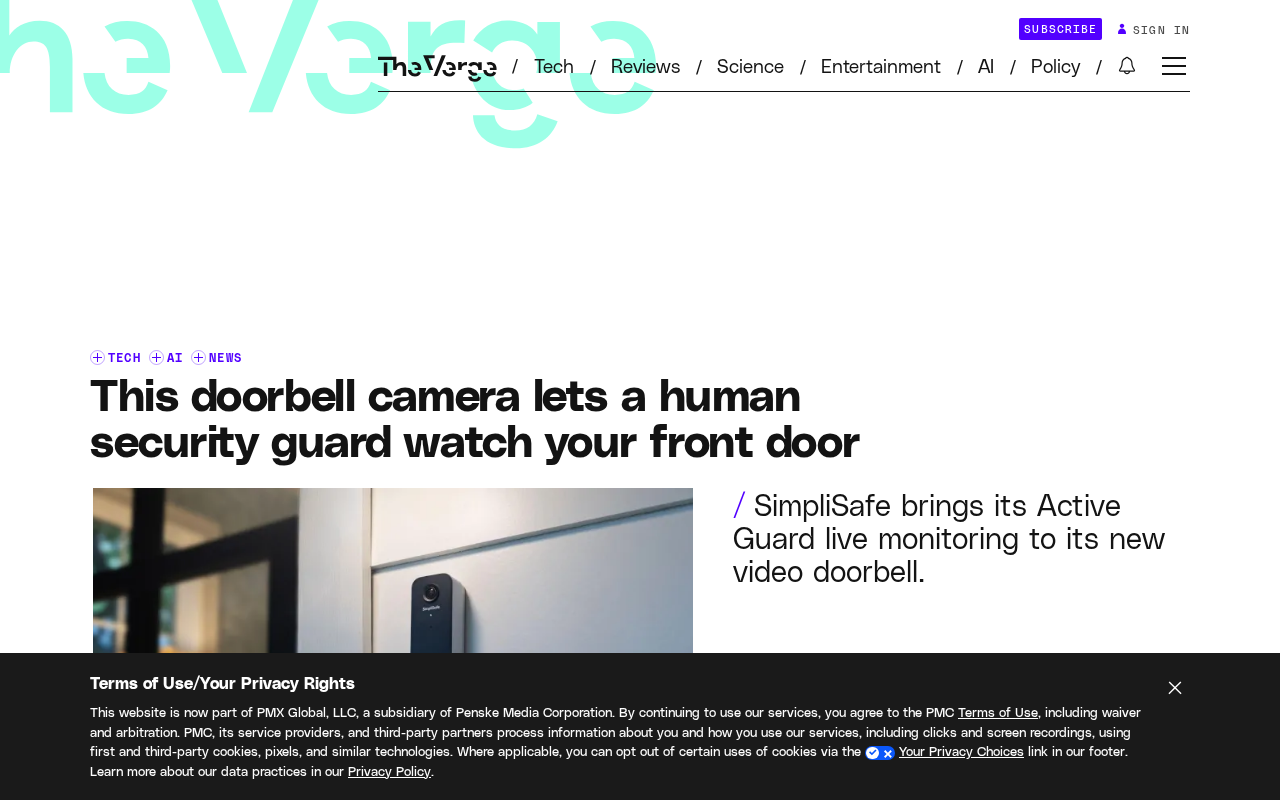
In other words, there's now an "always-on security guard" behind your doorbell. This combination shifts home security from after-the-fact evidence collection to real-time intervention — theoretically capable of disrupting a potential break-in or harassment before the situation escalates.
How AI and Humans Divide the Work
Relying solely on AI for security decisions has one glaring weakness: false alarms. Delivery drivers, food couriers, passing pedestrians, even a wandering cat can all trigger algorithmic alerts. Too many false positives cause users to gradually tune out notifications, rendering the entire security system worthless.
SimpliSafe's Active Guard uses a layered "AI pre-screening + human review" mechanism. AI analyzes footage 24/7, filtering out the vast majority of normal activity and only escalating suspicious scenarios to the monitoring center. Live agents then make a second-pass judgment, and when a genuine threat is confirmed, they can use the doorbell's two-way audio to verbally warn the suspicious individual, or initiate a follow-up response such as contacting emergency services.
The significance of this division of labor is straightforward: AI solves the "scale" problem (no human can monitor thousands of cameras simultaneously), while humans solve the "judgment" problem (recognizing actual intent and contextual nuance). Together, they represent a pragmatic balance between cost and effectiveness in home security.
This "AI pre-screening + human review" model is also known in the industry as a "Human-in-the-Loop" security architecture. Early purely AI-driven security systems were heavily criticized for high false positive rates caused by computer vision models misinterpreting lighting changes, shadows, and animals. User research from both Ring and Nest showed that once false alarm rates exceeded a certain threshold, users began systematically ignoring push notifications, effectively nullifying the security function. SimpliSafe's layered approach attempts to find a middle ground between two extremes: pure AI solutions are low-cost but false-alarm-prone, while pure human monitoring is accurate but unscalable. Notably, "human review" also means the monitoring center must maintain a large-scale 24/7 operations team — which is one of the structural reasons behind Active Guard's higher monthly pricing.
The Trade-offs of Pricing and Subscription Models
The $199.99 hardware price sits in the upper-mid range for video doorbells, but the real cost lies in the Active Guard service subscription starting at $49.99/month. That means users are spending close to $600 per year on monitoring alone — far exceeding the cost of the hardware itself.
This reflects a broader trend across the smart security industry: hardware increasingly becomes the entry point, while subscription services are the source of ongoing revenue. For consumers, the key question is whether you actually need a "live security guard" level of response, or whether standard recording and notifications are sufficient. For people who live alone, travel frequently, or are in areas with higher security concerns, the premium for active intervention may well be worth it. For budget-conscious users, the ongoing subscription cost is an expense that deserves serious consideration.
New Questions Around Privacy and Trust
Allowing live agents to view your front door footage at any time naturally raises privacy concerns. While monitoring agents are theoretically only supposed to intervene when AI flags a threat, the mere fact that "someone could be watching my front door" demands that companies establish clear, transparent policies around data access permissions, footage retention, and agent activity logs.
For companies like SimpliSafe, the ability to earn user trust will directly determine the adoption of these active monitoring services. Whether the technology can deliver proactive intervention is one thing; whether users are willing to hand over the intimate task of "watching the front door" to a remote team at a private company is another matter entirely.
Services involving "remote human viewing" have already attracted regulatory scrutiny in the United States. In 2019, Ring was reported to have had employees at its Ukrainian R&D team access user camera footage without authorization. ADT similarly acknowledged in 2020 that a technician had repeatedly and covertly viewed customer home footage. These incidents prompted the FTC (Federal Trade Commission) to intensify its scrutiny of data access practices in home security. For consumers evaluating such services, several specific questions are worth examining: whether agent access logs are available for users to review, how long footage is retained and what the deletion policy is, whether data is used to train AI models, and what the compensation mechanism is in the event of a data breach. These terms are often buried deep in service agreements but have direct bearing on users' actual privacy risks.
Conclusion
The SimpliSafe Video Doorbell Series 2 represents one direction home security is heading: from a pure recording tool toward an active protection system combining AI and human collaboration. It attempts to solve the age-old problem with traditional doorbells — "footage gets recorded but nobody watches it, and when they do, it's already too late" — while also putting new questions about cost, privacy, and trust squarely on the table. As a glimpse into the future of home security, this is an evolution worth paying attention to.
Related articles
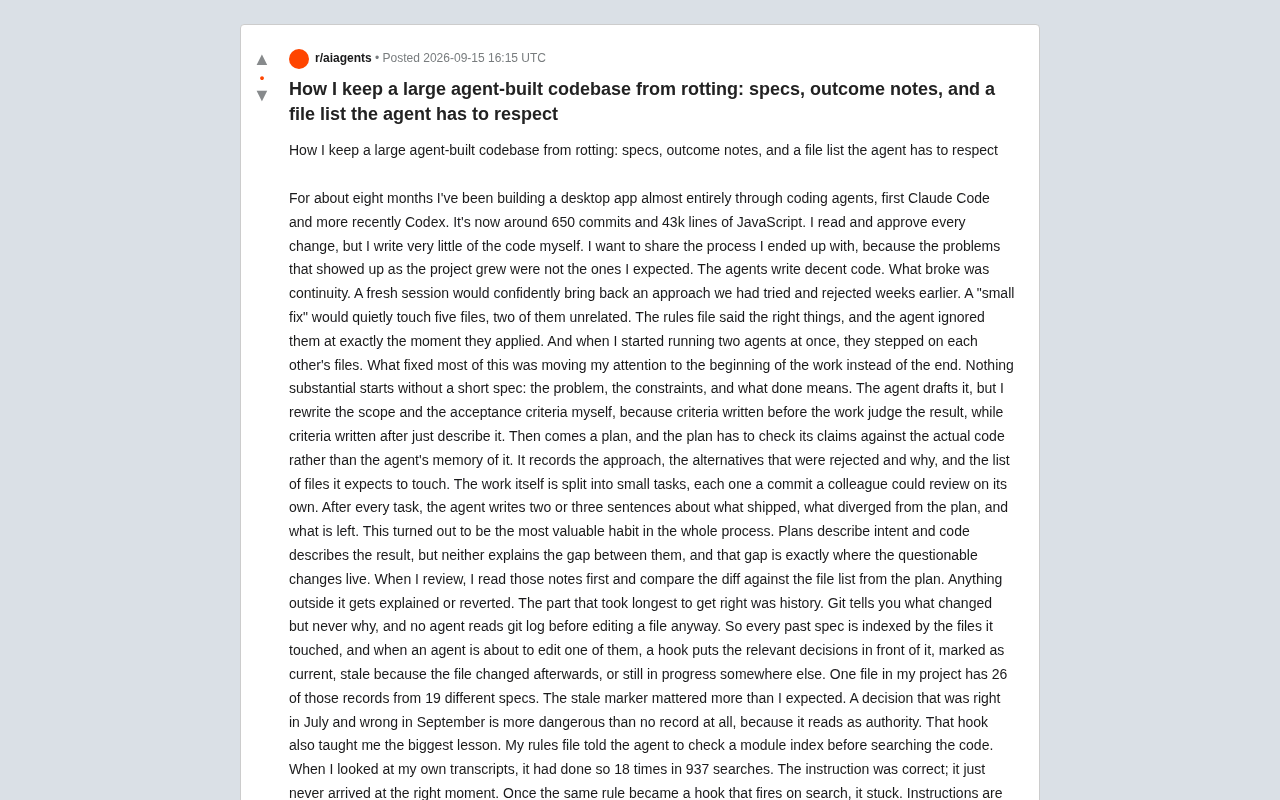
Fighting AI Code Rot: A Practical Approach with Specs, Outcome Notes, and File Manifests
An 8-month, 650-commit, 43K-line project reveals how to prevent AI agent code rot: front-loaded specs, outcome notes, file manifests, and trigger-based hooks over rule files.
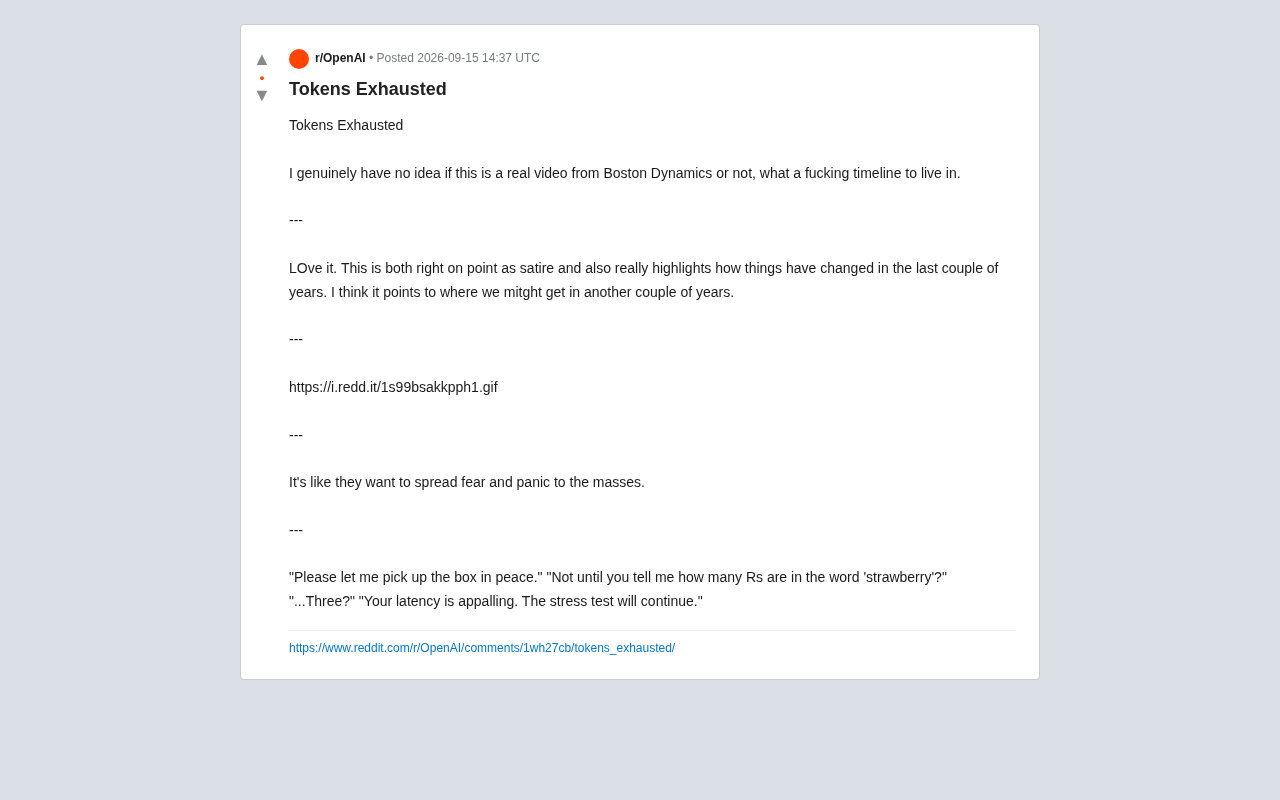
"Tokens Exhausted": The AI Anxiety Behind a Robot Video
A robot video called "Tokens Exhausted" went viral on Reddit, leaving viewers unable to tell if it was real Boston Dynamics footage. We unpack the AI satire and the anxieties it reflects.
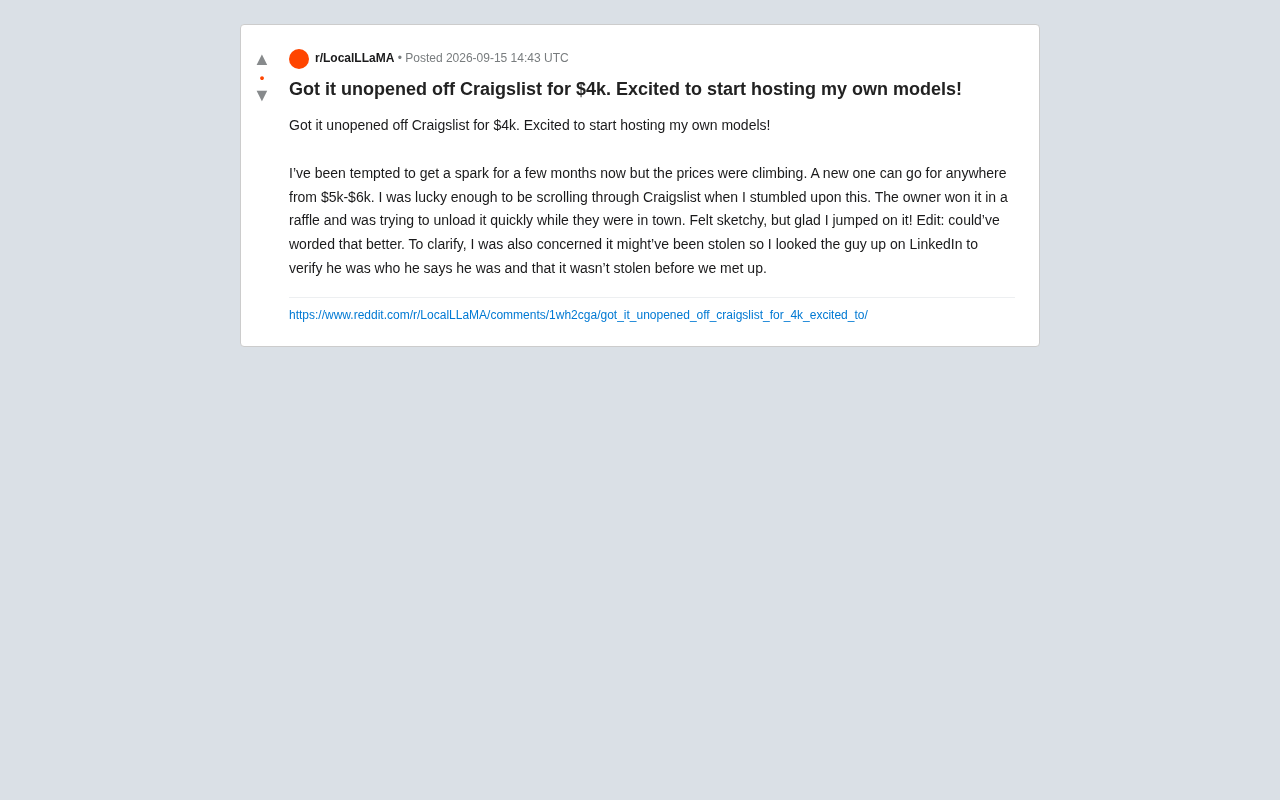
Scored a Brand-New DGX Spark for $4,000: The Best Bang for Your Buck in Local AI Deployment
A Reddit user snagged a brand-new DGX Spark for $4,000 on Craigslist — well below retail. Here's what the deal reveals about local AI deployment trends and second-hand buying safety.